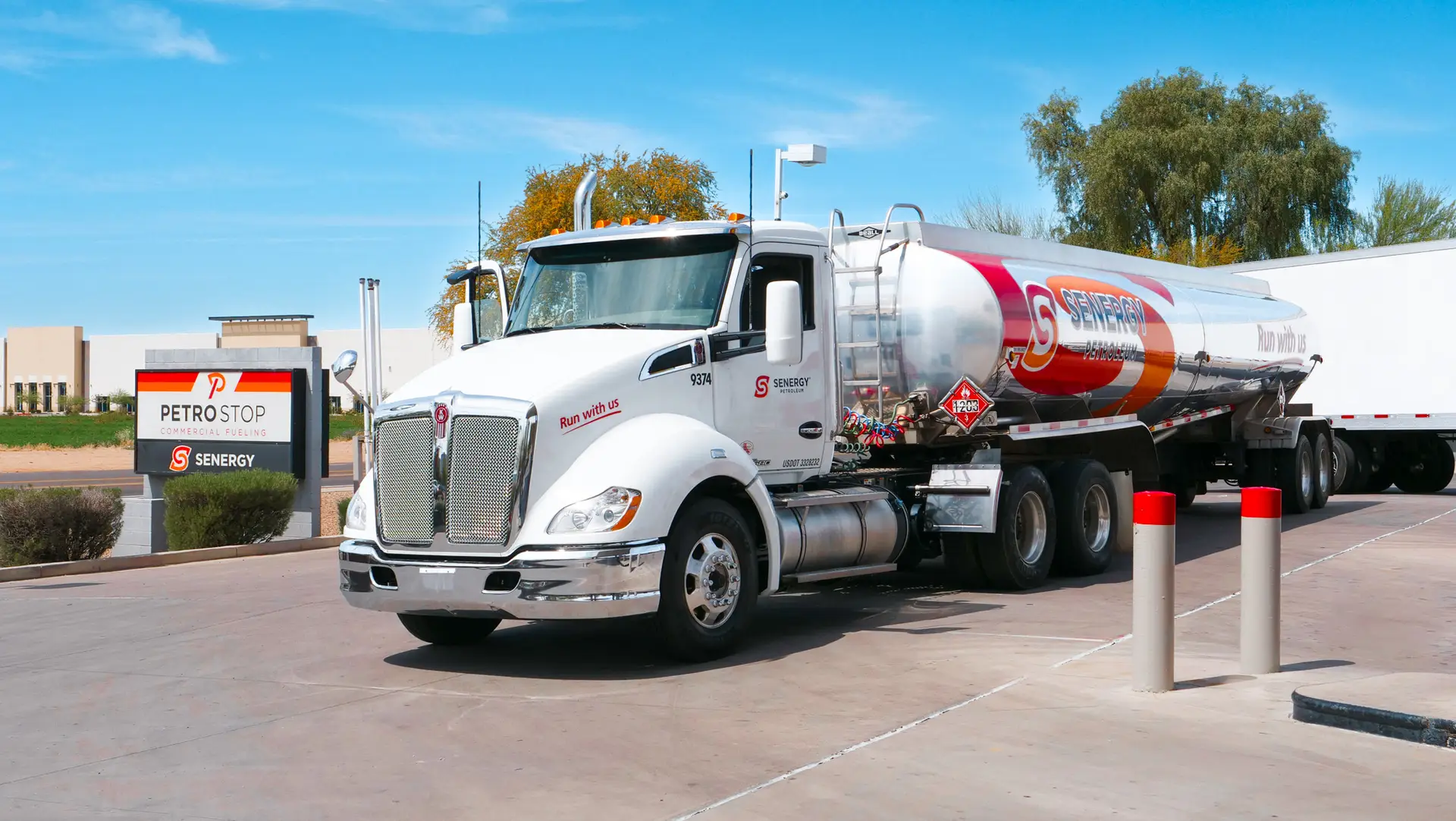
Integrating Telematics With Fuel Data for Smarter Operations
Telematics fuel integration is transforming how businesses manage fuel usage, operational efficiency, and cost control. At its core, telematics captures vehicle data and transmits it to a centralized system, providing visibility into location, speed, engine performance, and driver behavior. When combined with fuel consumption data, this information delivers a comprehensive view of fleet operations that goes far beyond traditional monitoring methods.
Unlike standalone systems, telematics fuel integration creates a connected ecosystem where data works together to support smarter decision-making. For example, GPS tracking paired with fuel data helps identify how routing impacts fuel usage. Integrating driver behavior data also highlights how acceleration, braking, and idling influence overall fuel consumption.
This level of integration is essential for modern fleet operations, delivering actionable insights that eliminate data silos and align operational, financial, and fuel-related decisions. As fleet operations grow more complex, businesses that implement telematics fuel integration position themselves for greater efficiency, reduced costs, and stronger overall performance.
Building Efficient Fleet Operations with Integrated Data Systems
Fleet data systems form the foundation of telematics fuel integration, enabling real-time visibility into fuel consumption and overall fleet performance. These systems collect and process data from multiple sources—including onboard sensors, GPS devices, and fuel cards—creating a centralized platform for analysis and decision-making.
APIs play a critical role in enhancing these systems by automating data synchronization. For example, fuel transactions can be logged automatically and matched with vehicle usage data, reducing manual entry errors and saving valuable time. This level of automation can improve productivity by up to 10–15% while lowering administrative overhead.
In addition, integrated fleet data systems support route optimization by combining location and fuel consumption data. This allows businesses to identify the most efficient routes and reduce unnecessary mileage. Real-time tracking also helps detect excessive idling, which can significantly impact fuel usage over time.
Unlocking Fuel Efficiency with Advanced Monitoring Software
Fuel monitoring software plays a critical role in enabling smarter operations through telematics integration. It provides detailed insights into fuel usage, allowing businesses to identify consumption trends, uncover inefficiencies, and implement targeted improvements.
One of the key advantages of fuel monitoring software is the ability to analyze fuel consumption at a granular level. Data can be segmented by vehicle, driver, route, or time period, enabling accurate cost allocation and performance benchmarking. This level of visibility is essential for identifying high-consumption vehicles and inefficient routes.
Real-time alerts further enhance operational control. Sudden increases or decreases in fuel usage can be flagged immediately, helping managers quickly identify potential issues such as fuel theft, mechanical problems, or unauthorized vehicle use. Advanced telematics platforms also integrate fuel level sensors, providing precise, real-time fuel data for improved accuracy and oversight.
Reducing Fuel Waste with Data-Driven Telematics
One of the most immediate benefits of telematics fuel integration is the ability to reduce fuel waste through data-driven insights. By analyzing both real-time and historical data, businesses can identify inefficiencies that often go unnoticed with traditional monitoring methods.
Excessive idling remains a major contributor to fuel waste. Telematics systems track idle time and provide actionable insights to reduce unnecessary engine operation. Even small reductions in idle time can lead to significant fuel savings over the long term. Driver behavior also plays a critical role. Aggressive acceleration, speeding, and hard braking increase fuel consumption. By monitoring these patterns, fleet managers can implement targeted training programs that improve driving efficiency. Addressing these behaviors can improve fuel economy by up to 10–15%.
Route optimization further enhances fuel savings. By combining GPS data with fuel consumption metrics, businesses can identify the most efficient routes and avoid delays caused by traffic or unnecessary detours. This not only reduces fuel usage but also improves delivery timelines and overall operational performance.
Driving Smarter Decisions with Telematics and Fuel Analytics
Integrating telematics with fuel data enables advanced analytics that support faster, smarter decision-making. Businesses gain access to unified dashboards, replacing fragmented reports with comprehensive insights into fleet performance.
These analytics solutions allow managers to identify patterns and trends in fuel usage, driver behavior, and vehicle performance. For instance, vehicles with consistently low fuel efficiency can be targeted for maintenance, repair, or replacement to improve overall fleet performance.
Predictive analytics adds another layer of value. By analyzing historical data, these systems can forecast future fuel usage and identify potential issues before they occur. This proactive approach helps ensure uninterrupted operations and enhances overall fleet reliability.
Maximizing Fleet Efficiency with Telematics Fuel Integration
Fuel businesses and fleet operators are increasingly focused on operational efficiency, and telematics fuel integration plays a key role in achieving measurable improvements. By reducing unproductive time and optimizing routes, businesses can significantly lower fuel consumption and operating costs. Studies show that telematics-enabled fleets can achieve up to 20% improvement in fuel efficiency.
Integrated systems also support compliance by accurately recording fuel usage, mileage, and vehicle activity. This level of detail is critical for regulatory reporting and audits, where precise and verifiable data is required.
Additionally, telematics systems provide real-time monitoring of vehicle performance indicators, allowing businesses to identify underperforming vehicles and take corrective actions, such as targeted maintenance or replacement, to maintain overall fleet efficiency.
Overcoming Challenges in Fuel Integration
While the benefits of telematics fuel integration are clear, challenges remain. Data fragmentation across fleet, fuel, and maintenance systems can hinder insights, but APIs and middleware enable seamless data exchange and a unified operational view.
Data accuracy is critical—properly calibrated telematics equipment and fuel sensors ensure reliable insights for informed decision-making. Although initial costs may be a concern for smaller fleets, the efficiency gains and fuel savings typically outweigh the investment.