
Hydraulic System Maintenance Tips for Construction Operations
Every piece of construction equipment on a job site relies on one thing: dependable hydraulic power. From excavators cutting trenches to cranes lifting steel, nothing operates without a properly maintained hydraulic system. When that system fails, production stops—costing valuable time and money. Hydraulic maintenance isn’t optional; it’s the foundation of reliable equipment performance. Routine fluid checks, hose inspections, and filter cleaning are essential steps that keep operations running smoothly day after day.
How Hydraulic Systems Keep the Job Moving
At its core, a hydraulic system is straightforward. It uses pressurized fluid to transfer power through pumps, hoses, and cylinders. When an operator engages a control, that input is multiplied by the hydraulic fluid, enabling a small amount of force to move thousands of pounds.
Hydraulic systems are durable, but they require precision. Even minor contamination, a small leak, or air in the line can disrupt performance. Equipment may begin to jerk, slow down, or produce unusual noises from the pump—clear indicators that the system needs attention.
A solid understanding of how the hydraulic system functions makes it easier to identify early warning signs and address issues before they escalate into costly downtime.
Why Hydraulic Maintenance Matters More Than You Think
Hydraulic systems rarely fail all at once—wear develops gradually. A clogged filter one month or a small amount of moisture the next can slowly degrade performance until the machine begins to lose power or overheat during critical work.
Consistent hydraulic maintenance prevents that decline. Clean fluid, early leak detection, and timely component replacement keep equipment responsive, efficient, and dependable.
There is also a clear cost advantage. Replacing a hydraulic pump can be a significant investment, while routine tasks like changing filters and inspecting hoses require minimal time and expense. Regular maintenance keeps operations moving instead of being delayed by avoidable repairs.
Keeping Hydraulic Fluid in Shape
Hydraulic oil does more than transfer power; it cools the system, reduces wear, and prevents metal components from grinding against each other. Once the fluid becomes contaminated, it can no longer provide that protection. Dirt and moisture quickly turn it abrasive, accelerating internal damage.
Proper handling is essential. Always top off systems with clean tools, sealed containers, and secure caps. Prevent unnecessary exposure by ensuring tanks and drums remain closed and stored in controlled conditions to limit contamination.
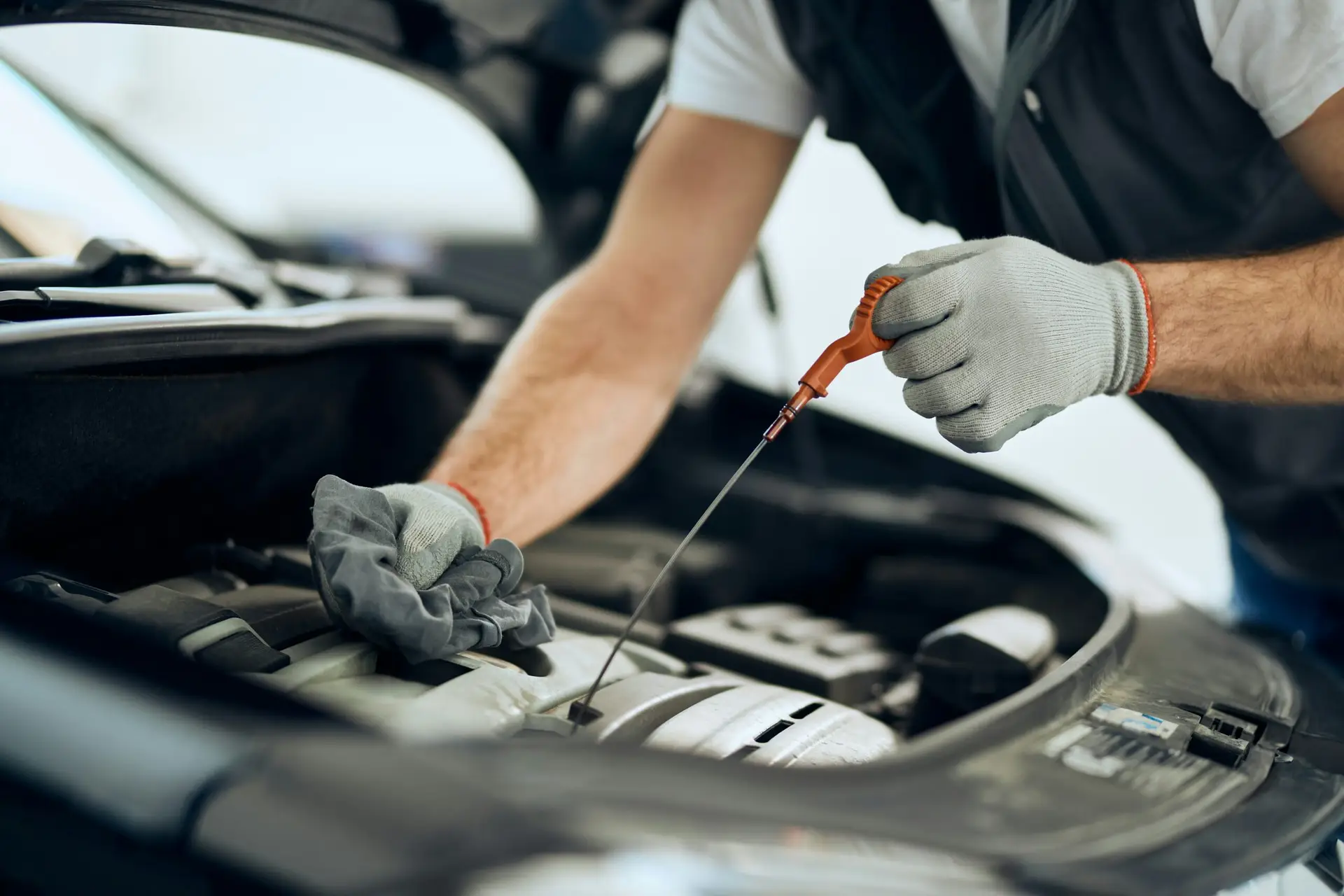
Routine oil sampling is one of the most effective hydraulic maintenance practices. Similar to a diagnostic test, it provides a clear look at the system’s internal condition. If the analysis detects metal particles, water, or sludge, operators can address the issue long before it leads to equipment failure.

The Critical Role of Filters in Hydraulic System Reliability
Filters may be out of sight, but they play one of the most critical roles in hydraulic system protection. A clean filter captures the microscopic debris that can damage pumps, valves, and other internal components long before the issue becomes visible.
Once a filter becomes clogged, it can no longer provide that protection. The system begins to experience restricted flow, reduced pressure, and rising temperatures. Monitoring filter indicators is essential; when they show high restriction, the filter should be replaced immediately.
Proactive filter replacement prevents unnecessary wear and downtime. Just as routine oil changes are essential for vehicle health, scheduled filter maintenance is vital for keeping hydraulic systems performing at their best.
The Importance of Checking for Leaks
Leaks are more than a loss of fluid—they are early warnings of larger problems. Even a small drip around a fitting can indicate a worn seal or a loose connection. Over time, leaks can introduce air into the system, leading to foaming, pressure loss, and inconsistent equipment movement.
Leaks also create residue that attracts dust and debris, which can become abrasive when combined with hydraulic oil. That contamination eventually re-enters the system and accelerates wear.
Thorough inspections are essential. Walk the equipment slowly and look for wet spots, stains, or areas where dirt is clinging to oil. Listen for hissing that may indicate escaping pressure. Tighten fittings as needed, but avoid over-tightening, as it can damage threads or seals.
Smart Startup and Shutdown Practices for Hydraulic Systems
Hydraulic oil becomes thicker in cold conditions, and thick fluid cannot circulate efficiently. Operating a cold system too quickly forces the pump to work harder, increasing the risk of cavitation or damaged seals. Allowing the equipment to idle for a few minutes at startup helps the oil warm and distribute evenly throughout the system.
Proper shutdown procedures are just as important. Lower all attachments, relieve system pressure, and allow the equipment to cool before powering down. This prevents residual pressure from stressing hoses and fittings overnight. These simple steps significantly reduce repair costs and downtime throughout the life of the equipment.
Building a Routine Around Hydraulic Best Practices
Small maintenance checks are often the difference between smooth operations and unexpected downtime. Many reliable machines end up sidelined because a loose fitting, clogged filter, or overlooked warning sign went unchecked. Strong maintenance habits are what keep equipment performing consistently and projects on schedule.
A simple daily routine delivers significant value. Wipe down hoses before startup, verify fluid levels, inspect the ground for leaks, and pay attention to how the equipment sounds and responds during operation. These quick observations don’t require specialized tools—just a few minutes and attention to detail. They often identify issues long before they develop into costly problems.
Documenting maintenance activities is equally important. Tracking filter changes, fluid top-offs, or recurring concerns helps reveal patterns that might otherwise go unnoticed. When those trends are caught early, corrective action can be taken immediately, minimizing downtime and keeping equipment productive.
Keep Your Operation Moving with Senergy
At the end of the day, the quality of hydraulic oil has a greater impact on performance than many operators realize. Senergy Petroleum understands the demanding conditions heavy equipment faces—long hours, high temperatures, and constant pressure—and formulates lubricants engineered to meet those demands with reliability and strength.
Using the right hydraulic oil, supported by consistent maintenance practices, transforms equipment care from reactive to proactive. Senergy Petroleum provides the products, expertise, and dependable support needed to keep operations running smoothly and with confidence.
