
How Winter Additives Protect Diesel Engines in Cold Regions
In cold regions, diesel engines face challenges that are not present in warmer climates. One of the primary issues is diesel’s natural wax content. As temperatures drop, wax particles begin to form microscopic crystals. Initially, fuel may appear cloudy. As temperatures continue to fall, those crystals grow and can clog fuel filters—restricting fuel flow much like trying to pull a thick milkshake through a narrow straw. When this happens, engines may crank longer than normal, run rough, lose power, or stall entirely due to inconsistent fuel delivery.
This is where cold-weather diesel practices become critical. In low-temperature conditions, diesel often requires specific blending or handling to remain operable. However, fuel quality alone is not always enough—especially when overnight temperatures drop sharply, equipment remains outdoors, or fuel is stored for extended periods. In these situations, fuel additives provide an added layer of protection. Properly selected additives help maintain fuel flow, support reliable ignition, and preserve lubrication when diesel becomes cold and thick, helping engines stay operational when conditions are at their toughest.
How Cold-Weather Diesel Additives Keep Fuel Systems Running
Diesel behaves much like cooking oil in cold temperatures. In warm conditions, it flows easily; as temperatures drop, it thickens and resists movement. Cold-weather diesel additives are specialized chemical treatments that improve fuel performance in low temperatures. They do not heat the fuel but modify how diesel responds as temperatures fall. These additives maintain fuel flow, support reliable combustion, reduce component wear, and prevent water-related problems.
A properly formulated cold-weather additive package tackles multiple challenges at once. One component limits wax crystal formation, another supports cold starts, while others protect against corrosion and enhance fuel lubrication. This balanced approach remains critical because cold conditions stress multiple parts of the fuel system—not just fuel flow.
A practical comparison applies to preparing a facility’s water system for winter. Insulation maintains flow, seals prevent damage, and additional safeguards reduce freezing risks. Cold-weather diesel additives provide a similar, multi-layered level of protection, helping engines operate reliably during winter fuel operations.
How Anti-Gel Additives Prevent Fuel Flow Issues in Cold Weather
The most widely recognized cold-weather diesel additive is the cold-flow improver, often referred to as an anti-gel additive. Its primary function is to control the formation of wax crystals within diesel fuel. Rather than allowing large, sticky clusters to form, the additive keeps wax particles smaller and more evenly dispersed. This allows fuel to continue moving through the system instead of accumulating and blocking the fuel filter. In most cold-weather breakdowns, the issue is not engine failure but fuel starvation caused by restricted fuel flow.
Cold-flow improvers are especially valuable during periods of fluctuating temperatures. Daytime conditions may remain manageable, but overnight temperature drops can cause fuel in tanks and fuel lines to cool rapidly, allowing wax crystals to form. By morning, restricted filters and limited fuel flow can make starting difficult or impossible.
It is important to note that these additives are most effective when blended into fuel before temperatures drop too low. Once diesel has already gelled, adding treatment afterward offers limited benefit. For reliable winter operation, fuel should be treated early in the season, and on-site storage tanks should be protected to reduce exposure to sudden temperature changes.
How Cetane Improvers Support Reliable Cold Starts in Diesel Engines
Cold diesel engines can be difficult to start because low temperatures affect both air density and engine components. Diesel engines rely on compression heat rather than spark plugs for ignition. In extremely cold conditions, the heat generated during the compression cycle may not be sufficient for quick, consistent combustion—especially when fuel viscosity increases or battery performance is reduced.
Cetane rating measures how readily diesel fuel ignites under compression. Many cold-weather additive packages include a cetane improver to support faster, smoother ignition. Improved ignition reduces white smoke caused by unburned fuel, minimizes rough idle, and helps lower strain on starters and batteries. These benefits directly support engine protection, as extended cranking and incomplete combustion place added stress on engine components and can contribute to long-term wear.
A useful comparison is starting equipment with a properly matched fuel for the conditions. When ignition occurs quickly and efficiently, engines start with less effort and reduced mechanical strain. Cetane improvers help diesel fuel ignite more consistently in cold conditions, supporting reliable starts and smoother operation when combined with proper cold-weather fuel practices.
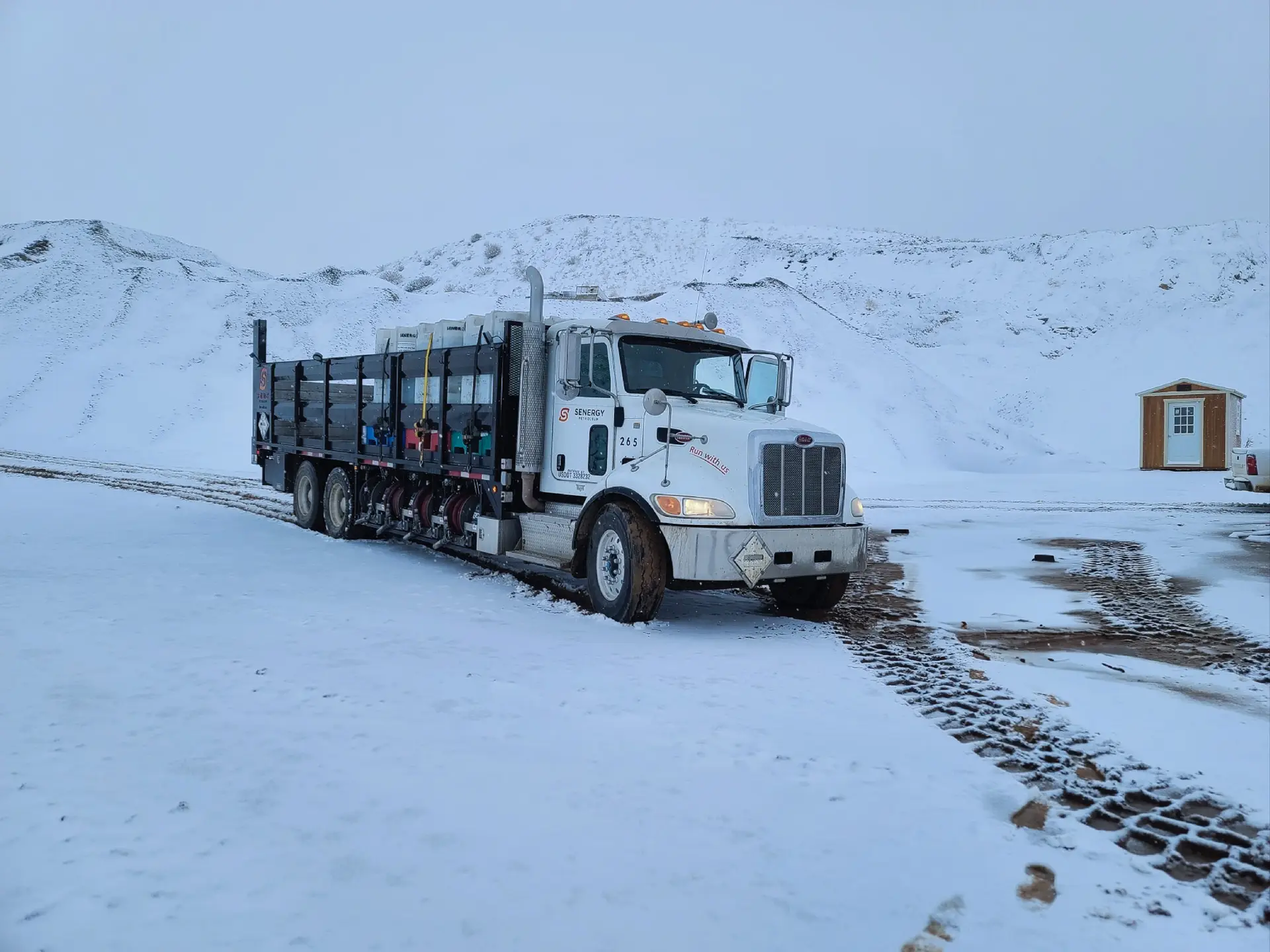

Why Fuel Lubricity Matters for Diesel Engines in Cold Weather
Modern diesel engines rely on high-pressure fuel pumps and precision injectors to operate efficiently. These components depend on the fuel itself for lubrication. In cold conditions, certain fuel blending practices can reduce natural lubricity, while lower temperatures cause fuel to thicken and flow characteristics to change. Together, these factors increase stress on fuel pumps and injector components.
Lubricity additives are designed to restore or enhance fuel lubricating properties, helping protect metal surfaces from premature wear. Damage to pumps or injectors can be costly and may lead to poor fuel atomization, rough engine operation, difficult starting, and increased fuel consumption. Maintaining proper lubricity is critical to preventing these issues before they impact performance or reliability.
A simple comparison can be made to a door hinge during cold weather. As metal contracts, movement becomes stiffer and more prone to wear without proper lubrication. Lubricity additives serve a similar role within the fuel system, reducing friction and helping components operate smoothly under cold conditions.
For long-term engine protection in cold climates, lubricity support is just as important as anti-gel performance—especially for equipment and vehicles that operate daily and depend on consistent injection pressure.
The Role of Water Control in Preventing Cold-Weather Diesel Fuel Issues
Water is one of the most damaging and often overlooked threats to diesel fuel systems in cold climates. Water can enter fuel through condensation in partially filled tanks, during storage, or from contaminated fuel sources. While even small amounts of water cause problems in warm conditions, cold temperatures significantly increase the risk. Water can freeze inside filters and fuel lines, and even small ice crystals can restrict fuel flow and disrupt engine operation.
Many cold-weather diesel additive packages include water-control agents, such as demulsifiers or emulsifiers, to manage this risk. Some additives promote water separation, allowing moisture to be removed through tank drains or water separators. Others disperse small amounts of water so it can safely pass through the system without freezing or causing blockages. Certain formulations also help reduce the formation of ice within the fuel system.
A practical comparison can be made to moisture control in a building during cold conditions. When moisture is allowed to accumulate and temperatures drop, hazards quickly form. Managing water early prevents those issues before they interfere with normal operation. In diesel fuel systems, proper water control improves reliability and supports engine protection—especially for vehicles and equipment stored outdoors overnight.
Injector Cleaners and Deposit Control in Winter Conditions
Cold conditions can intensify deposit-related issues in diesel engines. During winter operation, engines often idle longer, warm up more slowly, and run richer during cold starts. Short trips are also more common, which can prevent engines from consistently reaching optimal operating temperature. These factors contribute to incomplete combustion, leading to soot buildup and deposits on injectors and within the combustion chamber. When injectors become dirty, spray patterns degrade, producing larger fuel droplets that burn less efficiently. The result is increased smoke, rough idle, reduced power, and higher fuel consumption.
Many cold-weather diesel additive packages include detergents designed to help keep injectors clean and operating as intended. This protection is not focused on peak performance alone—it helps prevent a chain reaction in which poor spray patterns lead to inefficient combustion, increased deposit formation, and further injector degradation over time.
A practical comparison can be made to ventilation in a frequently used kitchen during colder months. When airflow is restricted, residue builds up more quickly. Regular cleaning helps maintain proper function and prevents long-term issues. In diesel fuel systems, injector detergents serve a similar role, supporting clean fuel delivery and reliable operation. For improved engine protection in winter conditions, fuel flow control should be paired with injector cleanliness support.
How to Use Winter Additives the Right Way
Using cold-weather diesel additives effectively is just as important as selecting the right products. Fuel should be treated early, before temperatures reach gelling conditions, to ensure proper mixing and protection. Following recommended treatment rates is critical, as over- or under-treating can reduce effectiveness. Additives should also be paired with sound winter fuel practices, including keeping tanks full, draining water separators, replacing fuel filters before peak cold, and sourcing winter-grade fuel from reliable suppliers.
While they improve cold-weather performance, they cannot reverse severe fuel contamination or fully correct advanced gelling. When combined with proper planning and maintenance, cold-weather fuel treatments provide dependable protection and help keep diesel equipment running through winter.
