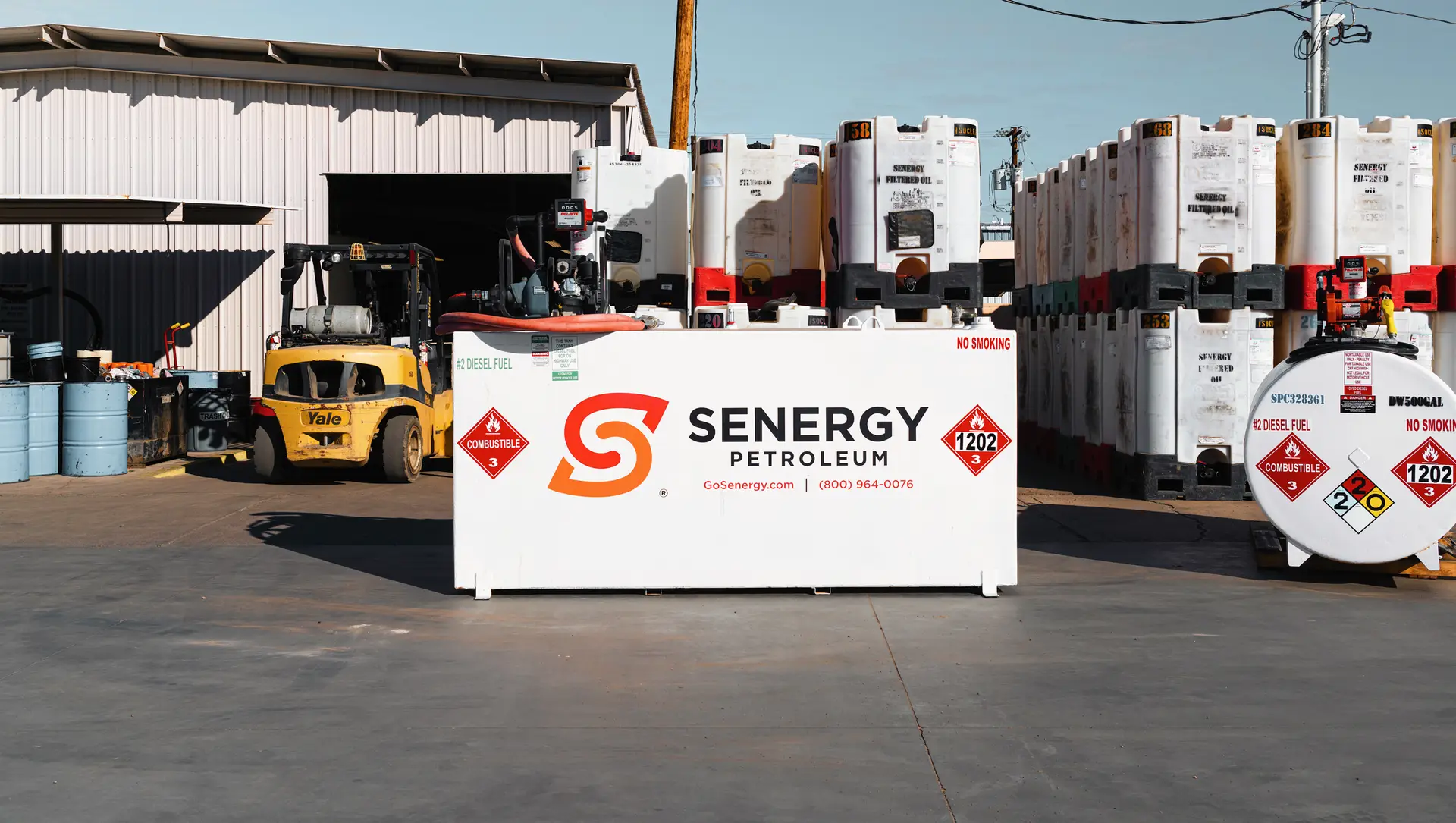
How to Properly Store Bulk Fuel for Long-Term Use

Fuel is the backbone of many industries, from agriculture and manufacturing to government operations and transportation. For businesses that rely on consistent fuel access, bulk fuel storage isn’t just convenient—it’s essential. Proper storage ensures that fuel remains clean, stable, and ready to use whenever needed, reducing the risk of costly downtime.

Poor storage practices can lead to contamination, water buildup, or microbial growth, all of which reduce fuel quality and engine performance. Operators who understand the fundamentals of storage can avoid common mistakes and protect their fuel investment.

Whether managing a fleet, supplying farm equipment, or powering emergency generators, long-term storage requires a clear plan and a commitment to ongoing maintenance. By implementing smart systems, businesses can secure reliable operations and minimize the risk of disruptions.
Choosing the Right Commercial Fuel Tanks

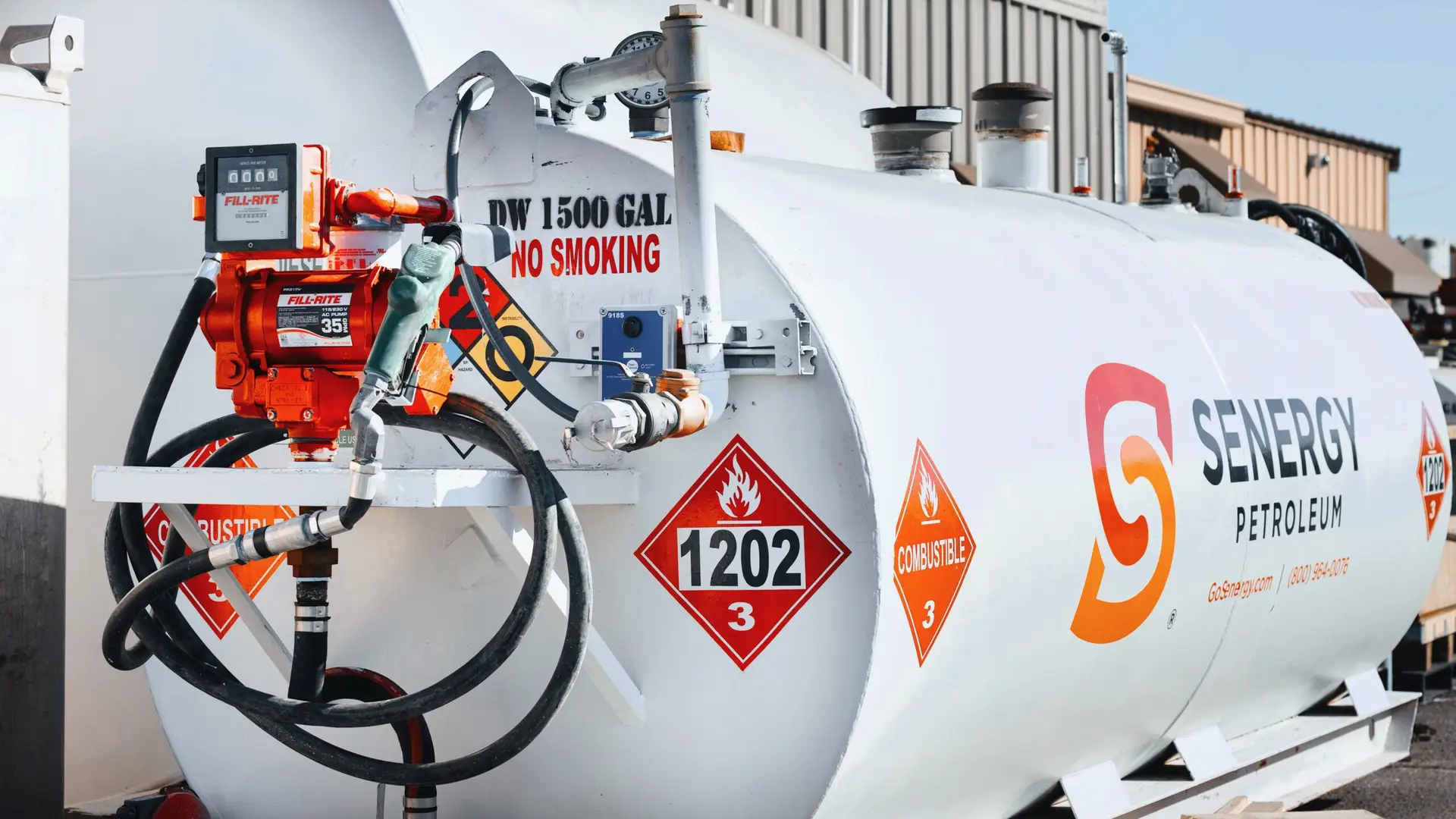
Selecting suitable commercial fuel tanks is the first step toward safe and efficient long-term storage. Tanks are available in several materials, including steel and fiberglass, each with distinct advantages. Steel tanks are durable and widely used, while fiberglass tanks provide stronger resistance to corrosion.

Tank placement is another critical factor. Above-ground tanks are easier to monitor and maintain, while underground tanks save space but require additional leak-prevention systems. Regulations often dictate specifications for tank design, secondary containment, and spill protection, making compliance essential.

Businesses should also consider tank capacity based on fuel usage patterns to prevent both overstocking and shortages. Investing in high-quality tanks and professional installation reduces the risk of leaks, contamination, and premature equipment failure. Ultimately, the right tanks not only preserve fuel integrity but also help businesses avoid unnecessary costs.

Long-Term Fuel Storage Tips for Business Owners

Fuel won’t stay stable indefinitely, which is why proper long-term storage practices are essential for businesses that keep reserves for months or even years. The biggest threats to fuel quality include oxidation, sediment buildup, microbial contamination, and water intrusion. To prevent these issues, fuel should be stored in clean, dry tanks with proper ventilation and protective coatings.

Stabilizers and additives can extend fuel life and prevent degradation. Rotating fuel inventory—using older fuel first—helps maintain a consistent supply of fresh product. Temperature control is also important, as extreme heat accelerates breakdown, so storage areas should provide shade and insulation whenever possible.

Regular inspections of tank seals, fittings, and hoses help catch minor issues before they turn into major problems. By following these practices, businesses can maintain fuel quality and reduce the risk of costly fuel-related failures.

The Importance of Regular Fuel Tank Maintenance

Consistent fuel tank maintenance is essential for businesses that rely on bulk storage. Over time, tanks can collect dirt, rust, and water—all of which compromise fuel quality. To prevent this, tanks should be inspected on a regular schedule, including checks for leaks, corrosion, or faulty fittings.

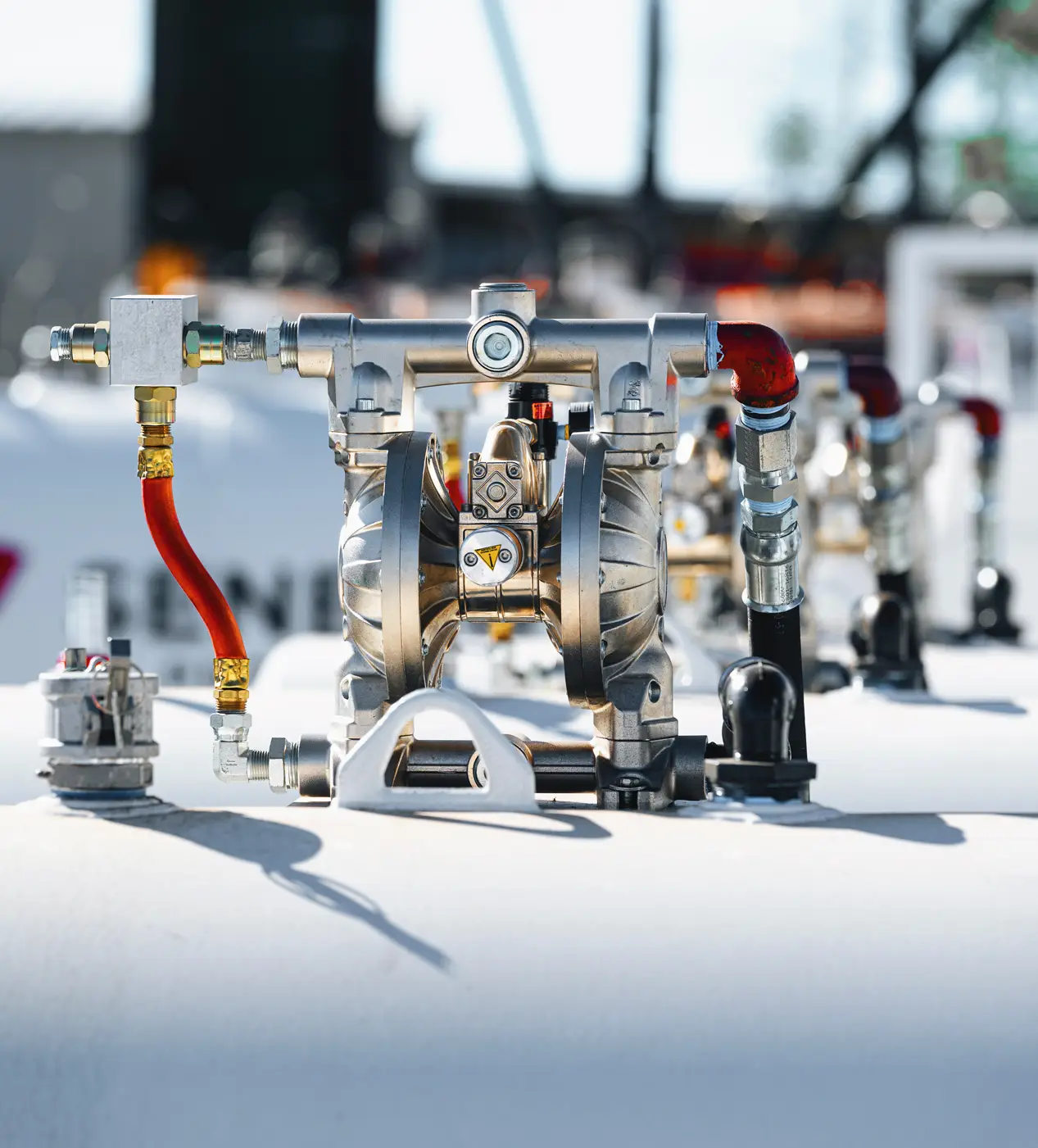
Water is one of the most common contaminants, often entering tanks through condensation or worn seals, and it should be tested frequently to prevent microbial growth. Periodic cleaning ensures sediment doesn’t build up and reach engines or machinery. Maintenance also includes monitoring gauges, alarms, and fuel transfer systems to confirm they are working correctly.

Hiring professional inspection services can help ensure tanks are properly maintained and operating safely. By prioritizing upkeep, businesses protect both their fuel investment and their equipment. A well-maintained tank supports consistent performance, lowers repair costs, and reduces the risk of unexpected downtime.

Preventing Contamination in Stored Fuel

Contamination is one of the most significant risks in bulk fuel storage. The most common forms include water, microbial growth (often called “diesel bugs”), dirt, and rust particles. Water is especially harmful—not only does it dilute fuel, but it also creates conditions for microorganisms to grow. Once contamination spreads, it can clog filters, damage injectors, and reduce efficiency.

To prevent this, businesses should use water separators, fuel polishing systems, and desiccant breathers to control moisture levels. Sealed tank systems and proper venting further reduce the risk of airborne contaminants entering storage. When contamination is suspected, fuel should be tested before use, and corrective actions such as filtration or biocides may be required.

Training staff to recognize early signs of contamination is equally important. By staying proactive, businesses can protect their bulk fuel supply and ensure equipment continues to perform at its best.

Safety Measures in Bulk Fuel Storage

Fuel is a valuable but hazardous resource, making safety a cornerstone of long-term storage practices. Flammable vapors, spills, and leaks pose risks not only to business operations but also to employee health. Storing fuel in secure, compliant industrial tanks with secondary containment helps protect against accidental releases. Fire suppression systems, spill kits, and proper signage should be readily available near storage areas.

Electrical equipment in storage zones should be explosion-proof to prevent ignition from sparks. Employees should be trained in safe handling procedures, emergency response protocols, and routine inspection practices. Following Occupational Safety and Health Administration (OSHA) requirements helps businesses avoid costly incidents and maintain safe operations. Personal protective equipment (PPE), such as gloves and goggles, should always be required for anyone handling fuel.

By making safety a priority, businesses not only protect their people but also ensure long-term operational reliability.

Regulatory Compliance in Bulk Fuel Storage

Businesses that operate bulk fuel storage facilities must navigate a landscape of strict regulations. Federal, state, and local agencies establish rules covering tank construction, leak detection, spill prevention, and safety protocols. Compliance protects companies from legal penalties and ensures storage systems meet required standards.

Secondary containment systems, such as berms or double-walled tanks, are often required to prevent accidental releases. Documentation of inspections, maintenance, and fuel quality testing is also essential for demonstrating compliance during audits.

Staying up to date with evolving requirements ensures safe operations and helps avoid costly fines. A compliance-focused approach not only reduces risk but also builds trust with customers, regulators, and business partners.

Partnering with Reliable Fuel Suppliers

Even with the best bulk fuel storage systems, businesses still need a reliable supplier to keep operations running smoothly. Partnering with a trusted distributor ensures access to quality fuel, dependable delivery, and expert support when it’s needed most. From agriculture to construction and beyond, having the right partner gives you confidence that your fuel needs will always be met—so you can focus on your core business. Run With Us, and count on a steady supply backed by proven expertise.

Stay Up To Date!

Keep up with Deals, Industry Updates, and more!

"*" indicates required fields

This field is for validation purposes and should be left unchanged.