
How to Optimize Your Fuel Delivery Schedule for Maximum Efficiency
Fuel costs continue to be one of the largest operational challenges for industries such as logistics, transportation, and construction. However, effective fuel delivery scheduling can make a significant difference in both efficiency and profitability. By planning deliveries strategically, fleets can reduce downtime, minimize idle periods, and maintain a steady fuel supply without interruption.
A well-organized delivery schedule enhances coordination between suppliers and site managers, reducing waste and unnecessary travel. When fuel arrives exactly when and where it’s needed, teams can stay focused on productivity rather than managing shortages. Strategic scheduling transforms fuel management into a predictable, streamlined process that supports consistent daily operations.
Why Strategic Fuel Planning Matters for Your Operations
Without a structured refueling strategy, fleets often face delays, inconsistent fuel levels, and wasted labor hours. Effective fuel delivery scheduling ensures that equipment and vehicles maintain a steady supply exactly when needed. This approach prevents operational slowdowns caused by workers leaving job sites or routes to refuel.
Strategic planning also gives businesses greater control over fuel inventory and delivery timing. Rather than reacting to shortages, managers can schedule deliveries based on demand cycles, site capacity, and upcoming projects. Over time, this approach enhances efficiency by reducing idle time, supporting optimal engine performance, and keeping critical assets operating without interruption.
Using Data to Improve Fuel Scheduling Accuracy
Fuel consumption varies across vehicles, job sites, and operating conditions. Tracking this data enables fleet managers to anticipate refueling needs and schedule deliveries with precision. Through real-time tracking systems and telematics, companies can analyze usage trends, identify high-consumption patterns, and adjust orders before shortages occur.
Accurate consumption data helps determine the optimal frequency for bulk fuel deliveries—neither too frequent, which increases holding costs, nor too infrequent, which risks downtime. Data-driven scheduling makes fuel management more efficient, predictable, and aligned with operational goals.
Streamlining Operations with On-Site Fuel Delivery
Every unnecessary refueling trip wastes time and money. Scheduling bulk fuel delivery directly to job sites or depots minimizes unproductive travel and idle time. By eliminating the need for drivers to leave for off-site refueling, teams can stay focused on their routes and responsibilities.
Fuel efficiency also improves when deliveries are planned during off-peak hours, reducing delays caused by traffic or congestion. This level of planning supports smoother fleet operations, optimized fuel use, and greater overall productivity—particularly for industries managing tight schedules or remote projects.

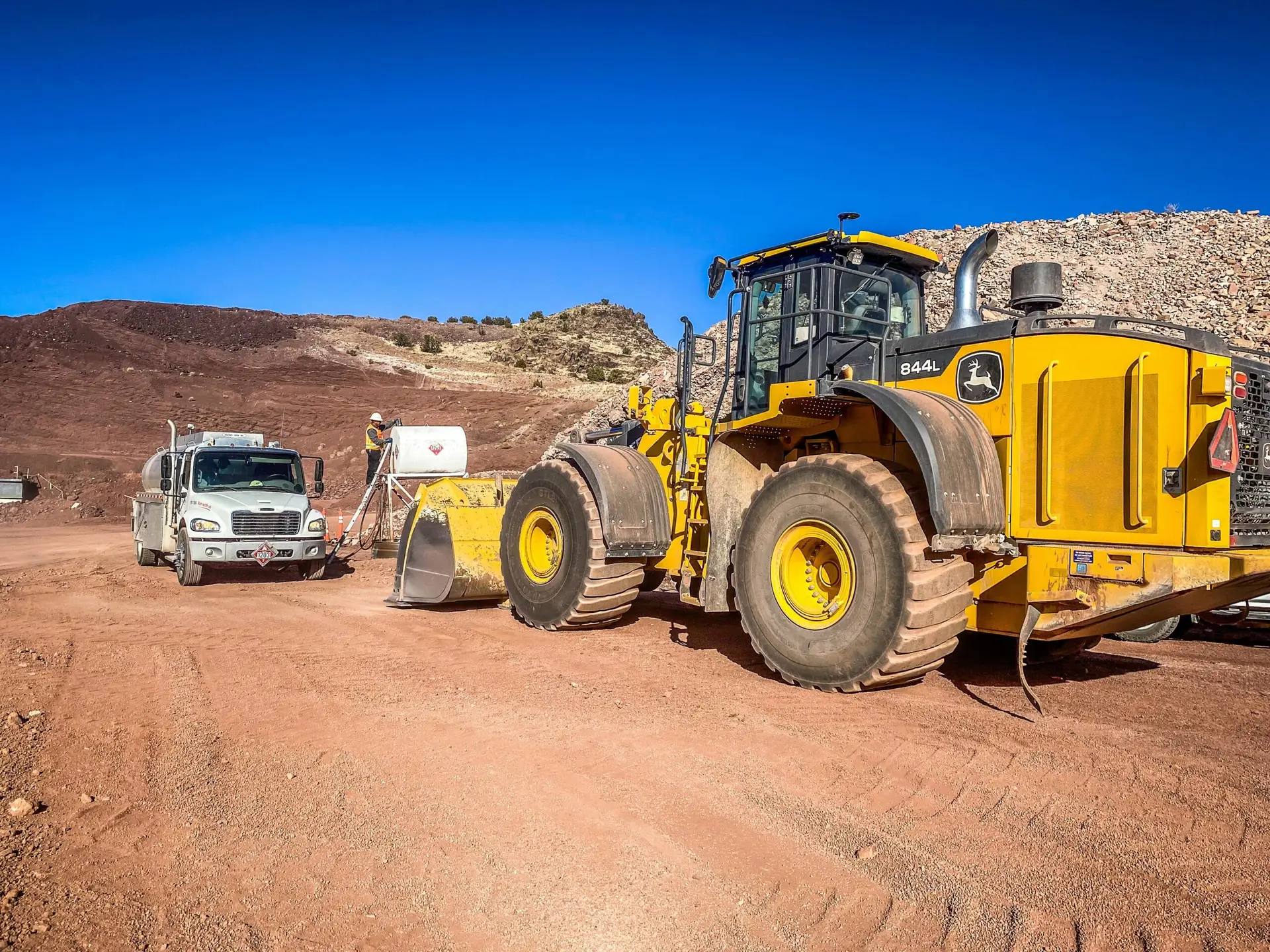
Reducing Downtime Through Smarter Fuel Delivery Scheduling
Every unnecessary mile driven to refuel wastes both fuel and time. When fleets rely on external fuel stations, drivers often take detours that add up to hours of lost productivity each week. A well-organized fuel delivery schedule eliminates these inefficiencies by bringing fuel directly to the vehicles or sites that need it.
Coordinating deliveries during low-traffic hours or aligning refuels with vehicle rest periods further enhances efficiency. This approach saves fuel, reduces engine and tire wear from extra travel, and supports smoother operations. Over time, consistent scheduling improves performance metrics, streamlines workflows, and ensures that resources are used to their full potential.
How Bulk Fuel Delivery Improves Cost and Time Management
Switching to bulk fuel delivery can result in substantial savings across operations. Purchasing fuel in larger volumes reduces the per-unit cost and protects businesses from sudden fluctuations in retail prices. With on-site storage tanks, fleets gain the flexibility to refuel when it’s most convenient, avoiding long lines or variable market rates.
Bulk delivery also eliminates hidden expenses such as driver overtime or downtime from off-site refueling trips. When refueling occurs directly at a facility or job site, productivity increases immediately. Managers gain clearer insight into fuel usage, and teams benefit from smoother workflows and a consistent, reliable supply.
How Predictive Scheduling Streamlines Fuel Management
Predictive systems elevate fuel delivery scheduling by automating when and how deliveries occur. These intelligent platforms track consumption patterns and trigger orders automatically once tanks reach predetermined levels, ensuring continuous operations—even in remote or high-demand environments.
For large fleets or multi-site businesses, predictive scheduling significantly reduces the administrative workload associated with manual refueling coordination. It also prevents costly downtime by maintaining supply readiness at all times. By removing uncertainty from the process, predictive tools enable operations teams to stay focused on productivity rather than logistics.
Integrating Fuel Scheduling with Modern Fleet Systems
Combining fuel scheduling with advanced fleet management software creates a connected ecosystem that enhances control and efficiency. These systems synchronize refueling data with GPS tracking, delivery routes, and performance analytics to provide a real-time view of operations. Managers gain instant visibility into fuel usage, consumption trends, and areas for improvement.
This integration also strengthens accountability by recording every transaction automatically, reducing the risk of misuse or discrepancies. Real-time insights help identify underperforming vehicles, inefficient routes, or potential fuel loss, allowing issues to be addressed quickly. The result is improved fuel efficiency, greater cost transparency, and streamlined operational performance.
Keeping Operations Moving Forward
Continuous improvement is essential for long-term success. Regularly reviewing delivery data, monitoring fuel consumption, and adjusting schedules for seasonal trends keeps fuel delivery strategies efficient and reliable.
By adopting smarter scheduling and strategic bulk delivery practices, businesses can minimize waste, enhance productivity, and keep fleets performing at their best. Run With Senergy Petroleum—powering dependable fuel management that keeps your operations moving forward.
