
How to Choose the Right Lubricants for Trucks and Heavy Equipment
Choosing the right Heavy Equipment Lubricants and Truck Lubricants is essential for keeping engines, transmissions, and hydraulic systems in good working condition. For trucking companies, construction contractors, and fleet managers across the United States, the right products help control friction, manage heat, and protect critical components from premature wear. A suitable lubricant can also support reliable operation and help businesses manage maintenance expenses.
Not every oil or fluid works for every application. A long-haul semi-truck, an excavator, and an agricultural tractor have different lubrication requirements. Understanding these differences, checking manufacturer specifications, and considering working conditions can help operators make informed decisions and avoid costly mistakes.
Overview
- Choose lubricants that meet manufacturer specifications.
- Match viscosity to engine requirements and expected temperatures.
- Use the correct fluid for each engine, hydraulic system, transmission, axle, and final drive.
- Inspect for leaks and contamination, and follow recommended service intervals.
- Compare overall maintenance costs rather than purchase price alone.

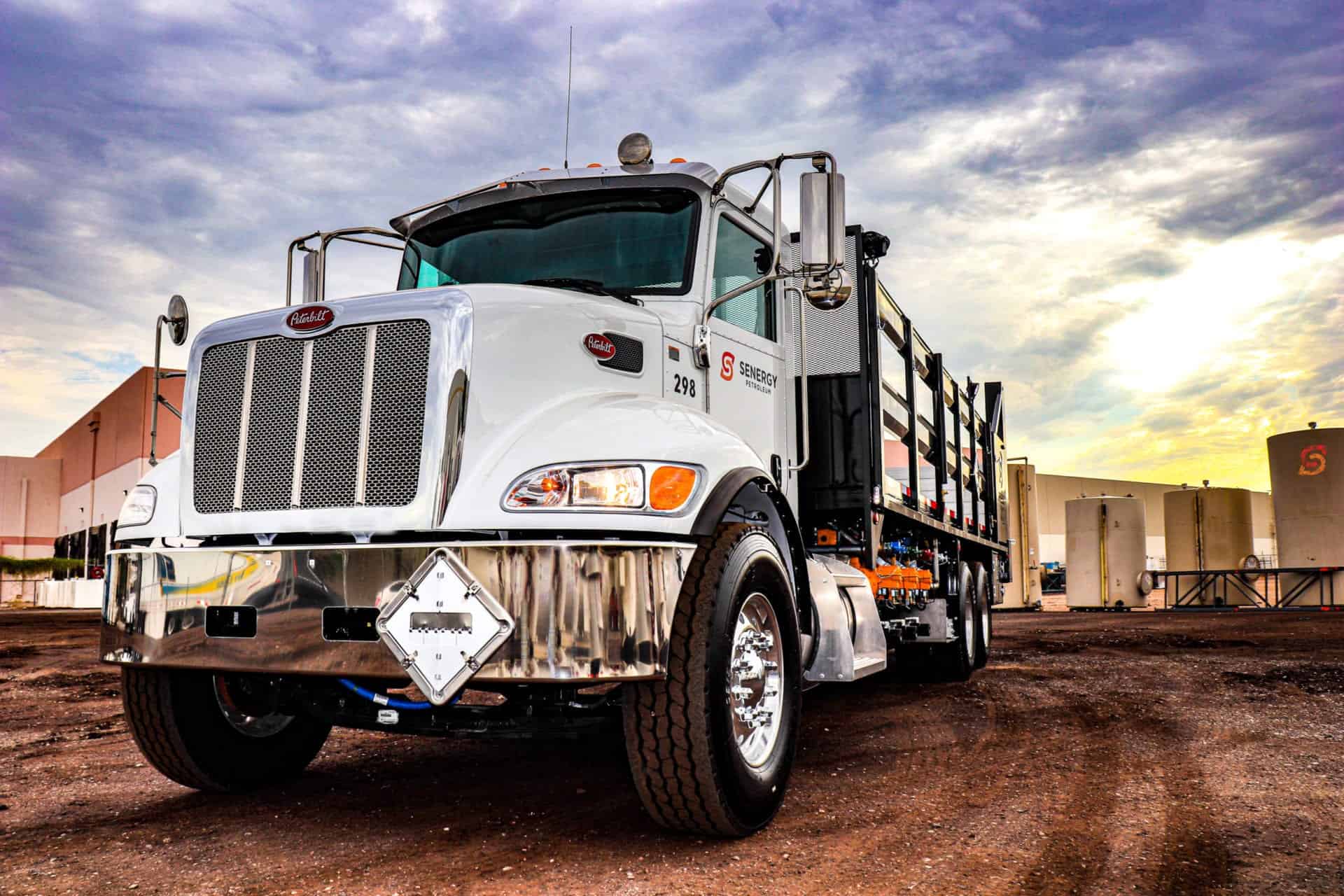
Understand the Different Types of Lubricants
Engine oil protects moving engine parts by reducing friction, helping control heat, and carrying contaminants toward the filtration system. Heavy-duty diesel engine oils are formulated for demanding conditions, including high temperatures, heavy loads, and soot from combustion. When choosing Truck Lubricants, start by checking the engine’s required viscosity grade and performance specifications rather than relying on brand names alone.
Other systems require different fluids. Hydraulic oil transfers power through the hydraulic pumps, valves, and cylinders found in excavators, bulldozers, and wheel loaders. Transmission fluid serves compatible transmission designs, while gear oil protects components such as differentials, axles, and final drives. Grease is commonly used on bearings, pins, bushings, and joints. The selected fluid must match the system’s requirements because similar-looking fluids are not necessarily interchangeable.
Check Viscosity and Manufacturer Specifications
Viscosity describes how easily oil flows at different temperatures. Common heavy-duty engine oil grades include SAE 15W-40, 10W-30, and 5W-40. The winter rating relates to the oil’s low-temperature performance, while the second number describes its viscosity at higher operating temperatures under standardized testing. The correct grade depends on the engine design, expected temperatures, and manufacturer’s recommendations.
Performance classifications matter just as much. The American Petroleum Institute (API) identifies diesel engine oil categories, including CK-4 and FA-4. These categories are not universally interchangeable, so choosing oil by viscosity alone is not enough. Review the owner’s manual and applicable requirements from manufacturers such as Cummins, Caterpillar, Volvo, Mack Trucks, and PACCAR. Check the product label and technical data sheet to confirm that the oil meets the required specification.
Match Lubricants to Your Vehicle or Machine
Long-haul semi-trucks and tractor-trailers spend many hours on highways while carrying substantial loads. Their engines need oil that meets the required performance standards and suits their operating conditions. Dump trucks and delivery vehicles may experience frequent stops, extended idling, and repeated periods of heavy work. These operating patterns can influence maintenance needs, so follow the service intervals specified for the particular engine.
Construction and agricultural machinery require attention to several systems. Excavators may use separate fluids for their engines, hydraulic systems, swing drives, and final drives. Bulldozers and wheel loaders can have specific requirements for transmissions, axles, and hydraulic circuits. Agricultural tractors may use specialized transmission and hydraulic fluids that also serve compatible wet-brake systems. Before selecting Heavy Equipment Lubricants, identify the component being serviced and verify the required fluid specification. This simple step helps prevent incorrect substitutions and compatibility problems.
Consider Climate and Working Conditions
Weather can influence lubricant performance throughout the United States. Trucks operating in colder regions may need an approved viscosity grade that supports reliable cold starts. In hotter areas, prolonged high temperatures can place additional demands on engine oil and other fluids. The best choice is one that meets the manufacturer’s requirements across the expected operating temperature range, not simply the grade that seems appropriate for one season. The same care applies when selecting Truck Lubricants for vehicles that cross several climate zones.
Working conditions also affect fluid life. Heavy loads, dusty construction sites, moisture, frequent starts, and long operating hours can increase stress on lubricated components. Dirt and water entering a system may reduce a fluid’s ability to protect internal surfaces, while excessive heat can accelerate oxidation. Regular inspections, suitable filtration, clean storage containers, and careful handling help control contamination. These practices are particularly important for trucks and machinery that operate across multiple job sites or in harsh environments.
Compare Synthetic and Conventional Lubricants
Synthetic oils are formulated to deliver specific performance characteristics, which may include improved low-temperature flow and resistance to oxidation. Depending on the product and application, these properties may be beneficial for vehicles and machinery operating under demanding conditions. However, synthetic oil is not automatically the best choice for every engine or hydraulic system. The product must still meet the required specifications and be approved for the intended application. In some cases, a fleet may use different oil formulations for different engines, even when the vehicles perform similar jobs.
Conventional oils and synthetic blends can also provide suitable performance when they meet the manufacturer’s requirements. When comparing Truck Lubricants, consider the purchase price, operating conditions, recommended service intervals, and overall maintenance expenses. Apply the same approach when comparing Heavy Equipment Lubricants for machines that work long shifts or carry heavy loads. A higher-priced product may offer advantages in some applications, but longer drain intervals should never be assumed without manufacturer approval and an appropriate maintenance program.
Follow a Regular Lubrication and Maintenance Schedule
A consistent maintenance schedule helps keep trucks and machinery ready for daily work. Maintain records of fluid specifications, service dates, operating hours, and recommended replacement intervals for each vehicle. Inspect for leaks, unusual fluid appearance, and signs of contamination. These records help fleet managers plan maintenance, track product usage, and identify recurring issues before they lead to larger problems.
Oil analysis can reveal useful information about fluid condition, contamination, and possible internal wear. For machines with demanding duty cycles, reviewing Heavy Equipment Lubricants and sampling results together can help maintenance teams spot patterns. Greaseable joints and bearings should receive the specified type and amount of grease, while hydraulic systems should be serviced with compatible fluids. Avoid mixing oils or substituting products unless compatibility has been confirmed. By choosing suitable products, following manufacturer recommendations, and inspecting machinery regularly, businesses can protect valuable assets, manage operating costs, and reduce avoidable downtime. Keep current product data sheets and service records accessible to technicians, especially when a fleet includes several engine models or different types of machinery.
