How to Choose and Store Quality Diesel Exhaust Fluid

At Senergy, we know Diesel Exhaust Fluid (DEF) plays a critical role in reducing harmful emissions from diesel engines. Made from 32.5% urea and 67.5% deionized water, DEF is specifically designed to work with Selective Catalytic Reduction (SCR) systems. When properly injected into the exhaust stream, DEF helps convert nitrogen oxides (NOx) into harmless nitrogen and water vapor. For industries like transportation, agriculture, and construction, using high-quality DEF is essential—not just for staying compliant with emissions regulations, but also for protecting engine performance. Low-grade or contaminated DEF can lead to clogged injectors, damage to your SCR system, and costly downtime. Knowing how to select, store, and maintain your DEF is key to keeping your equipment running efficiently and reliably. DEF isn’t just another fluid—it’s a vital part of your fleet’s long-term health and operational integrity. 

How to Choose the Right DEF—and Why Certification Matters

Choosing the right DEF starts with making sure it meets strict purity standards. At Senergy, we always recommend Diesel Exhaust Fluid that’s certified by the American Petroleum Institute (API) to ensure it complies with ISO 22241 specifications. API-certified DEF guarantees the proper urea concentration, low impurity levels, and full compatibility with SCR systems. Buying off-brand or uncertified DEF can introduce contaminants like metals, minerals, or other chemicals that put your emissions system at risk. Reputable manufacturers clearly label their containers with the API symbol, batch number, and expiration date—details you should always verify before making a purchase. DEF should be colorless and crystal clear; if it’s cloudy or has an odor, that’s a red flag for contamination. For operations that rely on DEF in bulk, it’s worth partnering with a trusted supplier who can provide documentation and consistency you can count on. Choosing certified DEF protects your equipment, boosts fuel economy, and helps extend the life of your emissions system.

Storing and Handling DEF the Right Way

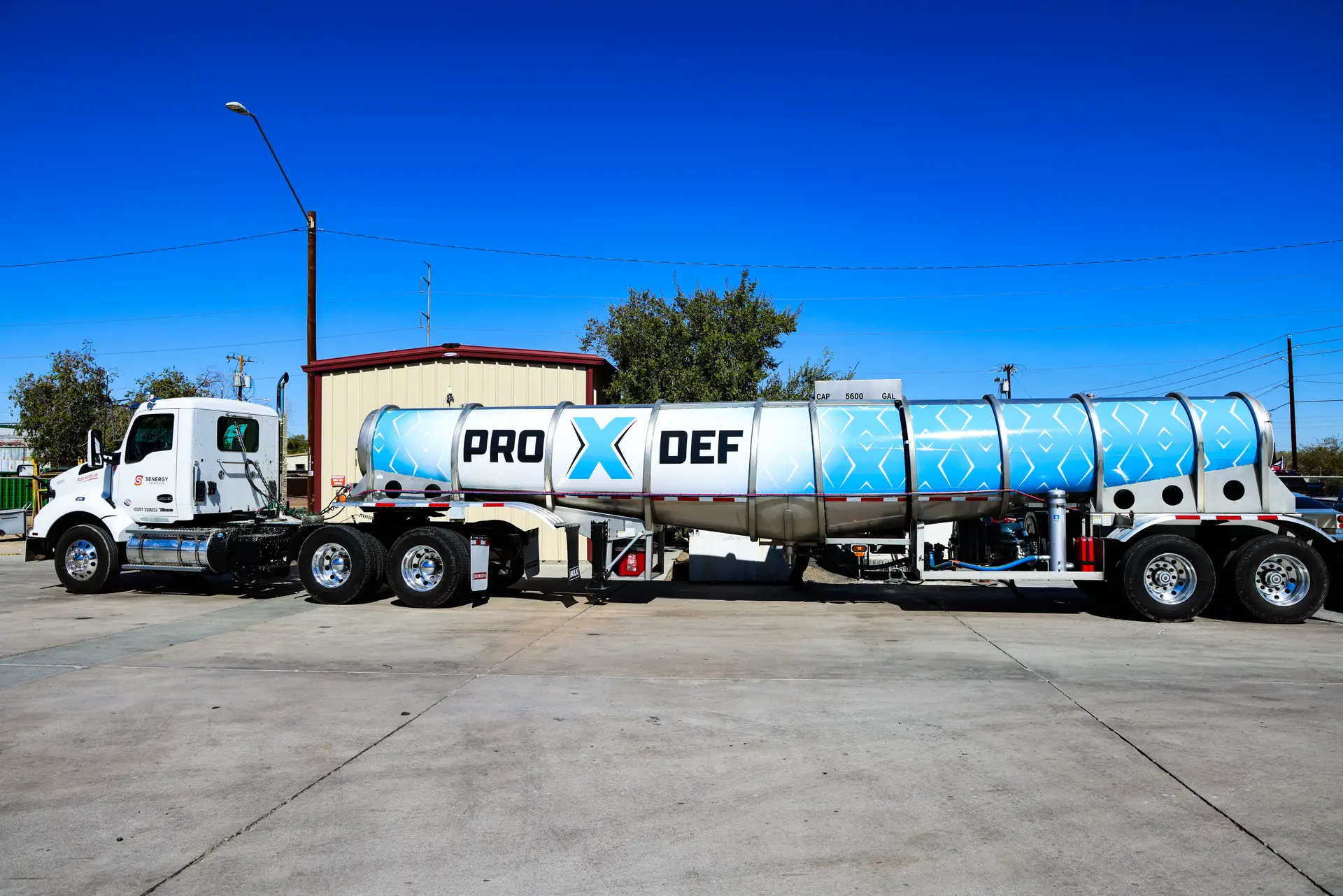
DEF is available in a variety of packaging options—2.5-gallon jugs, drums, totes, and bulk delivery systems. The right choice depends on your operation’s size, storage capacity, and refueling frequency. Smaller operators may benefit from jugs or drums for their portability and ease of handling, while large fleets and agricultural operations often prefer 275-gallon totes or bulk deliveries for efficiency. But packaging isn’t the only factor to consider. Proper delivery and handling methods are critical to preventing contamination—especially from dust, dirt, or other foreign materials. That’s why sealed containers and closed-loop systems are essential. When setting up your DEF dispensing system—whether it’s gravity-fed, electric, or automated—make sure it’s compatible with urea solutions and uses DEF-specific fittings. Never use equipment that’s been used for diesel, oil, or other fluids, as even trace contamination can compromise DEF quality. At Senergy, we help ensure your DEF stays clean, your equipment stays protected, and your operation stays efficient.

DEF Storage Best Practices to Protect Your Equipment

Proper DEF storage is essential to maintaining its chemical integrity and protecting your emissions system. DEF should be stored in a clean, cool, and dry environment—ideally between 12°F and 86°F. Prolonged exposure to extreme heat can degrade urea concentration, while freezing temperatures may cause crystallization. Although freezing won’t damage the solution, repeated thawing can potentially reduce performance. That’s why insulated or climate-controlled storage systems are strongly recommended, especially in regions with extreme weather. Storage tanks—whether above-ground or portable—should be made from approved materials like high-density polyethylene or stainless steel. Avoid containers with copper, brass, or aluminum, as these metals can react with DEF and compromise quality. Keeping DEF out of direct sunlight also helps prevent breakdown. Businesses should implement routine checks to ensure seals are secure, containers are clean, and the product hasn’t expired. When it comes to long-term storage, environmental control and regular inspection are key. We help you store smarter—so your DEF performs at its best, every time.

Investing in the Right DEF Equipment for Long-Term Performance

High-quality DEF storage equipment doesn’t just handle the fluid—it enhances efficiency across your operation. All tanks, pumps, hoses, and dispensing nozzles must be DEF-compatible and meet ISO 22241 standards. Plastic or stainless steel tanks are preferred, as metal components can leach contaminants into the fluid. For fleets and farms using bulk DEF, a stationary tank with a monitoring system helps track fluid levels and detect contamination early. Mobile DEF storage units with temperature control and closed-loop dispensing systems are ideal for operations needing flexibility without compromising quality. Automatic shut-off nozzles also help prevent spills and reduce waste. It’s critical that all equipment is dedicated solely to DEF—never mix or share components with fuel, oil, or lubricants. Routine maintenance, cleaning, and timely filter replacement ensure ongoing reliability. When carefully selected and properly maintained, your DEF storage system becomes a long-term investment that preserves fluid integrity and supports emissions compliance.

Preventing Contamination: Best Handling Practices

DEF contamination is one of the leading causes of SCR system failure. Even small amounts of dirt, oil, or tap water can significantly reduce DEF effectiveness and lead to costly damage. To help prevent contamination, always use dedicated, sealed containers and equipment for handling and storage. Wear clean gloves when handling DEF, and avoid opening containers unnecessarily. When transferring DEF between containers, use a DEF-specific funnel or pump that hasn’t been exposed to other fluids. Avoid galvanized or painted materials, as they can react negatively with urea. It’s also essential to regularly train your team on contamination prevention best practices. Simple errors—like refilling containers without proper cleaning—can cause system failures and downtime. Maintaining clean work areas, proper labeling, and routine audits reinforces good habits throughout your organization. Establishing clear handling protocols for DEF is a critical step toward ensuring long-term performance, equipment reliability, and regulatory compliance. 

Managing DEF Shelf Life and Inventory for Optimal Performanceon

Like many fluid products, DEF has a shelf life. Typically, it remains stable for up to two years when stored under ideal conditions. However, exposure to heat and sunlight can significantly reduce its usability. At Senergy, we recommend labeling containers with purchase or delivery dates and implementing a First-In, First-Out (FIFO) inventory system to ensure older batches are used first. Never use expired DEF, as its chemical composition may have changed, compromising your SCR system’s performance. Always inspect for signs of deterioration—such as unusual odor, discoloration, or sediment—before dispensing. DEF containers also include batch codes that allow for traceability in the event of quality issues or recalls. Monitoring fluid levels and usage rates helps avoid overstocking or running out during critical operations. Integrating DEF inventory management with digital systems or maintenance software streamlines tracking, enables timely reordering, and reduces waste—all while keeping your fleet compliant and running efficiently.

Partnering with the Right DEF Supplier for Your Business

Choosing a reliable DEF supplier is just as important as selecting the right system and storage equipment. A trusted supplier delivers consistent product quality, timely deliveries, technical support, and clear documentation. Look for suppliers that meet API certification standards and offer a range of packaging and delivery options to fit your needs. They should provide detailed specifications, batch test results, and safety data sheets (SDS). A good supplier understands your unique business requirements—whether you manage fleet fueling, agricultural operations, or municipal services—and tailors their solutions accordingly. Building a long-term partnership ensures consistent supply and more competitive pricing, especially on bulk orders. Suppliers offering on-site services or mobile refueling add value by saving your team time and effort. Ultimately, your DEF supplier should be a key part of your maintenance and compliance strategy, supporting the reliability and performance of your system.

The Key to Reliable DEF Management

Ensuring the highest quality Diesel Exhaust Fluid is essential for maintaining system performance, meeting environmental regulations, and avoiding costly repairs. From selecting API-certified DEF and the right packaging to investing in storage systems designed to prevent contamination, every step requires careful attention and precision. Businesses that adopt best practices for choosing, storing, and handling DEF not only protect their SCR systems but also boost operational efficiency. By partnering with trusted suppliers and staying proactive through monitoring and ongoing training, you build a strong foundation for a reliable, compliant, and efficient operation. Run With Senergy—your partner in keeping your fleet running clean and strong.

Stay Up To Date!

Keep up with Deals, Industry Updates, and more!

"*" indicates required fields

This field is for validation purposes and should be left unchanged.