How the Right Products Keep Mining Equipment Running Longer
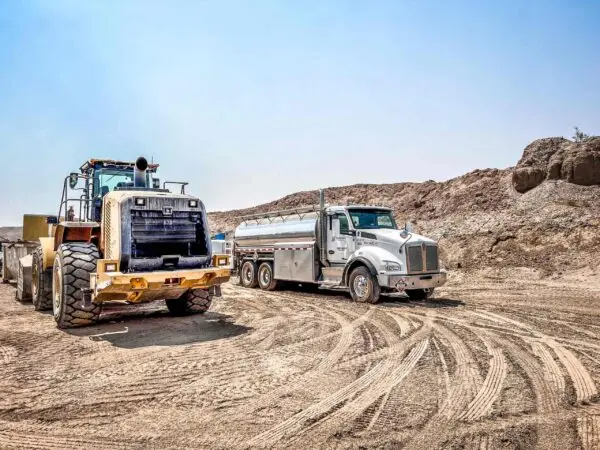
Mining operations put every piece of equipment under intense, unrelenting strain. Choosing the correct mining lubricants is a critical part of maintaining heavy-duty machinery. Haul trucks, excavators, loaders, and crushers are pushed through heavy loads, abrasive dust, constant vibration, and irregular duty cycles. Without the right protection, these conditions accelerate wear, fatigue, and component failure.
Mining lubricants must do far more than provide basic lubrication. They need strong oxidation resistance, the ability to perform across wide temperature shifts, and protection against contamination. They must maintain film strength under substantial load and withstand sudden shock loads that are common in mining environments.
Selecting the right lubricant is not an added expense—it’s a strategic investment. Poor lubrication can lead to bearing failure, gear tooth wear, and premature replacement of major components. In contrast, a properly tailored mining lubricant can extend equipment life, lengthen drain intervals, and improve overall operating performance.
When lubrication is treated as a strategic asset rather than a consumable, operations benefit from greater equipment reliability, reduced ownership costs, and stronger long-term productivity. Quality lubricants are essential to keeping heavy equipment running efficiently and consistently in demanding mining applications.
Selecting the Best Hydraulic Oil for Mining Operations
Mining hydraulic systems operate under extreme pressure, heat, and load cycles, making hydraulic oil one of the most important fluids in mobile mining equipment. These systems face long duty hours, contamination, and unpredictable load changes, so selecting a mining-specific hydraulic oil is essential.
A high-quality hydraulic oil must provide strong anti-wear protection, oxidation stability, thermal resistance, water separation, and full compatibility with mining components. Using the wrong fluid can lead to overheating, seal failure, cavitation, foaming, and system breakdowns.
Maintenance requires more than filling a reservoir. It includes choosing the right oil, monitoring fluid condition, keeping systems clean, and following recommended service intervals. The correct hydraulic oil ensures smooth control, steady power transmission, and reduced downtime.
Hydraulic oil is the operational lifeblood of mining equipment. Without proper lubrication, critical tasks like moving material, breaking rock, and hauling loads become inconsistent and inefficient.
Why Every Lubrication Point Matters in Mining Equipment Maintenance
Engine oil and hydraulic oil get most of the attention, but mining equipment relies on a full range of lubricants—greases, gear oils, final-drive oils, open-gear lubricants, and specialty fluids. Gear systems in conveyors, crushers, and haul trucks need gear oils built to handle shock loads, sliding contact, and contamination.
Greases are just as critical. They protect bearings, pins, bushings, and joints that face heavy dust and constant friction. Without the right grease, lubrication can run out, wash away, or fill with debris, causing early wear and performance problems.
Equipment life depends on more than the major fluid systems. Every lubrication point matters. Under-lubricated or inconsistently lubricated components can create chain-reaction failures that reduce productivity and reliability across the operation.
Integrating Lubricants Into a Proactive Mining Maintenance Program
Effective heavy equipment maintenance means treating lubricants as a core part of the program—not an afterthought. Schedules should include clear change intervals, fluid monitoring, sampling, drain-and-fill procedures, and proper inventory management.
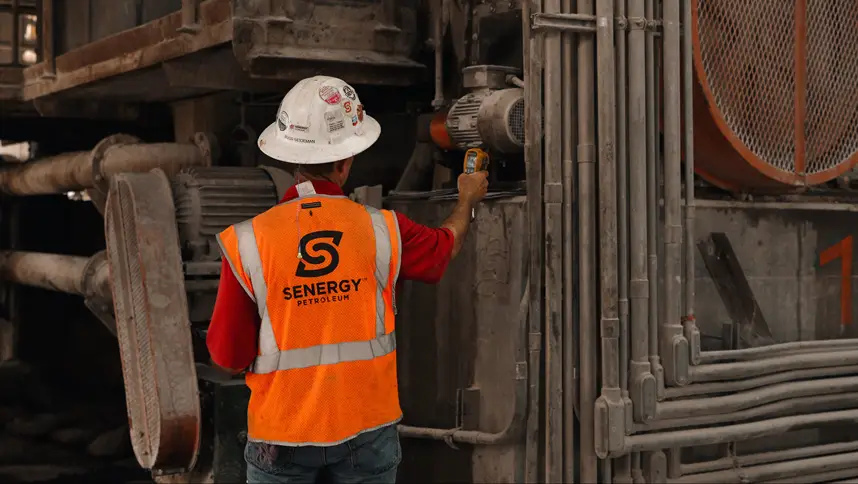
A scheduled fluid change at a set hour-meter reading isn’t enough on its own. Contamination and heat can affect fluids long before that point. Proactive maintenance includes testing oils for particulates and oxidation, checking gear oils for metal debris, verifying grease application, and assessing open-gear lubrication to ensure proper protection.
Why Contamination Control is Critical for Mining Lubricant Performance
Contaminants are one of the primary threats to lubricant performance in mining operations. Hydraulic oils and mining lubricants are continually exposed to water, dust particles, vibration, heat, and load cycling. Without proper contamination control, component life drops significantly, and repair costs escalate quickly.
Industry findings confirm that excessive dust and debris can compromise lubricant performance and contribute to equipment failures. Water in hydraulic oil can lead to corrosion, cavitation, and accelerated oxidation. Dust in gear oils increases abrasion and wear, while overheated engine oil loses film strength and viscosity, reducing its ability to protect critical components.
Contamination control is a core element of heavy equipment maintenance. Using clear storage containers, dedicated pumps, closed filling systems, proper filtration, and routine fluid sampling helps maintain lubricant integrity. Selecting lubricants formulated with contamination-tolerant additive systems—such as strong anti-wear agents, demulsifiers, and dispersants—also supports reliable performance in demanding mining conditions.
Protecting fluid quality reduces damage, extends component life, and strengthens overall equipment reliability.
How Premium Lubricants Reduce Costs
Choosing premium mining oils and the right hydraulic fluids may seem like an upfront cost, but it’s a strategic way to reduce operating expenses and boost productivity. Case studies show that a strong lubrication program—supported by proper change intervals, contamination control, and consistent maintenance—extends component life, lowers failure rates, and reduces downtime. This leads to fewer replacement parts and lower costs per operating hour.
High-performance lubricants also reduce wear, increase efficiency, and help equipment run longer. In mining, where downtime is extremely costly, reliability is one of the operation’s highest priorities.
When quality lubricants are paired with proactive maintenance, equipment runs longer, service stays on schedule, parts inventories stay manageable, and production targets are met more consistently. Delaying major rebuilds and avoiding failures through effective lubrication delivers significant long-term savings.
Premium lubricants don’t just keep machines operating—they help keep entire mining operations efficient and competitive.
Why Proper Application and Monitoring Are Essential
Even the highest-quality mining oils and hydraulic fluids cannot perform as intended if they are applied incorrectly or not properly monitored. Effective maintenance programs include training operators and technicians on proper fluid application, handling, and storage; preventing contamination; and maintaining clear service intervals.
Using an incorrect viscosity, mixing incompatible products, topping off instead of performing a full change, or neglecting fluid cleanliness all reduce lubricant effectiveness. Consistent monitoring is essential and should include fluid sampling, oil analysis, trend tracking, and correlating lubricant condition with equipment performance.
Many lubricant providers offer support programs designed to educate maintenance teams and ensure fluids are used correctly. Industry guidance reinforces that selecting the right lubricant is only part of the process—proper application is equally important, as improper use can lead to long-term equipment damage.
The Future of Lubrication in Mining
Mining operations continue to evolve, and heavy equipment maintenance must advance with them. Modern trends include synthetic lubricants designed for higher loads, intelligent sensors that track lubricant health in real time, automated lubrication systems connected to predictive analytics, and extended drain intervals that support operational efficiency.
As equipment becomes more sophisticated—with higher horsepower, advanced hydraulics, and electronic drives—lubrication requirements grow more demanding. Maintenance programs should adapt by working closely with lubrication specialists, adopting condition-based monitoring, and integrating data to support timely, informed decisions.