
How Seasonal Temperatures Affect Lubricant Performance
Seasonal temperature changes can have a direct effect on how oils and greases behave inside engines, bearings, hydraulic systems, gears, pumps, and other machinery. Cold weather can make oil thicker and slow its movement, while high temperatures can make it thinner and speed up oxidation. These changes can influence friction, wear, startup performance, and the ability of a lubricant to protect moving parts.
Across the United States, operating conditions can vary widely. Machinery in northern states may face freezing temperatures, while equipment in southern and southwestern regions can operate through prolonged periods of intense heat. Understanding these temperature effects helps operators choose suitable products, plan equipment maintenance, and reduce avoidable wear throughout the year.
Viscosity is one of the most important properties affecting lubricant performance. It describes a fluid’s resistance to flow. When temperatures fall, oil generally becomes thicker and flows more slowly. When temperatures rise, it becomes thinner and flows more easily. Both conditions can create problems when the viscosity moves outside the range required by the machine.
During cold starts, higher-viscosity oil can circulate more slowly through the lubrication system, delaying lubrication of some components. This can increase friction and make the engine or machine work harder. At high operating temperatures, oil that becomes too thin may struggle to maintain the protective film needed between moving surfaces. The right viscosity grade helps maintain suitable flow while providing protection across the expected operating range.
Viscosity index is also useful when comparing oils. It indicates how strongly viscosity changes as temperature changes. An oil with a higher viscosity index generally maintains more consistent viscosity across temperature changes. However, viscosity should always be selected according to the manufacturer’s specifications and the actual operating conditions.
How Cold Weather Affects Lubricant Performance
Cold weather can create several lubrication challenges. As oil thickens, it may circulate more slowly during startup. Grease can also become harder and may not move easily through bearings, grease lines, or centralized lubrication systems. If the lubricant cannot reach the required areas quickly enough, friction and wear can increase.
Pour point and low-temperature pumpability are therefore important considerations in colder regions. Machines operating outdoors in northern states may need products designed to remain mobile at low temperatures. Cold-weather applications can include trucks, agricultural machinery, construction machines, generators, pumps, and industrial equipment.
Synthetic base oils can provide useful low-temperature flow characteristics in suitable applications. However, there is no single product that works best for every machine. Load, speed, temperature range, component design, and the manufacturer’s recommendation should all be considered before changing a viscosity grade or grease type.

How Hot Weather Affects Lubricant Performance
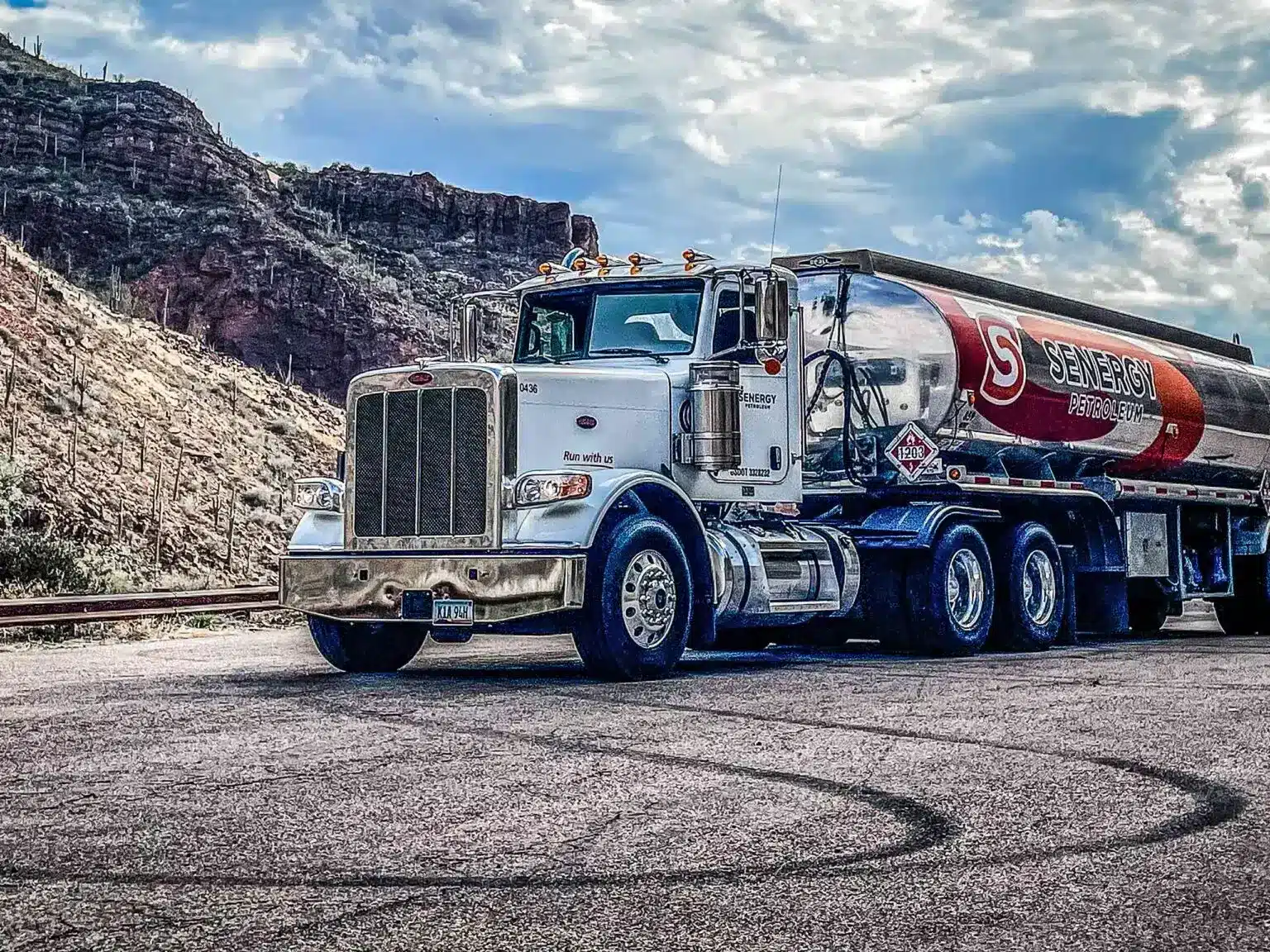
High temperatures create a different set of concerns. As oil becomes thinner, its protective film can become less effective, particularly when machinery is operating under heavy loads. High temperatures can also accelerate oxidation, which may reduce oil life and contribute to deposits, sludge, varnish, and other forms of degradation.
Grease can also be affected by heat. Higher temperatures may make grease softer and increase the possibility of oil separation or leakage. Prolonged exposure to high operating temperatures can reduce grease life and may require closer inspection or more frequent relubrication, depending on manufacturer recommendations.
These temperature effects are important for equipment working in states such as Texas, Arizona, Florida, and other areas that experience high summer temperatures. Construction machinery, trucks, agricultural machines, pumps, compressors, and manufacturing systems may also generate substantial internal heat, meaning the actual operating temperature can be much higher than the outdoor air temperature.
Seasonal Temperature Changes and Lubrication
Winter and summer usually create the most obvious challenges, but spring and fall should not be ignored. During these seasons, temperatures can change considerably between morning, afternoon, and nighttime. Machinery may therefore experience repeated changes in viscosity as it moves from cold startup conditions to normal operating temperatures.
These fluctuations make regular inspections valuable. Operators should watch for changes such as hard starting, unusual noise, increased vibration, overheating, leakage, or changes in grease condition. Such symptoms do not always mean the product is unsuitable, but they can indicate that the lubrication system needs attention.
Seasonal changes are also a useful reminder to review service intervals and storage conditions. Machinery that sits outside can experience much wider temperature variations than equipment kept indoors. Checking the expected minimum and maximum temperatures before a seasonal change can help prevent lubrication problems before they affect reliability.
Temperature Effects on Different Lubricant Types
Different lubricant types have different temperature requirements.
- Engine oil needs to flow during startup while continuing to protect components once the engine reaches its normal operating temperature.
- Hydraulic oil must maintain suitable flow and viscosity for pumps, valves, and other hydraulic components.
- Gear oil needs to maintain a protective lubricating film under varying loads, speeds, and operating temperatures.
- Grease has additional considerations because its consistency affects how it moves and stays in bearings. Cold temperatures can make grease too stiff to move properly, while excessive heat can make it softer and increase separation or leakage.
- Compressor oils and other specialty products also need to withstand the temperature conditions associated with their specific applications.
Because of these differences, temperature alone should not determine product selection. The manufacturer’s specification, operating temperature, load, speed, component type, and service environment should be considered together. A product suitable for one application may not be appropriate for another, even when both machines operate in the same climate.
Equipment Maintenance for Seasonal Conditions
Good equipment maintenance should account for seasonal temperature changes before they create operating problems. Before winter, inspect lubrication points, check for leaks, and confirm that the selected product is suitable for the lowest expected temperature. Before summer, inspect for signs of overheating, leaks, or grease separation, particularly on machinery that operates for long periods under heavy loads. Oil analysis may also help identify oxidation or other changes in lubricant condition.
Keeping records can also help identify gradual changes in machine behavior. Harder startups, unusual bearing noise, rising operating temperatures, increased vibration, or frequent grease leakage can provide useful warning signs. Monitoring these changes makes it easier to identify potential lubrication problems before they lead to component damage or unplanned downtime.
The best approach is not to change products simply because the calendar has changed. Instead, review the expected temperature range, application requirements, manufacturer recommendations, and actual operating conditions. Matching the correct viscosity and product specification to those conditions supports reliable operation throughout the year and helps maintain consistent lubricant performance.