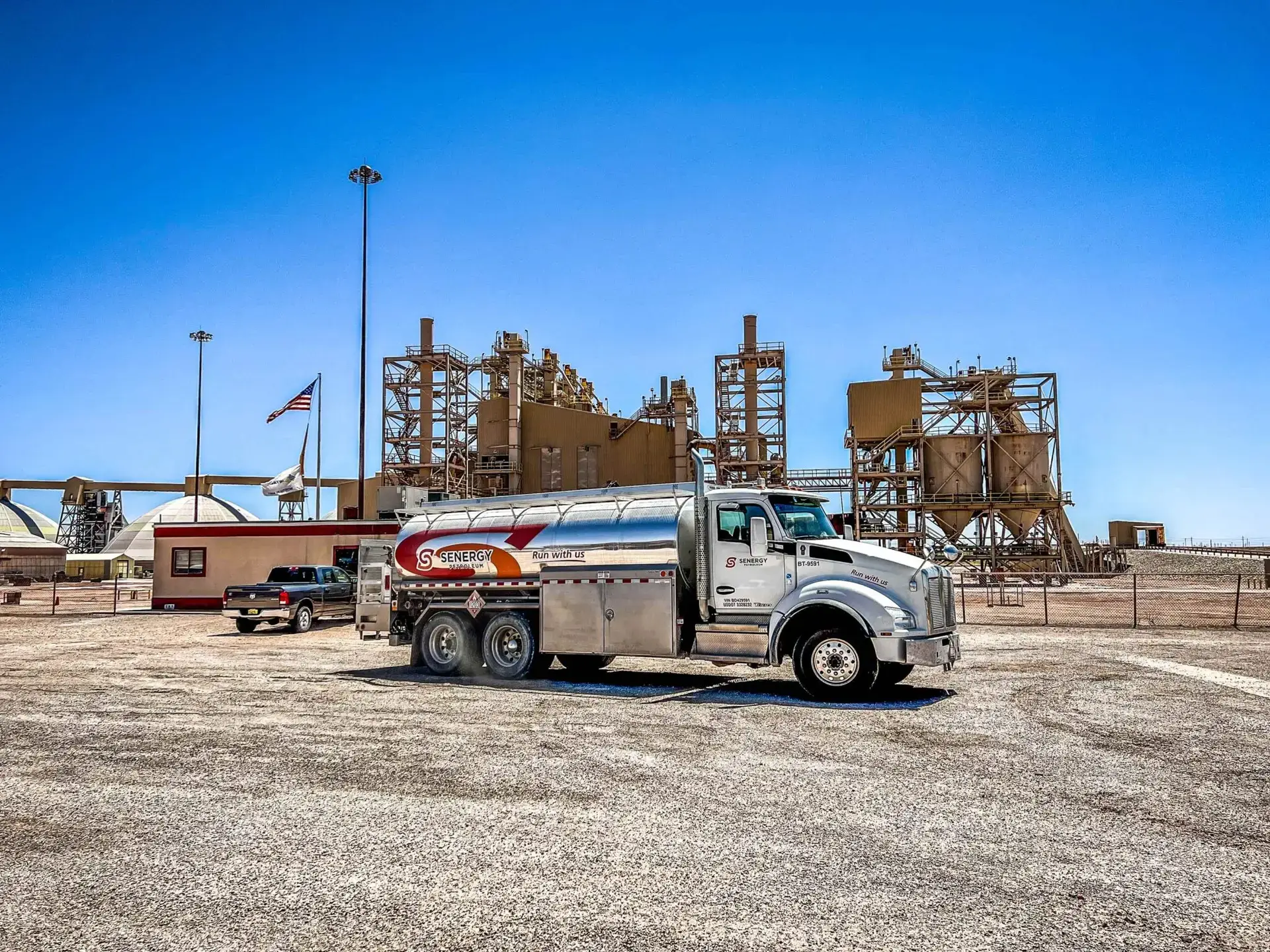
The Benefits of Scheduled Fuel Delivery for Businesses
Running a business that depends on fuel is about more than keeping vehicles and equipment moving. Whether you manage a construction site, manufacturing facility, logistics fleet, or agricultural operation, fuel availability directly affects productivity, project timelines, and operating costs. Unexpected shortages can delay work, reduce equipment availability, and create unnecessary expenses that impact your bottom line.
A well-planned scheduled fuel delivery program helps businesses avoid these disruptions by ensuring fuel arrives before inventory reaches a critical level. Instead of relying on emergency orders, organizations can maintain a consistent supply while improving planning, reducing downtime, and simplifying day-to-day operations. Combined with modern fuel monitoring technology and dependable commercial fuel services, scheduled deliveries support better decision-making across the entire operation.
Why Scheduled Fuel Deliveries Make Daily Operations More Efficient
Every productive workday starts with equipment that is ready to operate. Construction machinery, fleet vehicles, backup generators, forklifts, and service trucks all rely on a dependable fuel supply. Waiting until storage tanks are nearly empty often creates unnecessary pressure for operations teams and increases the risk of costly interruptions.
With scheduled fuel delivery, businesses establish regular delivery intervals based on fuel consumption, storage capacity, and operational demands. Instead of reacting to shortages, companies follow a proactive approach that keeps fuel inventory at healthy levels throughout the year. This consistency helps managers plan workloads more confidently while reducing unexpected delays caused by fuel-related issues.
Reducing Downtime Through Better Fuel Logistics
Equipment sitting idle because of fuel shortages can quickly become an expensive problem. Every hour of downtime affects labor efficiency, project schedules, customer satisfaction, and equipment utilization. These losses often exceed the actual cost of the fuel itself.
Effective fuel logistics ensures fuel reaches the right location at the right time. Modern suppliers use route optimization, dispatch software, GPS tracking, and delivery planning to improve scheduling accuracy while reducing transportation delays. Businesses benefit from dependable deliveries without having to manually monitor every storage tank.
Organizations that integrate tank monitoring systems with scheduled deliveries gain an additional advantage. IoT fuel sensors provide real-time inventory data, allowing suppliers to adjust delivery timing when consumption patterns change. This combination minimizes stockouts, improves business continuity, and reduces the likelihood of expensive emergency fuel purchases.
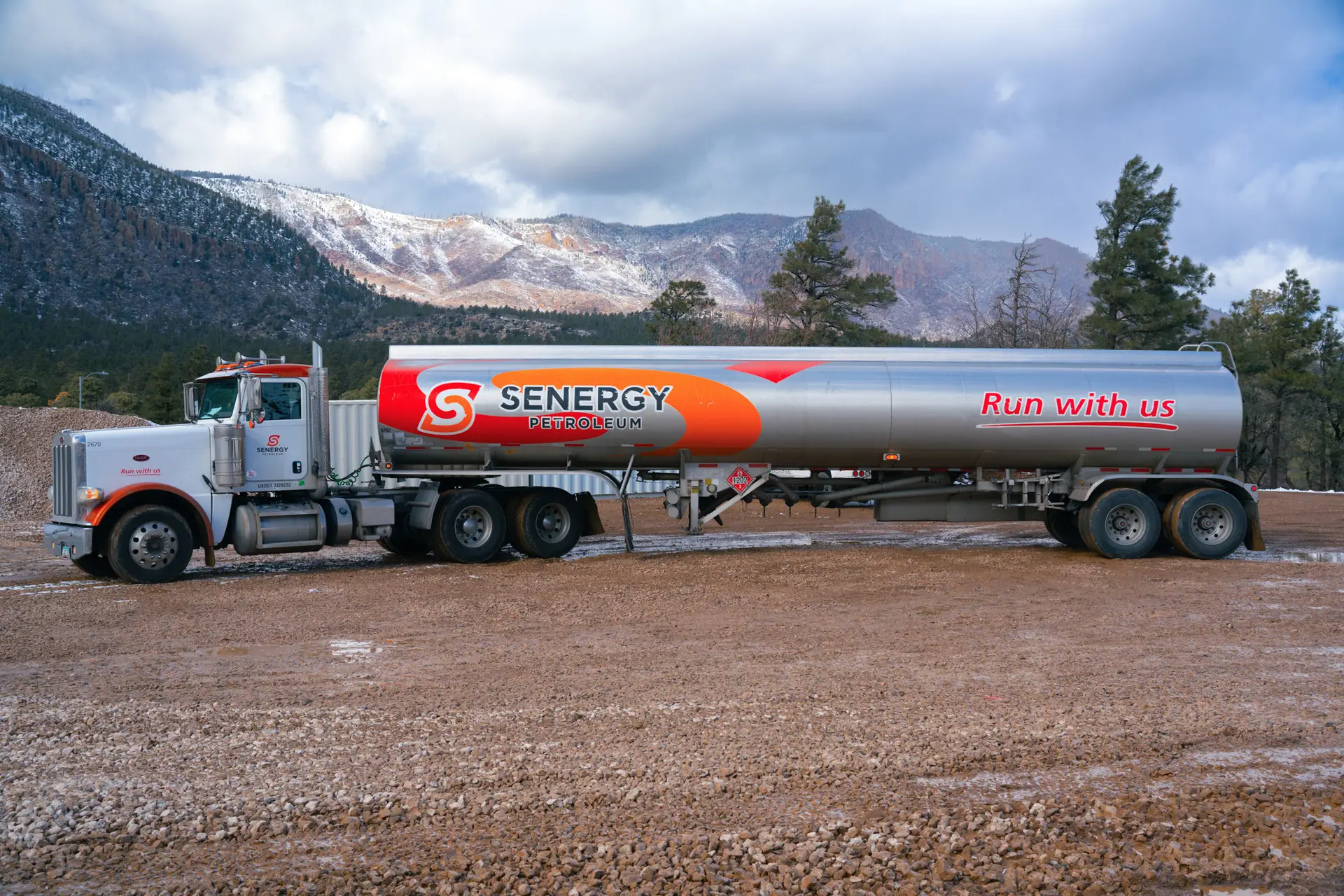

Better Fuel Inventory Management Leads to Lower Operating Costs
Managing fuel inventory is a balancing act. Overstocking increases storage costs and capital tied up in unused inventory, while understocking creates operational risks that may interrupt production or fleet operations.
Scheduled deliveries create a healthier inventory cycle by matching delivery frequency with actual fuel demand. Businesses can establish refill thresholds based on historical usage, seasonal demand, and equipment requirements. This approach supports better inventory control while reducing waste caused by unnecessary deliveries.
Companies also gain valuable operational insights through fuel analytics and reporting. Reviewing consumption trends helps identify inefficient equipment, unexpected fuel loss, or changing production needs. These insights allow managers to make informed purchasing decisions while improving cost reduction strategies across the organization.
Supporting Fleet Performance and Equipment Reliability
Commercial fleets operate on tight schedules where delays can affect customer commitments and transportation costs. Reliable fueling plays an important role in keeping vehicles available for daily operations without unnecessary interruptions.
Many organizations use on-site fueling, mobile fueling, or wet hosing as part of their commercial fuel services strategy. Instead of sending drivers to retail fuel stations, vehicles are fueled while parked, allowing employees to begin their routes immediately. This process saves labor hours and helps maximize fleet productivity.
Heavy equipment also benefits from dependable fuel scheduling. Excavators, cranes, tractors, haul trucks, generators, and other essential assets remain operational throughout the workday without unexpected refueling delays. Regular fuel availability supports preventive maintenance planning by reducing unnecessary equipment stress associated with inconsistent operating schedules.
Technology Is Transforming Modern Fuel Management
Technology has changed how businesses manage fuel across multiple locations. Advanced fuel management platforms combine telematics, ERP integration, dispatch software, and automated reporting into a single system that improves visibility throughout the fuel supply chain.
Tank monitoring systems continuously measure fuel levels and automatically generate alerts when inventory reaches preset refill thresholds. Combined with predictive maintenance data and historical consumption patterns, businesses can forecast future demand with greater accuracy instead of relying on manual inspections.
Automation also simplifies communication between suppliers and customers. Delivery schedules can be adjusted based on weather conditions, project timelines, or changing operational requirements. These improvements reduce administrative workload while making fuel procurement more efficient for businesses operating across multiple facilities.
Industries That Benefit Most From Scheduled Fuel Programs
Nearly every fuel-dependent industry can improve operational performance through scheduled deliveries. Construction companies rely on dependable fuel supplies to keep heavy equipment operating throughout long workdays. Manufacturing plants depend on uninterrupted fuel availability for generators, production support equipment, and facility operations.
Transportation companies use scheduled fueling to maintain delivery schedules while reducing driver downtime. Agricultural businesses benefit during planting and harvest seasons when tractors, irrigation pumps, and harvest equipment require continuous fuel availability. Mining operations also depend on reliable fuel distribution to support haul trucks, drilling rigs, and excavation equipment working in demanding environments.
Utility providers, municipalities, emergency service organizations, and warehouse operators also benefit from dependable delivery schedules. Regardless of industry, businesses that replace reactive ordering with structured fuel planning often experience improved productivity, stronger inventory management, and better resource utilization.
Choosing the Right Fuel Delivery Partner
Selecting a fuel supplier involves more than comparing prices. Businesses should evaluate delivery reliability, service coverage, emergency response capabilities, compliance standards, and the supplier’s ability to support long-term operational goals.
An experienced provider should offer flexible scheduling options, fuel monitoring support, transparent reporting, and scalable delivery programs that grow alongside your business. Providers with strong expertise in fuel logistics can also help optimize delivery routes, improve inventory planning, and reduce unnecessary transportation costs.
The most successful fuel management strategies combine dependable scheduling, modern technology, and responsive customer support. Businesses that invest in reliable fuel planning are better positioned to reduce downtime, improve productivity, strengthen business continuity, and maintain efficient operations throughout the year. As operational demands continue to grow, scheduled fuel programs remain one of the most practical ways to keep equipment running, projects on schedule, and teams focused on delivering results.