
How Partnering with the Right Fuel Supplier Improves Operations
Fuel supplier relationships have evolved beyond simple transactions to become strategic alliances, directly impacting operational efficiency, cost management, and business continuity. In industries such as transportation, construction, agriculture, and manufacturing, fuel is not merely a resource—it is a critical pillar of productivity. Companies that approach fuel procurement strategically consistently outperform those relying on ad hoc purchasing.
A strong partnership with a fuel supplier provides predictability in modern operations. Organizations gain access to customized solutions, reliable fuel supply, and actionable information that streamline consumption patterns. This approach allows companies to proactively plan operations rather than react to fuel shortages or price fluctuations.
Research and industry experience demonstrate that firms partnering with committed suppliers experience improved timelines, fewer operational disruptions, and greater accuracy in planning. Suppliers who understand operational cycles can anticipate demand peaks and ensure timely delivery, providing certainty and supporting uninterrupted productivity.
Maximizing Productivity with Commercial Fuel Services
One of the greatest advantages of utilizing commercial fuel services is the significant increase in operational efficiency. Businesses no longer need to dedicate time, manpower, or resources to manually manage fuel procurement. Fuel is delivered directly to work sites, vehicle fleets, or storage facilities, allowing teams to focus on core operations.
On-site fueling eliminates unnecessary travel to refueling stations, reducing downtime and increasing productivity. Equipment and employees remain operational, which is especially critical in time-sensitive industries. Studies indicate that direct fuel delivery minimizes interruptions and supports a steady workflow.
Commercial fuel suppliers also offer integrated services, including tank monitoring, automated scheduling, and usage tracking. These technologies provide real-time visibility into fuel consumption, enabling companies to identify inefficiencies and optimize usage. Over time, this results in better resource allocation and improved operational effectiveness.
Fuel Logistics: Ensuring Reliable Operations
Effective fuel logistics are critical to maintaining a smooth and reliable supply chain. Fuel is often required at multiple locations, including remote or hard-to-access sites. Without proper logistics, delays and disruptions can quickly translate into costly operational losses.
A dependable fuel supplier leverages advanced logistics solutions such as route optimization, inventory management, and contingency planning. These systems ensure that fuel is delivered to the right location at the right time, enabling shorter lead times, improved delivery accuracy, and enhanced operational coordination.
Suppliers with robust logistics networks can quickly respond to unforeseen challenges, including traffic congestion, adverse weather, or supply shortages. They can reroute deliveries and adjust schedules, maintaining operational continuity even under unexpected circumstances.
Controlling Fuel Costs with Industrial Fuel Delivery
Managing fuel expenses is a significant challenge for businesses, particularly in fuel-intensive industries. Industrial fuel delivery offers a practical solution, providing cost control and budget stability through bulk purchases and long-term contracts.
Purchasing fuel in large quantities allows companies to take advantage of wholesale pricing, which is substantially lower than retail rates. This reduces overall fuel costs and supports profitability. Many suppliers also offer fixed-price contracts, protecting businesses from market fluctuations and price volatility.
Costs are further optimized through scheduled deliveries, as emergency purchases often carry higher expenses. Companies can plan fuel usage efficiently, avoiding unforeseen costs and enabling more predictable financial planning and budgeting.

Reducing Downtime with Reliable Fuel Supply
One of the greatest threats to operational efficiency is downtime. Fuel shortages, delayed deliveries, or inefficient fueling processes can lead to lost revenue and missed opportunities. A strong partnership with a fuel supplier helps mitigate these risks by ensuring a consistent and reliable fuel supply.
Scheduled deliveries combined with real-time monitoring enable businesses to maintain optimal fuel levels at all times. This reduces the risk of unexpected shortages that can disrupt operations. Industries that rely on continuous workflows benefit significantly from dependable fuel supply, where even minor delays can result in substantial financial impact.
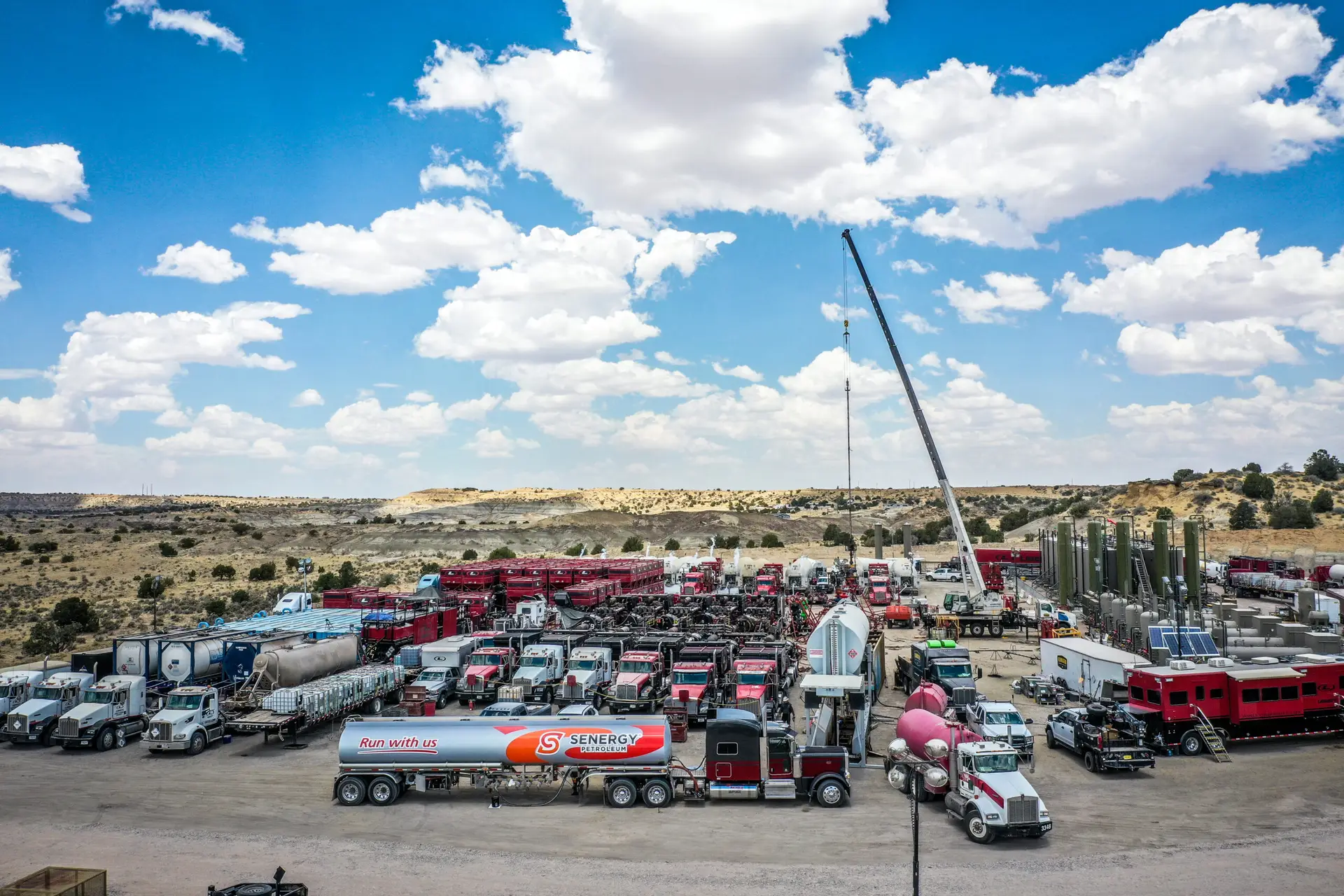
On-site fueling further minimizes downtime by allowing equipment and vehicles to remain operational during refueling. Fuel is delivered directly to the worksite, eliminating interruptions and supporting continuous productivity—an essential advantage for large-scale, time-sensitive projects.
Optimizing Operations with Fuel Management Technology
Modern fuel suppliers offer advanced management tools that provide valuable insight into fuel usage and performance. These tools are a core component of commercial fuel services, enabling businesses to make informed, data-driven decisions.
Fuel monitoring systems track consumption in real time, allowing organizations to identify patterns and inefficiencies. This data can be used to optimize fuel usage, improve efficiency, and reduce unnecessary costs. It also helps detect issues such as fuel loss or underperforming equipment, which can significantly impact overall operations.
Detailed reporting and analytics provide a comprehensive view of fuel activity. Businesses can analyze trends, forecast demand, and adjust strategies accordingly. This level of visibility is essential for maintaining cost control and improving operational performance.
Automation further enhances efficiency by streamlining ordering, scheduling, and inventory management processes. By reducing manual tasks and minimizing the risk of errors, businesses can maintain more consistent and reliable fuel operations.
Growing Business Scalability
As businesses grow, fuel needs evolve. A reliable supplier provides the scalability and flexibility required to support changing demands without disruption.
Customized solutions—such as adjustable delivery schedules, expanded service locations, and flexible fuel volumes—allow operations to adapt seamlessly. Scalable fuel services also reduce the need for significant capital investment in additional infrastructure, enabling businesses to focus on growth and innovation.
With the support of a trusted fuel partner, organizations can respond quickly to market changes and scale operations efficiently.