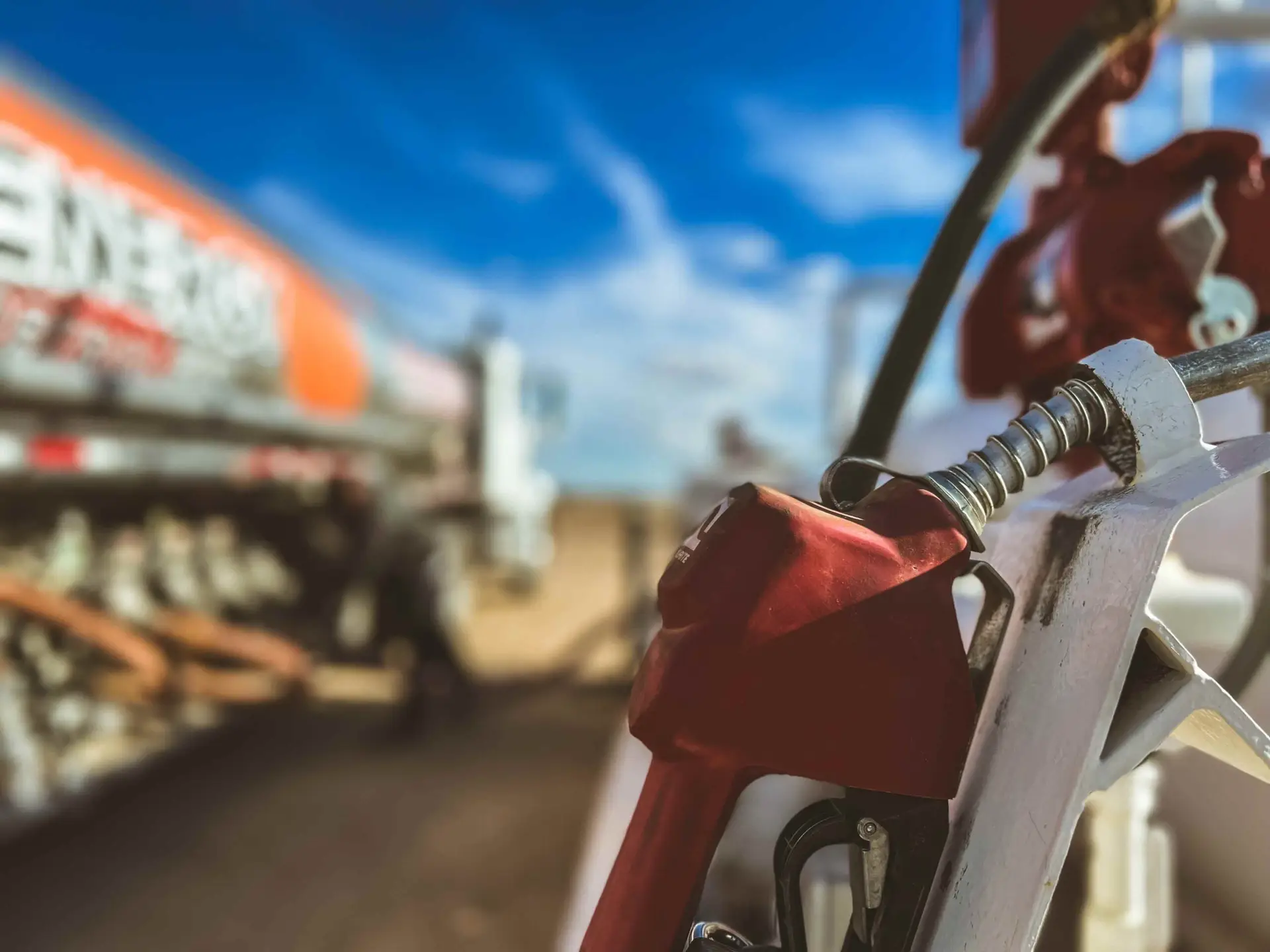
How Onsite Fueling Reduces Downtime During the Busy Farming Season
Farming depends on timing. During planting and harvest, equipment may operate for long hours while farmers work around changing weather and field conditions. Tractors, combines, sprayers, irrigation pumps, grain carts, and farm trucks all need a dependable fuel supply to keep work moving.
A fuel shortage at the wrong time can quickly become a bigger operational problem. When equipment has to leave the field for refueling, operators lose valuable working time and other tasks may have to wait. Onsite fueling provides a practical way to bring fuel closer to the equipment, helping farms reduce unnecessary trips and keep critical machinery available during the busiest parts of the season. Farm Fueling can make this process more convenient by bringing fuel directly to the farm or equipment location.
Overview
- Busy planting and harvest seasons can significantly increase farm fuel demand.
- Onsite fueling brings fuel closer to tractors, combines, generators, and other equipment.
- Fewer trips to fueling stations can reduce lost labor and equipment time.
- Fuel planning and tank monitoring help prevent unexpected fuel shortages.
- Scheduled Farm Fueling and Agricultural Fuel Delivery can help keep farming operations running smoothly.
- A reliable fueling routine allows farmers to spend more time on fieldwork and less time managing fuel runs.
Why Fuel Demand Increases During the Busy Farming Season
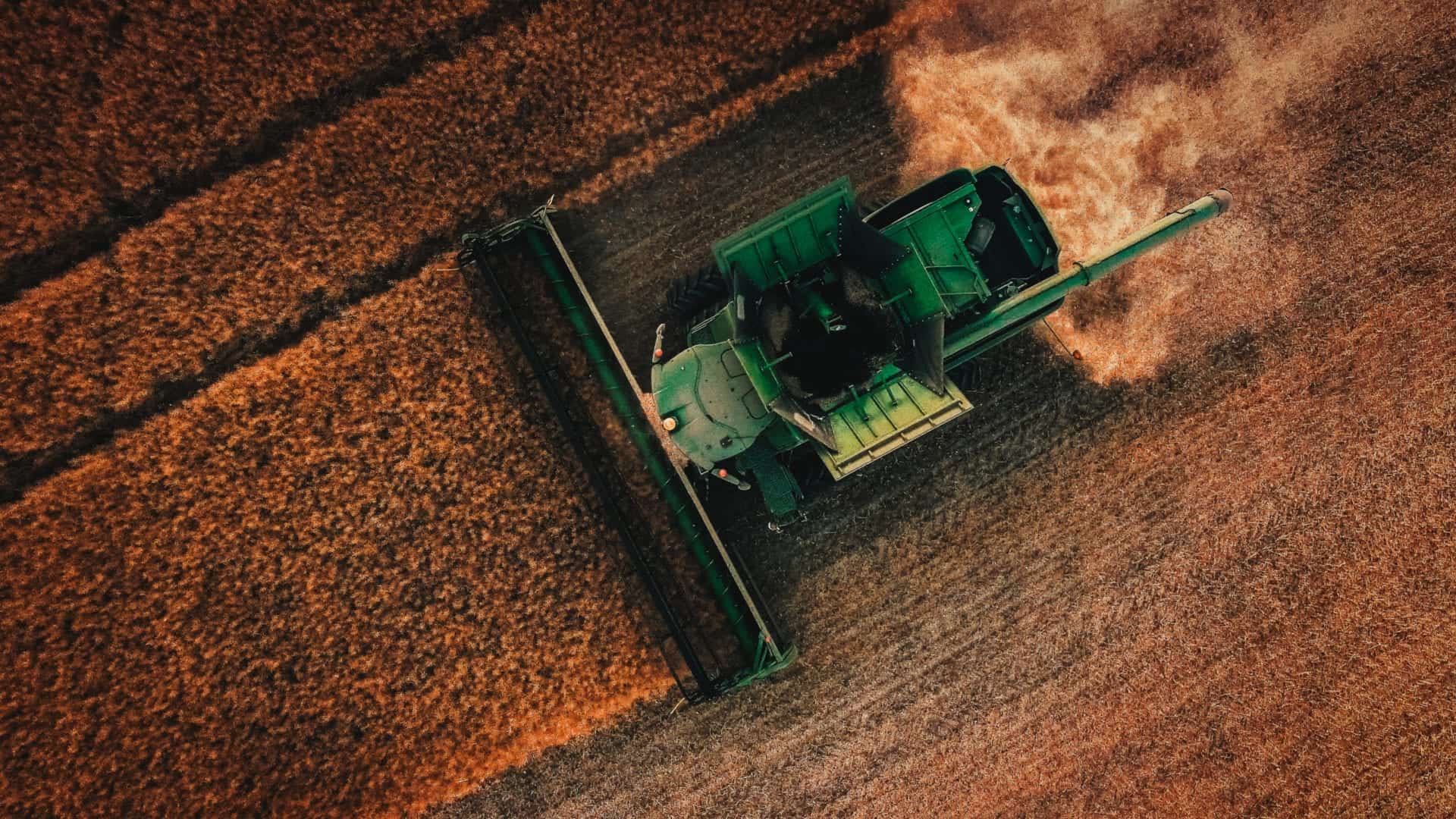
Planting and harvest are among the most demanding periods of the farming year. Equipment often runs for extended hours, which increases diesel consumption. Several machines may also be operating at the same time, creating greater demand for fuel across the farm.
The challenge is not only having enough fuel in storage. Farmers also need to make sure fuel is available at the right place and at the right time. If a tractor runs low while working in a remote field, someone may need to stop the job and make a separate trip to obtain fuel. That delay can affect the rest of the day’s schedule, particularly when weather creates a limited window for completing fieldwork.
Planning Agricultural Fuel Delivery around expected consumption can help reduce these interruptions. Instead of waiting until fuel levels become critically low, farms can arrange deliveries based on equipment use, storage capacity, and seasonal demand.
How Onsite Fueling Keeps Equipment in the Field
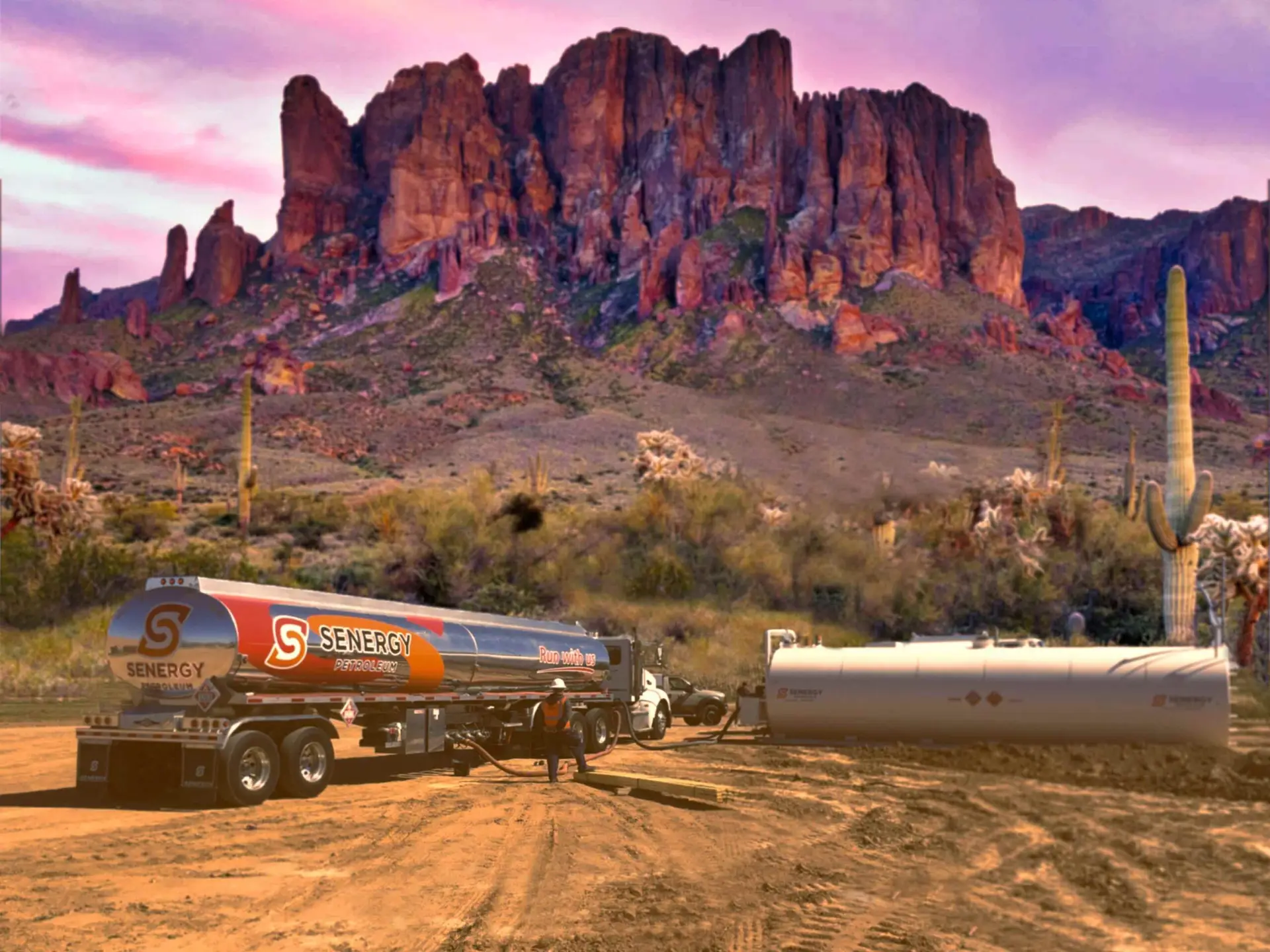
Onsite fueling brings fuel directly to the farm, equipment yard, storage tank, or designated work area. Depending on the service arrangement, fuel can be delivered into a bulk storage tank or supplied directly to equipment.
This can be useful for tractors, combines, generators, irrigation pumps, farm trucks, and other equipment that may be difficult or inefficient to move to a public fueling station. Direct fueling also reduces the need for operators to leave their work area simply to obtain diesel.
For larger farms, the benefit can be even more noticeable. Equipment may be spread across several fields, making traditional refueling trips time-consuming. Having fuel delivered closer to where machinery is operating can help reduce travel and keep equipment available for the work it was assigned to perform. Farm Fueling can therefore become part of a broader strategy for keeping equipment ready during demanding periods.
Reducing Lost Time and Labor
Refueling involves more than the time spent filling a tank. An employee may need to drive to a fueling location, wait, purchase fuel, and return to the farm or field. During a busy planting or harvest schedule, those minutes can add up quickly.
Onsite fueling reduces the need for many of these trips. Farm employees can remain focused on fieldwork, equipment operation, crop handling, transportation, or other responsibilities. This can be particularly valuable when several machines are operating simultaneously and labor needs to be used efficiently.
Scheduling deliveries around the farm’s operating hours can make the process even easier. Fuel can be delivered before equipment begins work, during planned breaks, or after the day’s operations. This helps make refueling part of the regular schedule instead of an unexpected interruption.
Planning Fuel Before the Tank Gets Low
A reliable fuel plan starts before demand reaches its peak. Farmers can review previous fuel consumption, equipment operating hours, tank capacity, and expected seasonal workloads to estimate how much fuel will be needed.
Setting a practical reorder point is also important. Waiting until a tank is nearly empty can leave little room for unexpected increases in consumption or delivery delays. Maintaining an appropriate reserve gives farm operators more flexibility when equipment runs longer than expected.
Tank monitoring can make this process easier. Monitoring systems can provide information about current fuel levels and help identify when another delivery may be needed. Some fuel suppliers also offer scheduled or automatic replenishment, allowing Agricultural Fuel Delivery to be planned around actual fuel usage rather than last-minute requests.
Good fuel planning is especially important when multiple tractors, combines, trucks, generators, or irrigation systems are operating at the same time. Looking at total consumption across the farm provides a clearer picture of when storage needs to be replenished.
Supporting Different Types of Farm Equipment
Modern farms rely on many types of equipment, and each can contribute to overall fuel demand. Tractors may spend long hours pulling planters, seeders, tillage equipment, or trailers. Combines can operate continuously during harvest, while trucks move crops and supplies between fields and storage locations.
Other equipment can also require a dependable fuel supply. Irrigation pumps, generators, grain dryers, loaders, and other machinery may operate for extended periods depending on the operation and season.
Onsite fueling can help support these different needs by bringing fuel closer to where equipment operates. This can be particularly useful for farms with large properties or remote fields where traveling to a retail fueling station would take significant time.
Farm operators should also consider delivery access when planning their fueling setup. Storage tanks and fueling locations should be positioned where delivery vehicles can safely reach them, while farms should follow applicable requirements for fuel storage, handling, and environmental protection.
Building a More Reliable Fueling Routine
A dependable fueling routine combines delivery planning, storage management, equipment usage, and regular monitoring. Before planting or harvest begins, farmers can review expected workloads, check available storage, estimate fuel consumption, and establish a delivery schedule.
Choosing the right fuel supplier is another important part of the process. Factors such as delivery coverage, scheduling flexibility, fuel availability, emergency service, and the ability to deliver to farms or remote work areas can affect the reliability of a fueling program.
Farm Fueling can be especially useful when it is planned around the actual operating schedule rather than handled only when fuel becomes scarce. Likewise, Agricultural Fuel Delivery can help farms maintain a steady supply without requiring employees to make repeated trips away from their primary responsibilities.
Onsite fueling cannot prevent every cause of farm downtime. Mechanical problems, weather, maintenance, and other operational issues can still affect productivity. However, reducing avoidable fuel-related interruptions can make daily operations more predictable.
During planting and harvest, every productive hour matters. Bringing fuel closer to the equipment that needs it can reduce unnecessary travel, limit interruptions, and help keep tractors, combines, trucks, and other essential machinery ready for work. With proper planning and reliable delivery, farms can spend less time managing fuel runs and more time getting the season’s work done.