
How Onsite Fuel Delivery Improves Farm Efficiency
Farming is a time-sensitive business. From preparing fields and planting crops to irrigation and harvesting, farm equipment needs to be available when the work needs to get done. A tractor that stops for fuel or an employee who has to make an unexpected trip to a fuel station can interrupt the day’s schedule and take valuable time away from farm operations.
For many agricultural operations, having fuel delivered directly to the property can make refueling easier to manage. Onsite fuel delivery allows farms to maintain a reliable supply of fuel where it is needed, whether that means filling a storage tank or fueling equipment at the farm. With better planning, farmers can spend less time handling fuel logistics and more time focused on their core operations.
Overview
- Fewer fueling interruptions: Fuel delivered directly to the farm can reduce trips for refueling and help keep fuel available for tractors, combines, and other equipment.
- Time savings: Onsite delivery can reduce trips to fuel stations and the time workers spend obtaining fuel.
- Better fuel availability: Scheduled deliveries help maintain an adequate fuel supply during busy periods.
- Supports planting and harvest: Reliable fuel access is especially useful during peak farming seasons.
- Improved fuel management: Tank monitoring and usage records provide better visibility into fuel inventory.
- Better cost control: Planned purchasing and efficient fuel management can help farms manage operating expenses.
- More efficient operations: Combining storage, delivery planning, and monitoring creates a more organized fueling process.
What Is Onsite Fuel Delivery?
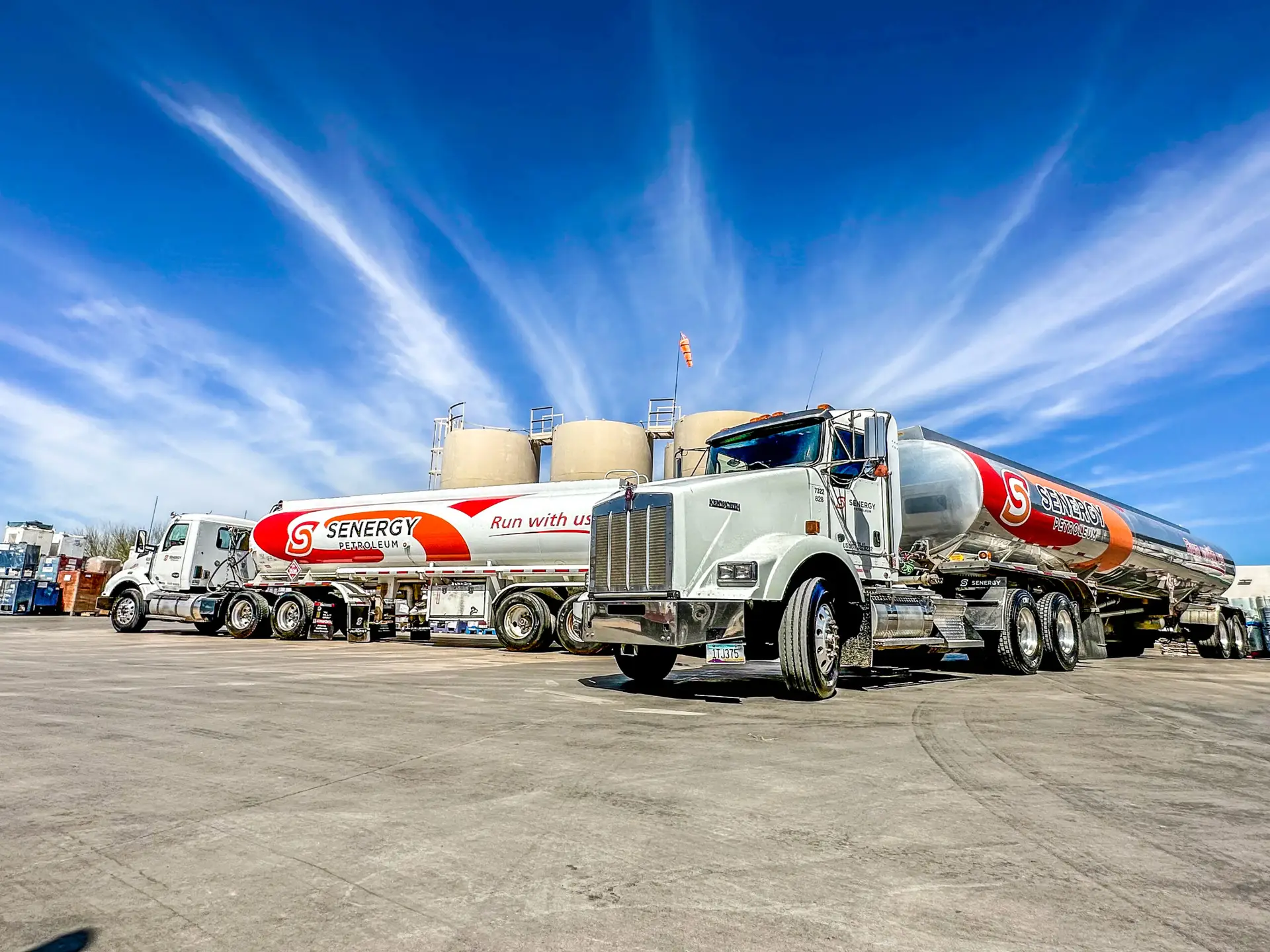
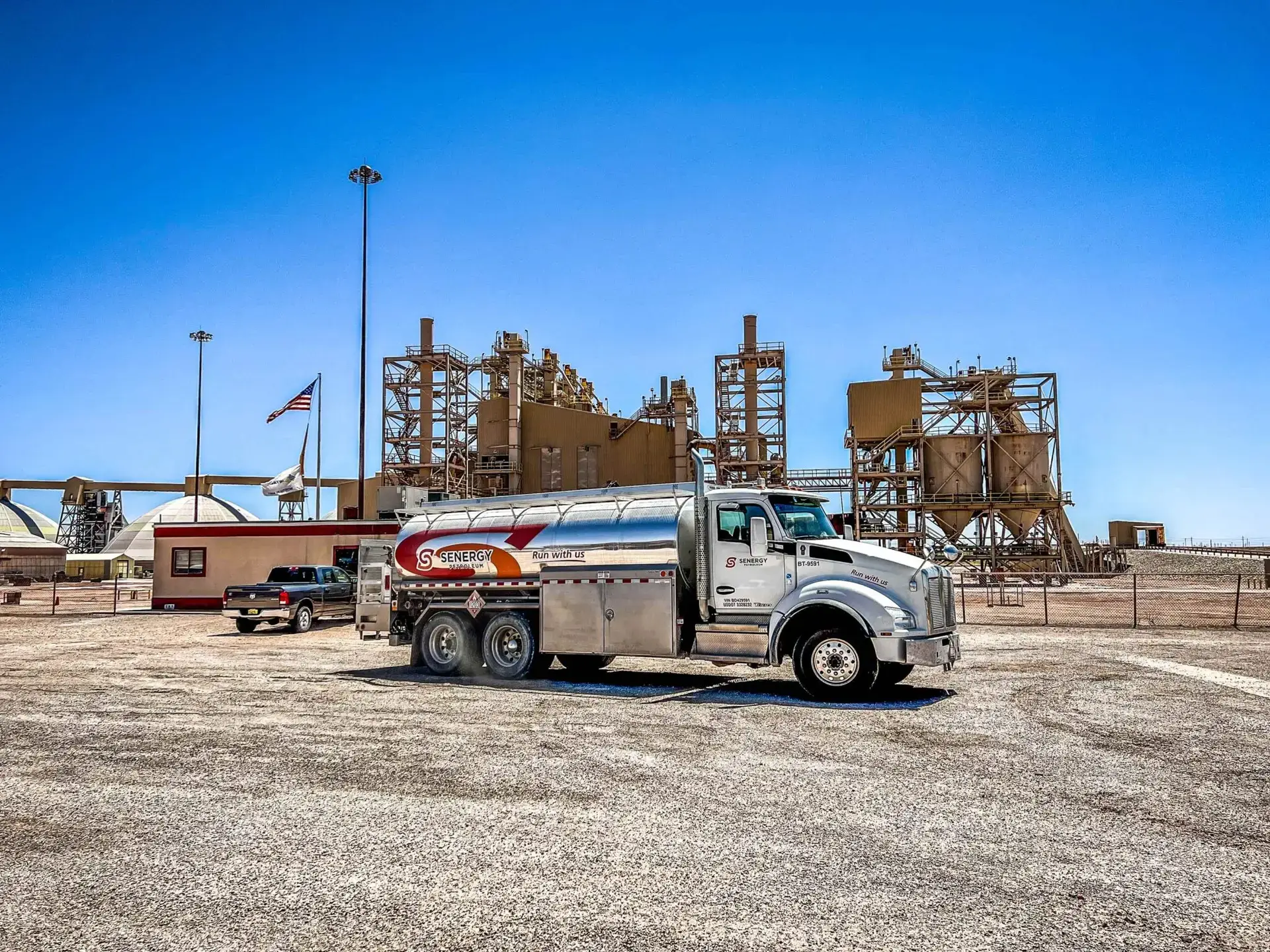
Onsite fuel delivery is a service that brings fuel directly to a farm, equipment yard, storage tank, or other designated location. Depending on the supplier and the farm’s setup, fuel may be delivered into a bulk storage tank or pumped directly into tractors, combines, generators, irrigation equipment, farm trucks, and other machinery.
This approach can be useful for both smaller farms and larger agricultural operations. Instead of sending workers or vehicles to a fuel station whenever equipment needs fuel, a farm can arrange deliveries according to its normal consumption and operating schedule. This can make fuel availability easier to plan, particularly during periods of high demand.
Farm Fuel Delivery can also be combined with storage tanks, fuel pumps, tank gauges, and monitoring systems. Together, these tools provide a more organized way to manage fuel inventory and keep equipment supplied throughout the farming season.
How Onsite Fueling Reduces Downtime
Time spent traveling to purchase fuel can add up quickly. Farms may cover large areas, and the closest fuel station may be several miles from the equipment yard or fields. A trip that seems minor can add labor time, vehicle mileage, and time away from other farm responsibilities.
Having fuel delivered to the property reduces the need for many of these trips. Equipment can be refueled at the farm, while employees can remain focused on fieldwork, equipment maintenance, crop handling, or other responsibilities. For operations using several machines, avoiding repeated fueling trips can make daily scheduling easier.
Reducing fuel-related downtime is particularly useful during planting and harvest. These periods can depend heavily on weather and field conditions, leaving farmers with limited windows to complete important work. Keeping fuel available can help reduce fueling-related interruptions when those planting or harvest windows open.
Keeping Tractors and Farm Equipment Ready
Tractors and combines are not the only machines that depend on a steady fuel supply. Sprayers, balers, loaders, generators, irrigation pumps, grain dryers, farm trucks, and other powered equipment can all contribute to an operation’s overall fuel demand.
A well-planned fueling system helps farmers keep these machines ready for use. This starts with knowing how much fuel the operation normally consumes and how quickly its storage inventory changes. Delivery schedules can then be planned around equipment usage rather than waiting until fuel levels become critically low.
Storage also plays an important role. Farms may use aboveground storage tanks, transfer tanks, dispensing pumps, and other equipment to keep fuel available. The appropriate setup depends on fuel consumption, available space, equipment requirements, and applicable storage and safety requirements.
The goal is not simply to store as much fuel as possible. A practical system balances fuel availability with storage capacity, consumption patterns, delivery schedules, and seasonal demand.
Planning for Planting and Harvest Season
Fuel requirements can change throughout the year. Planting and harvest can place heavy demands on tractors, combines, trucks, and other machinery. Equipment may operate for longer hours, increasing fuel consumption and making reliable supply planning more important.
Farmers can prepare for these periods by reviewing previous fuel usage and estimating how much fuel their equipment will require. Factors such as acreage, crop type, equipment fleet, expected operating hours, and weather conditions can all affect demand.
Scheduled deliveries can help maintain inventory before peak activity begins. This can reduce the chance of discovering that a tank is low when several machines are already needed in the field.
Flexibility also matters. Weather can delay fieldwork and then create a sudden need to operate equipment for extended hours. A fueling plan that allows for additional deliveries can help farms adjust to these changes without disrupting the entire work schedule.
Improving Fuel Management and Cost Control
Fuel is a significant operating expense for many farms, making inventory management an important part of controlling costs. Simply knowing that a tank contains fuel is not enough. Farmers can benefit from understanding how quickly fuel is being consumed, when deliveries are needed, and how usage changes throughout the season.
Where compatible systems are available, tank gauges and remote monitoring can provide greater visibility into fuel levels. Instead of relying solely on manual checks, farmers may be able to monitor inventory and plan deliveries before supplies become too low.
Fuel records can provide additional insight. Tracking deliveries and consumption can help identify normal usage patterns and unexpected changes. It can also make it easier to maintain accurate records for farm management and budgeting.
For farms with suitable storage capacity and consistent fuel requirements, Bulk Fuel Delivery may provide another purchasing option. Pricing depends on factors such as market conditions, order volume, supplier terms, and delivery arrangements, so farms should consider the full cost rather than focusing only on the price per gallon.
Making Fuel Management Part of Farm Operations
Fuel management works best when it is treated as part of the broader farm operation. Equipment schedules, storage capacity, fuel consumption, maintenance, and seasonal demand are closely connected.
For example, a farm can coordinate fuel deliveries with planting and harvest schedules while using tank monitoring to keep track of inventory. This gives managers better visibility into when additional fuel may be required and can reduce the need for last-minute fueling trips.
Different farms will have different requirements. A grain operation may experience high fuel consumption during planting and harvest, while a livestock operation may have a steadier need for tractors, generators, and farm vehicles. Orchards, vegetable farms, and specialty crop operations may have different equipment and scheduling requirements as well.
The basic principle remains the same: fuel needs to be available when and where equipment needs it. By reducing unnecessary travel, limiting fueling-related interruptions, improving inventory visibility, and planning around seasonal demand, onsite fueling can support a more organized and efficient fueling process.
