How On-Site Fueling Helps Reduce Industrial Downtime
Keeping industrial operations running smoothly requires more than having the right equipment and workforce. Fuel must also be available when and where it is needed. When trucks, generators, excavators, loaders, forklifts, or other equipment run low on fuel, even a routine refueling stop can interrupt the day’s work.
For many businesses, sending employees to a fuel station takes valuable time away from their regular responsibilities. The trip, waiting time, fueling, and return journey can turn a simple fuel stop into a significant interruption, especially when equipment operates far from public fueling stations. On-site fueling offers a practical alternative by bringing fuel directly to the workplace, yard, or job site.
Overview
- On-site fueling brings fuel directly to equipment and job sites.
- It helps reduce downtime caused by fuel station trips and delays.
- Scheduled fueling keeps heavy equipment and fleets ready for work.
- Tank monitoring helps prevent unexpected fuel shortages.
- Industrial fuel delivery can improve productivity and fuel management.
Why Fueling Can Become a Source of Downtime
Fueling is often treated as a small part of daily operations, but repeated fuel runs can quickly add up. A driver may need to leave a construction site, travel to a nearby station, wait for an available pump, refuel, and drive back. During that time, the driver is not delivering materials, operating equipment, or completing other productive work.
The impact becomes more noticeable when a company manages a large fleet or operates several pieces of heavy equipment. A few minutes lost by one vehicle may not seem significant, but repeated delays across dozens of vehicles and multiple workdays can add up to substantial lost productive time. Planning fuel deliveries around operating schedules can help companies reduce downtime and keep work moving.
The problem can be even harder to manage at remote locations. Construction projects, farms, mining operations, utility work, and industrial facilities may be located miles from convenient fueling stations. Bringing fuel directly to these locations helps employees spend more time on the work they were hired to perform.
How On-Site Fueling Keeps Equipment Ready
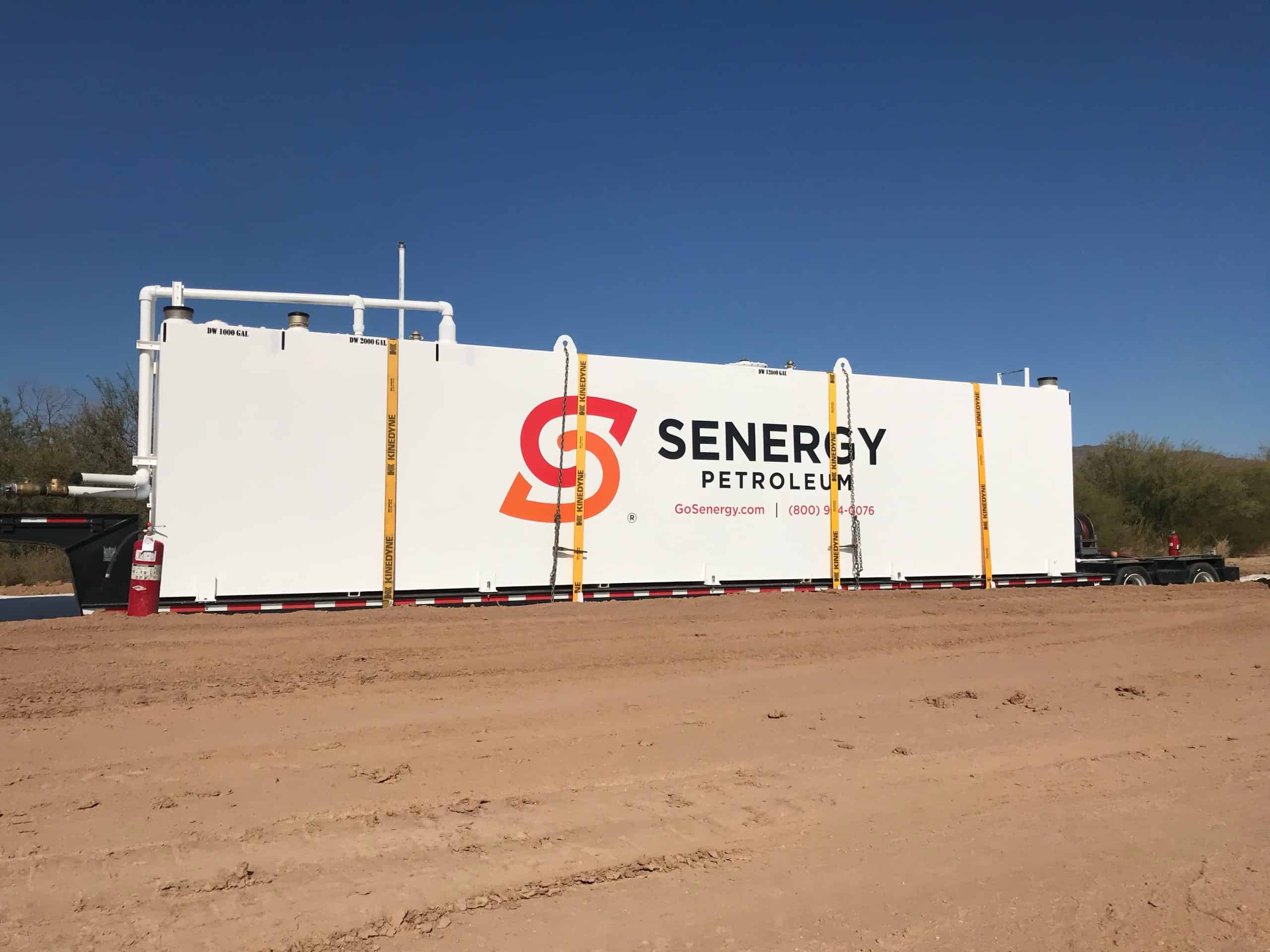
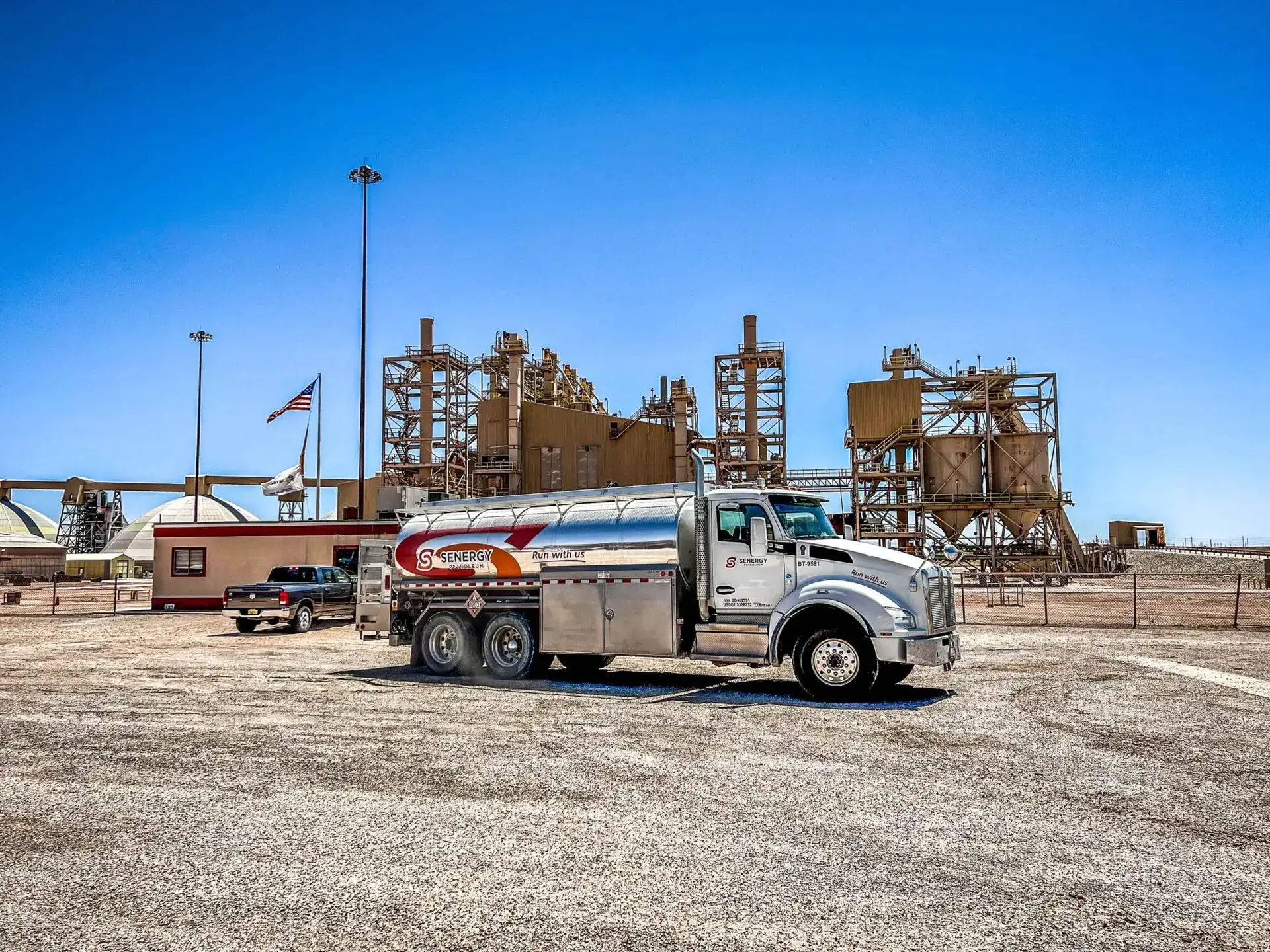
One of the main advantages of on-site fueling is convenience. Instead of moving equipment to a fuel station, a mobile fuel truck can come directly to the equipment. Fuel can be delivered to trucks, generators, excavators, loaders, cranes, compressors, and other machinery while they remain at the site.
Businesses can also plan deliveries around their normal schedules. When delivery schedules and site access allow, fueling can take place overnight, before a shift begins, or during periods when equipment is already idle. This allows workers to start the day with fueled equipment rather than stopping work later to deal with an empty tank.
This approach can be especially useful for businesses that operate long shifts. Construction crews, transportation companies, warehouses, agricultural operations, and industrial facilities may have little room in their schedules for unnecessary fuel runs. A planned delivery schedule can help keep equipment available and reduce downtime throughout the workday.
How Fuel Delivery Can Improve Productivity and Control Costs
Reducing unnecessary travel can also improve labor productivity. Employees who spend less time driving to fuel stations have more time available for their primary responsibilities. Drivers can stay on their routes, equipment operators can remain on the job, and supervisors spend less time dealing with routine fueling arrangements.
There can also be financial benefits. Fueling trips may involve labor costs, vehicle mileage, idle time, and overtime when delays affect the rest of a schedule. For a busy operation, these indirect expenses can be harder to see than the price paid for fuel itself.
A planned fueling program can make these costs easier to manage. Businesses can organize deliveries according to fuel consumption, fleet size, operating hours, and job-site requirements. Tank monitoring can help businesses keep track of fuel levels and plan deliveries before supplies become critically low. Regular deliveries can also reduce the chance of waiting until tanks are nearly empty before arranging a refill.
Fuel Management Helps Prevent Unexpected Interruptions
Having fuel delivered is only part of an effective fueling strategy. Businesses also need to know how much fuel they have, how quickly it is being used, and when another delivery will be required.
Fuel monitoring and inventory tracking can help managers keep an eye on consumption. Some operations use tank monitoring, digital records, metering, or fuel management systems to track deliveries and usage. These tools can provide useful information for budgeting, job costing, and identifying unusual consumption.
Scheduled deliveries can also reduce the risk of fuel shortages. Instead of relying on someone to notice that a tank is almost empty, a business can establish a regular delivery routine based on actual consumption.
This becomes particularly important for generators and other equipment that support critical operations. A backup generator may sit unused for long periods but become essential during a power outage. Having a dependable fuel supply can help businesses prepare for unexpected events and maintain continuity when normal operations are disrupted.
Where On-Site Fueling Can Make the Biggest Difference
The value of mobile fueling varies from one operation to another, but it can be particularly useful for businesses that operate large fleets, heavy machinery, or equipment in remote locations. Construction companies can fuel excavators, bulldozers, cranes, loaders, light towers, and trucks directly at their job sites.
Transportation and logistics companies can fuel commercial vehicles at their yards or facilities, reducing unnecessary trips to retail stations. Agriculture businesses can keep tractors and farm equipment fueled without sending operators away from the property. Manufacturing plants, warehouses, utilities, mining operations, and oil and gas companies may also benefit from having fuel delivered closer to their equipment.
Fuel requirements can vary as well. Depending on the operation, businesses may need diesel, gasoline, off-road diesel, renewable diesel, and related products such as diesel exhaust fluid (DEF). Some may also use bulk tanks or portable fuel storage for locations where permanent fueling infrastructure is not practical.
The common factor is simple: the harder it is for equipment to reach a fuel source, the more valuable a convenient delivery program can become.
Building a More Efficient Fueling Routine
A good fueling plan begins by looking at the operation as a whole. Businesses should consider how often employees leave the site for fuel, how far they travel, how many vehicles or machines require fuel, and when equipment is normally available for refueling.
From there, companies can determine whether scheduled deliveries, mobile fleet fueling, bulk fuel storage, or a combination of services fits their needs. Tank monitoring can provide another layer of visibility by helping managers understand fuel levels and prepare for upcoming deliveries. Safety should also be part of the decision, including proper fuel handling, storage, spill prevention, and environmental practices.
The goal is not simply to make fueling more convenient. It is to make it less disruptive to the work being done. When fuel arrives at the right place and at the right time, employees can spend more time working and equipment can spend more time producing.
For companies looking at industrial fuel delivery, the biggest benefit may be the productive time that it protects. By reducing unnecessary fuel trips, improving fuel availability, and planning deliveries around operating schedules, businesses can create a more dependable routine and help keep their operations moving.