
How On-Site Fueling Improves Productivity for Manufacturing Facilities
On-site fueling has become one of the most effective ways for manufacturing facilities to increase productivity without major capital investment. Rather than viewing fuel as a simple operational expense, leading plants now recognize it as a critical driver of consistent uptime. When fuel is delivered directly to equipment, fleets, and backup systems, the small disruptions that slow production begin to disappear. Interruptions in supply are eliminated, unexpected shortages are avoided, and equipment no longer sits idle waiting for diesel to arrive.
In today’s manufacturing landscape, where every minute matters, a dependable on-site fueling program strengthens workflow efficiency, enhances team coordination, and stabilizes production schedules. Direct fuel delivery transforms from a reactive necessity into a strategic operational advantage, supporting everything from forklifts and yard trucks to boilers and essential backup generators.
How On-Site Fueling Drives Reliable Manufacturing Uptime
Traditionally, manufacturing teams have treated fuel management as a secondary responsibility. When a machine runs low, someone checks the tanks, places a delivery request, and operations shift to accommodate the delay. This reactive approach leads to hidden inefficiencies: employees wait, maintenance teams juggle priorities, and supervisors redirect attention from production goals to fuel concerns.
On-site fueling changes the way manufacturing operations handle fuel. With scheduled industrial fuel delivery, supply is aligned with production needs rather than dictating them. Deliveries can be coordinated with shift changes, maintenance windows, or planned downtime. Operators stay at their stations, and managers gain visibility instead of relying on assumptions about fuel levels.
This shifts fuel from a recurring challenge to a reliable operational asset. Production teams stay focused, supervisors plan with precision, and facilities gain confidence knowing fuel is always ready when needed. Over time, fewer interruptions and reduced last-minute adjustments create a more disciplined, predictable production environment—an essential foundation for every manufacturing facility.
How On-Site Fuel Delivery Removes Invisible Productivity Losses
Manufacturing managers often track major downtime events but overlook the small, recurring delays that quietly reduce daily productivity. A forklift rerouted to a distant fuel station, a truck idling while sharing a tank, or maintenance teams pausing operations to locate backup generators during an electrical dip—these minor interruptions rarely appear in reports, yet they create meaningful losses over time.
On-site fueling directly addresses these hidden inefficiencies. By bringing fuel to the point of use, equipment can be replenished during natural pauses in the workday, such as lunch breaks, shift transitions, or short maintenance intervals. Operators remain on the production floor rather than travelling to centralized fueling areas.
This simple operational shift delivers a significant impact. Yard movement becomes more efficient. Material flow improves. Equipment idle time decreases. Over hundreds of cycles each week, the saved minutes accumulate into hours of regained productivity. With on-site fueling, manufacturing facilities remove invisible bottlenecks and maintain a consistent production pace.
Streamlining Material Handling With Mobile On-Site Fueling
Material handling is one of the most time-sensitive and labor-intensive components of manufacturing. Forklifts, pallet movers, loaders, yard spotters, and internal transport vehicles directly influence the speed and continuity of production. When this equipment is pulled away from its work areas to refuel, it creates a dual inefficiency—machines spend less time operating, and operators lose productive time in transit.
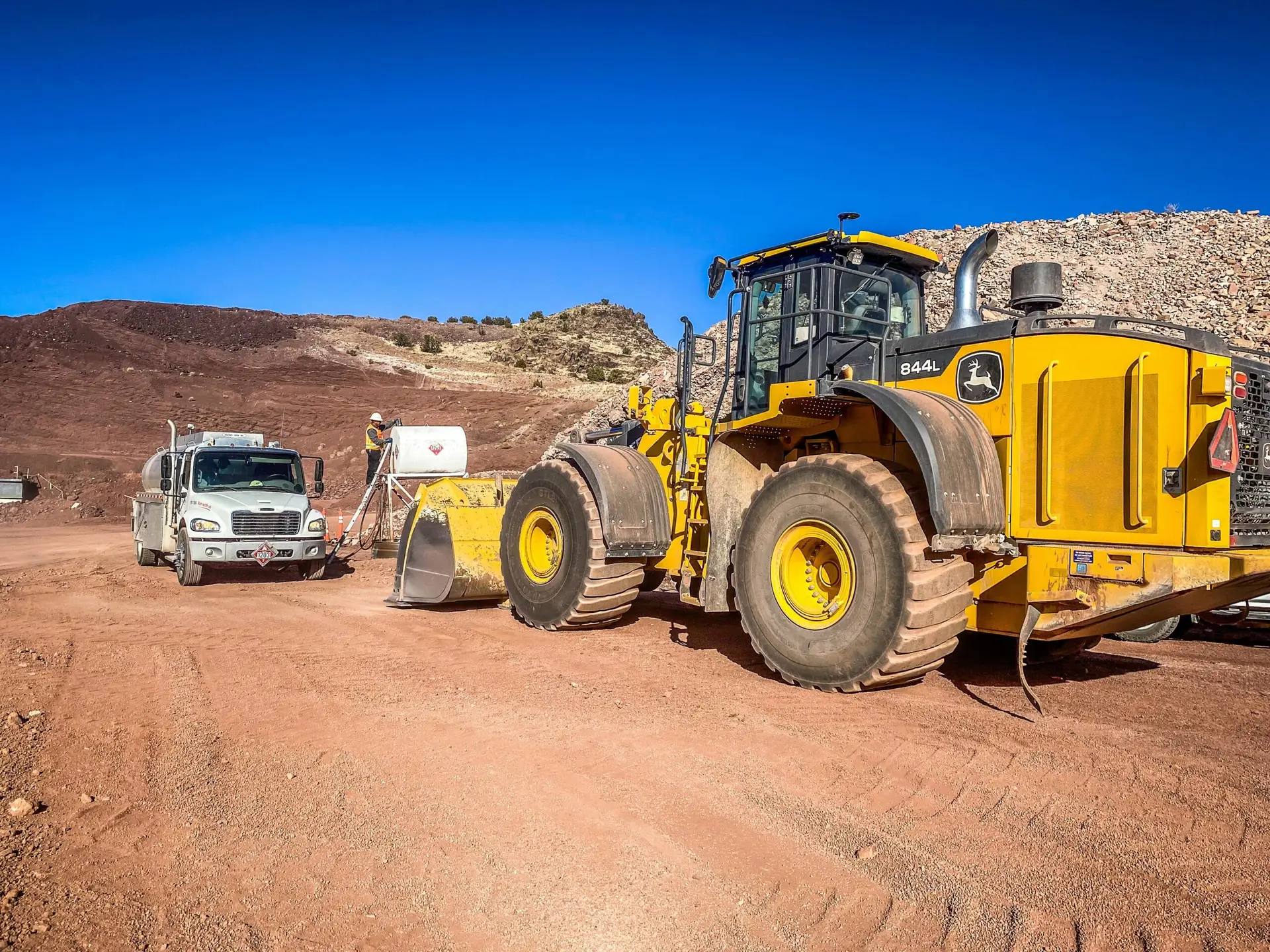
Mobile industrial fuel delivery eliminates this challenge. Instead of equipment moving to the fuel, the fuel is brought directly to the equipment. Mobile fueling units move through staging zones and outdoor yards during off-peak periods, refilling tanks where the machines are parked. This minimizes congestion around centralized fuel stations and keeps operations flowing smoothly.
The result is improved material movement, fewer bottlenecks, and shorter cycle times. Yard operations become more predictable, and equipment allocation is easier because managers know machines will not lose productivity to unexpected fuel shortages. When material handling becomes more streamlined, the entire manufacturing process—from inbound raw materials to outbound finished products—benefits.
Strengthening Backup Power Reliability With On-Site Fueling
Power backup systems play a critical role in manufacturing facilities. Even a brief interruption in the power supply can disrupt production lines, affect sensitive systems, or interfere with essential plant functions. Diesel-powered generators provide the security needed to keep operations stable during outages, but this requires reliable, high-quality fuel.
On-site fueling ensures generator diesel remains available, protected, and properly maintained. Without scheduled service and delivery, fuel can degrade through sediment buildup or moisture issues, reducing generator performance when it is needed most. A structured fueling plan keeps tanks filled to the appropriate levels, maintains fuel integrity, and ensures reserves are ready for immediate use.
For manufacturing operations that depend on backup power, dependable fueling is a direct investment in uptime. When generators perform reliably, essential systems such as PLCs, compressors, chillers, security alarms, HVAC systems, and production equipment stay operational. This minimizes production losses, reduces downtime costs, and helps facilities meet customer commitments even during unexpected power disruptions.
Enhancing Fueling Safety and Compliance With On-Site Delivery
Manufacturing facilities operate under strict safety and compliance standards. Improvised fueling methods—such as jerry cans, unsecured tanks, or rushed transfers—can lead to contamination issues, spills, and compliance challenges that disrupt operations.
On-site fueling replaces these risks with professional-grade procedures. Highly trained specialists manage all fuel transfers using approved equipment, proper protective measures, and controlled processes. Each delivery follows a consistent workflow with precise documentation and full traceability of every gallon.
Fuel quality also benefits from professional oversight. Fueling teams inspect for contaminants, verify that tanks remain clean, and treat diesel when necessary. This helps protect equipment from issues such as injector malfunctions, clogged filters, and avoidable performance problems.
By adopting on-site fueling, safety teams gain confidence knowing their fueling operations align with regulatory requirements and reduce the likelihood of noncompliance. Clear documentation and standardized procedures also support smoother interactions with auditors, thanks to reliable logs and verified safety practices.
How Modern Fuel Technology Improves Uptime and Visibility
Modern fueling solutions have advanced far beyond traditional delivery methods. Many industrial fueling programs now integrate fuel management technology such as remote tank monitoring, automated alerts, and real-time consumption tracking.
With these tools, fuel becomes a measurable and easily managed operational asset. Plant managers can see fuel levels across generators, storage tanks, and mobile equipment instantly. Consumption data helps identify abnormal usage patterns or potential inefficiencies, while automated alerts notify teams when tanks run low and can even trigger scheduled deliveries.
These capabilities support greater uptime by preventing unexpected shortages and allowing fueling to be coordinated around peak production periods. Data-driven insights also help right-size tanks, reduce excess inventory, and improve forecasting and budgeting accuracy.
With digital monitoring in place, fuel shifts from an unpredictable expense to a transparent, controlled operational metric.
The Clear Value of On-Site Fueling
On-site fueling delivers measurable ROI quickly, even for businesses that initially see it as an added service. Eliminating off-site refueling reduces idle time, decreases equipment travel, and lowers operator labor costs.
With consistent scheduling and accurate planning, manufacturers avoid waste, prevent shortages, and maintain optimal fuel inventory. Reliable generator fueling further protects production—preventing a single major outage can offset months of fueling expenses.
Across equipment performance, operational efficiency, labor productivity, and production stability, the value of on-site fueling is both immediate and long-lasting.
