
How On-Site Fuel Delivery Reduces Downtime and Improves Efficiency
Fuel plays an important role in keeping businesses running. Trucks, heavy equipment, generators, agricultural machinery, and other fuel-powered assets all depend on a steady supply to stay productive. When fuel is not available at the right time, even a short interruption can slow down work and affect the rest of the day’s schedule.
For many businesses, getting fuel still means sending a driver or employee to a fuel station. That trip takes time, adds mileage, and takes people away from their regular responsibilities. On-Site Fuel Delivery offers a simpler approach by bringing fuel directly to the location where it is needed, helping businesses keep their vehicles and equipment ready for work.
Overview
- On-site fueling brings fuel directly to vehicles, equipment, and business locations.
- It can reduce unnecessary trips to fuel stations and help limit fueling-related interruptions.
- Scheduled deliveries can help reduce the risk of fuel shortages and fuel-related interruptions.
- Better fuel planning can reduce wasted travel, labor time, and operating costs.
- Digital records and fuel tracking can make fuel management easier and more organized.
- The approach can benefit construction, transportation, agriculture, logistics, manufacturing, and other fuel-dependent businesses.
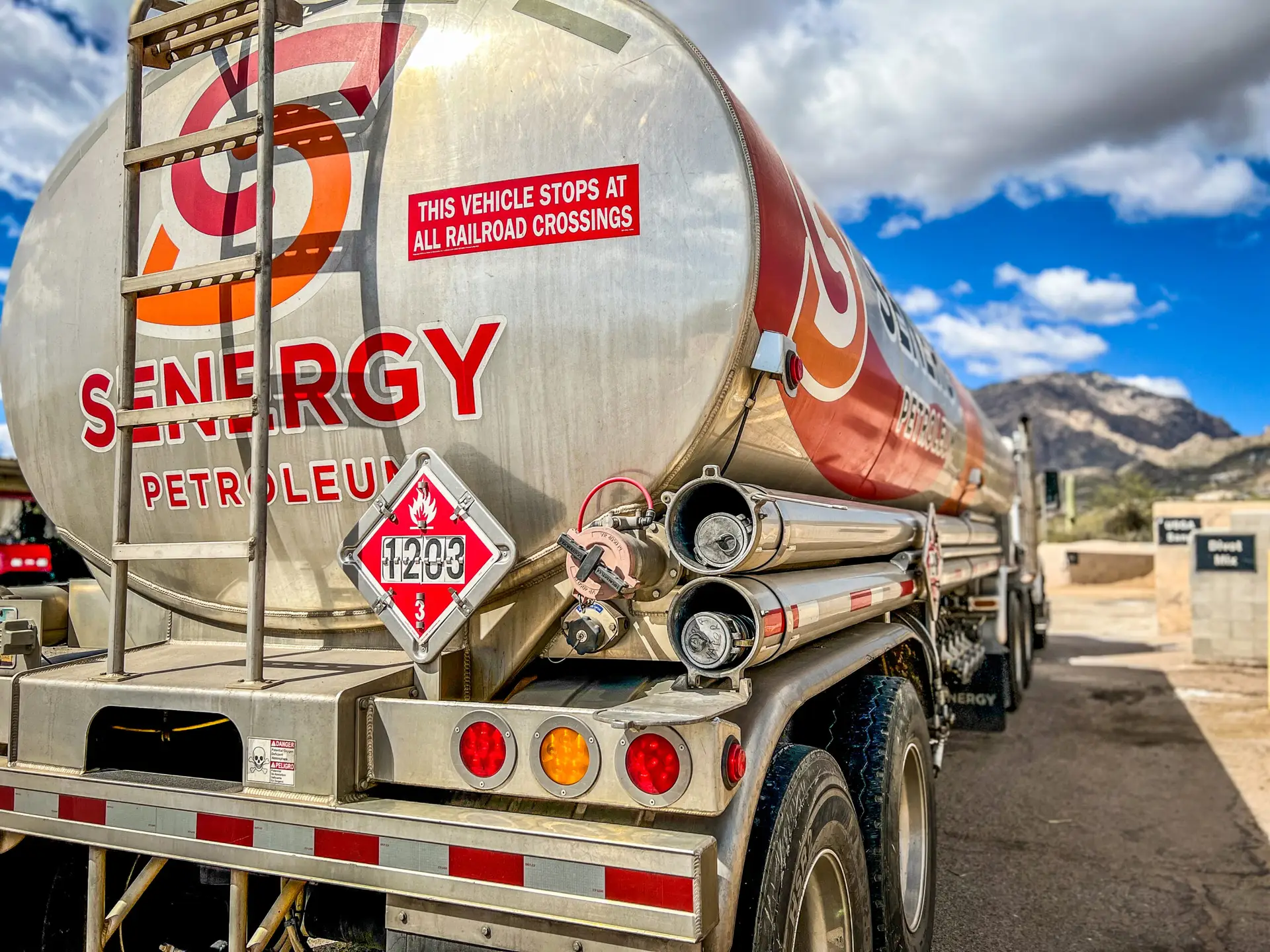
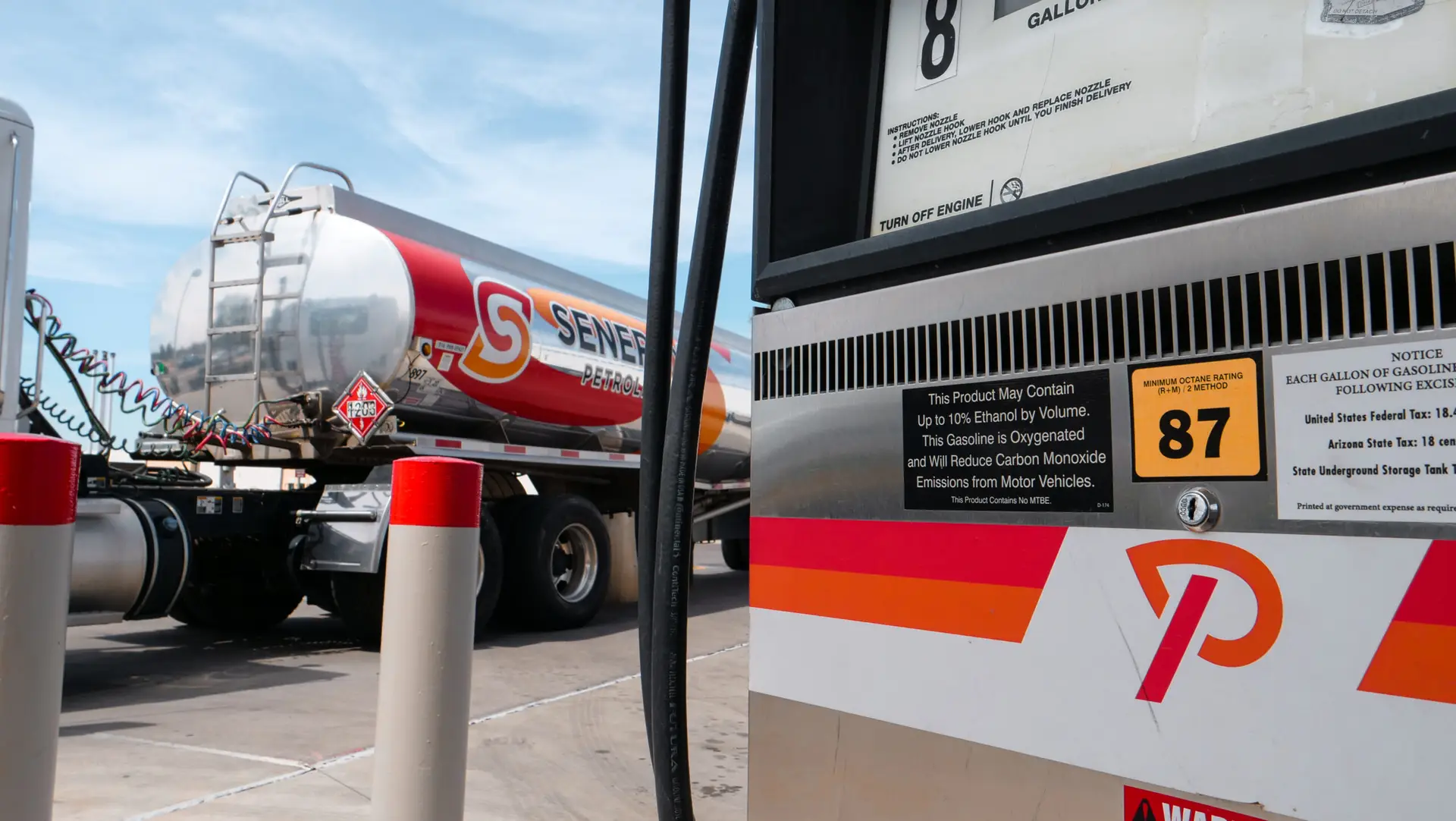
How On-Site Fuel Delivery Works
The concept is simple. A fuel supplier brings the required fuel directly to a business location, fleet yard, job site, equipment area, or storage tank. Depending on the company’s needs, deliveries can be scheduled on a regular basis or arranged when additional fuel is required.
This gives businesses more control over when and where fueling takes place. Vehicles can be fueled while they are parked, equipment can be refueled at the worksite, and generators can receive fuel without being transported to another location. For companies with several fuel-consuming assets, one scheduled delivery can take care of multiple fueling requirements.
The approach can be useful across many industries. Construction companies can use it for heavy machinery, transportation businesses can fuel fleet vehicles, and agricultural operations can keep tractors and other equipment supplied. Warehouses, manufacturing facilities, landscaping companies, and businesses that rely on backup generators can also arrange deliveries based on their operating needs.
Reducing Downtime and Unnecessary Travel
Fueling can become a source of downtime when employees or equipment have to leave their normal work area to reach a fuel station. A trip that seems minor can involve driving time, waiting, refueling, and returning to the site. When this happens repeatedly, those lost minutes can turn into several hours over the course of a week or month.
Direct fuel delivery helps reduce these unnecessary trips. Instead of moving equipment or sending vehicles away from the workplace, fuel comes directly to them. This can be particularly useful for large machinery that is difficult to move or for remote locations where the nearest fuel station may be several miles away.
Planning also helps prevent unexpected shortages. A business can set up recurring deliveries based on fuel consumption and operating schedules. Keeping tanks at an appropriate level reduces the risk of equipment stopping because it has run out of fuel and gives managers more time to respond when demand increases.
For businesses that operate long hours or manage several locations, this type of planning can make daily operations easier. Fueling becomes a scheduled activity rather than an interruption that has to be dealt with whenever a tank becomes low.
Improving Fuel Efficiency and Operational Performance
Fuel Efficiency is usually discussed in terms of how much fuel a vehicle or machine uses during operation. However, efficiency also involves how fuel is obtained and managed. Unnecessary trips to a fuel station consume additional fuel and add mileage that does not directly contribute to productive work.
Delivering fuel directly to the workplace can reduce some of this unnecessary travel. A truck can remain at its assigned location instead of making a separate trip to refuel, while heavy equipment can be fueled at or near the job site instead of being moved to an off-site fueling location. This allows businesses to make better use of their vehicles, equipment, and employees.
Fuel delivery can also be planned around actual consumption. Businesses with predictable fuel requirements can arrange recurring deliveries instead of waiting until supplies are nearly exhausted. This makes it easier to maintain a steady supply and avoid last-minute arrangements.
The goal is not necessarily to reduce the amount of fuel every machine consumes. Instead, better fueling practices help reduce waste associated with travel, delays, and poorly planned deliveries while making the overall process more organized.
Saving Employee Time and Supporting Productivity
Employee time is one of the costs that can easily be overlooked when evaluating a fueling process. A driver who spends part of the workday traveling to a fuel station is temporarily unavailable for deliveries, service calls, or other responsibilities. Equipment operators can face the same issue when machinery needs to be taken elsewhere for fuel.
Direct delivery can reduce the time employees spend traveling off-site specifically to obtain fuel. This can be especially helpful for companies managing several vehicles or pieces of equipment because multiple assets can often be fueled during the same delivery.
The benefit goes beyond saving a few minutes here and there. Repeated fueling trips can create scheduling problems, especially when several vehicles need fuel during busy periods. A planned delivery schedule gives managers greater control over when fueling takes place and allows it to be coordinated with shifts, equipment use, maintenance, or other planned activities.
For businesses in construction, logistics, Transportation, agriculture, and other fuel-dependent industries, reducing fueling-related interruptions can support daily productivity.
Better Fuel Management and Visibility
Keeping enough fuel available is only one part of effective fuel management. Businesses also need to understand how much fuel they use, when they use it, and which vehicles or assets consume the most.
Accurate delivery records can make this easier. Depending on the supplier and service, businesses may have access to information such as delivery dates, fuel quantities, fuel types, and delivery locations. These records can help managers track consumption and plan future deliveries.
Depending on the provider and fueling program, businesses may have access to tools such as digital delivery records, fuel meters, tank monitoring, and reporting systems. GPS and telematics data may also be available through separate fleet-management systems. These features can provide a clearer view of fuel activity and help businesses identify changes in normal consumption.
Better visibility can support purchasing and scheduling decisions as well. If a business understands how quickly its fuel supply is being used, it can plan deliveries before levels become critical. This can give businesses more time to schedule deliveries before inventory reaches a critical level.
Who Can Benefit From On-Site Fuel Delivery?
On-site fueling can be useful for many businesses that regularly operate fuel-powered vehicles, equipment, or generators and have a suitable location for fuel delivery. The exact benefits depend on the size of the operation, location, fuel consumption, and type of assets being managed.
Construction companies may use fuel delivery for excavators, loaders, dozers, dump trucks, generators, and other heavy equipment. Transportation and logistics companies can arrange fueling for commercial trucks and fleet vehicles at their yards. Agricultural businesses can receive fuel for tractors and machinery without moving equipment away from the farm.
The same concept can work for manufacturing facilities, warehouses, landscaping companies, municipalities, property management operations, and facilities that rely on backup generators. Businesses operating in remote locations can also benefit when access to traditional fuel stations is limited.
For companies with multiple vehicles or equipment units, scheduled deliveries can simplify the entire fueling process. Instead of handling fuel requirements individually, managers can organize deliveries around the needs of the operation.
Making Fueling Part of a Smarter Routine
Fueling is a necessary part of daily business operations, but it should not regularly become a reason for employees or equipment to stop working. Repeated trips to fuel stations can add travel time, mileage, labor costs, and interruptions to an already busy schedule.
On-Site Fuel Delivery provides a practical way to bring fuel closer to the vehicles and equipment that depend on it. By arranging deliveries around operating hours and consumption patterns, businesses can reduce unnecessary travel and maintain a more reliable fuel supply.
The best approach will vary from one business to another. Some may need regular scheduled deliveries, while others may benefit from occasional deliveries or access to emergency delivery when available. The important part is understanding current fuel usage, identifying where time is being lost, and choosing a delivery schedule that fits the operation.
When fuel is available where and when it is needed, businesses can reduce time spent making fueling trips and make fuel availability easier to manage. Over time, a well-planned fueling routine can support smoother operations, reduce fueling-related interruptions, and make more efficient use of employee and equipment time.
