How Oil Analysis Helps Reduce Unplanned Downtime
Many equipment failures develop over time and produce warning signs before a major breakdown occurs. In most cases, machines provide subtle clues long before a major breakdown occurs. The challenge is recognizing those warning signs early enough to take action. This is where oil analysis services become an essential part of a modern maintenance strategy. Rather than waiting for a machine to fail, maintenance teams can monitor lubricant condition and detect signs of certain internal component problems before they interrupt production.
Across manufacturing plants, mining sites, construction projects, agricultural operations, and transportation fleets throughout the United States, organizations are placing greater emphasis on preventive maintenance practices that reduce costly interruptions. By incorporating oil testing into routine equipment maintenance, companies gain valuable insights into machine health, allowing them to schedule repairs during planned service windows instead of reacting to unexpected failures. The result is improved reliability, longer equipment life, and measurable reductions in downtime while avoiding unnecessary maintenance expenses.
Why Oil Analysis Plays a Critical Role in Equipment Reliability
Lubricating oil does far more than reduce friction between moving parts. Depending on the application, it can help transfer heat, protect against corrosion, control deposits, and carry contaminants to filters or sampling points. As oil circulates through engines, hydraulic systems, pumps, compressors, bearings, gearboxes, and turbines, it collects microscopic particles that reveal what is happening inside the equipment.
Laboratory testing may evaluate viscosity, oxidation, contamination, additive condition, wear metals, and overall lubricant condition. Changes in elements such as iron, copper, aluminum, chromium, lead, or silicon may indicate abnormal wear, contamination, or changes in the lubricant. Accurate interpretation requires knowledge of the equipment’s metallurgy, lubricant formulation, operating conditions, and historical trends. Detecting these changes early allows maintenance professionals to investigate the source before the issue develops into a catastrophic failure. This proactive approach makes oil analysis services one of the most dependable tools available for improving machine reliability while supporting effective equipment maintenance planning.
How Oil Analysis Detects Problems Before Equipment Fails
One of the greatest advantages of oil analysis is its ability to identify developing issues that cannot be seen during routine inspections. Laboratory testing can reveal water contamination, dust ingress, fuel dilution, coolant leaks, soot buildup, oxidation, nitration, and debris long before operators notice unusual machine performance. These contaminants gradually reduce lubricant effectiveness, increase wear, and shorten component life if they remain untreated.
Advanced testing methods such as spectrometric analysis, ICP analysis, FTIR analysis, ferrography, particle count testing, TAN, TBN, Karl Fischer water testing, and wear debris analysis provide detailed information about lubricant condition and machine health. Instead of relying on assumptions, maintenance teams receive measurable data that supports informed decisions. This data-driven process helps prevent unexpected shutdowns while contributing directly to long-term downtime reduction and improved operational efficiency.

The Business Value of Oil Analysis for Maintenance Programs
Equipment failures affect more than repair budgets. A single unplanned outage may delay production schedules, increase labor costs, disrupt customer deliveries, and reduce overall productivity. Replacing major components such as engines, hydraulic pumps, transmissions, or final drives is significantly more expensive than correcting a developing issue identified through routine oil sampling.
Organizations that include oil testing in their equipment maintenance strategy often experience improved equipment availability, longer service intervals, lower repair costs, and better return on investment. Maintenance managers also gain more confidence when planning shutdowns because decisions are based on actual machine condition rather than fixed maintenance schedules. These improvements contribute directly to sustainable downtime reduction, stronger asset performance, and lower total cost of ownership across the equipment fleet.
Best Practices for Collecting Accurate Oil Samples
Even the most advanced laboratory cannot produce reliable results from a poor-quality sample. Consistency is one of the most important factors in successful oil analysis. Samples should always be collected from the same location while equipment is operating under normal temperature and load conditions. Using clean containers and proper sampling procedures minimizes the risk of introducing outside contaminants that could affect laboratory findings.
Sampling frequency should also reflect equipment criticality, operating hours, and environmental conditions. Heavy-duty mining equipment, hydraulic systems, industrial engines, compressors, generators, and fleet vehicles operating in demanding environments often require more frequent monitoring than lightly used assets. Trending results over time provides a much clearer understanding of machine condition than reviewing a single laboratory report, making long-term monitoring one of the most valuable aspects of oil analysis services.
Industries That Benefit Most from Oil Analysis
Nearly every industry that depends on rotating or hydraulic equipment benefits from routine oil analysis. Manufacturing facilities use testing to improve machine reliability and reduce production interruptions. Mining companies monitor haul trucks, loaders, excavators, and hydraulic equipment to detect wear before expensive failures occur. Construction contractors depend on reliable equipment to keep projects on schedule, while agricultural operations protect tractors, combines, and harvesting machinery during seasonal workloads.
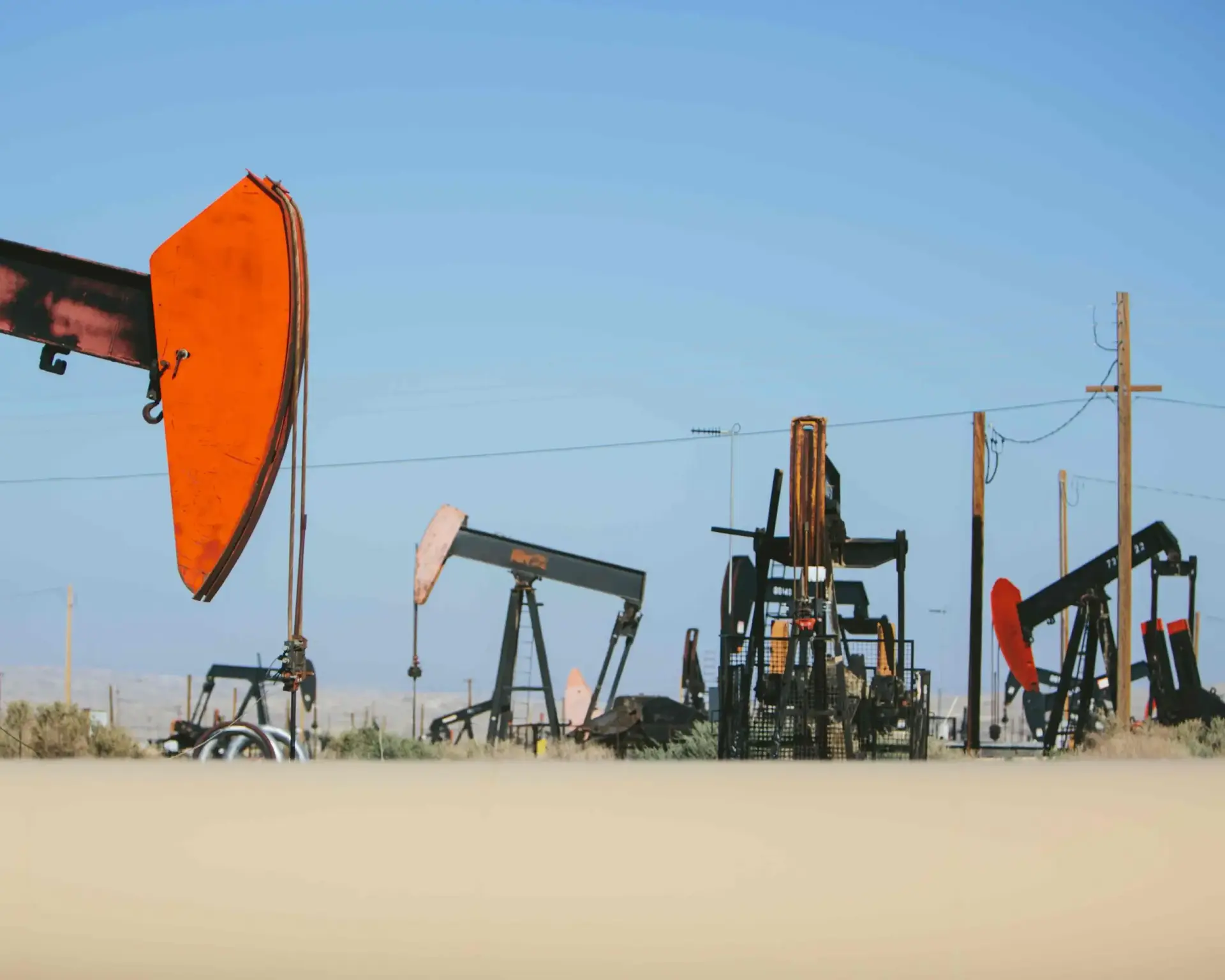
The transportation sector relies on oil analysis to improve fleet reliability and reduce roadside breakdowns. Marine operators, railroads, municipal fleets, forestry businesses, power generation facilities, and material handling operations also use laboratory testing to support predictive maintenance programs. Within Oil Field Services and the broader Oil and Gas sector, oil analysis is widely used to monitor critical equipment operating under extreme conditions where equipment reliability directly affects production and safety.
Building a Smarter Maintenance Strategy with Oil Analysis
Successful maintenance programs focus on preventing failures instead of responding to them. Oil analysis provides maintenance teams with measurable information about lubricant health, contamination levels, wear patterns, remaining useful life, and overall equipment condition. Combined with condition monitoring, reliability engineering, asset management, and root cause analysis, laboratory testing supports smarter maintenance decisions that improve long-term operational performance.
As industrial operations continue to prioritize reliability, oil analysis will remain one of the most practical investments for organizations seeking predictable equipment performance. Companies that routinely monitor lubricant condition can identify developing issues earlier, extend component life, optimize maintenance schedules, and reduce unnecessary repairs. When integrated into a complete maintenance strategy, oil analysis services help organizations strengthen equipment maintenance practices while delivering meaningful downtime reduction, higher productivity, and more dependable operations year after year.