How Integrated Fuel and Lubricant Programs Improve Efficiency
Managing a fleet or heavy equipment operation involves far more than purchasing fuel and scheduling routine maintenance. Every gallon of diesel, every oil change, and every service interval affects equipment reliability, operating costs, and long-term profitability. Companies across the United States are looking beyond individual purchases and adopting integrated fuel programs that combine fuel procurement, lubricant supply, preventive maintenance, and inventory management into one coordinated strategy. This approach creates better visibility into daily operations while helping organizations make smarter decisions.
Instead of working with several vendors for fuel distribution, engine oils, hydraulic fluids, grease, and maintenance products, businesses benefit from a single management process that supports consistent performance. By combining fuel monitoring, fleet management, and maintenance optimization, companies can improve equipment uptime, extend component life, and reduce unnecessary expenses. The result is a more organized operation that delivers measurable gains in operational efficiency without adding complexity
Why Integration Delivers Better Results
An integrated program connects fuel management, lubrication management, and maintenance planning so each part of the operation supports the next. Fuel inventory management, lubricant inventory management, fuel analytics, and scheduled maintenance work together to eliminate gaps that often lead to equipment downtime. Instead of reacting to unexpected breakdowns, businesses can identify maintenance needs before they become costly repairs.
Construction companies, trucking fleets, manufacturers, agricultural operations, municipalities, and mining businesses all depend on equipment that performs consistently under demanding conditions. When diesel fuel quality, engine protection, oil analysis, and fuel monitoring are managed through one coordinated system, equipment spends more time working and less time waiting for repairs. This integrated approach also simplifies reporting, improves operational visibility, and helps managers make informed decisions based on real performance data rather than assumptions.
Reducing Costs While Improving Fleet Performance
One of the biggest advantages of integrated programs is better control over operating expenses. Fuel represents one of the highest costs for commercial fleets, and poor maintenance only increases consumption. By combining fuel consumption analysis with predictive maintenance, companies can identify vehicles or machines using excessive fuel, suffering from wear, or operating below expected standards.
Routine oil analysis, condition monitoring, and fluid analysis allow maintenance teams to detect contamination, abnormal wear, or declining lubricant performance before major failures occur. Protecting engines with quality hydraulic oil, transmission fluid, gear oil, coolants, antifreeze, and other industrial lubricants helps reduce friction, maintain viscosity stability, and improve oxidation resistance. These improvements translate into better fuel economy, longer drain intervals, fewer emergency repairs, and a lower total cost of ownership.
Reliable lubricant supply also prevents unnecessary delays caused by product shortages or inconsistent inventory. Having the right products available when needed keeps preventive maintenance on schedule while supporting steady fleet performance throughout the year.
Supporting Heavy Equipment Across Multiple Industries
Heavy equipment operates in challenging environments where dust, heat, moisture, and heavy workloads accelerate wear. Excavators, bulldozers, wheel loaders, backhoes, skid steers, forklifts, cranes, generators, pumps, tractors, harvesters, and compressors all rely on clean fuel and properly selected fluids to maintain dependable performance.
Construction, mining, transportation, logistics, warehousing, manufacturing, utilities, forestry, marine, waste management, and municipal services each face unique operating demands. However, every industry benefits from improved asset utilization, fuel quality management, fuel filtration, water contamination prevention, and consistent maintenance scheduling.
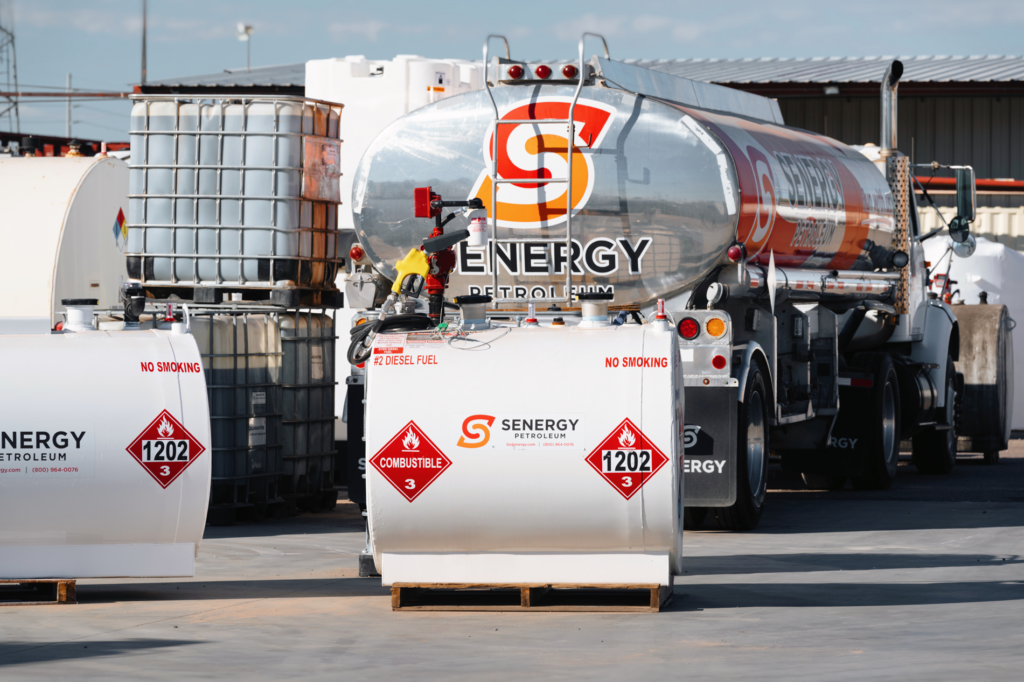
Integrated service providers also help organizations manage diesel fuel, Ultra Low Sulfur Diesel (ULSD), renewable diesel, biodiesel, off-road diesel, gasoline, Diesel Exhaust Fluid (DEF), and fuel additives while coordinating bulk fuel delivery and mobile fueling services. This level of coordination reduces administrative work while helping fleets stay productive across multiple job sites.
Data-Driven Maintenance Creates Long-Term Value
Modern fleet operations generate valuable information that supports continuous improvement. Fuel tracking software, fleet analytics, telematics, asset tracking, maintenance analytics, and remote tank monitoring provide managers with real-time insight into equipment performance. Instead of relying on estimates, businesses can monitor fuel savings, equipment uptime, service intervals, and maintenance costs through centralized reporting.
Predictive maintenance has become an important part of many integrated programs because it reduces unexpected downtime while extending equipment life. Combining maintenance scheduling with equipment inspection and asset monitoring helps organizations plan repairs around operating schedules instead of responding to emergencies.
Many providers also include inventory control, fuel reporting, fuel logistics, and Cleaning Fluid Solutions that simplify facility maintenance while supporting compliance and workplace safety. When these services are combined under one program, companies gain greater consistency across every location and every vehicle.
Improving Sustainability Without Sacrificing Productivity
Organizations are increasingly expected to balance productivity with environmental responsibility. Integrated programs support sustainability by reducing unnecessary fuel consumption, minimizing waste, and extending the useful life of expensive equipment. Better fuel storage practices, cleaner fuel dispensing systems, and contamination prevention reduce product losses while protecting engines from premature wear.
The use of synthetic lubricants, semi-synthetic lubricants, conventional lubricants, food grade lubricants, and specialized industrial products allows maintenance teams to match each application with the proper solution. Selecting the right lubricant for operating conditions improves thermal stability, corrosion protection, wear resistance, and cold-start performance while reducing maintenance frequency.
Businesses also benefit from improved fleet optimization, lifecycle management, fuel stability, component protection, and stronger return on investment. These improvements create lasting value without requiring major operational changes.
Building a Smarter Strategy for the Future
As equipment becomes more advanced, managing fuel, maintenance, and inventory separately creates unnecessary challenges. Companies that embrace integrated fuel programs gain a clearer understanding of their operations while improving reliability, reducing operating costs, and supporting long-term growth. Coordinated fuel procurement, fuel lifecycle management, fleet diagnostics, equipment management, and maintenance optimization create a stronger foundation for daily operations.
An effective program is about more than supplying diesel fuel or scheduling service. It connects people, equipment, data, and maintenance into one practical system designed to improve operational efficiency across the entire organization. Whether supporting a commercial truck fleet, heavy construction equipment, agricultural machinery, or industrial facilities, an integrated approach helps businesses increase productivity, strengthen asset performance, and maintain dependable results in an increasingly competitive market.