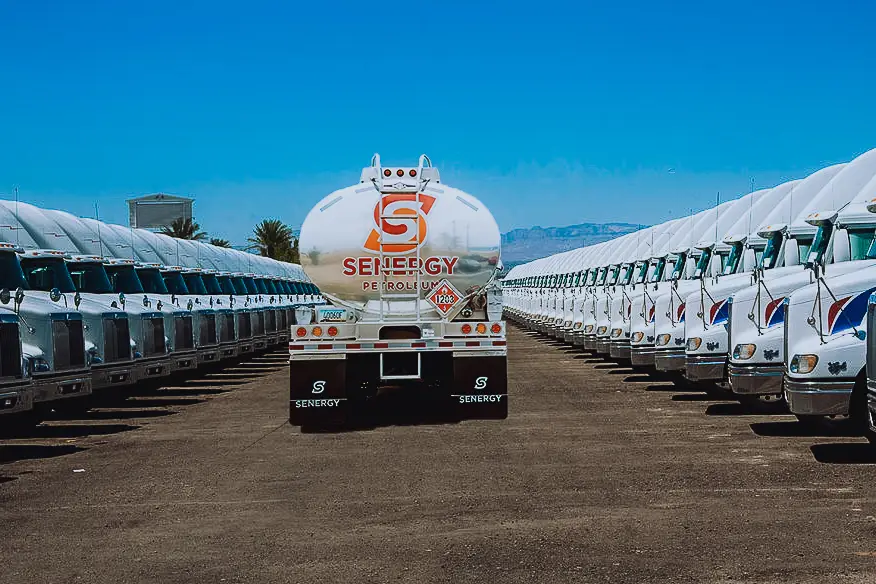
How Fuel Quality Impacts Engine Performance
Every engine tells a story through the way it runs. A steady hum signals everything is operating as it should, while hesitation or strain often points to a deeper issue. In most cases, the difference comes down to what’s inside the tank.
Even the most advanced diesel engines rely on the quality of their fuel to perform at their best. If the fuel isn’t clean or properly maintained, performance suffers—and longevity follows. Fuel isn’t just a purchase; it’s the foundation of reliable operation.
When fuel is clean, engines run smoothly, efficiently, and consistently. When it’s contaminated, power, performance, and lifespan all decline. That’s why fuel quality isn’t just important—it’s essential.
Why Fuel Quality Matters for Every Engine
Fuel often goes unnoticed—until performance starts to drop. Each batch carries its own chemical makeup, and even slight variations can affect how an engine runs.
High-quality fuel burns clean, delivering consistent power, smooth starts, and fewer maintenance issues. Poor-quality fuel burns unevenly, leading to rough operation, sluggish acceleration, and visible exhaust changes.
Over time, contaminants and deposits from low-grade fuel can build up on injectors and valves, forcing the engine to work harder and consume more fuel to achieve the same results. Clean, tested fuel maintains engine balance and performance—the difference between an engine that runs and one that runs right.
The Silent Cost of Fuel Contamination
Fuel contamination rarely gives clear warning signs. It develops quietly, causing gradual performance loss and equipment wear. A small amount of rust, a trace of moisture, or a less-than-clean delivery can be all it takes to start a problem.
Water is the most common source of contamination. It enters through poor seals or temperature changes that create condensation inside the tank. Once present, it triggers microbial growth that feeds on the fuel and produces a dark, sticky sludge. This buildup clogs filters, damages injectors, and accelerates corrosion.
The challenge is that contamination often goes unnoticed until it’s too late. Equipment may start and run normally—until power drops or the engine shuts down completely. By that point, the damage is already in motion.
Clean storage and consistent fuel checks are the strongest line of defense. Keeping tanks sealed and fuel dry may seem simple, but those preventive steps can save thousands in repair costs and downtime.
The Key to Preventing Costly Breakdowns
If fuel is the lifeblood of your equipment, testing is the check-up that keeps it healthy. The goal isn’t excess—it’s awareness. Knowing what’s happening inside your tanks prevents small issues from turning into major setbacks.
Fuel testing identifies the problems you can’t see—water, dirt, microbial growth, or chemical imbalance. A single test can confirm whether your fuel is clean, stable, and ready for performance or signal that maintenance is needed.
Most breakdowns don’t happen overnight. They develop slowly from undetected issues. Routine testing every few months helps catch these early, preventing downtime and costly repairs.
In the long run, fuel testing isn’t an extra expense—it’s smart maintenance. A simple, proactive step that protects equipment, extends service life, and keeps operations running without interruption.
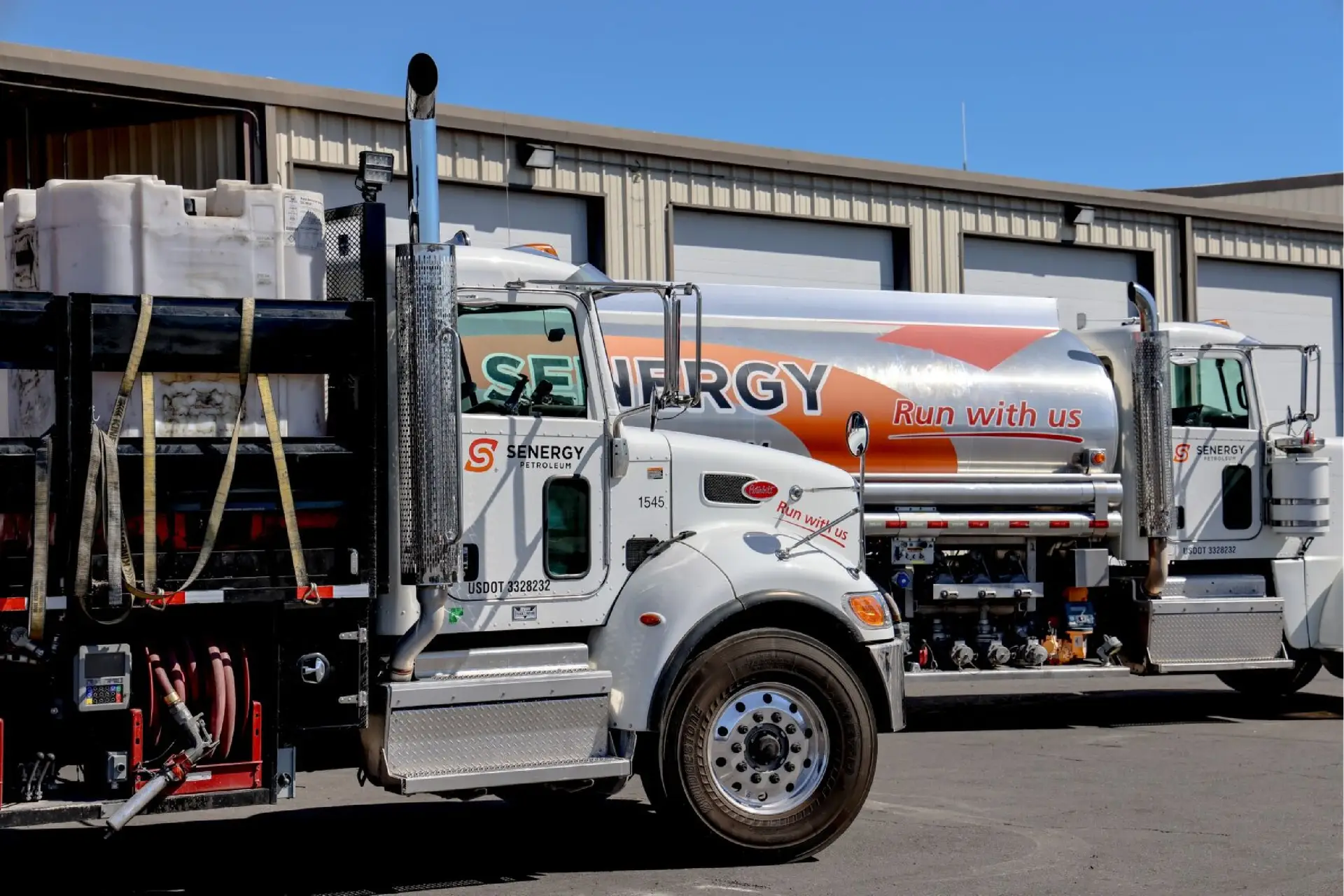
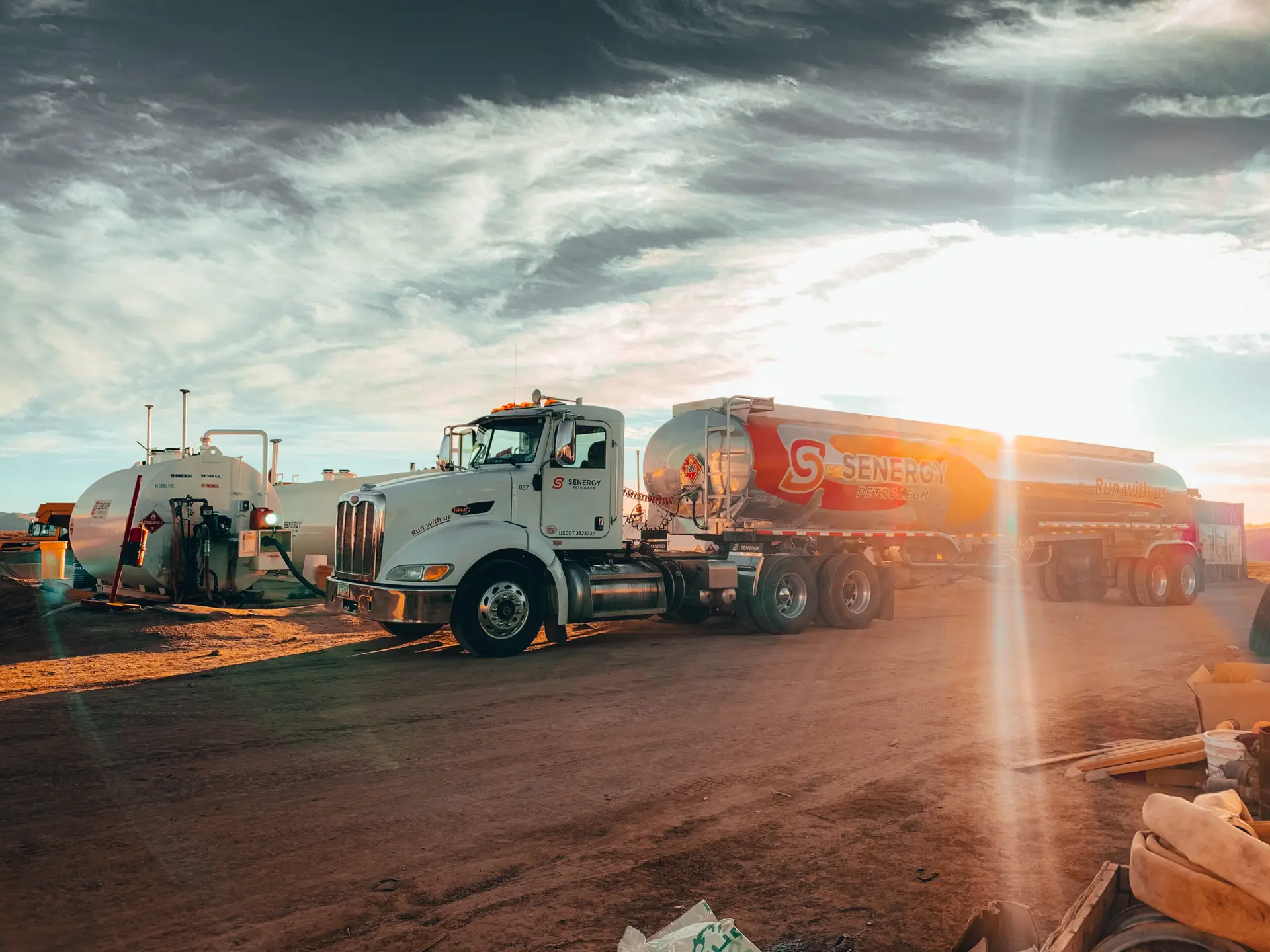
Diesel Performance and the Power of Clean Fuel
Diesel performance depends on precision. Modern engines operate under extreme pressure, delivering fuel in exact amounts at precise intervals. That precision is lost the moment the fuel becomes contaminated.
Poor-quality fuel burns unevenly, leading to smoke, rough idling, and reduced power. What may appear to be a mechanical issue often traces back to the fuel itself. Contaminated or unstable diesel leaves unburned particles behind, creating carbon deposits that clog injectors and reduce efficiency.
Clean diesel maintains that precision. It burns evenly, providing consistent power, smoother operation, and longer life for critical components. The results are clear—easier starts, steady performance under load, and quieter operation.
Prioritizing fuel quality isn’t just about performance—it’s about protecting the core of your equipment and ensuring every system runs as it was designed to.
The Real Cost of Poor Fuel Quality
Bad fuel doesn’t damage an engine overnight—it does it gradually, through wear, downtime, and wasted fuel. That slow decline makes it easy to overlook how costly poor fuel quality can become.
Contaminated or low-grade fuel leads to more filter changes, more maintenance calls, and more unplanned downtime. Every unexpected stop means lost productivity, and over time, those interruptions cut directly into profit.
Even minor drops in fuel efficiency have a real impact. When engines burn more diesel to complete the same work, operations spend more while getting less in return. The cost of neglecting fuel care is never limited to one repair—it’s the chain of problems that follow.
Clean, tested fuel may seem like a small detail, but it’s one of the smartest investments any operation can make to protect equipment, reduce costs, and maintain reliable performance.
Keeping Fuel Storage Clean and Controlled
Even the highest-quality diesel can degrade if stored under poor conditions. Fuel tanks expand and contract with temperature changes, drawing in air during warm days and moisture during cool nights. That moisture is often the starting point for contamination.
Maintaining dry, sealed tanks is essential for preserving fuel quality. Regularly drain any accumulated water and inspect for rust or corrosion. If sludge or cloudiness appears, have the tanks professionally cleaned.
For long-term storage, fuel additives and stabilizers help prevent contamination and microbial growth. Preventive care may seem basic, but it’s a critical step that keeps operations running smoothly and reduces costly interruptions.
Work Smarter, Keep Engines Strong
Engines don’t fail by chance—they fail when small issues are ignored. Regular fuel testing, simple tank inspections, and attention to early warning signs keep equipment running reliably.
At Senergy Petroleum, clean fuel is the foundation of performance. Our solutions for testing, storage, and management help engines stay strong and operations stay on schedule.