How Fuel Monitoring Technology Improves Mining Operations
Fuel is one of the biggest operating expenses in mining. Haul trucks, excavators, loaders, drills, dozers, and other heavy equipment can consume significant amounts of diesel during regular operations. With equipment spread across large mine sites, keeping track of fuel usage can be difficult when companies rely on manual readings, paper records, and basic fuel reports.
Fuel monitoring technology gives mining companies a better way to understand where their fuel is going. By tracking tank levels, dispensing activity, equipment consumption, and operating patterns, these systems provide useful information that can help reduce waste and improve fleet performance. For mine operators, better fuel visibility can translate into better cost control and more efficient daily operations.
Overview
- Depending on the system, fuel monitoring can provide current or regularly updated information about fuel inventory and consumption.
- When combined with equipment or telematics data, fuel monitoring can help identify excessive idling and other sources of unnecessary fuel consumption.
- Fuel data can reveal unusual consumption or inventory changes that may warrant investigation for leaks, measurement errors, unauthorized use, or theft.
- Connecting fuel data with equipment performance helps improve fleet efficiency.
- Fuel consumption trends can provide additional information that supports preventive maintenance decisions.
- Accurate fuel-level data makes inventory management and fuel deliveries easier to plan.
- Better fuel data helps mining companies control operating costs and make informed fleet decisions.
Improving Visibility Into Fuel Consumption
Knowing how much fuel a mine purchases is only part of fuel management. Operators also need to know how much fuel is being stored, where it is being dispensed, which equipment is consuming it, and whether that consumption matches normal operating conditions.
Depending on the system and available integrations, fuel-monitoring technology may collect or combine data from tanks, dispensers, flow meters, sensors, GPS devices, and connected equipment. This information can be brought together in one place, allowing managers to monitor fuel levels and consumption without depending entirely on manual inspections.
This visibility is particularly useful for mines with large fleets. Managers can compare fuel use between similar machines, shifts, or operating areas. If one haul truck consistently consumes more fuel than comparable trucks, the difference can be investigated before it becomes a larger operating expense.
Reducing Fuel Waste and Excessive Idling
Equipment does not always consume fuel while performing productive work. Trucks may wait at loading areas, machines may remain running during shift changes, and equipment can spend considerable time waiting for other parts of the operation.
Some idling is unavoidable, but excessive idling can increase fuel consumption without increasing production. When engine-hour, location, and operating data are available through telematics or connected equipment, supervisors can identify extended periods of idling and compare them with fuel consumption.
Once the pattern is identified, the next step is understanding why it happens. Long idle periods may result from traffic, inefficient dispatching, poor scheduling, operator practices, or delays at loading and unloading points. Addressing these issues can reduce unnecessary diesel consumption while allowing equipment to spend more time on productive tasks.
Lower idle time can also reduce unnecessary engine hours and the wear associated with extended engine operation without productive work.
Detecting Fuel Loss, Leaks, and Theft
Fuel loss can occur in several ways. Diesel may be lost through leaks, inaccurate measurements, unauthorized dispensing, theft, or differences between fuel deliveries and actual consumption.
This can become difficult to identify when a mining operation has several storage tanks and fueling locations. A difference of a few gallons may not appear significant on its own, but repeated discrepancies across a large fleet can become expensive.
Fuel monitoring provides a clearer record of fuel movement. Operators can compare fuel delivered to a site with fuel dispensed to equipment and review the expected consumption of individual machines.
Unusual activity can then be investigated. A sudden drop in tank level, unexpected fuel use outside normal working hours, or a major change in a machine’s consumption pattern may warrant further inspection. The purpose is not to assume every discrepancy is theft, but to give managers enough information to determine what happened.
Depending on the system, fueling records may connect transactions with equipment, operators, locations, and operating times, providing greater visibility into fuel activity.
Increasing Heavy Equipment Efficiency
Fuel consumption should always be considered alongside production. A machine that uses more fuel than another machine is not automatically inefficient. It may be carrying a larger load, traveling farther, operating on difficult terrain, or completing more work.
This is why fuel data becomes more valuable when combined with fleet information. Mining companies can compare fuel consumption with operating hours, payload, haul distance, cycle time, idle time, and equipment utilization.
Useful measurements can include gallons per operating hour, fuel consumed per haul cycle, and fuel cost per ton of material moved. These measurements provide more context than simply looking at total diesel consumption.
For example, if two haul trucks perform similar jobs but one consistently uses more fuel per operating hour, managers can investigate possible causes. The difference could be related to maintenance, tire condition, operator behavior, route conditions, payload, or excessive idle time.
Supporting Preventive Equipment Maintenance
Unexpected changes in fuel consumption can provide a reason to investigate equipment condition or operating conditions more closely. Heavy machinery naturally uses fuel, but an unexplained increase in consumption may indicate a change in operating conditions or equipment performance.
Potential causes can include engine problems, poor maintenance, tire issues, hydraulic system problems, or changes in the way the machine is being used. Reviewing fuel data alongside engine hours, maintenance records, and equipment alerts can give maintenance teams more information when diagnosing an issue.
This does not replace regular inspections or manufacturer maintenance schedules. Instead, fuel information adds another source of operational data that can help teams decide where to investigate.
Early investigation of unusual equipment behavior can help maintenance teams identify developing problems before they contribute to more serious equipment issues. In mining, where equipment downtime can affect several stages of production, keeping critical machines available is an important part of cost control.
Making Fuel Planning More Accurate
Fuel monitoring can also improve how mining companies plan their fuel supply. Managers need to know how much diesel is available, how quickly it is being consumed, and when additional fuel will be required.
Reliable tank-level information can help teams monitor inventory at fixed fueling stations, storage tanks, and mobile fueling locations. Historical consumption can also help estimate future requirements based on operating hours, production schedules, equipment activity, and seasonal conditions.
Better information can reduce the risk of running equipment low on fuel during a production shift. It can also make fuel deliveries easier to plan and reduce the need for last-minute orders.
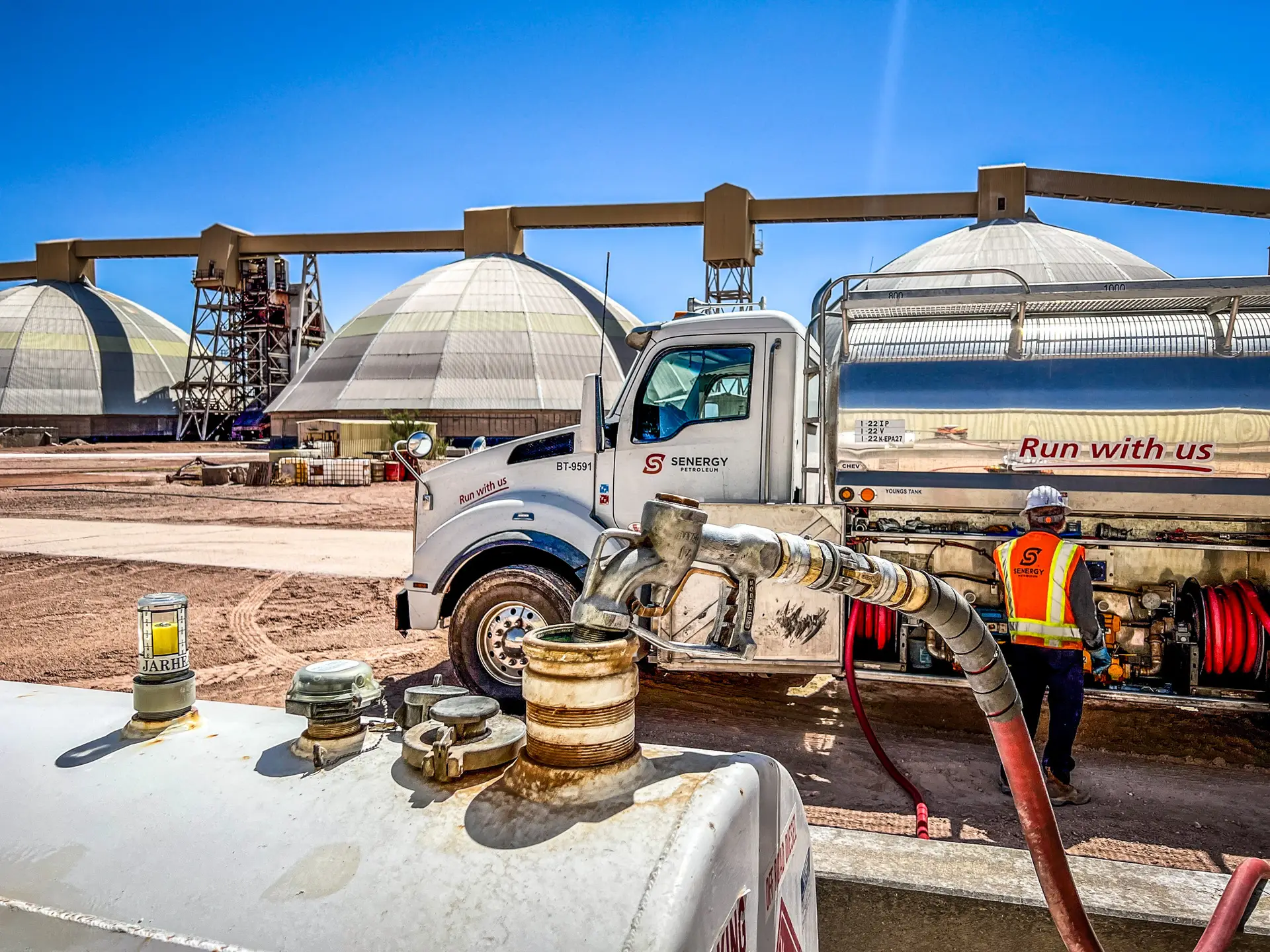
This becomes even more important at remote mine sites. When fueling locations are spread across a large area, supervisors may not have the time or resources to physically inspect every tank throughout the day. Depending on the system, remote monitoring can allow supervisors to review fuel information without physically visiting each tank and respond when attention is needed.
Turning Fuel Data Into Better Mining Decisions
Fuel monitoring is about more than knowing how much diesel is left in a tank. Its real value comes from using fuel information to understand equipment performance, operating patterns, and areas of waste.
When fuel data is connected with GPS tracking, equipment hours, idle time, maintenance information, and production measurements, mining companies can develop a clearer view of fleet performance. Managers can identify unusual consumption, investigate fuel losses, improve planning, and make better use of heavy equipment.
For modern mining operations, this information can support several practical goals: reducing unnecessary fuel consumption, improving equipment utilization, strengthening fuel accountability, and controlling operating costs.
Diesel will remain an important part of many mining operations, particularly where large equipment is required to move and process heavy materials. Because fuel represents a significant operating cost for many mining operations, having reliable information about fuel use can be valuable for planning and cost control.