How Fuel Monitoring Systems Improve Fleet Efficiency
Fuel is one of the largest operating expenses for organizations with vehicle fleets. Whether it’s delivery trucks, buses, heavy machinery, or government fleets, every gallon directly impacts profitability. With fuel prices rising and operating budgets tightening, fleet managers cannot afford guesswork or outdated methods of monitoring usage. Fuel monitoring systems have become essential for businesses seeking clear insights into consumption patterns and the ability to make informed decisions. These systems not only deliver financial benefits but also support enhanced productivity, reduced fraud, and greater accountability. Modern fuel monitoring technology provides accurate, real-time data, enabling companies to optimize routes, schedule maintenance, and operate more efficiently—all contributing to stronger bottom-line results.
Learning What Fuel Monitoring Systems Do
Fuel management systems track how much fuel is consumed, where it is used, and whether that consumption aligns with operational requirements. The system gathers data through hardware sensors placed on vehicles or fueling stations, supported by computer networks that translate the information into actionable insights. Fleet managers receive detailed feedback on average fuel efficiency, driving behavior, and consumption by vehicle or route. Unlike periodic audits or paper-based records, this level of monitoring ensures precise reporting with minimal risk of error. Fleet-wide visibility helps deter theft or misuse while also enabling accurate forecasting of future fuel needs, supporting proactive planning and budgeting. In essence, the technology serves as a 24/7 safeguard for fuel assets, equipping operators with the information they need to address issues before they escalate.
Benefits of Real-Time Data Access
One of the most valuable features of modern fuel monitoring technology is real-time access to data. Instead of relying on delayed reports, drivers and fleet managers gain instant visibility into tank levels, trip-based fuel usage, and alerts for unusual patterns. For example, if a vehicle consumes more fuel than expected on a route, the system can immediately flag the anomaly for review. Real-time monitoring enables timely intervention—whether that means adjusting driving behavior, diagnosing maintenance needs, or addressing potential fuel theft. This level of visibility also strengthens operational reliability by ensuring that vehicles remain fueled and ready for critical tasks. With current information always available, organizations can minimize waste, hold drivers accountable, and maintain greater control over their operations—translating directly into cost savings and improved efficiency.
Managing Fuel Costs Through Insight and Technology
While fuel is a necessary expense, it can be effectively managed with the right insights. Fuel monitoring systems give companies the ability to track consumption trends, identify inefficient routes, and flag vehicles that may require maintenance due to poor fuel performance. By analyzing both historical and current data, fleet managers can make informed decisions—such as replacing aging equipment, adjusting delivery routes, or providing drivers with fuel-efficient training. These systems also capture hidden costs, such as excessive idling or speeding, that often go unnoticed. Businesses that adopt fuel monitoring technology consistently achieve measurable savings, with total fuel expenses reduced by millions of dollars.


Building Driver Accountability With Fuel Monitoring Systems
Drivers play a direct role in fuel economy, and monitoring systems provide management with an objective tool for evaluating performance. Behaviors such as unnecessary idling, hard acceleration, and inefficient routing all contribute to higher fuel consumption. Monitoring technology tracks these patterns, giving fleet managers the ability to offer targeted coaching and feedback based on facts rather than assumptions. In many cases, simply knowing their performance is being monitored encourages drivers to operate more efficiently. This accountability reduces fuel waste, extends vehicle lifespan, and promotes safer driving practices. Fuel usage reports can also serve as performance metrics, allowing managers to recognize and reward drivers who consistently demonstrate efficient habits. Over time, these practices not only lower fuel costs but also help build a culture of professionalism and responsibility across the fleet. Drivers who feel respected and supported ultimately deliver stronger productivity for the organization.
Preventing Fuel Theft With Monitoring Systems
Fuel theft presents a significant risk for businesses with fleets, particularly when fuel is stored in tanks or vehicles make frequent stop-and-go deliveries. Without monitoring, siphoning or misfueling often goes undetected until losses are substantial. Fuel monitoring systems mitigate this risk by providing precise, time-stamped reporting of fuel consumption. Real-time in-tank data can reveal sudden level drops, inconsistencies in refueling times, or discrepancies between reported and actual usage. With this visibility, managers can quickly identify abnormal trends, investigate issues, and take corrective action before problems escalate. The presence of monitoring also serves as a deterrent, as employees are aware that misuse will be detected. For industries where fuel theft has historically been a costly challenge, these systems deliver both immediate savings and long-term peace of mind by protecting assets and ensuring operational integrity.
Strengthening Compliance and Competitive Advantage
Beyond cost savings, fuel monitoring technology also supports compliance and operational accountability. Accurate fuel consumption reports provide reliable records for audits and demonstrate best practices in fuel management. For contractors bidding on government projects or businesses working with partners that require detailed reporting, this capability offers a competitive advantage. Companies that implement these systems early position themselves ahead of tightening regulations, while others risk falling behind when compliance requirements become more demanding.
Why Fuel Monitoring Puts Fleets Ahead
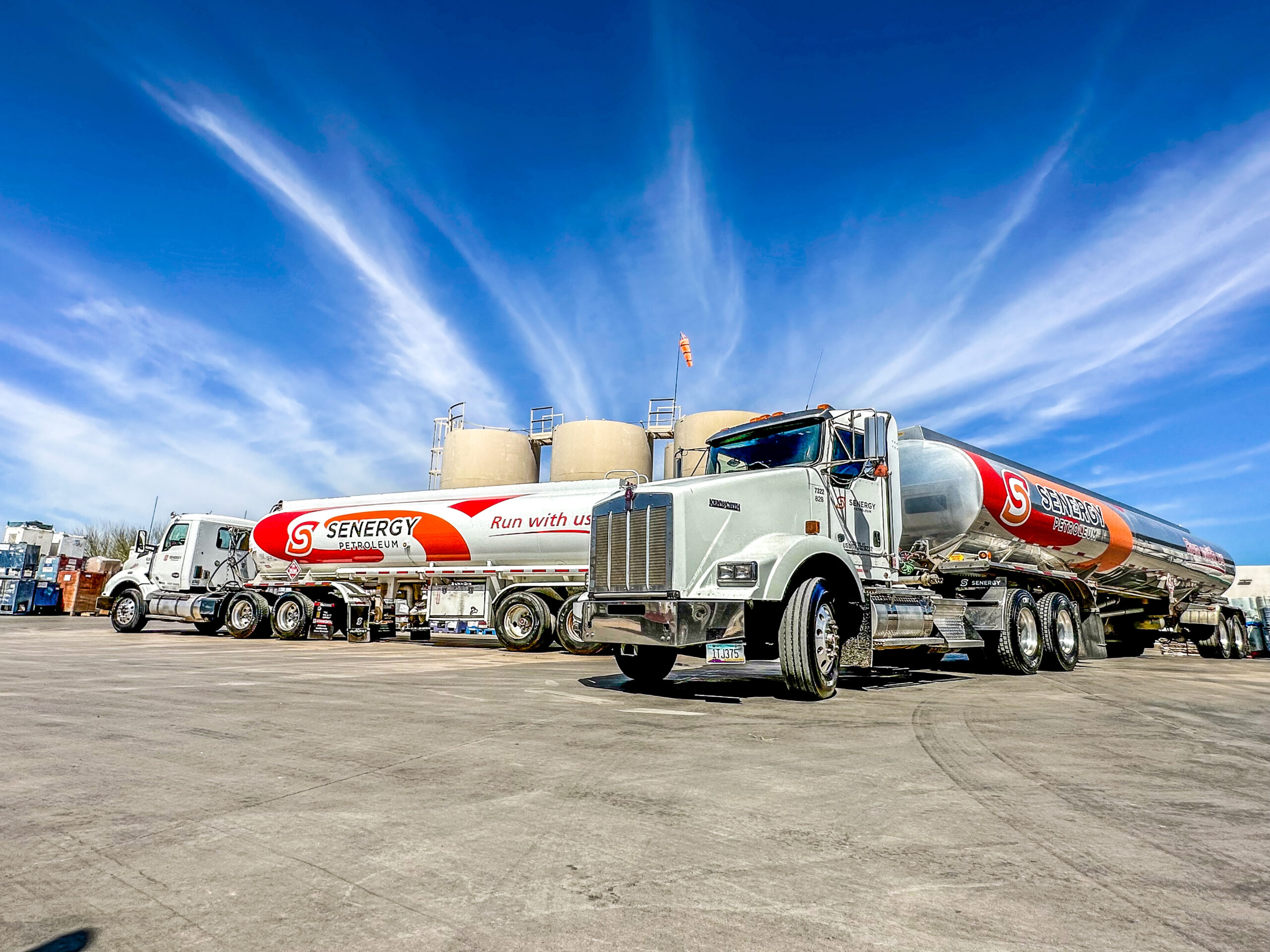
Investing in a fuel management system quickly pays for itself through reduced theft, lower operating expenses, better driver performance, and stronger compliance reporting. These systems give managers the reliable data they need to make informed decisions and build more efficient fleets. Businesses that adopt this technology gain a clear advantage over competitors still relying on outdated methods. Run With Senergy, and stay ahead with smarter, more profitable operations.