
How Fuel Dispensing Equipment Can Be Designed Around Your Operation
Every business has different fueling requirements based on its vehicles, equipment, daily activities, and operating environment. A transportation company may need to refuel dozens of trucks throughout the day, while a construction business may require diesel for excavators, loaders, and generators at different job sites. Industrial facilities, farms, and municipal fleets also have specific fuel storage and dispensing needs. Choosing equipment that matches these requirements can make daily operations more efficient and easier to manage.
Commercial fuel dispensing equipment plays an important role in storing, transferring, and delivering fuel to vehicles and machinery. However, selecting the right setup involves more than purchasing a pump and connecting it to a storage tank. Businesses need to consider fuel consumption, available space, dispensing frequency, and the type of equipment being fueled. A properly planned system can simplify refueling, reduce unnecessary delays, and accommodate changing operational demands.
Overview
- Choose equipment based on operational needs.
- Match pumps and tanks to fuel demand.
- Improve efficiency with fuel monitoring systems.
- Prioritize safety and regular maintenance.
- Plan for future business growth.
Understanding Your Fueling Requirements
Before selecting equipment, businesses should evaluate how fuel is used throughout their operations. Fleet size, daily consumption, operating hours, and the number of vehicles or machines requiring fuel all influence system requirements. A small business with a few service vehicles may need a basic dispensing arrangement, while a large transportation company could require multiple pumps and dedicated fueling stations to handle higher demand.
Fuel type is another important consideration. Diesel, gasoline, biodiesel, renewable diesel, and off-road diesel are used across different industries, and each application may require specific storage and handling arrangements. Some facilities also need separate equipment for Diesel Exhaust Fluid (DEF), lubricants, and other industrial fluids. Understanding these requirements before purchasing equipment helps businesses avoid compatibility issues and select a system that supports their everyday activities.
Choosing the Right Fuel Dispensing Components
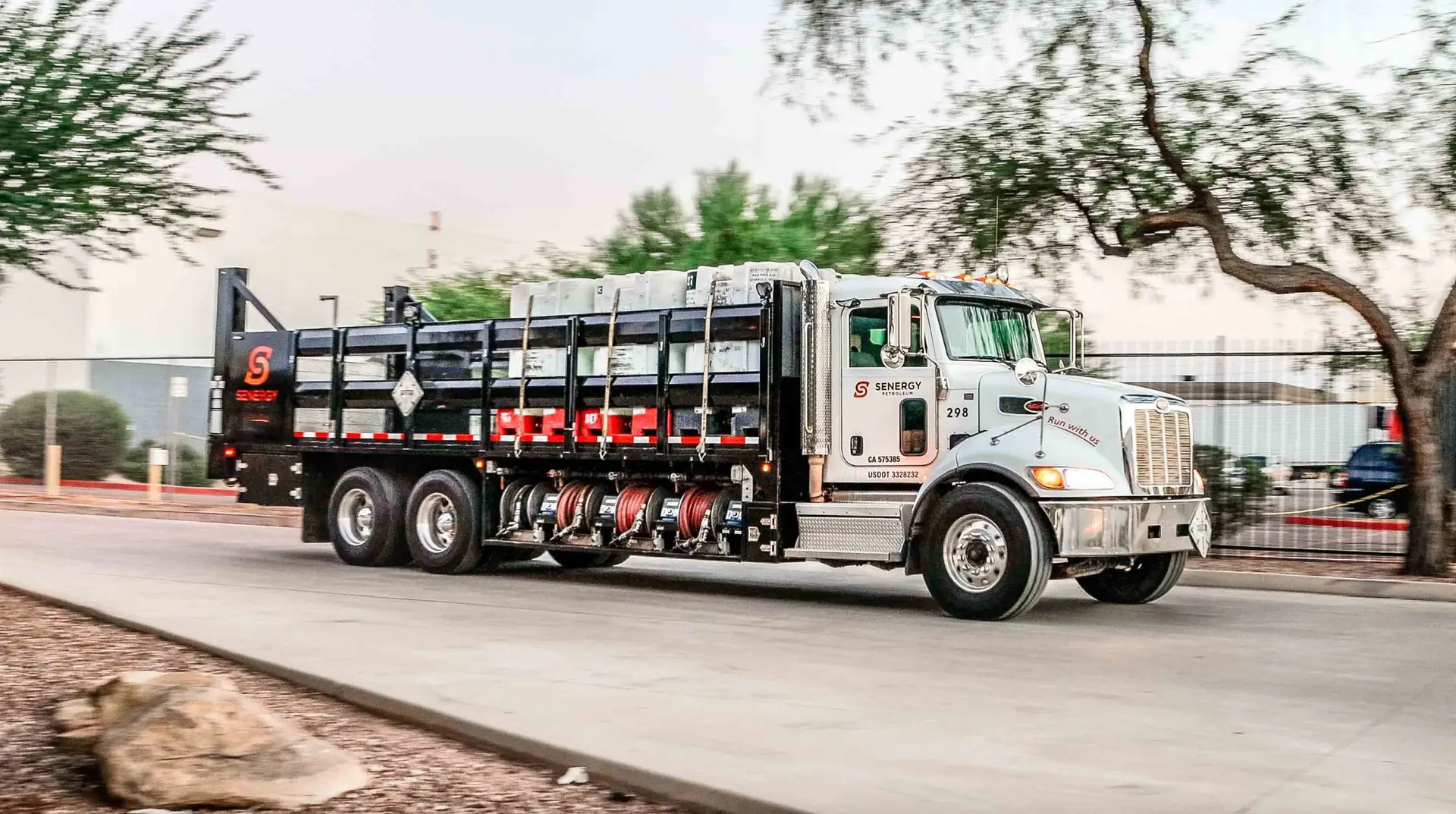
A fuel dispensing system consists of several components that work together to move fuel from storage tanks to vehicles and machinery. Fuel pumps transfer the product, while hoses and nozzles provide a controlled connection during dispensing. Flow meters measure the amount delivered, and filters help remove unwanted contaminants. Depending on the application, businesses may also require dispensing cabinets, hose reels, monitoring devices, and automatic shutoff systems.
Each component should match the intended application. Pump capacity and flow rate determine how quickly fuel can be delivered, while hose length affects how easily operators can reach different vehicles. Tank capacity, nozzle design, meter accuracy, filtration requirements, and available power connections also deserve attention. Selecting compatible commercial fuel dispensing equipment helps prevent performance limitations and makes maintenance more straightforward. It also ensures that the entire setup can handle the expected workload.
Selecting Equipment for Different Industries
Fueling requirements vary considerably between industries. Transportation and logistics companies often need fixed fueling stations with high-flow diesel pumps to serve trucks and other fleet vehicles. Multiple dispensing points can reduce waiting times when several vehicles return to a depot around the same time. Fleet cards and vehicle identification systems can also help managers monitor fuel usage across their operations.
Construction businesses may need portable tanks and transfer pumps to support machinery operating away from a central facility. Agricultural operations often require storage and dispensing equipment positioned near equipment sheds or working areas. Industrial facilities may need dedicated systems for generators, forklifts, and other machinery, while municipal fleets can benefit from controlled access and transaction reporting. Custom fueling systems allow businesses to select suitable tank configurations, pumps, and dispensing accessories according to their specific working conditions.
Planning Storage Capacity and Fuel Flow Rates
Storage capacity and dispensing speed should be considered together when planning a fueling setup. A business that consumes large quantities of diesel may need a larger storage tank to reduce delivery frequency. However, tank size should also reflect available installation space, expected consumption, and delivery schedules. An oversized tank can increase installation and maintenance expenses without providing a meaningful benefit.
Flow rate, generally measured in gallons per minute (GPM), indicates how quickly a pump delivers fuel. Lower flow rates may be suitable for smaller equipment or occasional refueling, while high-flow pumps are useful for larger vehicles and operations with greater demand. Businesses should consider how many vehicles need fuel during peak periods and whether additional dispensing points are necessary. Well-planned custom fueling systems balance tank capacity and pump performance to help reduce queues and keep equipment available when needed.
Improving Fuel Management With Modern Technology
Modern technology makes it easier for businesses to monitor fuel usage and manage dispensing activities. Fuel management systems can record transactions, identify users, and track the quantity delivered to individual vehicles. Fleet fuel cards, PIN-based access, and RFID identification help control who can operate dispensing equipment. These features are particularly useful for businesses managing large fleets or operating multiple fueling locations.
Tank monitoring systems provide additional visibility into available fuel inventory. Sensors and automatic tank gauging equipment can help operators monitor storage levels and arrange deliveries before supplies run low. Some systems also support remote monitoring, allowing managers to check tank levels without visiting every storage location. Integrated fuel equipment solutions can connect dispensers, monitoring devices, and management controllers to provide useful information about fuel consumption, inventory, and operating expenses.
Choosing a Fuel Dispensing Setup That Fits Your Business
Selecting the right fueling arrangement starts with understanding how a business operates. Fleet size, fuel consumption, equipment type, site layout, and delivery frequency all influence which components and configurations are appropriate. A system designed around these factors can support regular fueling activities without introducing unnecessary complexity or expense.
Businesses should review their current requirements while considering how those needs may change as operations grow. Working with an experienced equipment provider can help identify suitable pumps, storage tanks, dispensing accessories, and monitoring controls. Well-designed custom fueling systems can accommodate present requirements while allowing room for future changes. By investing in suitable fuel equipment solutions, businesses can establish a practical fueling arrangement that supports everyday activities, simplifies maintenance, and provides greater flexibility as their operations develop.
