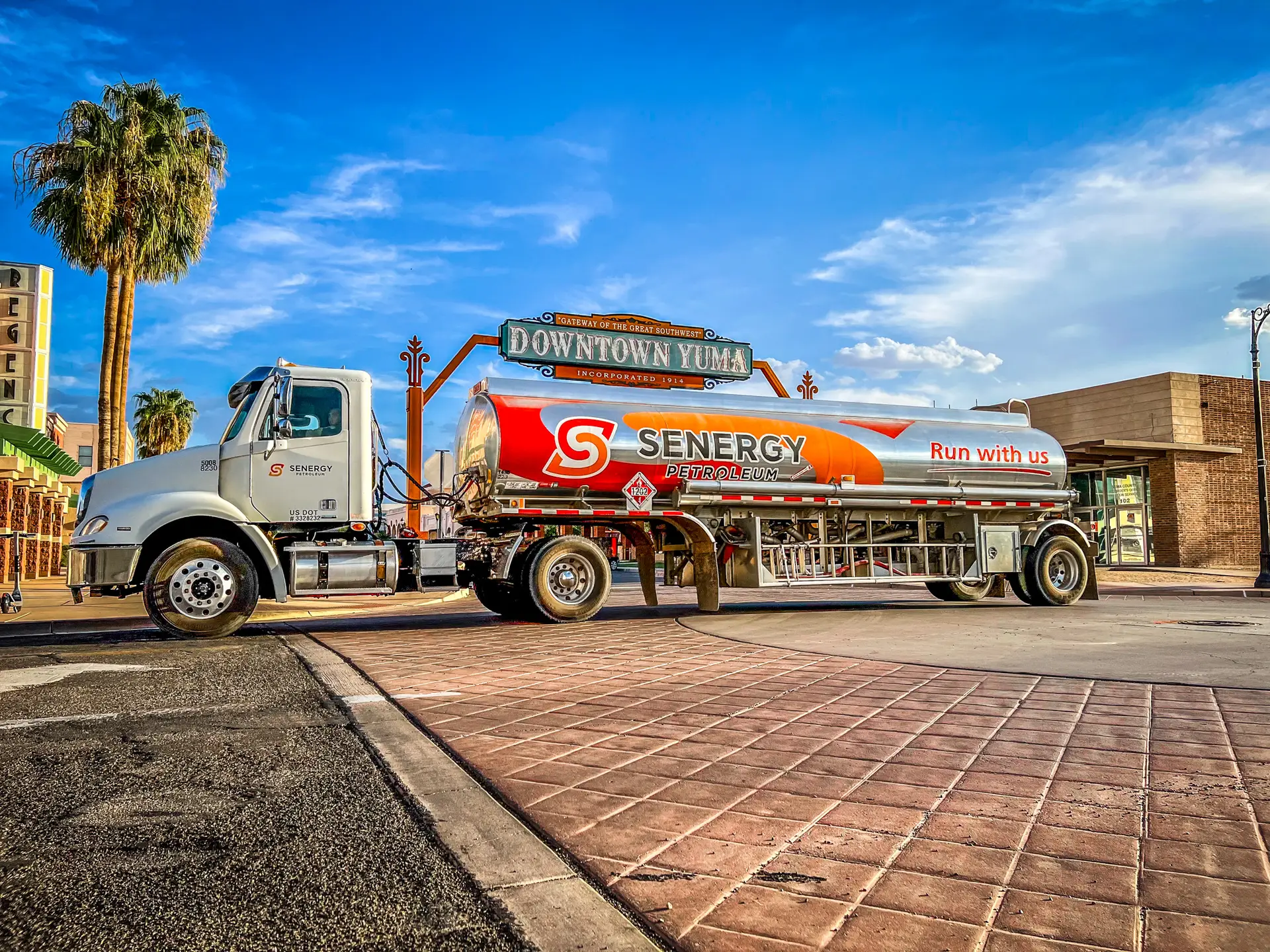
How Fuel Delivery Scheduling Reduces Operational Costs
Fuel remains one of the most essential inputs across construction yards, remote sites, and industrial facilities. When delivery is reactive, operations often face avoidable costs such as downtime, last-minute fees, inefficient routing, and underutilized equipment. A structured delivery plan is one of the most effective ways to prevent these disruptions.
By determining fuel volumes and delivery timing in advance, organizations can establish a consistent operational rhythm and remove uncertainty from day-to-day workflows. Scheduled fuel delivery allows suppliers and customers to work from a shared timeline aligned with consumption patterns and site requirements, rather than responding only when tanks run low or equipment stops.
This approach leads to fewer emergency runs, reduced idle time, improved pricing leverage on bulk orders, and more efficient transport planning. Treating fuel supply as a scheduled operation rather than a reactive expense strengthens overall operational discipline and reliability.
When planned fuel delivery becomes part of a broader fuel management strategy, it keeps fuel availability aligned with project schedules, crew shifts, equipment usage, and on-site coordination. In this way, scheduled delivery becomes a key component of cost control and operational efficiency.
Building an Effective Fuel Management Strategy
A strong fuel management strategy starts with understanding actual consumption—how much fuel is used, where, and when. Without accurate data, planning is guesswork and deliveries become reactive. Once usage patterns are clear—such as heavy machinery during the day, fleet activity at night, or generators on weekends—a delivery schedule can be created around these cycles.
Scheduled fuel delivery allows organizations to order in advance, set budgets, and secure better pricing. This reduces last-minute purchases, avoids premium charges for urgent loads, and prevents downtime from waiting equipment.
A well-planned strategy includes buffers like tank thresholds and safety margins while avoiding overstocking, which increases storage and capital costs. Scheduling ensures deliveries occur only when needed, routes are optimized, loads are combined, and unnecessary transport is minimized.
Preventing Downtime With a Disciplined Fuel Delivery Schedule
Scheduled fuel delivery helps reduce unplanned downtime. Reactive deliveries—caused by empty tanks or equipment shutdowns—quickly increase costs. Machines sit idle, crews wait, emergency orders rise, and productivity drops.
Integrating regular delivery into business processes ensures reliable fuel availability. Triggering deliveries before tanks run low prevents interruptions and keeps operations running smoothly. This proactive approach improves efficiency and ensures essential equipment stays operational.
Scheduled delivery also reduces the need for on-site personnel to manage fuel logistics, letting teams focus on core tasks. In mission-critical environments like construction, mining, and remote operations, disciplined scheduling can be the difference between meeting deadlines and incurring costly delays.
How Scheduled Fuel Delivery Improves Pricing Stability and Cost Control
Another major benefit of scheduled fuel delivery is stronger purchasing power and more stable pricing. When deliveries are planned and consistent, businesses can secure better rates on bulk volumes, take advantage of fixed-price opportunities, and negotiate long-term delivery agreements that support steady cost savings.
Incorporating scheduled delivery into a broader fuel management strategy reduces exposure to high-cost, last-minute purchases or “just-in-time” emergency orders. A predictable delivery cycle also strengthens budget forecasting, as fuel costs become more consistent and easier to control.
From a logistics perspective, scheduled delivery reduces surprises, lowers the impact of price fluctuations, and improves alignment between load requirements and carrier availability. Over time, efficiencies gained through negotiated contracts and predictable consumption patterns can translate into meaningful savings in the cost of fuel supplied and used across operations.
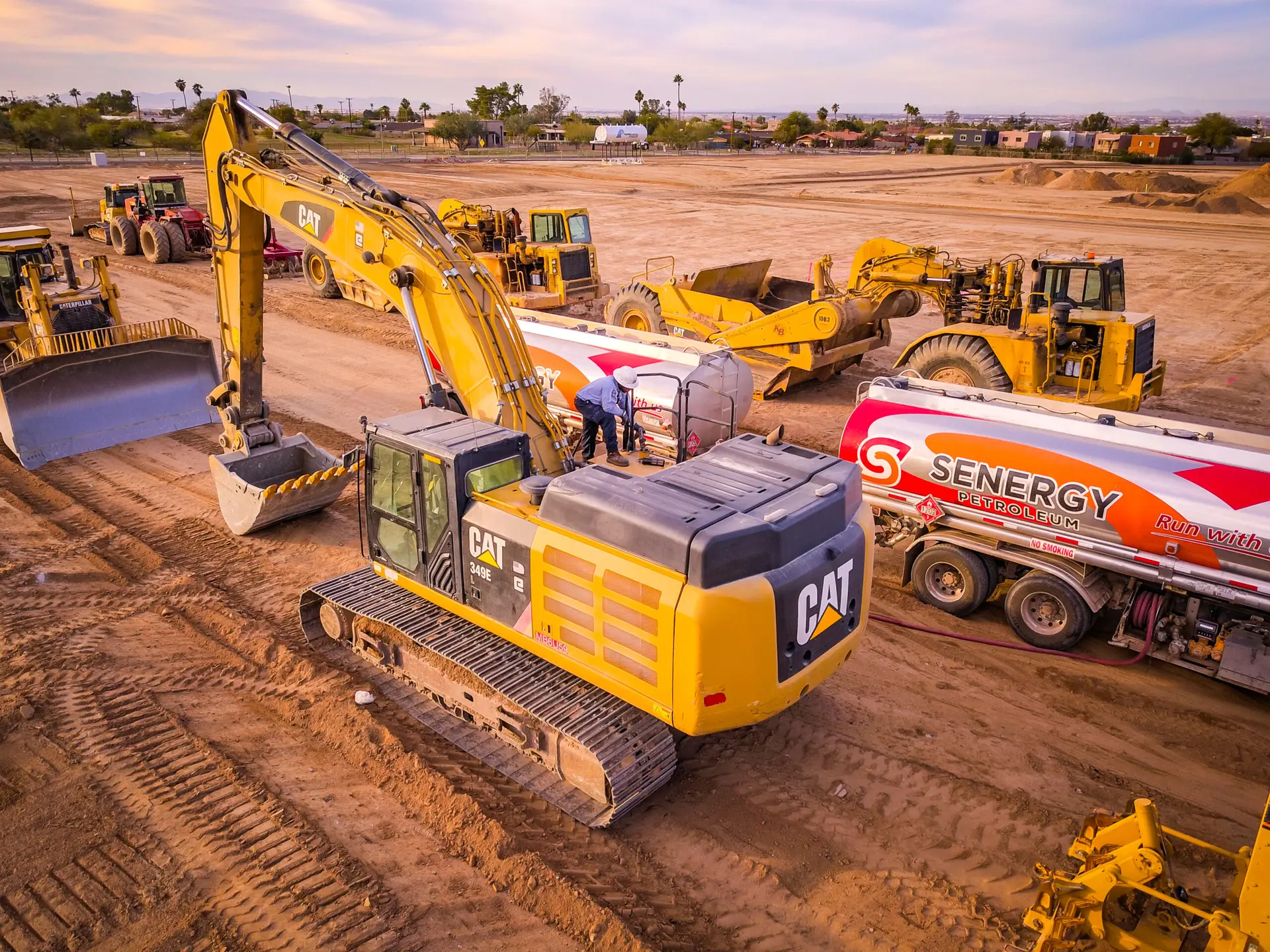

Achieving the Right Fuel Inventory Balance
Fuel is a market commodity, but it also represents an inventory cost when stored on-site. Excess fuel ties up capital, increases security and storage expenses, and raises the risk of product loss. Conversely, insufficient fuel increases the likelihood of operational interruptions. A well-designed fuel management strategy supported by scheduled deliveries helps strike the right balance—maintaining enough buffer for uninterrupted operations without creating unnecessary inventory. This level of control enhances efficiency and minimizes wasted resources.
Scheduled delivery programs typically integrate tracking tools such as tank-level sensors, telematics, and detailed delivery logs. These systems support accurate monitoring, help identify irregularities such as unexpected usage or potential loss, and enable timely adjustments to the delivery schedule. In fuel logistics, this visibility is essential; it ensures not only the timely delivery of fuel but also the effective management of that fuel, improving asset utilization and reducing overall operational costs.
Leveraging Technology to Optimize Scheduled Fuel Delivery
Modern fuel delivery schedules are increasingly driven by technology, including telematics, tank-level sensors, predictive analytics, and delivery management platforms. Companies offering scheduled fuel delivery now leverage data on usage trends, consumption peaks, and site activity to optimize timing and efficiency. Strategic scheduling ensures uninterrupted fuel supply, reduces unnecessary transportation, and minimizes waste.
Advanced scheduling tools make the fuel logistics chain more dynamic and reliable. Delivery triggers can be automated, routes optimized in real time, and supply buffers adjusted based on predicted consumption. These capabilities enhance operational efficiency, reduce last-minute charges, and improve alignment between fuel availability and operational requirements. Integrating these technologies into a comprehensive fuel management strategy delivers cost savings while supporting continuous, uninterrupted operations.
Turning Scheduled Fuel Delivery Into a Strategic Advantage
To maximize the benefits of scheduled fuel delivery, organizations must evaluate its impact, refine their fuel management strategy, and continuously improve fuel logistics. Key metrics to monitor include transportation costs, downtime costs, inventory holding costs, and emergency freight charges. Comparing time-based delivery against reactive delivery provides insight into potential efficiencies.
Research shows that optimizing routing and scheduling can generate significant cost savings. Analyzing operational data allows adjustments to delivery frequency, tank sizing, scheduling windows, supplier contracts, and asset utilization. It is also essential to ensure scheduled delivery aligns with operational changes such as new shifts, added equipment, or project expansions.
Through continuous monitoring and feedback, fuel management strategies are refined, logistics become more efficient, and overall cost efficiency improves. Ultimately, planned fuel delivery evolves from a tactical operation into a strategic advantage, strengthening operational resilience and competitiveness.
Efficiency Through Fuel Delivery
Integrating scheduled fuel delivery into a comprehensive fuel management strategy can significantly reduce operational expenses. Smarter logistics, optimized routing, timely deliveries, bulk purchasing, inventory control, and technology integration enhance cost efficiency, minimize downtime, and maintain operational continuity. In the context of fluctuating fuel prices, tight margins, and demanding schedules, treating fuel as a planned resource rather than an unpredictable variable provides greater control and operational efficiency.