How Fuel Delivery Scheduling Improves Business Operations
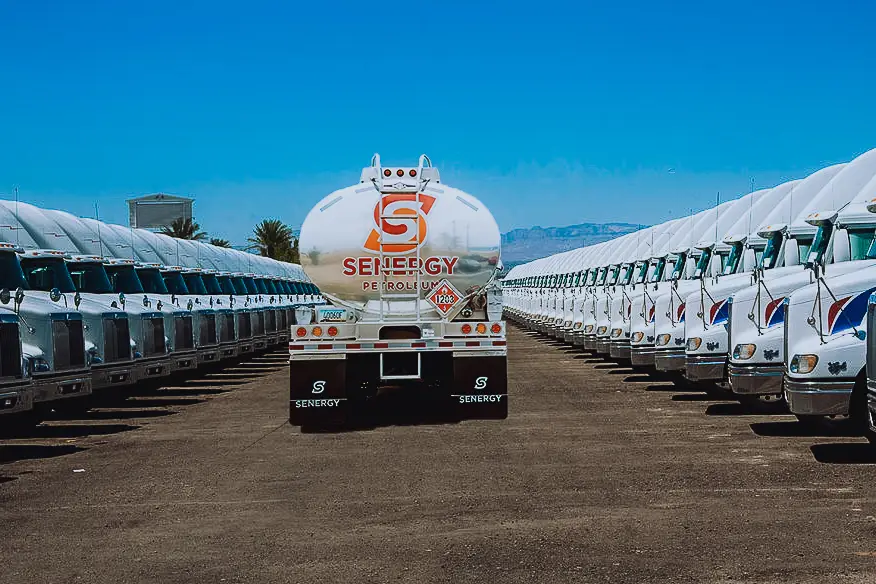
Fuel is a critical resource for countless industries, and maintaining a dependable supply is essential to keeping operations running smoothly. In sectors such as logistics, construction, transportation, and manufacturing, consistent fuel availability directly impacts productivity. When shortages occur, downtime and delays can quickly become costly. Implementing a well-structured fuel delivery schedule helps ensure fuel arrives on time—every time.
Optimizing delivery schedules allows businesses to improve operational efficiency, manage costs more effectively, and maintain steady productivity. At Senergy Petroleum, we understand how strategic fuel delivery planning supports business continuity and keeps operations on track.
Streamlining Operations with Fuel Delivery Scheduling
A dependable fuel delivery schedule is essential to avoiding unexpected shortages that can halt operations. Without proper planning, businesses may face last-minute fuel shortages that cause costly downtime and disrupt productivity. Scheduling deliveries in advance helps companies prepare for periods of high demand and ensures they always have the fuel needed to keep critical operations running without interruption.
With a structured delivery schedule in place, businesses can operate with confidence. Reliable deliveries eliminate the need for urgent orders and keep fleets, machinery, and equipment consistently fueled and ready to perform. This proactive approach to supply management minimizes disruptions and helps companies stay on schedule and meet project goals efficiently.
The Benefits of Reliable Fuel Delivery Scheduling
A dependable fuel delivery schedule is essential to avoiding unexpected shortages that can halt operations. Without proper planning, businesses may face last-minute fuel shortages that cause costly downtime and disrupt productivity. Scheduling deliveries in advance helps companies prepare for periods of high demand and ensures they always have the fuel needed to keep critical operations running without interruption.
With a structured delivery schedule in place, businesses can operate with confidence. Reliable deliveries eliminate the need for urgent orders and keep fleets, machinery, and equipment consistently fueled and ready to perform. This proactive approach to supply management minimizes disruptions and helps companies stay on schedule and meet project goals efficiently.
How Fuel Scheduling Boosts Operational Efficiency
One of the primary advantages of fuel delivery scheduling is its ability to strengthen operational efficiency. With proper planning, businesses can align their fuel supply with their daily demands—ensuring equipment and vehicles are always ready for use. This approach reduces downtime, increases productivity, and keeps operations running seamlessly.
Fuel delivery scheduling is particularly valuable for industries such as transportation, construction, and agriculture, where fleets and machinery are constantly in motion. Any delay in fueling can result in project setbacks, missed deadlines, and service interruptions. A consistent, well-structured delivery plan ensures businesses remain prepared and projects stay on schedule.
Strengthening Operations Through Scheduled Fuel Management
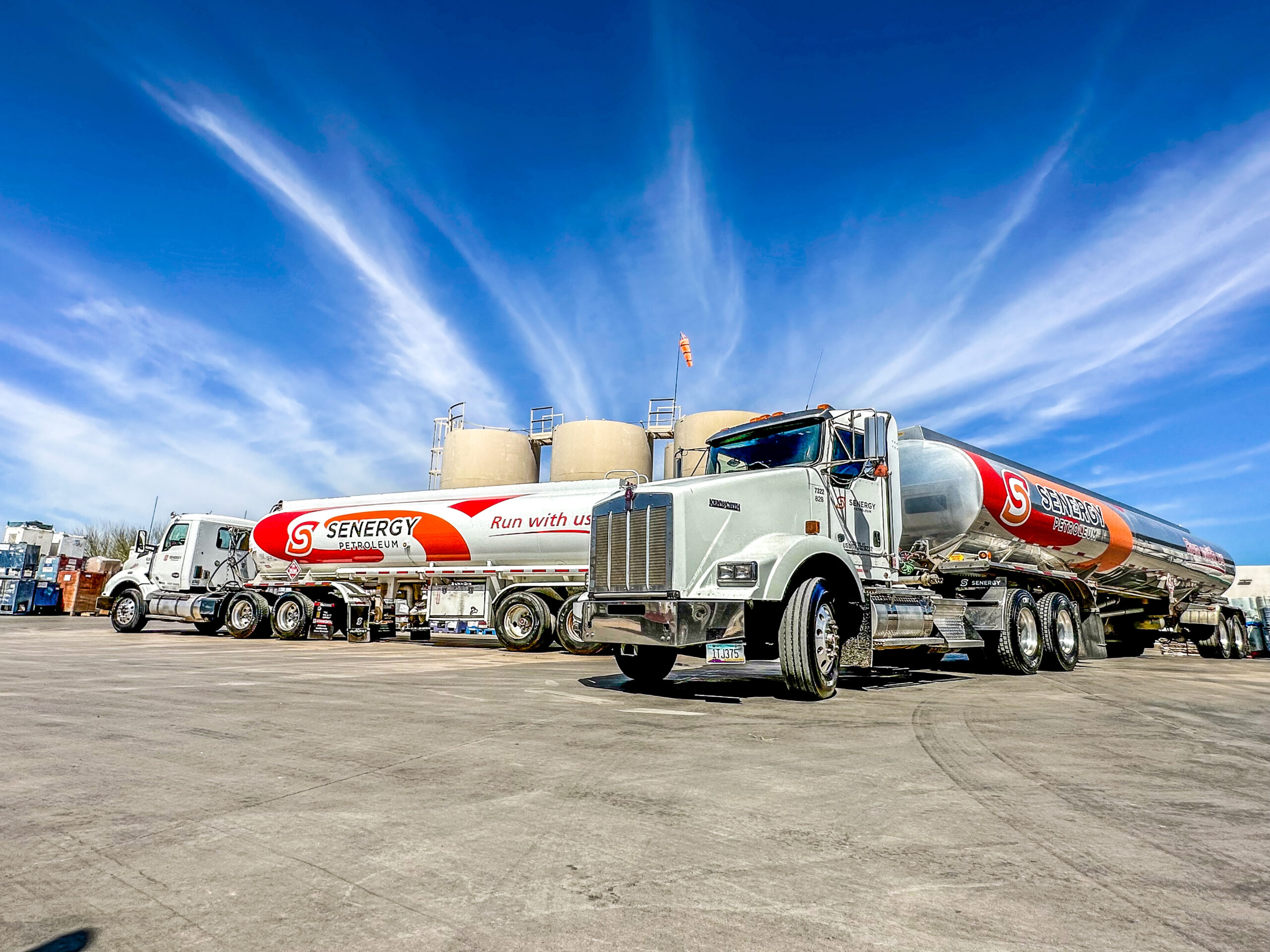
A well-planned fuel delivery schedule is essential for optimizing business efficiency. Without a reliable plan in place, companies risk unexpected fuel shortages that can interrupt operations and reduce productivity. A structured schedule allows businesses to monitor fuel consumption, plan refueling in advance, and ensure availability when it matters most.
By coordinating fuel deliveries ahead of time, companies can allocate resources more effectively and keep critical machinery and equipment operating without delay. This proactive approach improves supply planning, enhances operational control, and minimizes costly disruptions across all areas of the business.
The Advantage of Automated Fuel Delivery Scheduling
Manual fuel delivery scheduling can often lead to inconsistencies and errors that disrupt operations. Automated scheduling systems eliminate these challenges by ensuring fuel deliveries occur at the right time, guided by real fuel consumption and usage data. Automation enhances business efficiency by reducing the risk of human error and streamlining the overall fuel management process.
With automated systems, businesses can monitor fuel levels in real time, receive alerts when supplies are low, and automatically schedule refills as needed. This proactive approach keeps fuel availability aligned with operational demands, prevents shortages, and supports smarter, more efficient supply planning.
Enhancing Fuel Scheduling with Remote Monitoring
Remote fuel monitoring systems add another level of precision and control to fuel delivery scheduling. These systems provide real-time insights into fuel levels, usage trends, and consumption patterns, allowing businesses to track supply without relying on manual checks.
When combined with a structured delivery schedule, remote monitoring strengthens supply planning and ensures fuel availability at all times. Automated alerts notify businesses when levels begin to drop, enabling timely deliveries and preventing potential shortages before they impact operations.
How IoT is Shaping the Future of Fuel Delivery Scheduling
The future of fuel delivery scheduling is being transformed by the integration of Internet of Things (IoT) technology. IoT-enabled systems provide businesses with real-time data on fuel levels, usage patterns, and delivery schedules—empowering smarter scheduling and more accurate forecasting. This level of connectivity gives businesses greater control over their fuel management and reduces the likelihood of unexpected shortages.
Through predictive analytics, IoT technology can anticipate future fuel requirements based on historical data, helping companies schedule deliveries with precision and maintain consistent fuel availability. These systems can also detect irregular consumption patterns, such as potential fuel loss or theft, allowing businesses to address issues before they disrupt operations.
The Power of Smart Fuel Scheduling
Fuel delivery scheduling is an essential part of effective fuel management, ensuring businesses maintain reliable fueling and consistent operational efficiency. By strategically planning deliveries and utilizing advanced tools such as automation, remote monitoring, and IoT technology, companies can stay ahead of demand, eliminate downtime, and keep their operations running seamlessly.
With a proactive approach to scheduling and supply management, businesses gain greater control over their fuel usage and long-term productivity. When reliability matters most, Run With Senergy—your trusted partner in keeping operations fueled, efficient, and ready for whatever comes next.