
How Fuel Delivery Helps Manufacturing Facilities Improve Efficiency
Manufacturing facilities rely on a steady supply of fuel to keep equipment, vehicles, generators, and other essential systems running. When fuel is not available at the right time, a small supply issue can quickly turn into a production delay. Employees may need to leave the facility for refueling, equipment may sit idle, and scheduled work can fall behind.
A reliable fuel supply helps manufacturers avoid these disruptions. Instead of depending on last-minute purchases, facilities can plan deliveries around their operating schedules, storage capacity, and fuel consumption. This makes it easier to keep essential equipment ready while reducing unnecessary work for operations and maintenance teams.
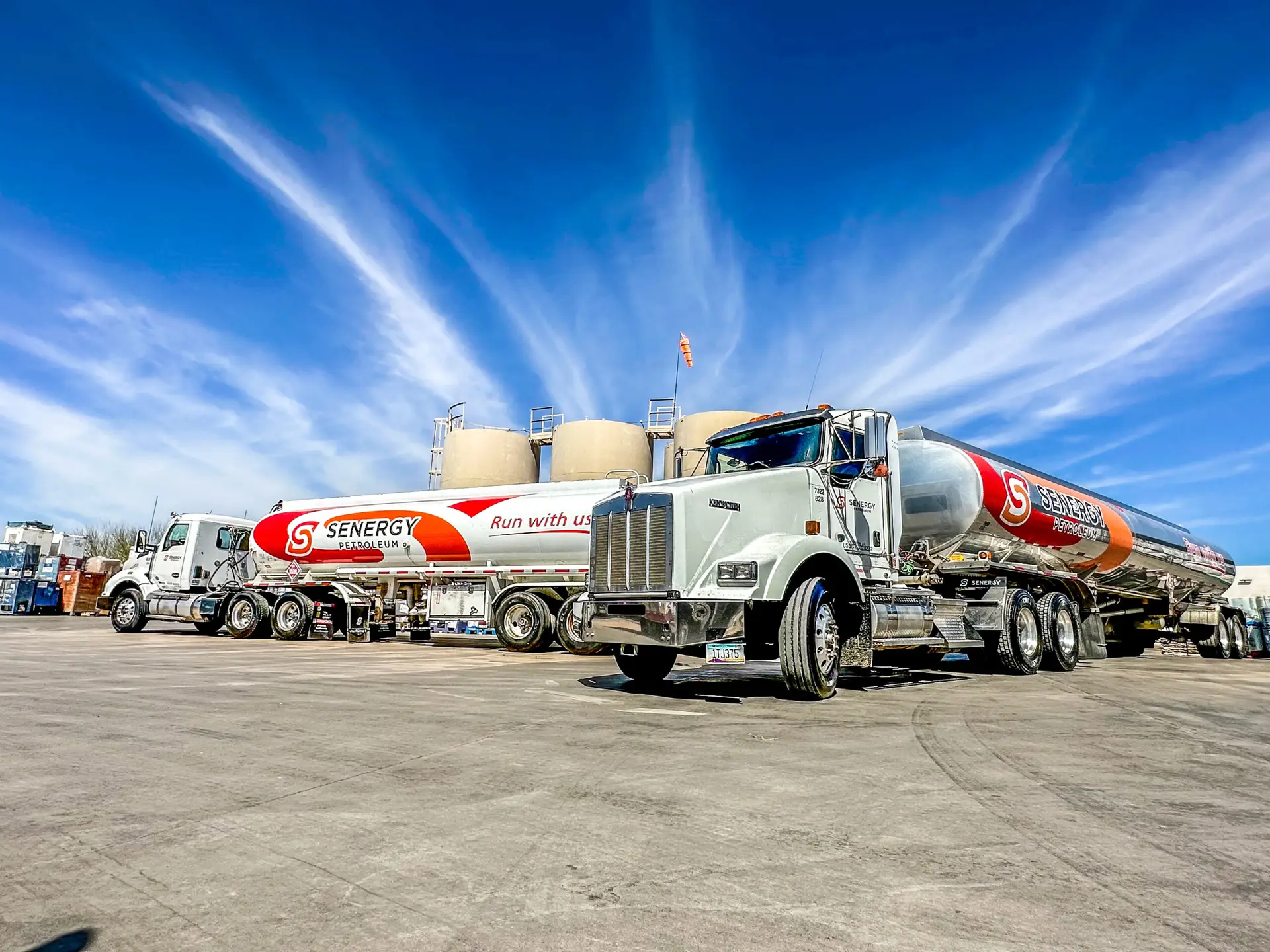
For many U.S. manufacturers, Industrial Fuel Delivery can be an important part of an efficient fuel supply strategy. With the right delivery schedule and inventory practices, facilities can improve fuel availability, reduce interruptions, and keep daily operations moving.
Overview
- Reliable fuel delivery reduces downtime.
- On-site fueling saves time and labor.
- Bulk delivery helps control fuel costs.
- Tank monitoring improves inventory control.
- Reliable fuel supply keeps critical equipment ready.
- Planned deliveries help prevent fuel shortages.
Why Reliable Fuel Supply Matters in Manufacturing
Manufacturing plants often depend on several types of equipment that require fuel. Forklifts may move raw materials and finished products, generators may provide backup power, and fleet vehicles may handle transportation around the facility. Heating systems, pumps, compressors, and other equipment may also contribute to a facility’s fuel demand.
A shortage can affect more than the equipment that needs the fuel. If a forklift cannot operate, materials may not reach the production area on time. If a backup generator does not have enough fuel during a power outage, critical systems may be affected. These situations can create delays that are avoidable with better fuel planning.
Scheduled fuel deliveries give facilities a more organized way to maintain their supply. Delivery times can be planned around production schedules, shift changes, maintenance activities, or other periods when site access is convenient. This helps reduce interference with normal plant operations while keeping fuel available when it is needed.
How Fuel Delivery Helps Reduce Production Downtime
Downtime is costly for manufacturing businesses because a production interruption can affect employees, equipment, orders, and delivery schedules. Fuel shortages are one source of downtime that facilities can often prevent through proper planning.
On-site fuel delivery brings fuel directly to the manufacturing facility instead of requiring employees to travel to an off-site fueling location. This can save time and reduce unnecessary trips. Employees can spend more of their working hours on production, maintenance, equipment operation, and other responsibilities.
Regular delivery schedules can also reduce the risk of running out of fuel. Rather than waiting until a storage tank is nearly empty, facilities can establish delivery intervals based on their normal consumption. The schedule can then be adjusted when production levels or seasonal requirements change.
This approach is particularly useful for manufacturing plants that operate multiple shifts or maintain continuous production. When fuel supply is included in the overall operating plan, there is less chance that an unexpected shortage will interrupt the workflow.
How Bulk Fuel Delivery Can Improve Cost Control
Fuel expenses involve more than the amount paid for each gallon. Manufacturers also need to consider transportation, employee time, delivery frequency, administrative work, and the cost of emergency purchases. A well-organized purchasing process can help control these additional expenses.
Bulk fuel delivery allows manufacturers to purchase larger quantities according to their storage capacity and expected consumption. Facilities with consistent fuel requirements may benefit from scheduled deliveries instead of arranging individual purchases whenever fuel levels become low.
Buying in bulk can also make fuel purchasing easier to plan. Procurement teams can review historical consumption, expected production levels, and storage capacity when determining how much fuel is needed. This provides a clearer basis for budgeting and reduces reliance on rushed orders.
A broader Commercial Fuels program can also simplify purchasing when a facility uses several products. Depending on the operation, these may include diesel, gasoline, propane, DEF, lubricants, or other fluids. Managing related fuel requirements through an organized supply program can reduce administrative effort and make delivery coordination easier.
Improving Fuel Inventory Management
Keeping the right amount of fuel on hand is an important part of manufacturing operations. Too little fuel can create shortages and emergency orders, while excessive inventory can take up storage capacity and make fuel management more difficult.
Manufacturing Fuel Management helps facilities make better decisions by giving managers a clearer understanding of fuel consumption and inventory levels. Basic practices may include regular tank checks, delivery records, fuel usage reports, and comparisons between expected and actual consumption.
Larger facilities may also use tank monitoring technology to provide more frequent information about fuel levels. Sensors and remote monitoring systems can help identify when a tank is approaching a predetermined level, giving the facility more time to arrange replenishment.
Consumption records can reveal useful patterns as well. A facility may use more fuel during periods of increased production, seasonal activity, extended generator operation, or changes in equipment usage. Reviewing these patterns can help managers adjust delivery frequency and avoid using the same schedule throughout the year when actual demand has changed.
The goal is to maintain enough fuel for normal operations without allowing avoidable shortages or excessive inventory to become a problem.
Keeping Generators and Equipment Ready
Manufacturing facilities depend on many assets that support the production process. Forklifts, yard trucks, generators, pumps, compressors, heating equipment, and other machinery may all require dependable access to fuel.
Backup generators deserve particular attention. They may remain unused for long periods, but when a power outage occurs, they can become essential to the facility. Depending on the operation, generators may support lighting, refrigeration, communications, safety systems, production equipment, or other critical loads.
Maintaining an adequate fuel supply helps ensure that backup power is available when required. Regular inspections combined with planned fuel replenishment can reduce the risk of discovering an insufficient supply during an emergency.
On-site delivery can also make equipment fueling more convenient. Instead of requiring operators to take vehicles or equipment off-site, fuel can be delivered to the facility and stored for use. This can help reduce travel time and keep equipment closer to where it is needed.
The exact fuel requirements depend on the equipment and facility. Diesel, gasoline, propane, heating oil, renewable diesel, biodiesel, DEF, and lubricants may all have different applications. Facilities should select products according to equipment requirements and applicable operating standards.
Building a More Efficient Fuel Supply Plan
A good fuel delivery program should be based on how a manufacturing facility actually operates. Managers should consider average fuel consumption, peak demand, storage capacity, equipment requirements, operating hours, delivery access, and the potential impact of a fuel shortage.
Delivery frequency should reflect actual usage. A facility with stable consumption may benefit from a recurring schedule, while a plant with changing production levels may require a more flexible approach. Reviewing fuel consumption regularly can help managers make adjustments before a supply problem occurs.
Emergency planning is another important consideration. Severe weather, power outages, unexpected production increases, transportation problems, and equipment issues can create an immediate need for fuel. Having a fuel supplier and delivery process established in advance can make it easier to respond when normal plans are disrupted.
Facilities should also consider how fuel deliveries fit into site operations. Clear delivery areas, safe access to storage tanks, communication between departments, and coordination with the supplier can help prevent unnecessary disruptions during deliveries.
Ultimately, efficient fuel management is about more than keeping a tank full. It involves understanding how much fuel the facility uses, when it needs replenishment, which equipment depends on that supply, and how fuel availability affects production.
A well-planned delivery program can help manufacturers reduce unnecessary travel, limit fuel-related delays, improve inventory control, and keep critical equipment ready for use. By treating fuel supply as part of the broader production plan, manufacturing facilities can create a more organized and dependable operation.
