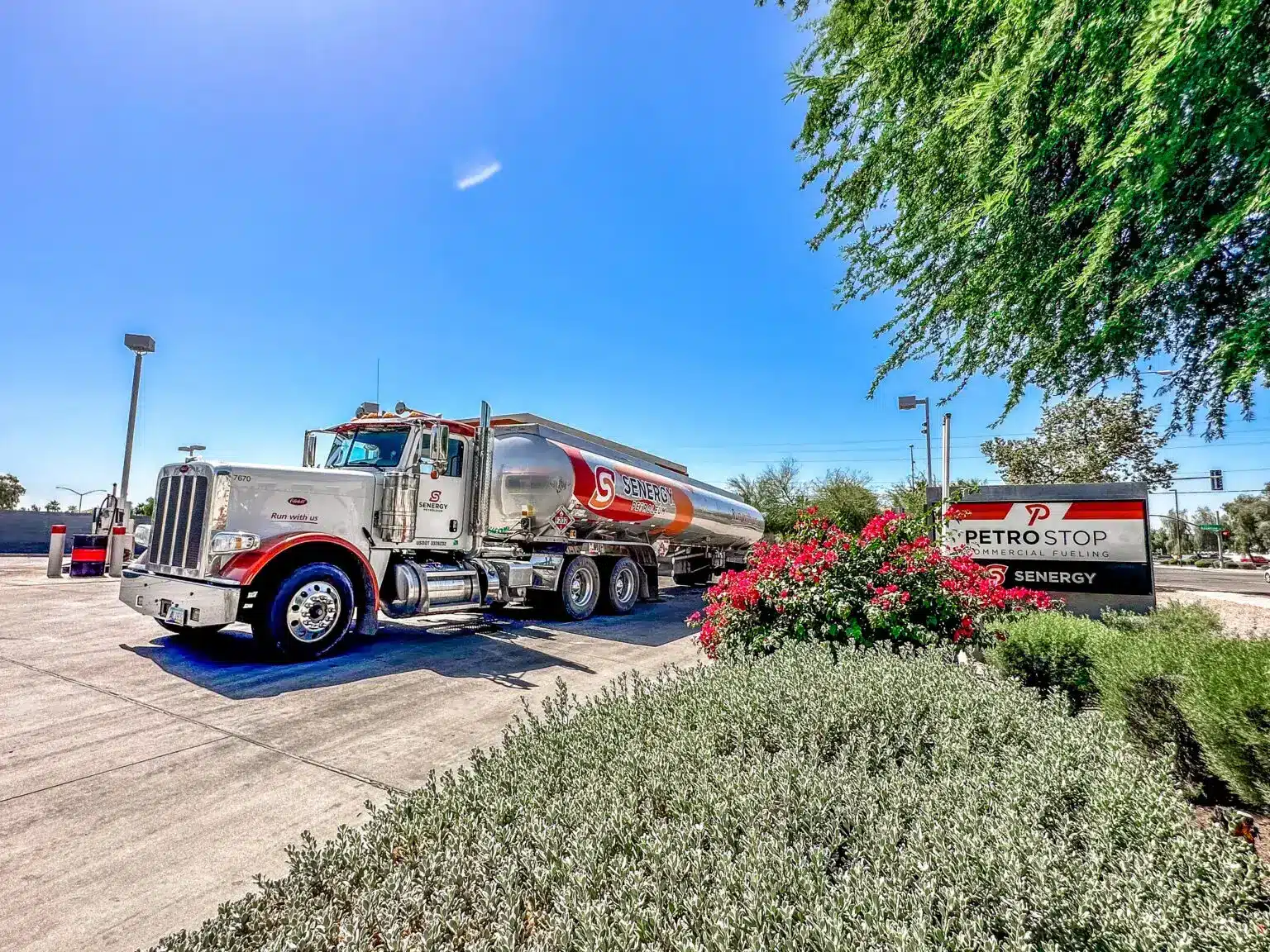
How Direct Fuel Delivery Keeps Construction Equipment Moving
Keeping heavy equipment fueled is a routine part of running a jobsite, but it can have a much bigger effect on productivity than it may seem. Construction Fuel Delivery can help keep excavators, bulldozers, wheel loaders, cranes, generators, and other machines supplied with the fuel they need. When fuel runs low, work can slow down or stop until the machine is ready again.
For crews working long shifts or across large and remote sites, sending equipment or employees to a fuel station can add unnecessary travel and downtime. Direct fuel delivery offers another approach by bringing fuel to the location where it is needed. This makes refueling easier to schedule and helps keep equipment available for the work it was brought in to do.
Overview
- Fuel delivered directly to the jobsite helps keep heavy equipment ready for work.
- Direct fuel delivery can reduce trips to fuel stations and unnecessary travel for operators.
- Planned fueling can help reduce the risk of fuel shortages and fuel-related work interruptions.
- Tracking deliveries and consumption helps control fuel use and costs.
- A reliable fueling plan helps crews manage equipment and project schedules more efficiently.


Why Reliable Fuel Supply Matters on a Jobsite
Heavy equipment can consume a significant amount of fuel during a normal workday. An excavator digging foundations, a loader moving materials, or a generator providing temporary power may each have different fuel requirements. Without proper planning, an unexpected low fuel level can interrupt an otherwise productive shift.
A well-planned fueling schedule can help reduce fuel-related interruptions. Deliveries can be planned around equipment usage, operating hours, fuel tank capacity, and expected consumption. Instead of waiting until a machine is nearly empty, site managers can arrange fuel before it becomes a problem.
This becomes even more important on large projects. Highway work, commercial development, earthmoving, and infrastructure projects may have machines operating across different parts of a site. Moving equipment back to a fuel station can take valuable time, particularly when the nearest station is several miles away. Bringing fuel directly to the site keeps refueling closer to the normal workflow.
How Direct Fuel Delivery Works
Direct fuel delivery brings fuel from a supplier to a designated location, such as a jobsite, construction yard, storage area, or approved piece of equipment. Depending on the operation, fuel may be delivered through a mobile fueling truck or into bulk, temporary, or permanent storage tanks.
Delivery schedules can be arranged according to the needs of the site. Some operations may require regular deliveries, while others may order fuel when storage levels reach a predetermined point. Larger fleets can use fuel consumption records and tank levels to estimate when another delivery will be required.
The setup is not the same for every project. A smaller site with several machines may need periodic deliveries, while a large operation with dozens of assets may require bulk storage and frequent mobile fueling. Equipment count, fuel consumption, site access, operating hours, and project duration all play a role in determining the right approach.
Fueling Different Types of Equipment
A modern jobsite rarely depends on a single machine. Excavators, bulldozers, skid steers, wheel loaders, graders, cranes, dump trucks, generators, light towers, compressors, and paving equipment can all contribute to the work.
Each asset has its own fuel tank capacity and operating pattern. A machine running continuously may require refueling much more often than equipment used for occasional support. Generators and light towers may also need regular attention when crews work overnight or operate in areas without access to permanent utilities.
A coordinated fueling plan helps account for these differences. Instead of treating every machine as a separate fuel requirement, fleet managers can look at the entire group of assets and determine where and when fuel will be needed. This makes delivery planning easier and reduces the chance that an important machine is overlooked.
Fuel type is another consideration. Depending on the equipment and application, suppliers may provide fuels such as diesel, gasoline, biodiesel, or renewable diesel. Some operations may also require Diesel Exhaust Fluid (DEF), which is an emissions-control fluid rather than a fuel. The appropriate product should always be selected according to the equipment manufacturer’s requirements and applicable regulations.
Reducing Travel and Work Interruptions
One of the main advantages of on-site fueling is the reduction in unnecessary trips to retail fuel stations. When an operator or employee leaves the site to refuel, that person is away from the work area. The trip also involves driving time, waiting, and returning to the site.
For equipment that cannot easily travel on public roads, the problem can be even greater. Large excavators and other heavy equipment may be impractical or unsuitable to move to a retail fueling location simply for refueling. Moving it away from the work area can disrupt the schedule and affect other activities around it.
Bringing fuel to the site can make the process more convenient. Equipment can be refueled during planned breaks, at the end of a shift, or during other periods when it is not being used. Where available and appropriate for the site, overnight fueling can help prepare equipment with adequate fuel for the next workday.
This approach does not eliminate every possible source of downtime, but it can remove one avoidable interruption from the daily schedule.
Using Fuel Data for Better Planning
Fuel delivery is not only about getting diesel or gasoline to a machine. The information collected during the process can also help managers understand how fuel is being used.
Depending on the fueling program and available technology, digital meters, electronic delivery records, tank monitoring, GPS, telematics, and fuel-management platforms may provide information about fuel deliveries, inventory, and equipment activity.
Fuel usage can also be compared with operating hours. If a machine begins consuming significantly more fuel than expected, the data may prompt a closer look at its workload, operating conditions, maintenance, or potential fuel loss.
Detailed fuel records can also support project accounting and cost tracking. Instead of looking only at the total amount of fuel purchased, companies can review fuel consumption by machine, location, or project. This provides a clearer picture of operating costs and can help with future budgeting and fuel planning.
Creating a Practical Fueling Plan
A reliable fueling plan starts with understanding the equipment and the work schedule. Managers should consider the number of machines on site, fuel types, tank capacities, average consumption, operating hours, and expected project duration.
The location of the work also matters. A site near several fuel stations may have different needs from a remote project where access is limited. Large sites may have equipment spread across several areas, making delivery routes, storage locations, and fueling points important parts of the plan.
Fuel storage and handling should also be considered from the beginning. Appropriate tanks, hoses, dispensing equipment, spill controls, secondary containment, and fire-safety measures can help support a safer fueling operation. Companies should follow applicable federal, state, and local requirements for fuel transportation, storage, and handling.
A good plan should also leave room for changes. Equipment may be added to a project, operating hours may increase, or fuel consumption may change as work moves from one phase to another. Regularly reviewing fuel usage and delivery schedules can help keep the plan aligned with actual site conditions.
Reliable Jobsite Fueling can become an important part of keeping equipment productive. By bringing fuel closer to the machines, reducing unnecessary travel, organizing deliveries around operating schedules, and using fuel data for planning, companies can make day-to-day operations more predictable.
For projects that depend heavily on machinery, fuel is more than another operating expense. It is an essential resource for keeping fuel-powered equipment available for scheduled work. A well-planned fueling approach can help keep fuel available where and when crews need it while reducing unnecessary fueling-related interruptions.