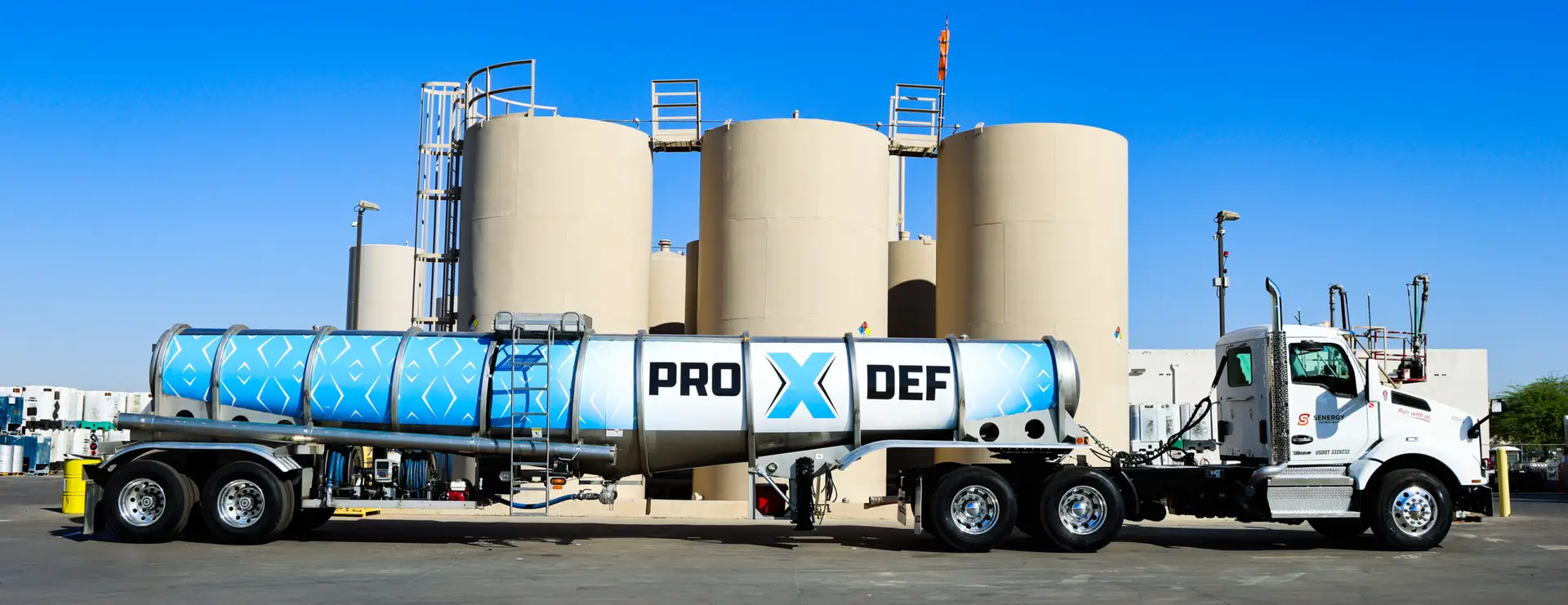
How Diesel Exhaust Fluid Supports Modern Fleet Performance
Diesel exhaust fluid (DEF) is an essential component of modern diesel fleets across transportation, construction, agriculture, and government sectors. It is a precisely formulated solution of 32.5% urea and 67.5% deionized water, designed for use in advanced emissions systems.
DEF is not a fuel additive and does not affect the combustion process. Instead, it is injected post-combustion to help fleets meet increasingly stringent emissions regulations without sacrificing performance. This positions DEF as more than a compliance requirement—it is a critical operational resource.
For fleet managers, integrating DEF into daily operations supports cleaner, more consistent performance. Understanding its role allows businesses to plan fuel strategies more effectively while aligning with environmental standards and long-term growth goals.
DEF also plays a key role in modern diesel engine design and calibration. As emissions technologies continue to evolve, DEF has become integral to overall fleet efficiency, making reliable DEF supply planning just as important as diesel procurement.
In today’s competitive landscape, diesel exhaust fluid should be viewed as a non-negotiable component of fleet operations—impacting uptime, regulatory compliance, and long-term cost management.
How DEF and SCR Technology Improve Diesel Engine Efficiency
Modern diesel engines are equipped with advanced systems such as Selective Catalytic Reduction (SCR) to reduce emissions, with diesel exhaust fluid (DEF) serving as a critical component. DEF is injected into the exhaust stream, where it reacts with nitrogen oxides (NOx) and converts them into harmless nitrogen and water.
This process can reduce emissions by up to 90% in some applications—without compromising engine performance. For fleet operators, this allows engines to run at higher efficiencies. Rather than limiting combustion to control emissions, engines can be optimized for performance while DEF-based systems manage environmental impact.
This separation of performance and emissions marks a significant advancement in diesel technology. Fleets benefit from improved fuel economy, reduced engine wear, and increased overall productivity.
Additionally, SCR systems are equipped with sensors and diagnostic tools that monitor DEF levels and system performance. These features help maintain emissions system integrity and reduce the risk of downtime or regulatory non-compliance.
The integration of DEF within emissions systems delivers a strong balance of power and environmental responsibility—an essential advantage for fleets operating in performance-driven and highly regulated industries.
How DEF Supply Affects Fleet Uptime
Diesel exhaust fluid (DEF) availability is critical to maintaining uninterrupted fleet operations. Without sufficient DEF, diesel engines may automatically derate—reducing power output to protect emissions systems and maintain compliance.
For fleet operators, this makes DEF inventory management a priority. A shortage is more than an inconvenience; it can disrupt operations, delay deliveries, and increase overall costs.
To mitigate these risks, DEF supply should be fully integrated into the broader fuel strategy. This includes forecasting demand, implementing bulk storage solutions, and securing a reliable supply chain that aligns with commercial fuel requirements.
Proactive DEF planning helps prevent disruptions during periods of high demand and reduces the likelihood of costly, unpredictable purchasing decisions.
For larger fleets, centralized DEF storage and automated monitoring systems further enhance efficiency. Real-time visibility into usage supports more accurate planning, improved cost control, and streamlined operations.
Ultimately, a dependable DEF supply supports consistent performance, regulatory compliance, and uninterrupted service—key priorities for fuel-dependent businesses operating in competitive markets.
How DEF Supports Emissions Compliance
Diesel exhaust fluid (DEF) is widely used to meet increasingly stringent emissions regulations across global markets. Governments require fleets to reduce nitrogen oxide (NOx) emissions, and advanced exhaust technologies—such as Selective Catalytic Reduction (SCR)—rely on DEF to achieve these standards.
DEF plays a central role in maintaining fleet compliance. SCR-equipped vehicles are specifically engineered to meet emissions targets, and consistent DEF use is essential to keeping these systems functioning as intended.
Failure to comply can result in fines, operational restrictions, and reputational risk. In addition, many modern diesel engines are designed to limit performance if emissions systems are not operating correctly—further reinforcing the importance of maintaining adequate DEF levels.
For fleet operators, compliance goes beyond avoiding penalties. It is critical to maintaining uptime, protecting operational continuity, and supporting long-term business stability.
A structured approach to DEF management—including proper storage, usage monitoring, and team training—helps ensure compliance across all operations.
By treating DEF as a core component of regulatory strategy, fleets can meet emissions requirements while maintaining productivity and performance.
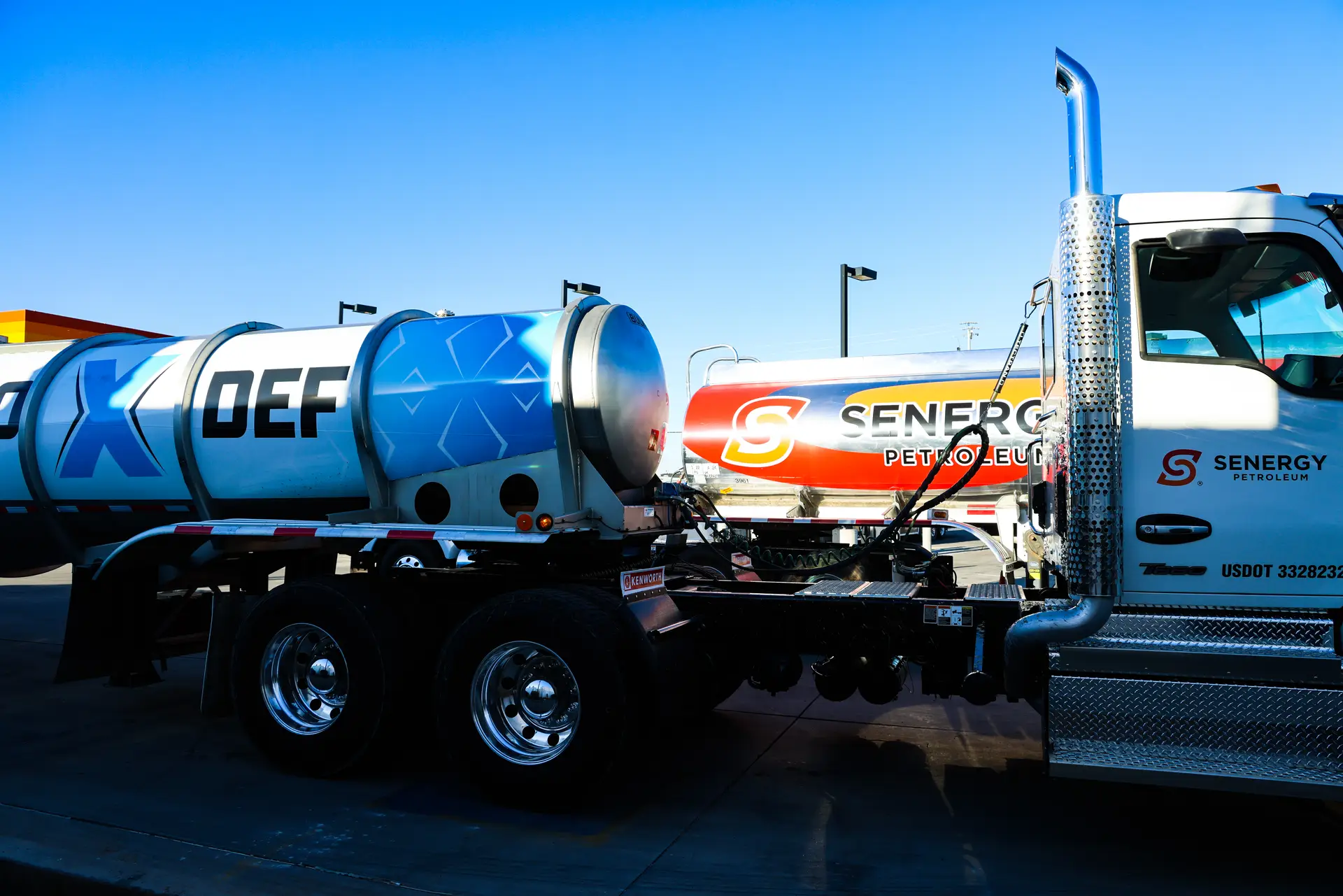
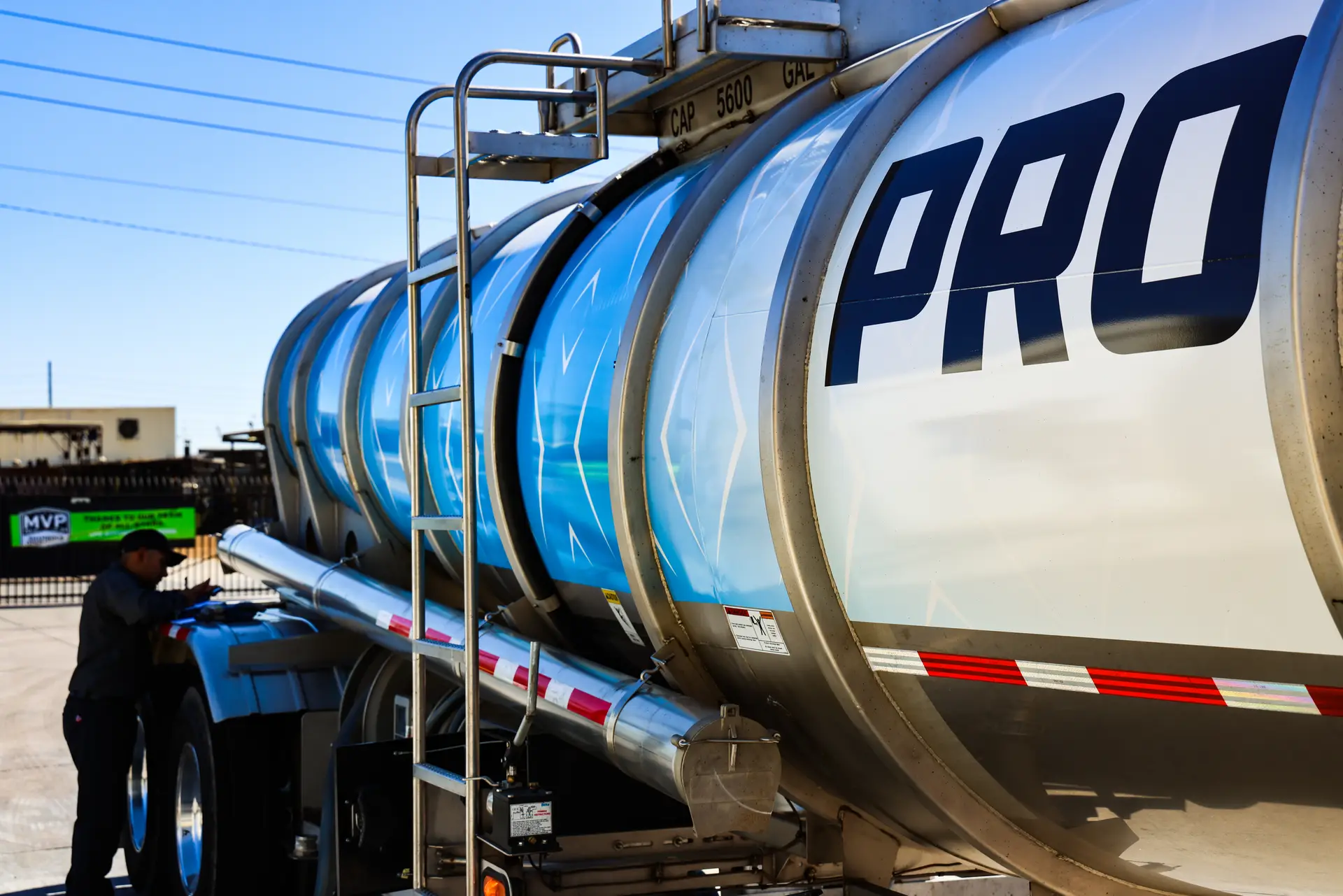
How DEF Enhances Diesel Engine Performance and Efficiency
An often overlooked benefit of diesel exhaust fluid (DEF) is its contribution to improved engine performance. By shifting emissions control from the engine to Selective Catalytic Reduction (SCR) systems, engines can be optimized for combustion efficiency.
This results in better fuel economy, reduced engine strain, and extended component life. Instead of sacrificing efficiency to meet emissions standards, fleets can achieve both performance and compliance.
DEF systems also help minimize harmful deposits within the engine, supporting cleaner operation and reducing maintenance requirements over time.
These performance gains are especially valuable in high-demand industries such as construction and transportation, where equipment operates under heavy loads and over long distances. Improved efficiency and reliability directly support productivity in these environments.
Modern diesel engines are specifically designed to integrate with DEF systems, ensuring seamless operation without added complexity.
By recognizing DEF as more than a compliance requirement, fleet managers can leverage it as a tool to enhance overall performance and operational efficiency.
The Cost of Diesel Exhaust Fluid
While diesel exhaust fluid (DEF) introduces an additional operating cost, it also creates opportunities for long-term savings. Modern emissions systems improve fuel efficiency and reduce maintenance demands, helping offset the cost of DEF over time.
Effective DEF management is key to maximizing these benefits. Bulk purchasing, proper storage, and usage monitoring can significantly reduce cost per unit and improve overall cost control.
Maintaining adequate DEF supply also helps avoid compliance penalties and unplanned downtime—both of which can impact revenue. Reliable, compliant equipment supports consistent operations and stronger financial performance.
DEF also contributes to extended equipment life cycles. By reducing engine strain and limiting wear associated with emissions control, it helps preserve critical components and lower long-term maintenance and replacement costs.
When evaluated holistically, DEF should be viewed as a strategic investment. With the right management approach, it supports cost control, operational efficiency, and long-term profitability.
The Role of DEF in the Future
With tightening emissions standards, diesel exhaust fluid (DEF) will continue to play a growing role in fleet operations. Advancements in emissions systems and connected fleet technologies, including predictive analytics, are improving DEF monitoring, reducing waste, and strengthening compliance.
As the industry moves toward more efficient and lower-emission operations, diesel engines will remain essential across many sectors, with DEF continuing to support this transition.
For fleet managers, staying competitive means prioritizing reliable DEF supply, adopting smarter monitoring tools, and working with trusted partners.
Ultimately, DEF is no longer just a compliance requirement—it is a key factor in operational efficiency, performance, and long-term sustainability.