How Delivered Fuel Supports Transportation Fleet Efficiency
Fuel is essential to keeping commercial fleets on the road, but the way vehicles are refueled can have a noticeable effect on daily operations. Trucking companies, delivery operators, logistics businesses, and other fleet-based organizations must balance fuel needs with driver schedules, route commitments, vehicle availability, and operating costs. When refueling takes place during productive hours, even a routine stop can disrupt the day’s schedule.

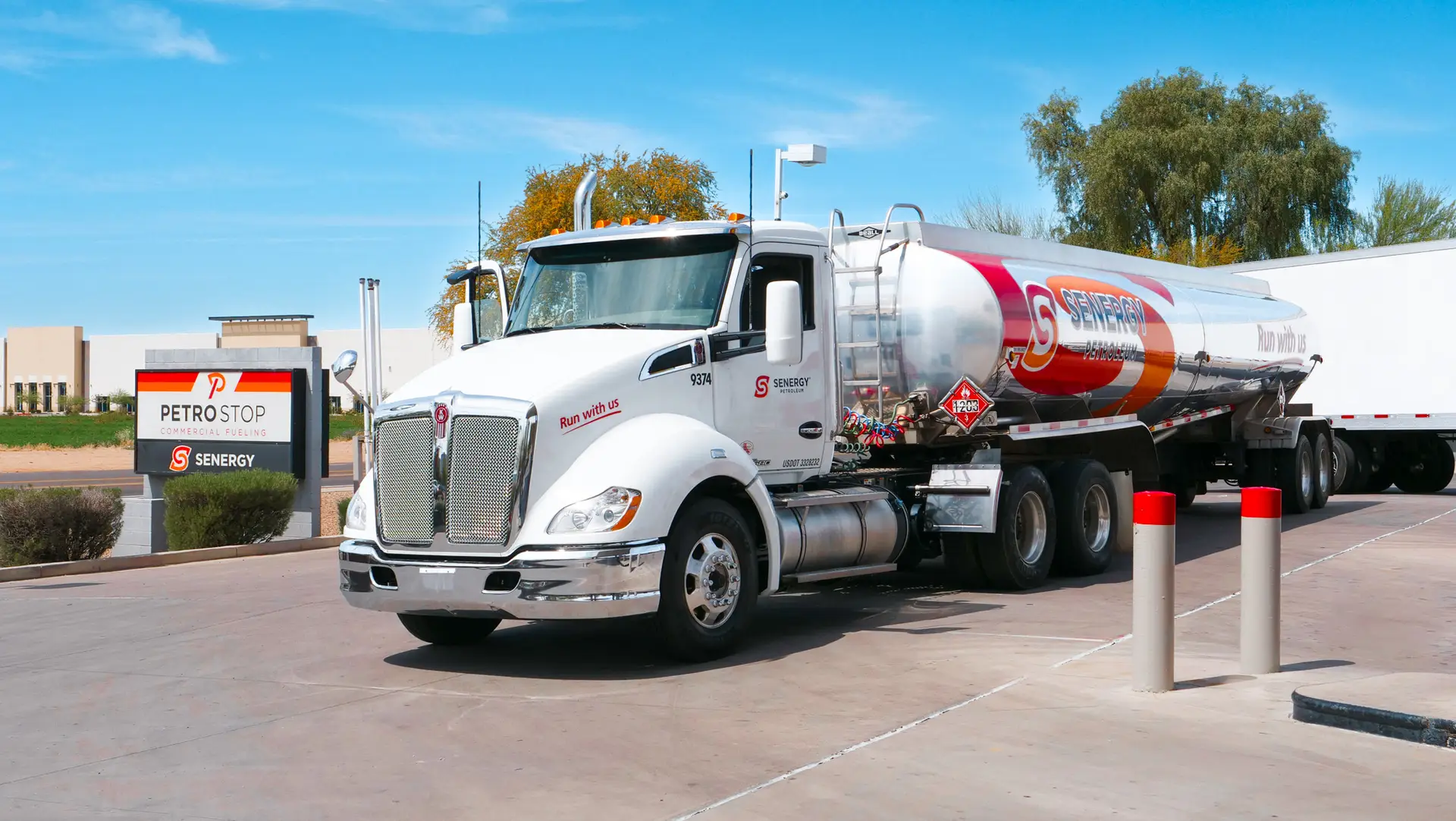
Delivered fuel provides an alternative by bringing fuel directly to a fleet’s location. Vehicles can be fueled at a yard, terminal, depot, or other approved facility while they are parked. When the process is planned around operating schedules, businesses can spend less time managing fuel stops and more time keeping vehicles available for their assigned work.
Reducing Time Spent at Fuel Stations
A commercial fuel stop involves more than the time needed to fill a tank. A driver may need to leave the planned route, travel to a station, wait for an available pump, refuel, and get back on the road. For vehicles operating on tight delivery schedules, those extra steps can interfere with planned routes and arrival times.
Delivered fuel brings the supply to the fleet instead of requiring every vehicle to travel to a public station. Depending on the operation, vehicles can be fueled overnight, between shifts, or during scheduled downtime. This allows refueling to take place when vehicles are already off the road.
The difference can be particularly useful for delivery fleets, regional carriers, and other operations with frequent stops throughout the day. Drivers can leave the yard with fueled vehicles and focus on their scheduled routes rather than finding time to refuel along the way.
Reducing unnecessary fuel stops may also cut nonproductive mileage. While the savings will vary by fleet, fewer detours mean fewer miles spent traveling solely to obtain fuel. Over time, that can support more consistent route planning and better use of vehicle hours.
Making Better Use of Driver and Vehicle Time
Driver time is closely tied to fleet productivity. Every hour spent on an avoidable task is time that cannot be used for deliveries, freight movement, service calls, or other productive work. Refueling is necessary, but it does not necessarily need to happen while a driver is actively working.
Fleet fueling allows businesses to move refueling into periods when vehicles are already parked. A company might arrange for its trucks to be fueled after they return to a terminal, for example, so the vehicles are ready when the next shift begins.
This approach can also improve vehicle availability. Trucks, vans, buses, and other commercial vehicles are most useful when they are ready for service. Starting a shift with a fueled vehicle can remove one potential interruption from the driver’s schedule and reduce the chance of an unexpected fuel stop later in the day.
The benefit is not limited to large carriers. Smaller delivery and service fleets can also organize fueling around their operating hours. The key is to match the fueling schedule with when vehicles are normally parked and when fuel demand is highest.
Creating a More Predictable Fuel Supply
Fuel management requires more planning than simply ordering fuel when a tank is nearly empty. Fleet operators need to consider fuel consumption, storage capacity, delivery frequency, vehicle schedules, and changes in demand.
A scheduled delivery program can make fuel replenishment easier to manage. Fleets with relatively consistent consumption may establish recurring deliveries based on their expected usage and available storage. Larger operations can also use tank monitoring to keep track of inventory and determine when additional fuel is needed.
Maintaining an adequate supply helps reduce the risk of a fleet running short during a busy operating period. It can also reduce the need for last-minute purchases when demand changes unexpectedly.
Fuel requirements can vary across a fleet. Heavy-duty trucks commonly use diesel, while gasoline may be used by lighter vehicles such as vans and passenger vehicles. Some diesel-powered fleets also require Diesel Exhaust Fluid (DEF). A well-planned fuel program should account for the products each vehicle requires and the quantities needed to keep operations moving.
Improving Fuel Tracking and Cost Control
Fuel is a significant expense for many commercial fleets, making accurate records an important part of fleet management. Managers need to know how much fuel is being purchased, where it is going, and whether consumption is consistent with vehicle activity.
Depending on the provider and fueling system, delivered-fuel programs may provide digital records for individual vehicles and equipment. Depending on the system, records may include gallons delivered, fueling dates, vehicle identification, locations, and other transaction details.
This information can help managers review fuel consumption and identify unusual patterns. For example, comparing fuel usage with mileage or operating hours can help identify vehicles or equipment using more fuel than expected. Accurate records can also simplify invoice reconciliation and provide a clearer picture of overall fuel spending.
Fuel tracking becomes even more useful when it works alongside fleet management software and telematics. GPS data can show where vehicles travel and how many miles they cover, while fuel records show how much fuel they consume. Reviewing these figures together can help managers evaluate vehicle performance, route activity, and fuel costs.
The goal is not to collect more data simply for reporting purposes. Useful fuel information should help fleet managers make practical decisions about purchasing, scheduling, vehicle use, and operating costs.
Selecting the Right Fueling Approach
There is no single fueling arrangement that works for every fleet. A small business operating from one facility may need a straightforward recurring delivery schedule, while a large carrier with multiple locations may require a combination of bulk storage, direct-to-vehicle fueling, and flexible delivery options.
Bulk fuel delivery can be a practical choice for businesses with suitable storage tanks and steady fuel demand. Direct-to-vehicle fueling may be better suited to operations that want vehicles fueled at their facility without relying on public stations. Some fleets may also benefit from overnight or recurring service that fits around established shift patterns.
Delivery frequency should reflect actual fuel consumption rather than an arbitrary schedule. A fleet with predictable demand may be able to plan deliveries well in advance, while an operation with seasonal or fluctuating workloads may need greater flexibility.
Fleet managers should also consider fuel types, delivery capacity, service coverage, scheduling, recordkeeping, safety procedures, and storage requirements when evaluating a supplier. Price matters, but it should be considered alongside the effect the fueling arrangement has on labor, fueling time, vehicle utilization, and daily operations.
Making Fueling Part of Fleet Planning
Fueling works best when it is treated as part of the overall fleet schedule rather than as a separate task handled whenever a vehicle needs fuel. Dispatching, maintenance, parking, loading, and refueling can often be coordinated to reduce interruptions.
For example, a delivery fleet may return to a central facility at the end of each shift. While vehicles are parked, they can be inspected, refueled, and prepared for the following day. A regional carrier may schedule fueling during overnight parking, while a larger operation may coordinate deliveries across several facilities based on fuel consumption.
Fuel records can help refine these decisions. By reviewing consumption, mileage, fueling frequency, and vehicle utilization, managers can identify patterns and adjust delivery schedules or inventory levels when necessary.
For companies that depend on transportation services, these small operational improvements can add up. A fueling process that fits naturally into the workday can help reduce unnecessary interruptions without requiring major changes to routes or staffing.