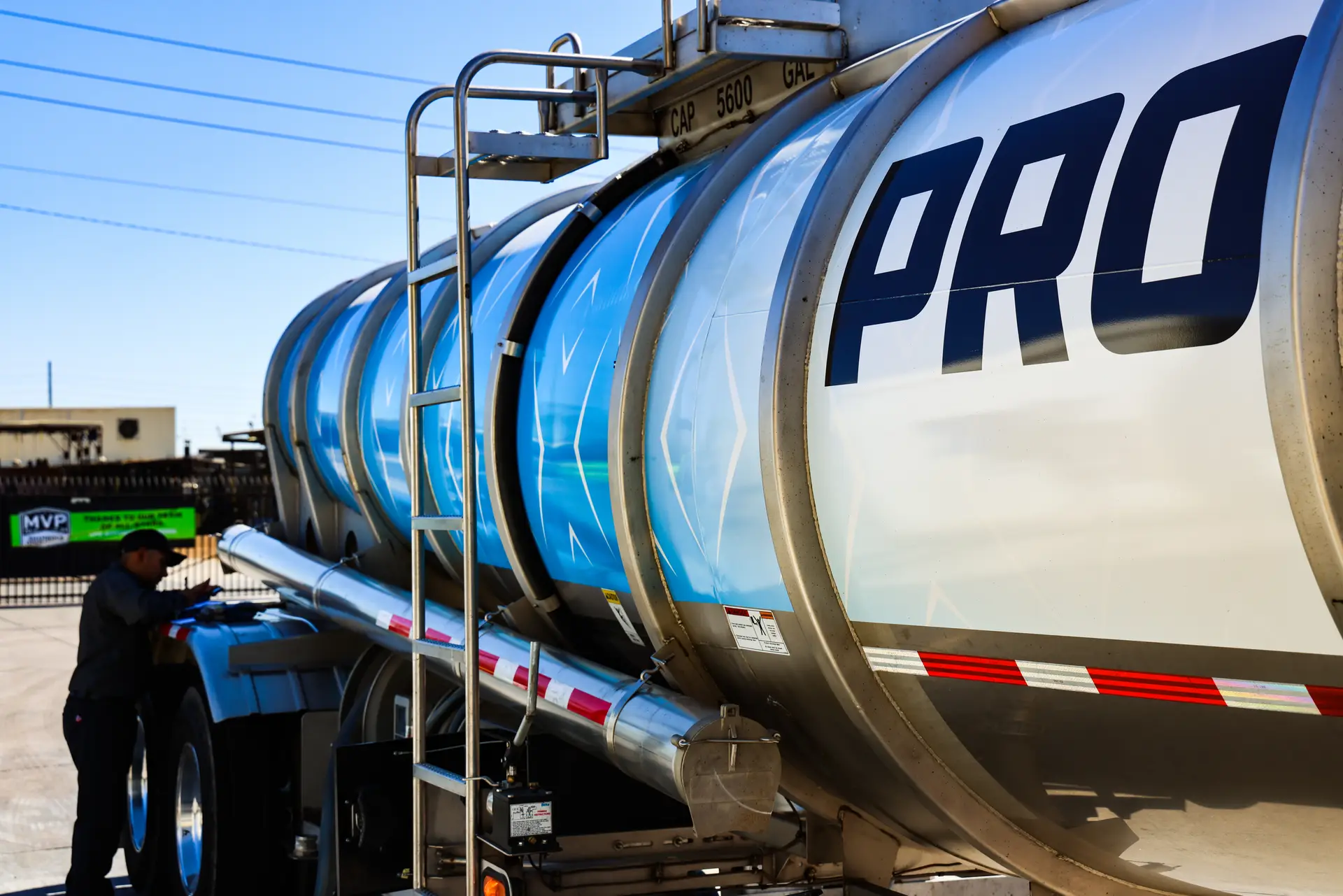
How DEF Contamination Impacts Fleet Performance
Diesel Exhaust Fluid (DEF) has been very important in the current diesel emissions system particularly in the case of fleet cars which have to comply with rigid environmental requirements. DEF contamination is the situation when the contaminants are brought into the DEF reservoir and they interfere with the chemical composition required to reduce the emissions of NOx (nitrogen oxides). As SCR (Selective Catalytic Reduction) technology relies on the accurate quality of DEF, contamination may result in reduced efficiency of the reaction, closures, and diagnostics at high costs. Fleet managers should realize that DEF is not a mere fluid it has a direct impact on engine performance, emissions conformance and operational expenses.
In case of DEF contamination, it may lead to coating of SCR catalyst with undesired compounds. Such deposits lower the capacity of the catalyst to transform the harmful gases into harmless nitrogen and water vapor. The result? Higher diesel emission production and the threat of regulatory failure in inspection. In the case of commercial fleets, which operate dozens or even hundreds of vehicles, even minor contamination would turn into downtime, fines or repairs.
Why Emissions Control Is Critical for Today’s Diesel Fleets
Diesel engines are prized for torque, fuel efficiency, and durability. However, their combustion produces nitrogen oxides (NOx), particulate matter (PM), and other regulated emissions. Reducing these emissions is essential for compliance, sustainability, and operational reputation. For fleets, emissions control also protects public health and air quality.
Selective Catalytic Reduction (SCR) systems lower NOx by injecting Diesel Exhaust Fluid (DEF) into the exhaust, converting pollutants into nitrogen and water vapor. If this process fails, emissions can exceed limits. Modern trucks and buses rely on a combination of engine performance, electronic controls, and precise fluid chemistry, unlike older vehicles that used mechanical systems alone.
The stakes are high. Fleets that neglect emissions risk fines, environmental impact, and reputational harm. Keeping emissions systems in proper working order safeguards both operational efficiency and brand integrity.
Building a Fleet Maintenance Program That Protects Emissions Performance
The most effective fleet maintenance programs prioritize routine inspections, predictive maintenance strategies, and thorough recordkeeping. Maintenance teams must receive training not only in general mechanical systems but also in emissions-related components, including DEF tanks, sensors, and Selective Catalytic Reduction (SCR) units. Strict fluid inspection and replacement schedules help teams identify potential issues before they turn into costly system failures.
Technicians can prevent contamination risks—such as dust, dirt, water intrusion, or the use of unapproved additives—through regular visual inspections of DEF tanks and supply lines. They should use only certified DEF products and dedicated dispensing equipment to maintain fluid purity. Fleet managers should secure fueling stations and clean them regularly to minimize airborne debris and environmental exposure. Maintenance schedules must also include sensor calibration and software updates, as modern diesel engines rely heavily on electronic monitoring systems to achieve compliant performance.
When a vehicle shows an emissions system issue, teams must diagnose it promptly. Waiting until annual inspections allows minor problems to escalate into major repairs and extended downtime. By integrating emissions system evaluations into routine preventive maintenance programs, fleets can prevent unexpected failures, control repair costs, and maintain consistent operational reliability.
Preventing DEF Issues Through Proper Training and Handling Practices
Human error remains a top cause of DEF issues. Without proper training, personnel may mishandle storage, use substandard products, or overlook contamination risks. Protecting emissions systems requires consistent, thorough training across all fleet operations.
Training should cover DEF chemistry, handling, storage, and contamination risks. Teams must keep fill points clean, use OEM-approved dispensing equipment, and prevent exposure to foreign substances. Operators should recognize early warning signs, such as dashboard alerts, rising emissions, or reduced fuel efficiency.
Using real-world case studies reinforces the operational and financial impact of mistakes. By emphasizing education and accountability, fleets can reduce preventable DEF problems and maintain compliance and performance.
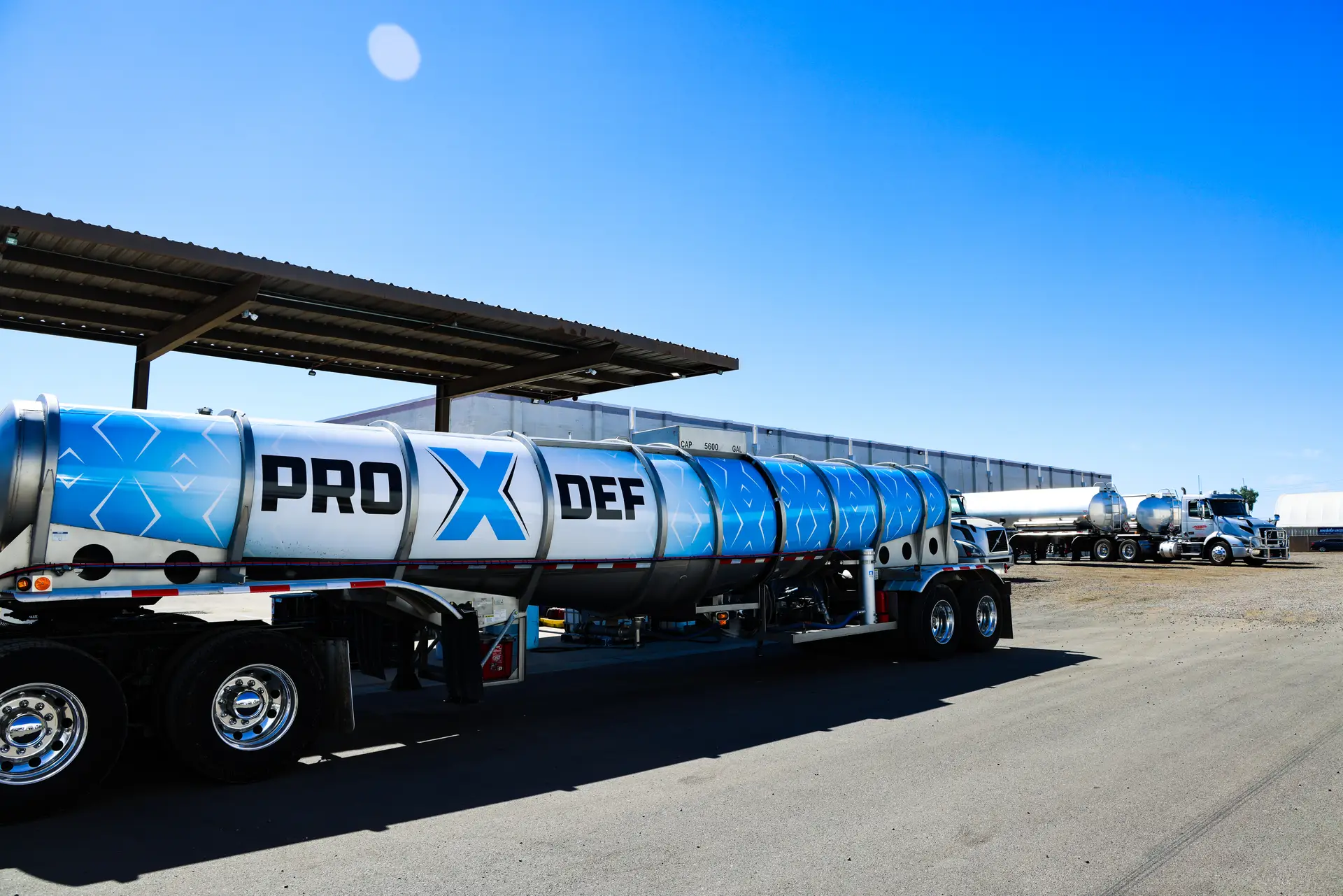
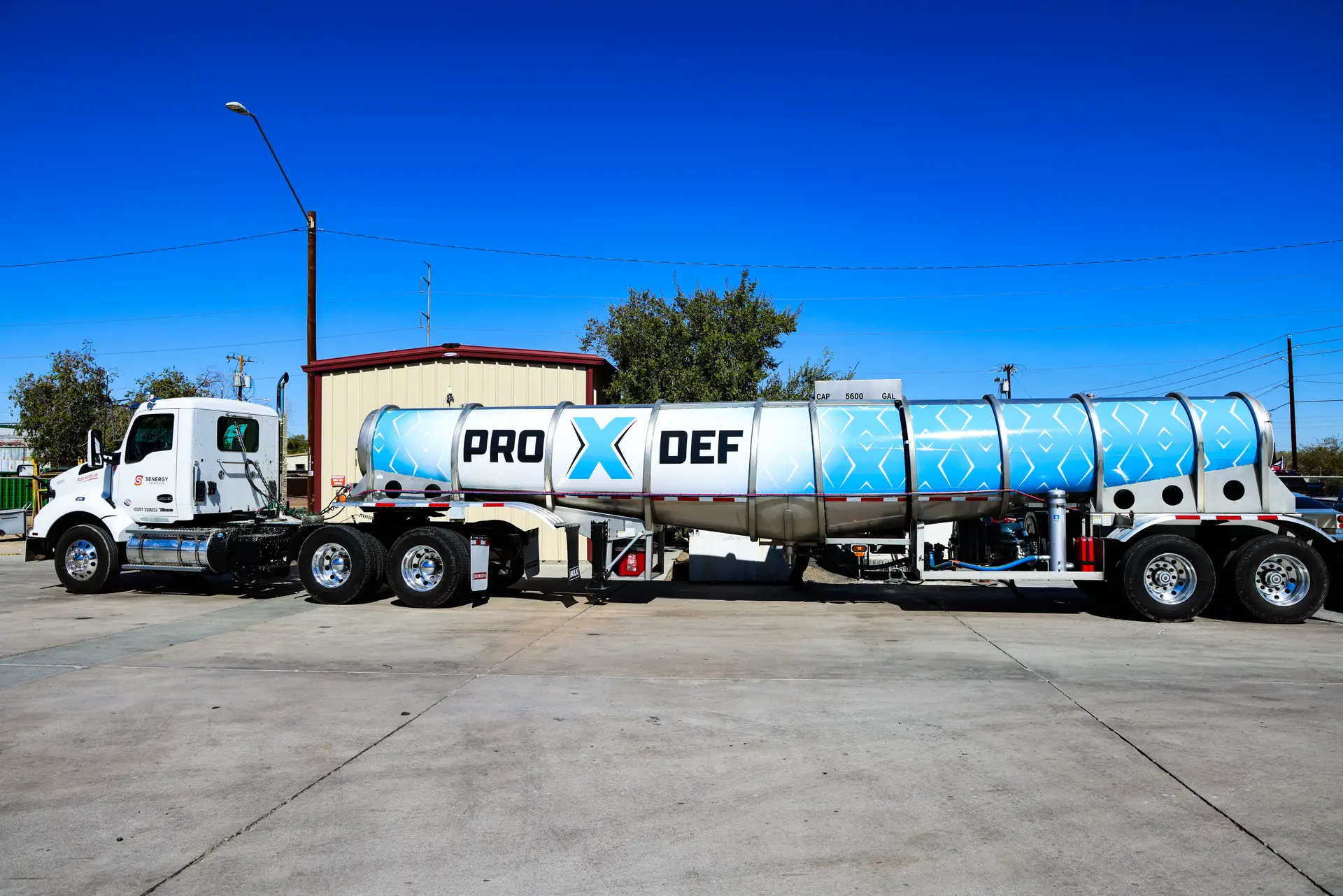
Using Advanced Diagnostics to Safeguard Fleet Emissions Performance
Advanced diagnostic tools have become essential for fleet managers working to minimize diesel emissions failures. Real-time monitoring systems can alert maintenance teams to early signs of DEF contamination or Selective Catalytic Reduction (SCR) inefficiencies before they escalate into major operational issues. When telematics systems are integrated with engine control units, fleets gain valuable insight into DEF quality, consumption rates, and catalyst performance.
Routine evaluations using onboard diagnostic (OBD) systems allow technicians to trace emissions irregularities to their source more efficiently. Portable DEF analyzers can test fluid composition and detect contamination before the product is introduced into a vehicle’s system. These proactive measures help prevent avoidable damage and compliance risks.
Technology-driven safeguards are not optional enhancements—they are strategic investments. By leveraging diagnostics, real-time data, and fluid analysis tools, fleets can reduce operational risk, maintain regulatory compliance, and protect vehicle uptime.
How Proactive Fleet Practices Reduce SCR Failures
Consider a regional logistics company that began experiencing recurring Selective Catalytic Reduction (SCR) malfunctions across its heavy-duty trailers. After a detailed review, technicians traced the issue to an outdoor DEF refill station where filtration controls were inadequate, leading to contamination. By relocating the station indoors, installing dedicated clean dispensing equipment, and retraining personnel on proper contamination prevention procedures, the company significantly reduced emissions-related failures and lowered repair costs.
In another case, a municipal transit fleet observed elevated diesel emissions during winter months. An internal review revealed that drivers were bypassing DEF inspections to save time during cold-weather operations. In response, the maintenance team implemented mandatory pre-shift inspections that included DEF quality checks. Within months, emissions levels stabilized, compliance rates improved, and operational consistency was restored.
These examples highlight the measurable impact of proactive fleet maintenance strategies that prioritize emissions system health. When organizations address root causes—whether procedural or environmental—they strengthen compliance, reduce downtime, and protect long-term operational performance.
Fleet Policies and Emissions Standards
Government and industry regulations continue to tighten as concerns surrounding air quality and climate change intensify. For fleets operating across state or international borders, emissions compliance is not optional—it is a fundamental business requirement. Violations can result in substantial fines, operational restrictions, or even the loss of authorization to operate in certain jurisdictions.
Fleet managers must routinely monitor the environmental standards that apply to their operating regions and incorporate those requirements into maintenance and emissions strategies. Automated reporting systems can streamline audit preparation and documentation, helping ensure readiness for inspections at any time.
Proper DEF management plays a critical role in regulatory compliance. Because DEF contamination can directly lead to emissions failures, regulatory agencies closely evaluate exhaust output and system performance during inspections. Preventing contamination reduces the likelihood of non-compliance findings and associated penalties.
For organizations that compete on reliability, service quality, and environmental responsibility, aligning internal policies with national and regional emissions standards strengthens brand reputation and supports long-term operational success.
Minimization of Emissions Failures
The future of fleet operations is moving toward sustainability, with innovations in cleaner diesel engines, electrification, and alternative fuels. Until zero-emission powertrains become widespread, proper DEF management and contamination prevention will remain critical for regulatory compliance.
Emerging technologies, including predictive maintenance and sensor-based quality checks, will further reduce emissions failures. Fleets that invest in these tools today position themselves to meet tomorrow’s regulatory and market demands. Regardless of fuel type, the principles of rigorous maintenance, quality control, and ongoing employee training will remain essential.