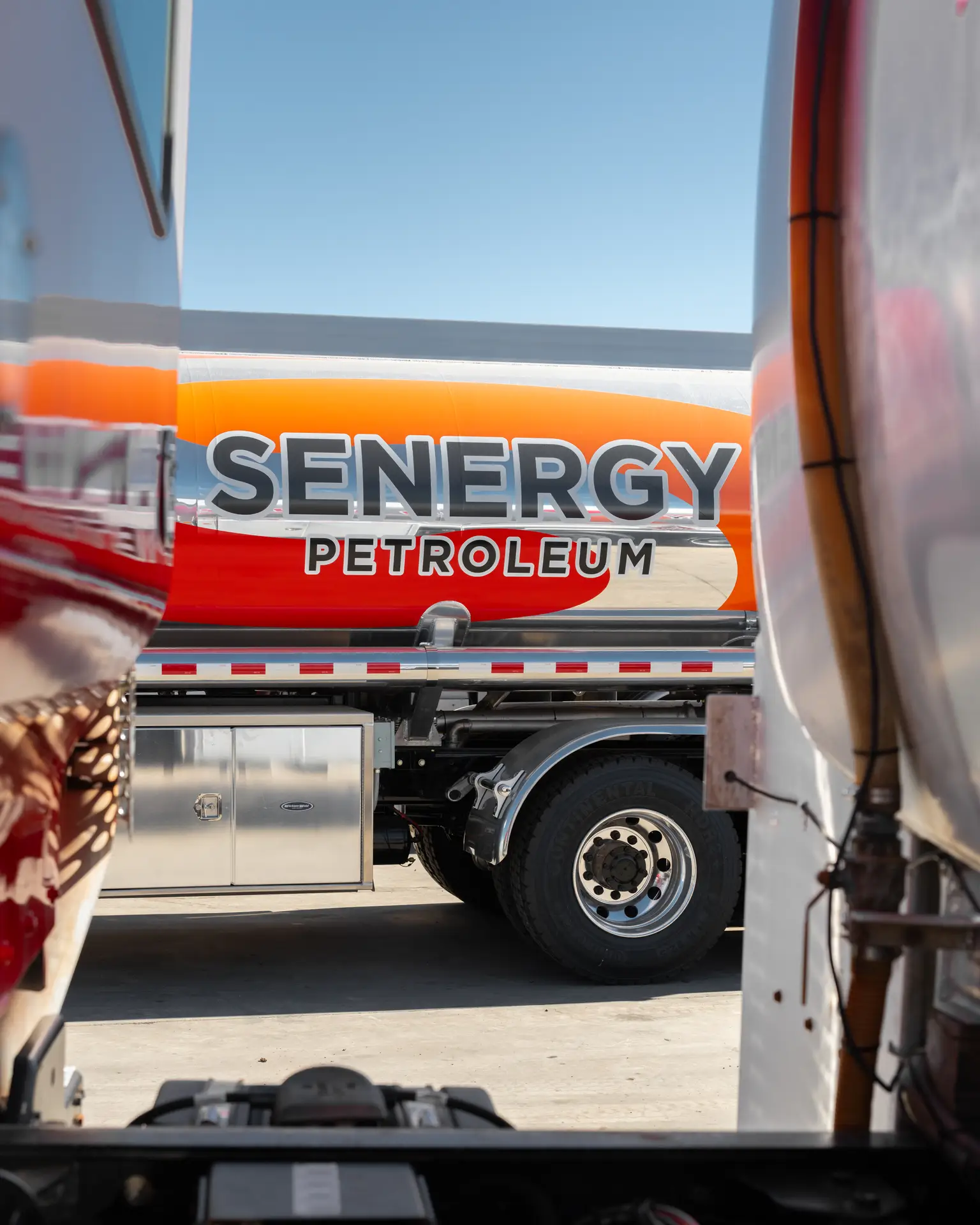
How Construction Fuel Services Keep Projects Running Smoothly
Construction projects depend on reliable fuel supplies to keep heavy equipment operating, crews productive, and work schedules on track. Excavators, bulldozers, wheel loaders, dump trucks, and diesel generators all require fuel to perform their jobs. When supplies run short, equipment can sit idle, workers may lose valuable time, and project deadlines can become harder to meet.
A well-planned fueling strategy helps contractors avoid these disruptions. Construction fuel services can include bulk diesel delivery, on-site refueling, temporary fuel storage, tank monitoring, and inventory management. Selecting the right services allows businesses to maintain fuel availability, manage operating expenses, and keep daily operations moving without unnecessary interruptions.
Overview
- Reliable fuel supplies reduce equipment downtime.
- On-site refueling and tank monitoring prevent shortages.
- Fuel management helps control costs and improve productivity.
- Proper planning keeps construction projects on schedule.

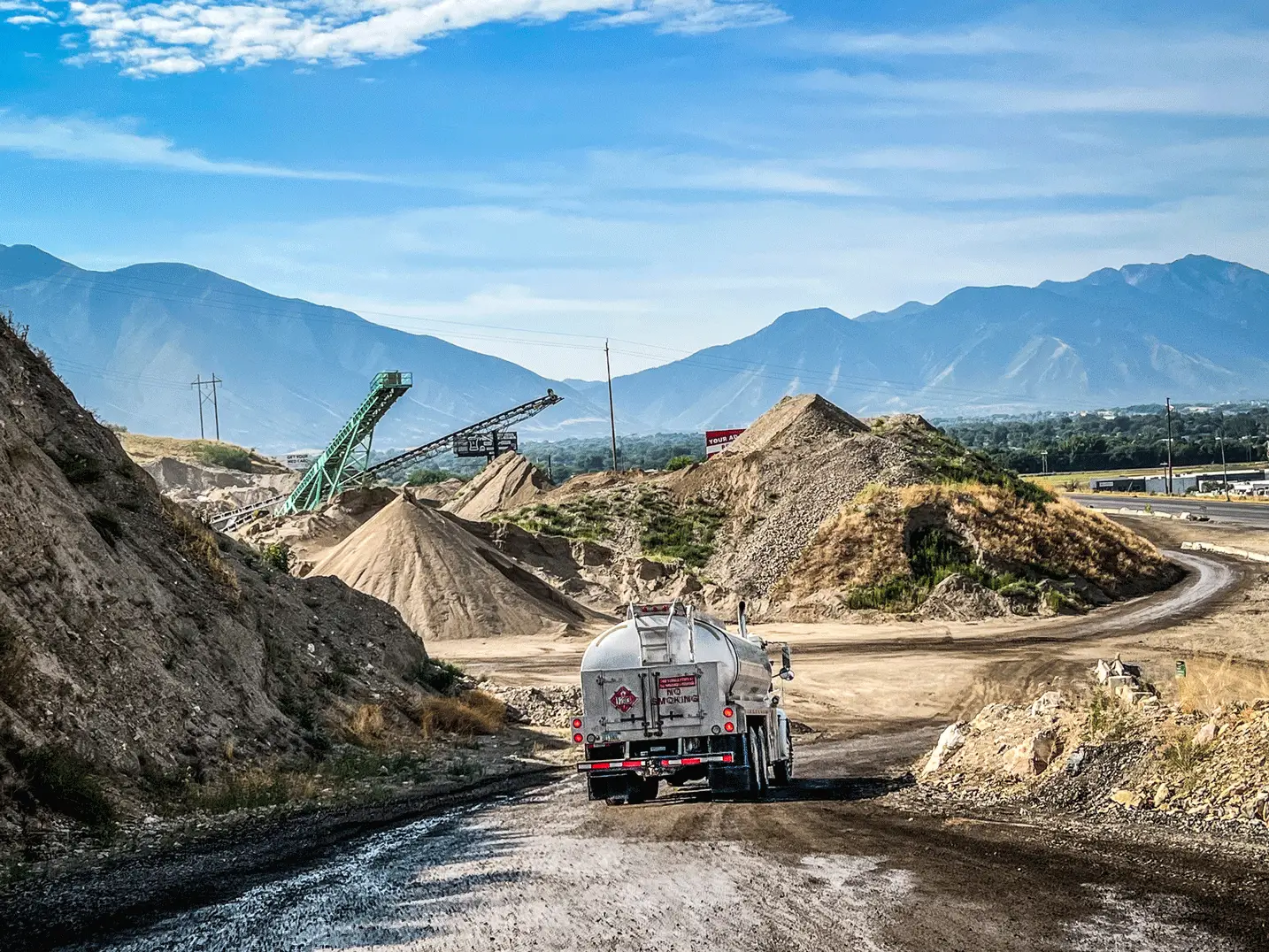
Why Reliable Fuel Supply Matters on Construction Sites
Fuel availability affects nearly every stage of a project involving heavy machinery. Earthmoving crews need diesel for excavation and grading, while roadwork teams depend on trucks, rollers, and paving equipment. Generators may also require a steady supply to provide temporary power at locations without permanent electrical connections.
An unexpected fuel shortage can disrupt several connected tasks. If a wheel loader stops moving materials, trucks may have to wait, and other workers may be unable to continue their assigned jobs. Coordinating deliveries with equipment usage helps reduce these interruptions and gives site supervisors greater control over daily schedules.
Reliable fuel planning also supports budgeting. When managers understand typical consumption patterns, they can estimate purchasing requirements, arrange deliveries, and investigate unusual increases in usage. This makes it easier to allocate resources and avoid the added pressure of last-minute fuel orders.
Bulk Fuel Delivery and On-Site Refueling
Bulk fuel delivery allows contractors to receive larger quantities of diesel or gasoline at an approved storage location or jobsite. Rather than sending vehicles to retail fueling stations throughout the day, businesses can schedule deliveries according to expected demand. This approach is particularly useful for large equipment fleets, road projects, and remote locations where convenient fueling stations may be difficult to reach.
On-site refueling provides another option by bringing fuel directly to eligible equipment. Depending on the service arrangement, delivery personnel can refuel machinery at its working location, reducing the time operators spend traveling to a separate fueling point. This can be useful for excavators, wheel loaders, generators, and other machines that remain at a site for extended periods.
The best approach depends on equipment locations, site access, daily consumption, and delivery frequency. Some projects benefit from combining direct-to-equipment fueling with on-site storage. A suitable arrangement keeps fuel accessible while reducing unnecessary travel and disruption to scheduled work.
Fuel Storage and Inventory Monitoring
Maintaining an adequate fuel supply requires more than placing an order whenever a tank appears low. Contractors need to know how much fuel they have available, how quickly it is being consumed, and how long replenishment may take. Without accurate records, changing workloads can lead to shortages or excess inventory.
Temporary storage tanks provide a practical option for projects that need fuel close to their equipment. Tank capacity should reflect expected consumption, delivery lead times, available space, and project duration. Storage arrangements must also account for proper containment, inspections, spill prevention, and applicable safety and environmental requirements.
Remote tank monitoring can simplify inventory management by providing information about fuel levels and consumption. Depending on the system, alerts can notify managers when supplies reach a specified threshold. Reviewing this information helps teams establish reorder points, recognize changes in demand, and arrange replenishment before fuel levels become critically low.
Supporting Equipment With the Right Fluids
Diesel and gasoline are only part of the fluids needed to maintain construction equipment. Engines, hydraulic systems, transmissions, and other components require lubricants that meet the manufacturer’s specifications. Selecting suitable products and following recommended service intervals helps protect machinery from unnecessary wear and supports dependable performance.
Diesel exhaust fluid (DEF) is also required for many modern diesel machines equipped with selective catalytic reduction emissions systems. DEF is a separate fluid, not a fuel additive, and must be stored and handled according to product instructions. Keeping the required fluids available helps maintenance teams complete scheduled servicing without avoidable delays.
Contractors can simplify purchasing by reviewing the fluid requirements of their equipment fleets and tracking supplies across their sites. Coordinating fuel, lubricants, DEF, and routine maintenance materials may reduce administrative work and make replenishment easier to manage. Product selection should always follow equipment manuals and applicable operating requirements.
Managing Unexpected Fuel Needs and Schedule Changes
Fuel demand can change quickly when a project adds equipment, extends working hours, or moves into a more demanding phase. Weather conditions, difficult terrain, and restricted delivery access can also affect consumption and replenishment schedules. A plan that worked during initial site preparation may no longer be suitable when several machines begin operating simultaneously.
Contractors can prepare for these changes by reviewing fuel usage regularly and maintaining clear communication with their suppliers. Delivery arrangements should account for site access, working hours, tank locations, and any restrictions that could affect incoming fuel trucks. Managers should also identify the equipment and generators that are most critical to ongoing operations.
Emergency delivery arrangements can provide additional support when unexpected shortages occur, although availability and response times depend on the supplier and service location. Maintaining an appropriate reserve, establishing reorder thresholds, and assigning responsibility for fuel checks remain important safeguards. These measures help teams respond to changing requirements without depending entirely on urgent deliveries.
Improving Cost Control and Daily Productivity
Fuel expenses extend beyond the price paid per gallon. Contractors must also consider delivery charges, employee time spent arranging refueling, equipment idle time, storage expenses, and the consequences of delayed work. Evaluating these factors together provides a clearer understanding of the total cost of keeping machinery supplied.
Construction fuel solutions can help businesses improve oversight through scheduled deliveries, inventory reports, consumption tracking, and centralized purchasing records. Managers can compare fuel use with equipment operating hours to identify unusual patterns or machines that consume more fuel than expected. Reviewing these figures regularly helps purchasing teams improve forecasts and investigate potential waste.
Clear procedures also make a difference. Assigning fuel checks to responsible employees, recording deliveries, inspecting storage tanks, and reviewing invoices can improve accountability. Businesses operating across multiple sites may benefit from consistent reporting methods that allow managers to compare consumption and plan supply more accurately.
The objective is not simply to purchase more fuel at once, but to ensure that the right amount is available when equipment needs it. Better coordination between site supervisors, maintenance teams, procurement staff, and fuel suppliers supports informed decisions, helps control operating expenses, and keeps projects moving toward their scheduled milestones.