
How Commercial Fuel Delivery Improves Business Continuity
Businesses that rely on vehicles, equipment, or backup generators cannot afford to overlook their fuel needs. A shortage at the wrong time can delay deliveries, leave equipment idle, interrupt essential services, and put daily schedules under pressure. For companies that depend on steady operations, having fuel available is part of being prepared.
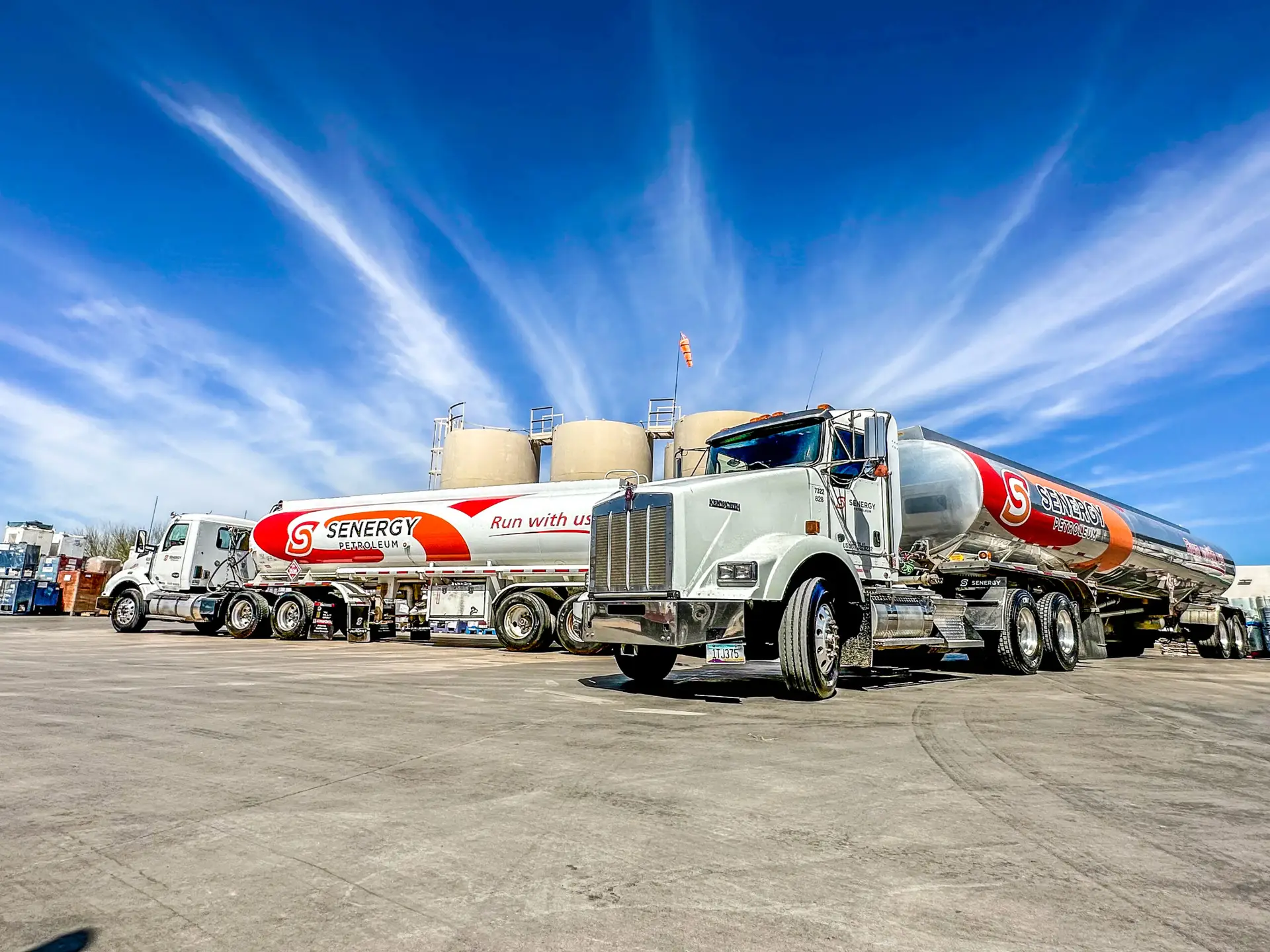
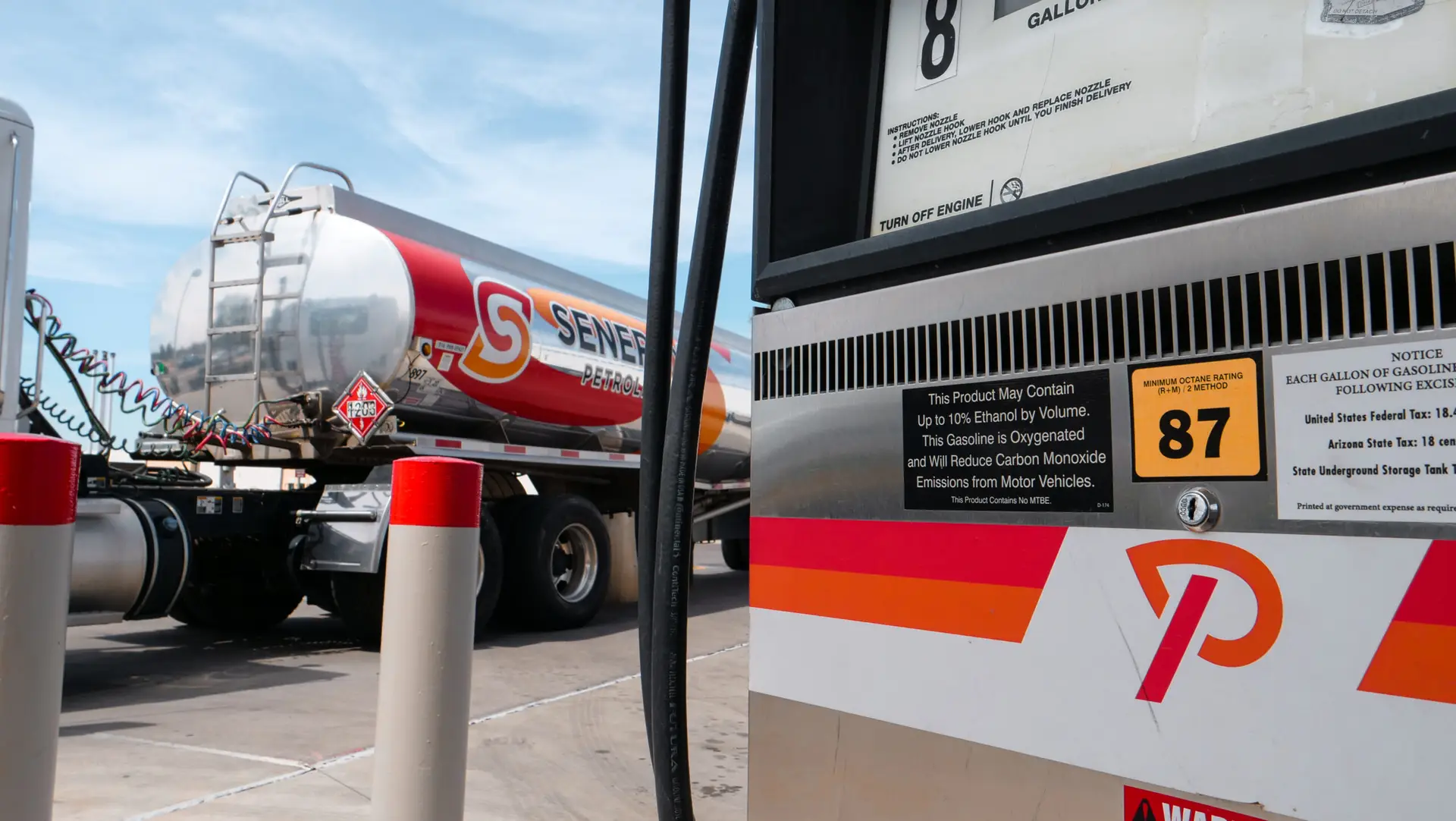
Commercial fuel delivery provides a practical way to manage that need. Rather than sending employees or drivers to fuel stations whenever supplies run low, businesses can arrange deliveries directly to their facilities, storage tanks, vehicles, or equipment. A planned approach makes fuel easier to manage and helps reduce the risk of an unexpected interruption.
TL;DR
- Fuel availability prevents operational delays.
- On-site fueling reduces downtime and unnecessary trips.
- Scheduled deliveries help maintain fuel reserves.
- Fuel supports backup generators during outages.
- Better fuel planning improves business continuity and operational reliability.
Keeping Fuel Available for Daily Operations
Fuel is often a behind-the-scenes part of business operations, but its importance becomes clear when it is unavailable. A delivery truck that cannot leave the yard, a construction machine that runs out of diesel, or a generator with an empty tank can bring important work to a halt.
A dependable fuel supply helps businesses avoid these situations. Scheduled deliveries can be arranged around normal consumption and storage capacity, allowing companies to maintain suitable inventory without waiting until tanks are nearly empty. Businesses can also account for periods when fuel usage is higher than normal.
This approach is useful for companies of all sizes. A small contractor may need regular diesel deliveries for equipment, while a larger fleet may require a coordinated fueling schedule across multiple vehicles and locations. In both cases, having fuel delivered where it is needed can make daily planning easier.
Reducing Downtime and Lost Work Hours
Getting fuel takes time. When drivers leave a facility to visit a fuel station, they are temporarily away from their routes or assigned duties. The same applies to employees who have to leave a job site or facility to arrange fuel for equipment.
On-site delivery can reduce these unnecessary trips. Fuel can be brought directly to a fleet yard, construction site, warehouse, or other commercial location. Vehicles and equipment can be fueled while they are parked, including during off-hours when appropriate.
The benefit goes beyond convenience. Fewer fuel stops can help businesses keep vehicles available for scheduled work and reduce interruptions throughout the day. For companies managing multiple vehicles or machines, those saved minutes can add up over time and contribute to better productivity.
Supporting Backup Generators During Power Outages
Fuel also plays an important role in keeping backup power systems running. During an outage, generators may be responsible for maintaining essential operations at commercial buildings, warehouses, healthcare facilities, data centers, and other critical locations.
A generator is only useful for as long as it has sufficient fuel. If an outage lasts longer than expected, the available supply may become a serious concern. Planning deliveries before inventory reaches a critical level can help businesses maintain backup power for longer periods.
This is particularly important during severe weather. Hurricanes, winter storms, flooding, wildfires, and other events can cause extended power interruptions while also making normal transportation more difficult. Including generator fuel in a continuity plan gives businesses another way to prepare for these conditions.
Preparing for Unexpected Fuel Disruptions
Not every fuel requirement can be predicted. A sudden increase in demand, transportation delays, severe weather, or a disruption somewhere in the fuel supply chain can affect normal delivery schedules. Businesses that depend on fuel every day need a plan that accounts for these possibilities.
One useful step is to establish a minimum inventory level. Managers can determine how much fuel is required to keep essential vehicles, equipment, or generators operating for a reasonable period. They can then arrange deliveries before reaching that threshold.
Emergency delivery can provide an additional layer of protection when circumstances change quickly. Instead of searching for a supplier after a shortage has already affected operations, businesses can identify their fuel provider and emergency requirements in advance. This makes the response more organized when time matters.
Improving Fuel Management and Planning
Maintaining fuel is not only about ordering gallons when supplies run low. Businesses can benefit from tracking consumption, monitoring tank levels, reviewing delivery records, and understanding how fuel is being used across their operations.
Accurate records can help managers identify normal consumption patterns and plan future deliveries more effectively. They can also make it easier to spot unusual usage or changes in demand. For companies operating multiple vehicles, equipment units, or locations, having better visibility can simplify fuel management.
Technology can support this process through tank monitoring, digital records, fuel tracking, and fleet-management systems. These tools can provide useful information for planning without requiring employees to manually check every fuel level or maintain separate records for every transaction.
Better planning can also reduce administrative work. A consistent delivery schedule gives operations teams a clearer process for ordering and receiving fuel, while organized records make expenses and consumption easier to review.
Making Fuel Part of Business Continuity Planning
Business continuity planning focuses on keeping essential operations running when normal conditions are disrupted. Fuel should be included in that planning whenever vehicles, equipment, or generators are important to the business.
The first step is to identify which assets depend on fuel and how much they normally consume. Businesses can then review their storage capacity, delivery schedules, reserve requirements, and emergency options. This creates a clearer picture of how long operations can continue if a regular delivery is delayed.
A strong plan should also be reviewed as business needs change. Adding vehicles, expanding a facility, increasing production, or changing operating hours can all affect fuel requirements. Regular reviews help ensure that delivery schedules and reserve levels continue to match actual demand.
Commercial Fuels can support this approach by giving businesses a structured way to manage their fuel needs. When fuel delivery is treated as part of the wider operating plan rather than a last-minute purchase, companies can reduce avoidable delays and respond more effectively to unexpected disruptions.
Reliable fuel access does not remove every risk a business may face. It does, however, remove one common source of operational uncertainty. By planning deliveries, maintaining appropriate reserves, and preparing for emergencies, businesses can improve operational reliability, keep vehicles moving, equipment working, and essential operations on track when conditions change.
