
How Cold Weather Affects Heavy-Duty Equipment Lubrication
Cold temperatures can have a noticeable effect on how machines start, move, and handle demanding work. As temperatures fall, oil and grease become thicker, which can slow their movement through engines, hydraulic systems, transmissions, bearings, and other moving components. For machines that operate outdoors during winter, these changes can increase strain and make routine maintenance even more important.
The effects are often most noticeable during startup. A cold engine needs time for oil to circulate through critical areas, while hydraulic systems and drivetrains may respond more slowly until their fluids reach operating temperature. Choosing the proper cold weather lubricants for the application can help maintain fluid flow, reduce friction, and protect components during cold-weather operation.
Overview
- Cold weather thickens oil and grease.
- Slower lubrication can increase component wear.
- Hydraulic and drivetrain performance can be affected.
- Proper cold weather lubricants improve cold-weather performance.
- Regular maintenance helps protect heavy-duty equipment and reduce downtime.
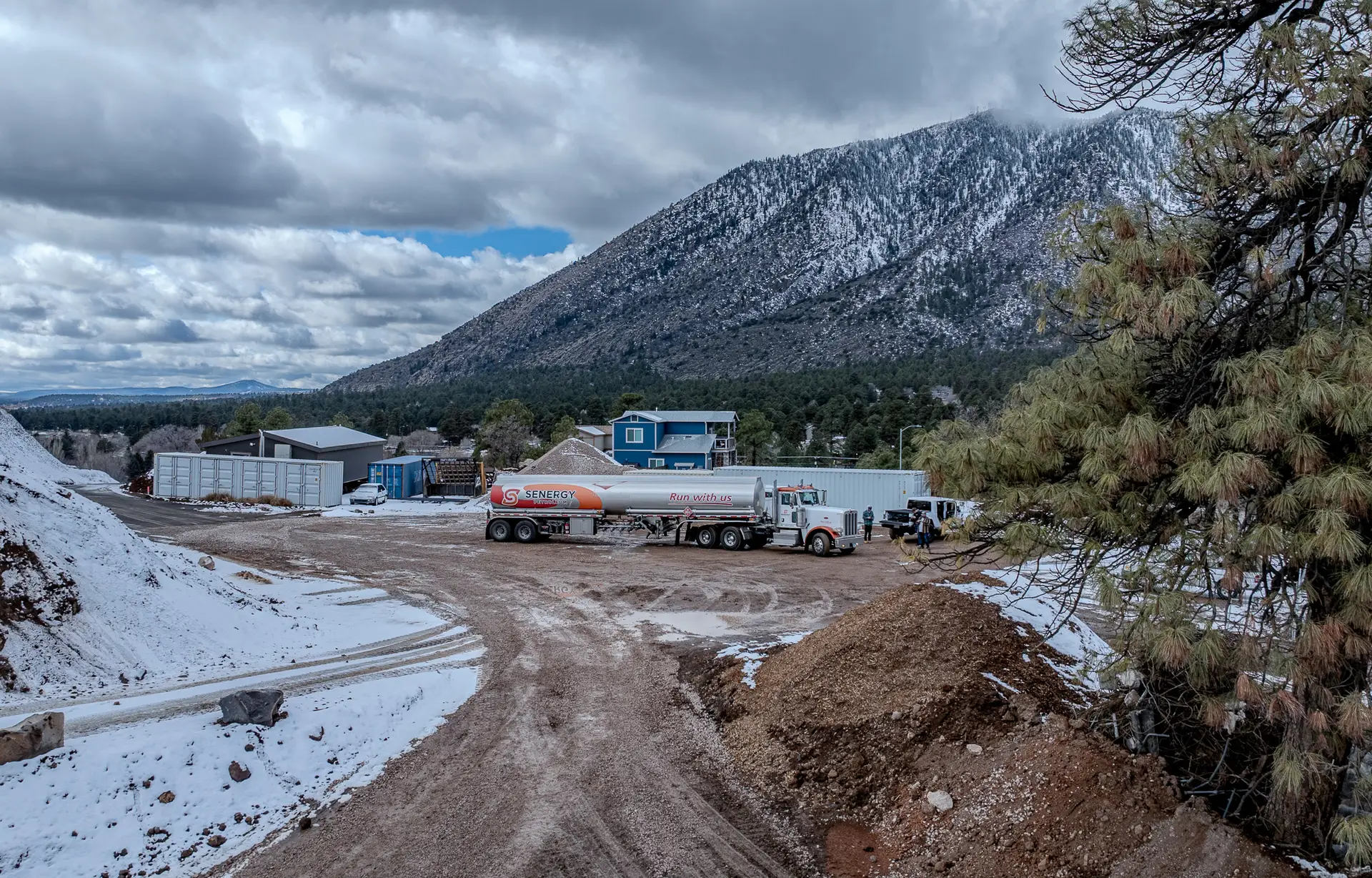

Why Cold Weather Changes Lubrication Performance
Temperature directly affects viscosity, or how easily a fluid flows. As temperatures drop, most oils become thicker and move more slowly. This can make it harder for oil to travel through narrow passages, filters, pumps, and other areas where fast circulation is important. When the fluid does not move efficiently, critical parts may receive less protection during the early stages of operation.
Cold starts are especially demanding because the engine and its components have not yet reached normal operating temperature. Bearings, crankshafts, camshafts, pistons, and cylinder walls depend on an adequate lubrication film to reduce direct metal-to-metal contact. If the oil is too thick for the conditions, circulation can take longer and friction can increase.
The same principle applies to hydraulic systems and drivetrain components. Transmission fluid, gear oil, differential oil, final-drive fluid, and hydraulic fluid can all become more resistant to flow in low temperatures. The right viscosity helps the fluid move through the system while still providing the protection needed when the machine reaches normal operating temperature.
How Cold Temperatures Affect Engines and Hydraulic Systems
Engine oil is one of the first areas affected by cold weather. When the oil becomes too thick, it may take longer to circulate after startup. This can place additional stress on engine bearings and other moving parts before the oil reaches them. For that reason, operators should always follow the manufacturer’s recommended viscosity and temperature range rather than choosing a grade based only on general winter use.
Hydraulic systems face a similar challenge. Excavators, loaders, tractors, cranes, skid steers, and other machines depend on hydraulic fluid to transfer power through pumps, valves, cylinders, and hoses. When the fluid becomes excessively thick, hydraulic movement can become slower and the pump may have to work harder. Suitable low-temperature flow helps the system respond properly while maintaining protection under normal operating loads.
A controlled warm-up can make a significant difference. Allowing the engine and hydraulic system to reach the recommended operating temperature before heavy work gives the fluid time to circulate properly. Starting a cold machine and immediately placing it under a heavy load can increase stress on components that have not yet reached normal operating conditions.
How Cold Weather Affects Grease
Grease deserves special attention during winter because it does not behave exactly like liquid oil. Lower temperatures can make grease firmer and harder to move through grease guns, lines, fittings, and automatic lubrication systems. If the grease cannot reach the intended lubrication point, pins, bushings, bearings, and joints may not receive adequate protection.
NLGI grade is an important consideration when working in cold conditions. Softer grades can generally move more easily at lower temperatures than harder grades. However, operators should not change grease grades simply because temperatures have dropped. The correct choice depends on the machine, component, load, sealing arrangement, lubrication system, and manufacturer’s specifications.
Regular inspections are equally important. Check grease lines for blockages or leaks and make sure automatic systems are actually delivering grease to the required points. A lubrication system that appears to be operating normally may still have a blocked line or empty reservoir. Catching these problems early can help prevent unnecessary wear on heavily loaded components.
Cold Weather Effects on Transmission and Gear Systems
Transmission, differential, axle, and final-drive systems can also experience increased resistance in cold conditions. As gear oils and transmission fluids become thicker, they may take longer to circulate through gears, bearings, and other moving surfaces. During initial operation, this can result in slower movement, increased drag, or changes in shifting behavior.
Using the correct viscosity can help the drivetrain reach proper lubrication conditions more efficiently. Some applications may benefit from synthetic fluids because certain formulations maintain better low-temperature flow. However, the fluid must still meet the specifications required by the particular transmission, axle, differential, or final drive.
Moisture is another concern during winter. Snow, rain, mud, and repeated temperature changes can increase the possibility of water entering exposed components. Contaminated fluid can reduce protection and contribute to corrosion or component damage. Checking seals, fluid condition, and exposed drivetrain components should therefore be part of routine winter maintenance.
Common Winter Lubrication Problems
Several lubrication issues can become more noticeable as temperatures fall. Thick oil may circulate slowly, grease may become difficult to pump, hydraulic systems may respond more slowly, and drivetrain components may experience greater resistance before reaching operating temperature. Repeated cold starts can also increase wear when machines are not properly prepared.
Outdoor working conditions add another layer of risk. Snow, ice, mud, road salt, dust, and moisture can collect around bearings, joints, grease fittings, hydraulic components, and other exposed areas. Contaminants that enter a lubrication point can affect the condition of the lubricants and accelerate wear.
A practical winter inspection should include fluid levels, fluid condition, grease points, hoses, filters, seals, and visible leaks. Operators should also check whether automatic lubrication systems are functioning correctly. If a component remains dry despite regular maintenance, the problem may be a blocked line, incorrect grease, damaged fitting, or malfunctioning dispensing system.
Choosing the Right Lubrication Strategy for Winter
The best starting point is the manufacturer’s service information. Check the recommended viscosity grades, fluid specifications, grease requirements, operating temperature limits, and service intervals before making seasonal changes. The lowest outdoor temperature is important, but the machine’s actual operating temperature and workload also need to be considered.
Good cold weather lubricants should provide suitable low-temperature flow while maintaining wear protection when the machine reaches normal operating conditions. Properties such as viscosity index, pour point, pumpability, oxidation resistance, and protection against water and contaminants can all influence performance. The right choice is not necessarily the thinnest fluid available; it is the one that meets the machine’s requirements across its expected operating range.
Winter preparation should also become part of the normal maintenance routine. Inspect fluid levels before starting work, check grease points regularly, allow cold systems to warm gradually, and avoid putting an unheated machine under a heavy load immediately after startup. Following the recommended maintenance schedule can help reduce premature wear and unexpected repairs.
With proper preparation, heavy-duty equipment can continue to perform reliably throughout cold weather. Understanding how temperature affects viscosity, grease flow, hydraulic response, and drivetrain lubrication allows operators to make better maintenance decisions. Using suitable lubricants and maintaining the equipment according to manufacturer recommendations can protect moving components, support reliable performance, and help reduce avoidable downtime when temperatures drop.
For operations that rely on heavy-duty equipment throughout the winter, seasonal lubrication checks should be part of the regular maintenance plan. Reviewing fluid condition, grease flow, and component performance before severe temperatures arrive gives operators an opportunity to address small issues before they become costly repairs.
