How Cardlock Reporting Helps You Track and Reduce Fuel Waste
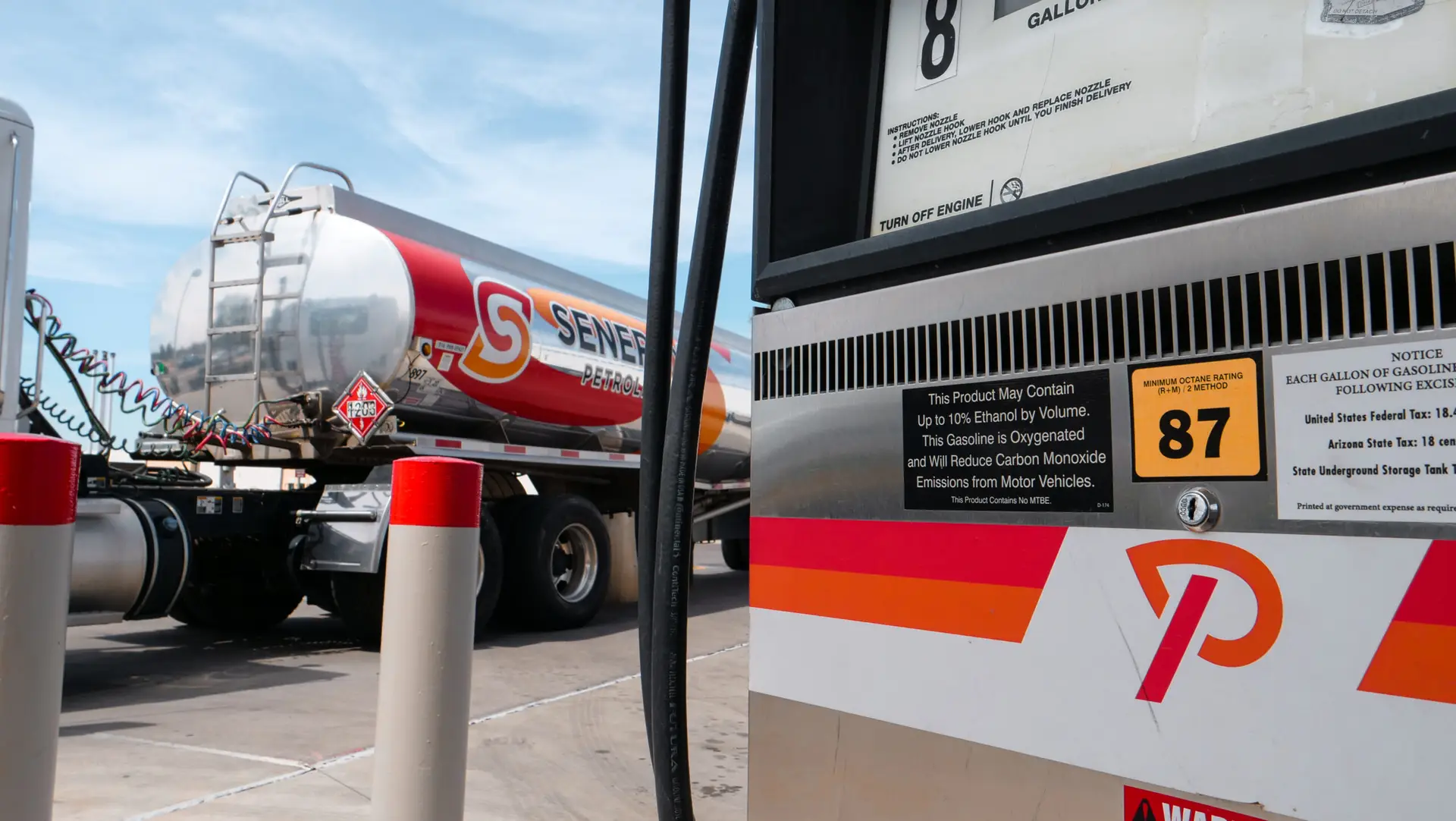
Smart fuel management is essential to efficient fleet operations, and cardlock reporting plays a critical role in supporting it. Cardlock reporting refers to the structured collection and analysis of fuel transaction data from cardlock networks—specialized fueling locations designed for commercial fleets. Unlike retail fuel stations, cardlocks provide fleet managers with precise visibility into fueling activity across drivers and vehicles, generating reliable data that supports stronger operational control.
Cardlock reporting centralizes all fuel transactions on a single platform, making it easier to track usage across the fleet. This visibility reduces budgeting uncertainty and highlights irregular activity that may indicate inefficiencies or misuse. It also supports advanced fleet analysis, giving managers the insights needed to control fuel consumption, manage spending, and optimize overall fleet performance.
Why Fuel Reporting Is Essential for Smarter Fleet Decisions
Fuel reporting goes beyond tracking gallons dispensed—it provides a strategic tool for informed fleet management. A cardlock system documents every fueling transaction, giving fleets a reliable way to analyze trends across drivers and vehicles.
Fuel reporting identifies irregular consumption patterns. When a vehicle uses more fuel than expected for its class or route, fleet managers can examine factors such as vehicle condition, driving behavior, or route efficiency. This insight allows teams to address issues immediately, reducing unnecessary fuel costs. Historical fuel data also enables more accurate planning and forecasting for future needs.
Ultimately, fuel reporting gives fleets the visibility to make confident decisions, improve vehicle performance, control fuel expenses, and protect the bottom line. Without this insight, fleets rely on estimates, which can lead to uncontrolled fuel usage and unpredictable costs.
How Cardlock Reporting Improves Fuel Spending Visibility
Spending visibility lets fleets see exactly where and how fuel dollars are spent. Cardlock reporting strengthens this by recording every fueling transaction by driver, vehicle, or time period.
When fleets lack clear visibility, they group fuel costs too broadly, which can hide inefficiencies. Fuel cards may show total spending but provide no context when usage exceeds expected ranges. Cardlock reporting exposes these discrepancies, enforces fueling policies, reduces unnecessary fuel use, and identifies cost drivers quickly.
Fleets that review these reports regularly can track the impact of initiatives such as route adjustments, driver training, or equipment upgrades, pinpointing what works and where further improvements can reduce fuel costs.
Using Fleet Analytics to Turn Fuel Data Into Actionable Insights
Data analytics drives effective fleet analysis by transforming basic fuel and cardlock data into actionable performance metrics. Integrated analytical software displays this information in dashboards, charts, and trend reports, revealing patterns and behaviors that raw data alone cannot show.
Fleet analytics shows how fuel consumption relates to routes and driving patterns, helping fleets identify trends that affect operating costs. The tools also flag outliers that exceed established benchmarks. For example, if a driver uses significantly more fuel than average, analytics can pinpoint causes such as extended routes, inefficient driving habits, or unauthorized fuel use.
Analytics also provides predictive insights to support smarter planning. Fleets can anticipate high-demand periods, evaluate the ROI of new vehicle technologies, and forecast the financial impact of fuel price changes. This analysis enables proactive decision-making and strengthens long-term fuel management strategies.
How Cardlock Reporting Helps Identify and Reduce Fuel Waste
One of the most direct benefits of cardlock reporting is the ability to identify fuel waste through pattern recognition. Every fueling transaction captured within a reporting system contributes to a growing data set that reveals trends over time. When analyzed collectively, these data points expose inefficiencies that might otherwise go unnoticed.
For example, frequent small fuel purchases may indicate drivers topping off tanks rather than fueling at planned intervals. Fueling at inconsistent or unexpected locations can point to route deviations or unauthorized stops. Advanced cardlock systems can also flag multiple fuel purchases within short timeframes, a common indicator of potential card sharing or misuse.
Fueling norms are established for each vehicle and driver through regular review of transaction data. When activity falls outside these expectations, it triggers further review and corrective action. Over time, this process reinforces accountability and aligns fueling behavior with operational standards. Increased awareness alone can significantly reduce unnecessary fuel usage across fleets of any size.
Strengthening Fleet Control With Cardlock Reporting
Integrating cardlock reporting with GPS tracking and telematics systems, such as GPS Insight, significantly enhances fleet visibility. These combined tools create a complete operational view by linking fuel consumption data with route activity, vehicle speed, idle time, and driving behavior. This connection allows fleet managers to pinpoint where inefficiencies occur by analyzing when fuel is used and how vehicles are operating.
For example, excessive idle time recorded through telematics often explains why certain vehicles consume more fuel than others. When cardlock data confirms higher fuel spend for those same vehicles, inefficiencies become clear. With this insight, fleet teams can reduce idle time, adjust routes to improve fuel usage, or evaluate whether underperforming vehicles should remain in service.
This integrated approach also strengthens compliance and accountability. Fueling events can be matched to specific GPS locations and timestamps, ensuring fuel purchases occur only during authorized stops. Any discrepancies, such as fueling at unrelated locations, are quickly identified and addressed.
Using Cardlock Reporting to Build Smarter Fuel Policies
Cardlock reporting does more than identify problem areas—it supports the development of fuel policies designed to prevent inefficiencies before they occur. With accurate, detailed data, fuel policies can be built around real operating conditions rather than assumptions.
For example, fleets may require drivers to fuel only within specific geographic regions or during designated timeframes to support route planning and reduce unnecessary detours. Cardlock reporting verifies compliance by documenting where and when fueling occurs. When activity falls outside established parameters, the system flags the transaction so corrective action can be taken.
Cardlock reporting systems can also support incentive programs that reward efficient fueling behavior. Drivers who consistently operate within established fuel usage standards can be recognized, encouraging broader adoption of best practices across the fleet. This data-driven approach promotes accountability, increases employee buy-in, and strengthens overall fuel cost control.
What’s Next for Fuel Reporting
Fuel management technology continues to advance, and cardlock reporting remains a key driver of smarter fleet operations. Emerging tools now use real-time analysis and advanced analytics to identify inefficiencies earlier and support more proactive decision-making.
Automated anomaly detection is becoming especially valuable. Instead of manually reviewing reports, fleet teams can receive alerts when unusual activity occurs, such as sudden increases in fuel usage or deviations from established controls. This shifts fuel management from reactive oversight to forward-looking prevention.
As reporting capabilities continue to evolve, cardlock data will remain a foundational tool for improving visibility, strengthening controls, and maintaining long-term cost efficiency across fleet operations.