How Cardlock Reporting Helps You Control Fuel Spend
Cardlock reporting is a specialized tool within fleet fuel management that captures detailed transactional data each time a vehicle refuels at a cardlock station. Unlike traditional retail fuel stations, cardlock networks are designed specifically for business fleets and require a unique fuel card and PIN for every transaction. This structure ensures each fuel purchase is logged with precise details, including driver identification, vehicle number, location, time, fuel type, volume, and total cost. This automated tracking eliminates the inaccuracies commonly associated with manual record-keeping, such as misplaced receipts or handwritten logs.
Cardlock reporting provides accurate, real-world fuel consumption data, allowing fleet managers to clearly monitor fuel usage across all vehicles and drivers. When integrated with fleet management platforms, automated cardlock reporting becomes a foundational component of advanced fuel monitoring. Collected data can be analyzed in real time or retrospectively to identify patterns and trends. For example, managers can detect drivers or vehicles that consume more fuel than expected and compare usage against benchmarks based on mileage, vehicle type, or operating conditions. This visibility into fuel spend and consumption supports deeper insights, stronger fleet controls, and smarter financial decisions while reducing administrative workload.
Using Cardlock Reporting to Control Fuel Costs
Fuel costs are one of the most significant variable expenses for fleet operations, especially in transportation, logistics, and commercial carrier industries. Without established fuel usage tracking, organizations often rely on broad averages or incomplete data that conceal inefficiencies and overspending. Cardlock reporting solves this issue by consolidating fuel transaction data into a single, reliable source. This enables fleets to analyze fuel spend by individual drivers, vehicles, or departments rather than relying solely on company-wide totals. With accurate monitoring in place, fleet controls become more powerful and data-driven.
Managers can quickly identify unusual fuel consumption and investigate whether it stems from inefficient driving habits, excessive idling, route deviations, or policy violations. Fuel usage monitoring also supports proactive decision-making by enabling managers to set benchmarks and compare actual fuel consumption against expected performance. Over time, this visibility supports the implementation of practical fuel budgets and usage thresholds that align with operational goals. When fuel intake is continuously monitored and reviewed, fleet controls shift from reactive to preventive—helping organizations reduce unnecessary fuel spend and gain tighter control over operating costs.
How Cardlock Reporting Builds Driver Accountability
Driver accountability is one of the most significant benefits of cardlock reporting. When each driver receives a unique fuel card or identification code, fleet managers can trace every fueling transaction back to the responsible individual. This eliminates ambiguity and ensures fuel usage monitoring reflects actual driver behavior rather than assumptions. Unlike shared cards or paper receipts, cardlock reporting creates a clear chain of accountability and improves operational transparency. This visibility allows managers to hold informed, constructive conversations with drivers about fuel consumption. Instead of relying on estimates or anecdotal feedback, managers use actual data when discussing performance, route choices, or fueling frequency.
Managers can recognize drivers who demonstrate efficient fueling behavior and provide targeted guidance or training to those with higher-than-average fuel consumption. Over time, driver-level reporting encourages accountable behavior because drivers understand their actions directly impact fuel costs and performance metrics. This accountability builds a culture where fuel efficiency becomes a shared responsibility rather than solely a management concern.
Using Cardlock Reporting to Diagnose Fleet Inefficiencies
Cardlock reporting generates actionable data that is well-suited for identifying operational inefficiencies. By reviewing fuel usage patterns over time, fleet managers can uncover inconsistencies that would otherwise go unnoticed. For example, a vehicle that consumes more fuel than comparable vehicles on similar routes may indicate mechanical issues or inefficient driving.
Likewise, frequent fueling at unexpected locations can point to inefficient routing or unauthorized use. When fuel usage monitoring data is analyzed alongside operational information such as mileage or vehicle type, it becomes an effective diagnostic tool. Managers can identify patterns related to seasonal demand, route congestion, or vehicle age. These insights support smarter decisions regarding maintenance scheduling, route optimization, and equipment upgrades. Instead of reacting to rising fuel costs after they occur, cardlock reporting enables fleets to identify inefficiencies early and address them before they escalate. This proactive approach not only reduces fuel spend but also improves overall fleet performance and reliability.

How Cardlock Reporting Enables Fleet Controls at the Pump
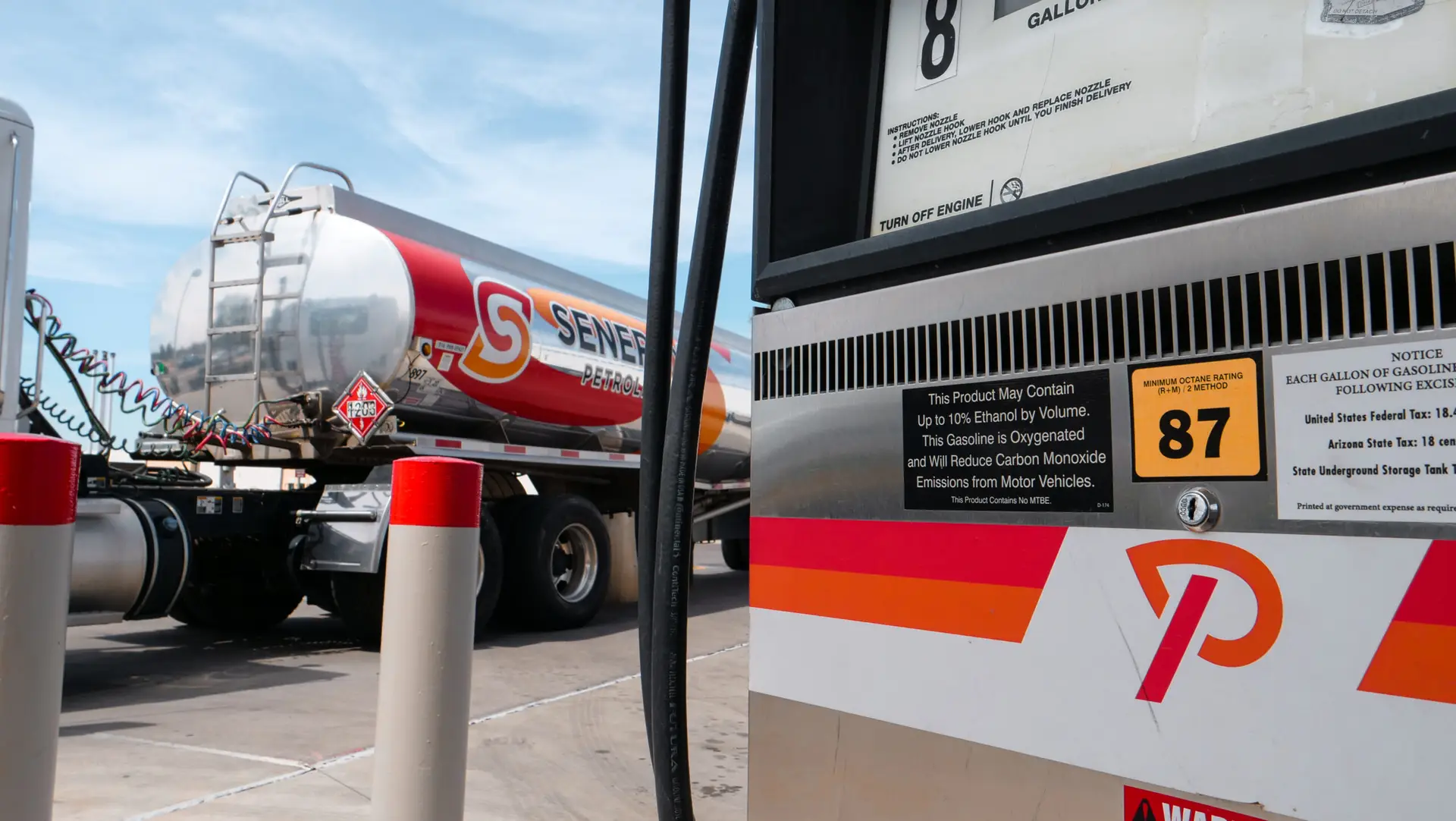
One of the most practical benefits of cardlock reporting is its ability to enforce fleet controls at the point of purchase. Modern cardlock systems let organizations set predefined policies that dictate how and when drivers can buy fuel. These policies may include limits on fuel volume per transaction, restrictions on fueling times, or controls based on vehicle type.
By embedding these controls directly into the fueling process, fleets reduce the risk of overspending before it happens. Transaction limits also help ensure fuel usage aligns with operational needs. For example, fleets can prevent light-duty vehicles from purchasing excessive fuel quantities, and the system can flag or block fueling outside approved hours. When managers combine these controls with detailed reporting, they create a closed-loop system where policy enforcement and tracking work together. This approach reduces human error, lowers administrative workload, and keeps fuel spend within defined parameters. As a result, fleet managers gain confidence that fuel costs remain actively controlled rather than passively monitored.
Preventing Fuel Fraud with Cardlock Reporting
Fuel fraud and misuse can significantly inflate operating costs if fleets do not monitor fueling closely. Cardlock reporting prevents these issues by creating a secure, traceable fueling environment. Each transaction includes unique identifiers, so managers can quickly spot irregular fueling patterns, such as repeated fill-ups or volumes that exceed vehicle capacity. This level of detail makes fraudulent activity easier to detect and harder to conceal. Cardlock systems also support rapid corrective action. Managers can deactivate lost or compromised fuel cards immediately and investigate suspicious transactions using historical data. Over time, consistent fuel monitoring discourages misuse because drivers know the system tracks every transaction. This deterrent reduces unauthorized activity and reinforces compliance with fueling policies. By minimizing fraud and unauthorized spending, cardlock reporting protects fuel budgets and strengthens long-term cost control.
Using Cardlock Reporting for Strategic Fleet Planning
Beyond daily oversight, cardlock reporting plays a crucial role in long-term strategic planning. Historical fuel usage data provides valuable insights into cost trends, vehicle performance, and operational efficiency. Fleet managers can use this data to determine whether specific vehicles should be replaced, routes should be redesigned, or policies should be updated. These decisions are far more effective when grounded in accurate information rather than assumptions. Fuel usage monitoring also improves budgeting and forecasting accuracy. By reviewing historical consumption patterns, organizations can anticipate future fuel needs and plan for price fluctuations with greater confidence. This strategic use of data supports stronger financial planning and reduces the risk of unexpected fuel overruns. When integrated into broader fleet management strategies, cardlock reporting helps ensure fuel spend aligns with business goals and operational priorities.
Fuel Control That Lasts
The long-term value of cardlock reporting depends on consistent integration into daily fleet operations. When fuel monitoring and controls are applied regularly, they build a culture of accountability and performance. Managers gain confidence to make informed decisions using reliable data, while drivers become more mindful of fueling habits. By reviewing reports, sharing insights, and acting on findings, fleets can continuously improve fuel control. Over time, this approach reduces fuel costs, limits waste, and improves overall operational performance. Cardlock reporting is not just a tracking tool—it is a strategic asset that enables organizations to manage fuel spend while maintaining transparency and accountability.