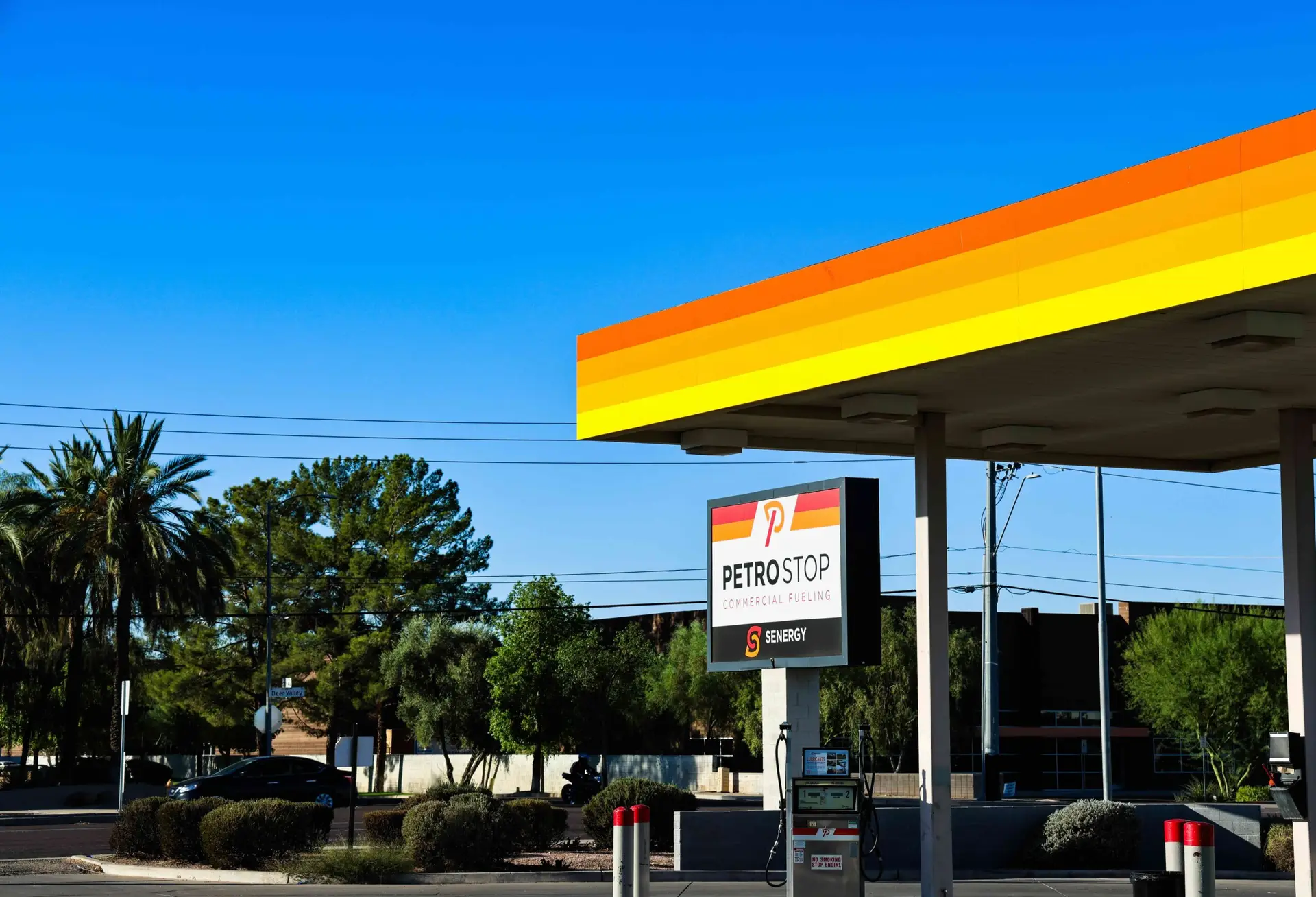
How Cardlock Fueling Supports Fleets With Different Vehicle Types
Managing fuel expenses becomes more challenging when a business operates different types of vehicles. A fleet may include passenger cars, pickup trucks, delivery vans, semi-trucks, and heavy equipment, all with different fueling requirements. Keeping track of fuel purchases, finding suitable stations, and managing driver expenses can quickly become time-consuming.
Cardlock fueling offers businesses a convenient way to organize fuel purchases through authorized cards and participating fueling stations. It gives drivers a straightforward way to refuel while helping fleet managers maintain better control over fuel spending. Whether a company operates a small group of service vehicles or a large commercial fleet, cardlock fueling can support daily operations with a more organized approach to fuel management.
Overview
- Supports mixed fleet fueling across vehicle types.
- Simplifies commercial Cardlock accounts and fuel expenses.
- Improves fleet fuel access and tracking.
- Accommodates different commercial fuels
What Is Cardlock Fueling and How Does It Work?
Cardlock fueling is a self-service fueling system that allows authorized drivers to purchase fuel using assigned fuel cards or account credentials. Instead of paying at a cashier, drivers access an automated pump, enter the required identification information, select the appropriate fuel, and complete the transaction. The system records purchase details, including gallons, transaction amounts, station locations, and purchase times.
For businesses, this process makes fuel purchasing easier to manage. Drivers can refuel at participating locations without handling separate payment arrangements for every purchase. Depending on the provider, fleet managers can access online account tools, review transaction histories, and receive consolidated billing statements. These features reduce paperwork and provide a clearer picture of how much the business spends on fuel.
Cardlock stations are particularly useful for commercial operations that need flexible fueling schedules. Many locations offer unattended access, allowing drivers to refuel outside regular business hours. This can be helpful for delivery companies, transportation businesses, contractors, and service providers whose vehicles operate early in the morning, late at night, or across different shifts. Reliable fleet fuel access also helps drivers plan their stops around work schedules and regular routes.
Why Different Vehicle Types Need Flexible Fueling
Every vehicle has specific fueling requirements. Passenger cars and SUVs generally use gasoline, while many commercial trucks operate on diesel. Service vans, pickup trucks, buses, and specialized vehicles may also require different fuel products depending on their engines and intended use.
Managing these differences through separate fueling arrangements can create unnecessary work for fleet managers. Drivers may need to visit different stations, use different payment methods, or submit individual receipts. A flexible fueling program helps bring these purchases under a more consistent process while allowing businesses to account for the needs of each vehicle category.
Mixed fleet fueling is particularly useful for companies that operate several types of vehicles across different locations. A business can manage gasoline purchases for its company cars alongside diesel purchases for its commercial trucks, provided its selected network supports those fuel types. This approach helps simplify purchasing, improve expense tracking, and accommodate changes as the fleet grows. Access to suitable commercial fuels also allows businesses to match their fueling arrangements with the requirements of different engines.
How Cardlock Fueling Supports Different Types of Vehicles
Cardlock fueling can accommodate several vehicle categories, depending on station equipment, fuel availability, and vehicle compatibility. Light-duty vehicles, including sedans, company cars, and SUVs, generally require gasoline. Participating fueling locations give drivers convenient access to approved fuel, while transaction records help businesses monitor purchases and compare expenses across vehicles.
Pickup trucks, cargo vans, and service vehicles often travel between customer locations, warehouses, and job sites. Some use gasoline, while others require diesel. Cardlock fueling gives these drivers another option for purchasing fuel along their regular routes. Businesses can also use account controls to organize purchases and monitor spending across different departments. These arrangements make mixed fleet fueling easier to manage without creating separate payment procedures for every vehicle type.
Heavy-duty vehicles have additional requirements. Semi-trucks, tractor-trailers, box trucks, and dump trucks commonly use diesel and may need truck-accessible fueling lanes and high-flow dispensers. Some diesel vehicles also require diesel exhaust fluid (DEF), which supports emissions control systems. Businesses should check station facilities and product availability before planning fueling stops for larger vehicles.
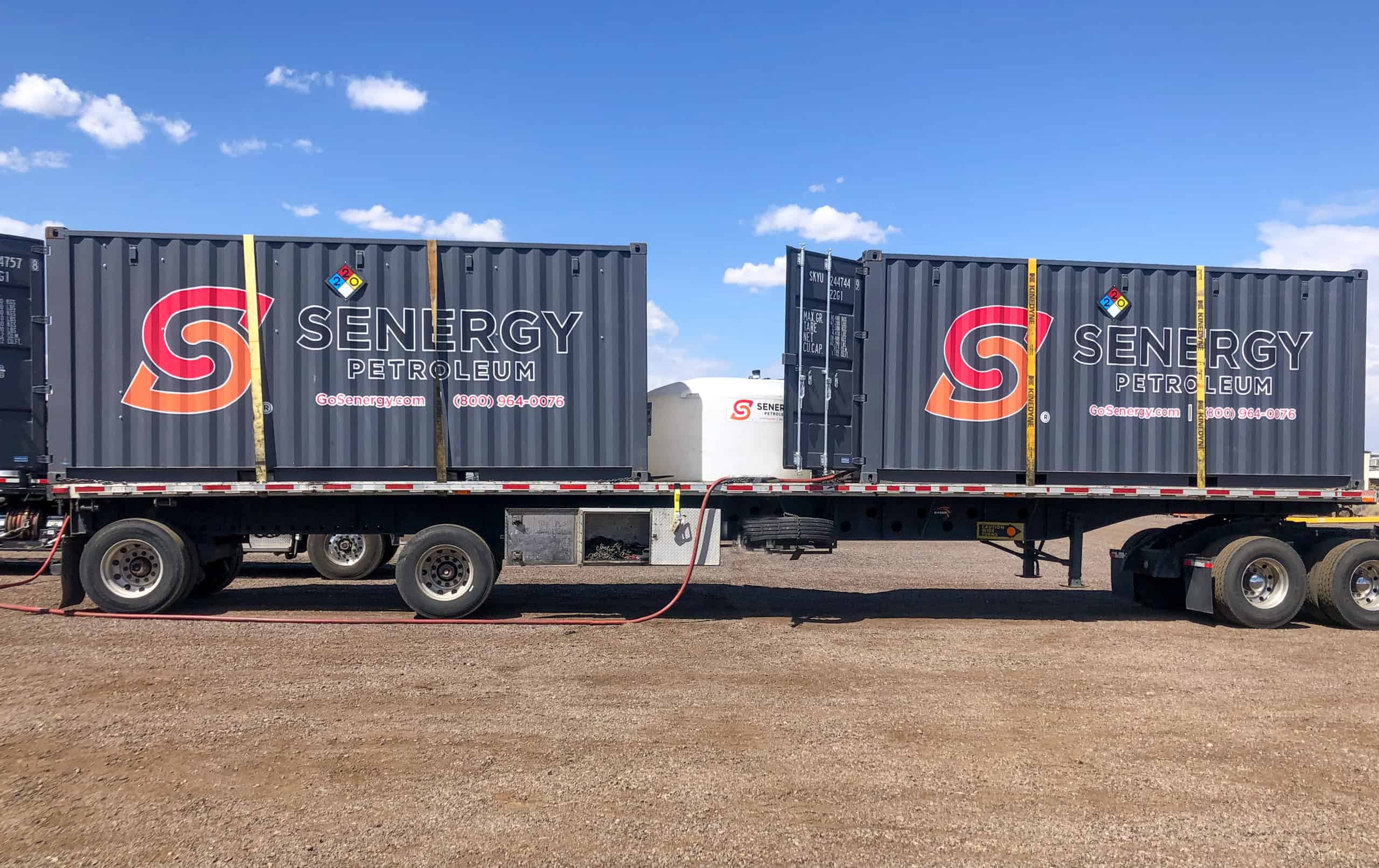
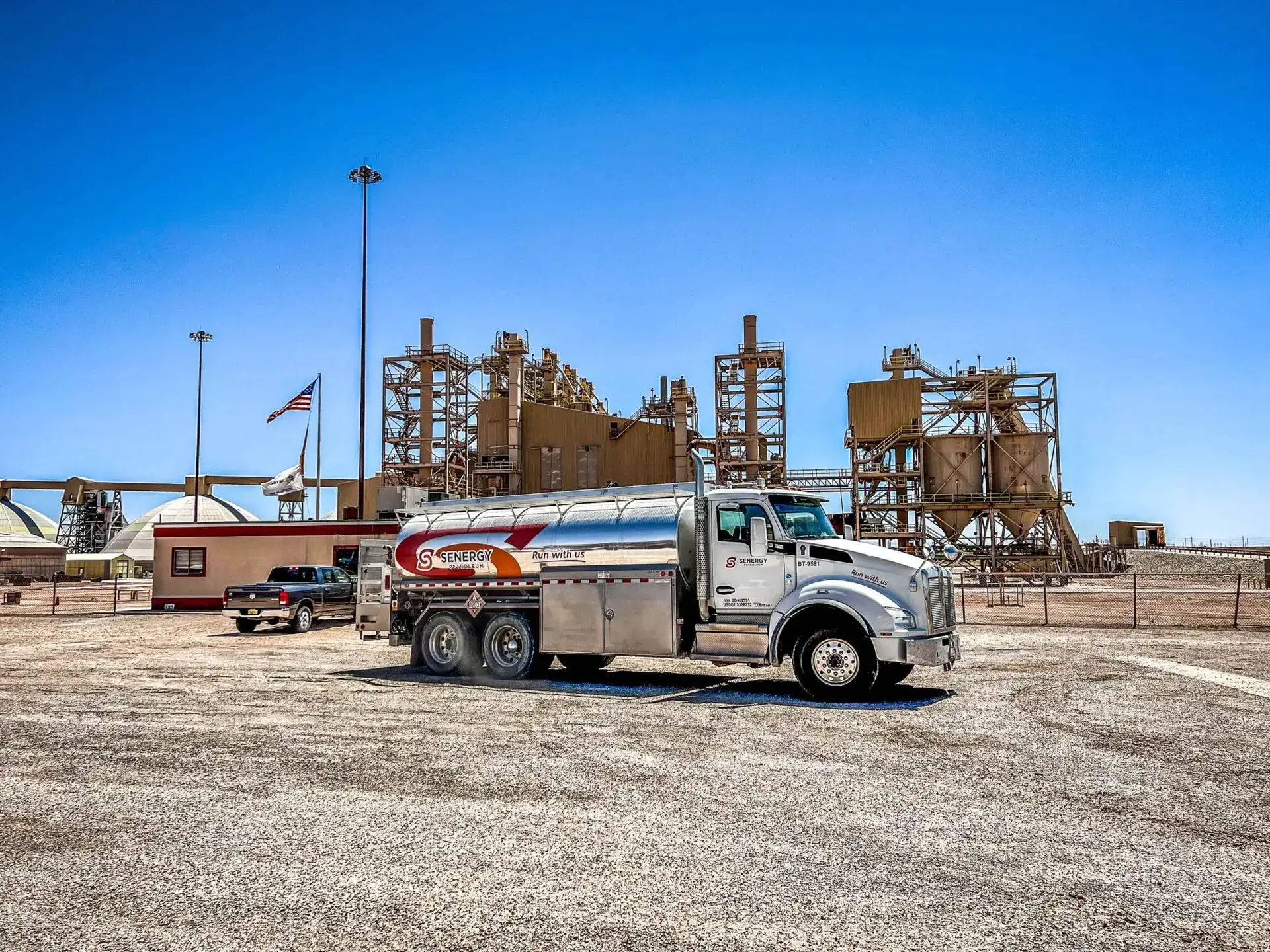
Construction and agricultural businesses may operate excavators, loaders, tractors, generators, and other equipment. While some equipment can use compatible commercial fueling stations, machines working at remote locations may need onsite fuel storage, bulk fuel delivery, or mobile fueling services. These alternatives help businesses keep equipment supplied without requiring every machine to travel to a fueling station.
How Commercial Cardlock Accounts Help Manage Fuel Expenses
Keeping track of fuel expenses across multiple vehicles can be difficult without a consistent payment and reporting process. Individual receipts, different payment methods, and purchases from multiple locations make it harder to understand where money is going. Commercial Cardlock accounts help simplify this process by bringing eligible fuel purchases together under a centralized business account.
Many providers offer purchasing controls that allow businesses to manage how drivers use their fuel cards. Depending on the program, these features may include PIN verification, individual card assignments, gallon limits, transaction restrictions, and fuel type controls. For example, a company can establish different purchasing permissions for gasoline-powered service vans and diesel-powered delivery trucks.
Transaction reports also help fleet managers review fuel consumption and identify unusual purchases. By comparing gallons purchased with vehicle mileage, businesses can better understand fuel efficiency and operating expenses. If a vehicle starts consuming more fuel than expected, managers can investigate possible causes, including longer routes, excessive idling, increased workloads, or maintenance issues.
Well-managed commercial Cardlock accounts can also make expense reviews easier by keeping eligible purchases in one reporting system. Managers can use these records to compare spending between departments, monitor driver transactions, and identify areas where fueling practices could improve.
What to Consider When Choosing a Cardlock Fueling Provider
Choosing the right provider starts with understanding where vehicles operate and what they need to refuel. Businesses should consider network coverage, station locations, available fuel products, and access hours. A company operating mostly passenger vehicles may prioritize convenient gasoline access, while a trucking business may need diesel stations with enough space for larger vehicles.
Fuel availability and station compatibility are equally important. Not every location carries both gasoline and diesel, and not every station has truck-friendly dispensers or DEF. Businesses operating construction equipment should also determine whether cardlock locations meet their requirements or whether separate onsite fueling arrangements are necessary. Checking access to the required commercial fuels before opening an account can prevent unnecessary delays.
Several providers serve the US commercial fueling market. Pacific Pride and Commercial Fueling Network (CFN) offer commercial cardlock networks, while PetroCard provides commercial fueling programs. Other companies, including WEX, Fuelman, and Comdata, offer fleet fuel card solutions with different acceptance networks and account features.
Before selecting a provider, compare transaction controls, reporting tools, billing arrangements, account fees, and customer support. Businesses should also confirm which stations accept their cards and whether those locations fit their regular routes. A suitable provider should meet the fleet’s actual operating needs rather than simply offering a large network.
How Cardlock Fueling Supports Better Fleet Operations
Managing different vehicle types requires a fueling process that is convenient for drivers and practical for fleet managers. Cardlock fueling helps businesses organize eligible fuel purchases through a common account structure, making it easier to review transactions and monitor expenses. Centralized billing and reporting can also reduce manual paperwork and simplify routine account management.
Reliable fleet fuel access allows businesses to give authorized drivers more flexibility while maintaining oversight of fuel purchases. Whether a fleet includes company cars, delivery vans, pickup trucks, or heavy-duty vehicles, the right fueling arrangement can support different requirements without creating unnecessary administrative work. Fuel availability, station compatibility, and provider coverage should always guide the selection process.
As businesses expand, their fueling needs may change. A well-planned cardlock program can help accommodate additional vehicles, new operating locations, and different fuel requirements. By combining suitable station access with clear purchasing controls and regular transaction reviews, fleet managers can keep fuel expenses organized and support smoother day-to-day operations. Ultimately, mixed fleet fueling, supported by appropriate commercial Cardlock accounts, gives businesses a practical way to manage different vehicles under a more consistent fueling strategy.