How Cardlock Accounts Simplify Fuel Tracking for Businesses
Managing fuel is one of the largest operational expenses for any company that relies on vehicles. Keeping fuel use under control becomes challenging when multiple drivers, diverse equipment, varied routes, and numerous fueling locations are involved. That’s where cardlock accounts make a measurable difference. These business-specific fuel programs streamline operations, strengthen oversight, and reduce unnecessary spend. Cardlock access delivers secure fueling and detailed usage reporting, making fuel management more accurate, more efficient, and far less time-consuming for businesses.
How Cardlock Accounts Work for Commercial Fleets
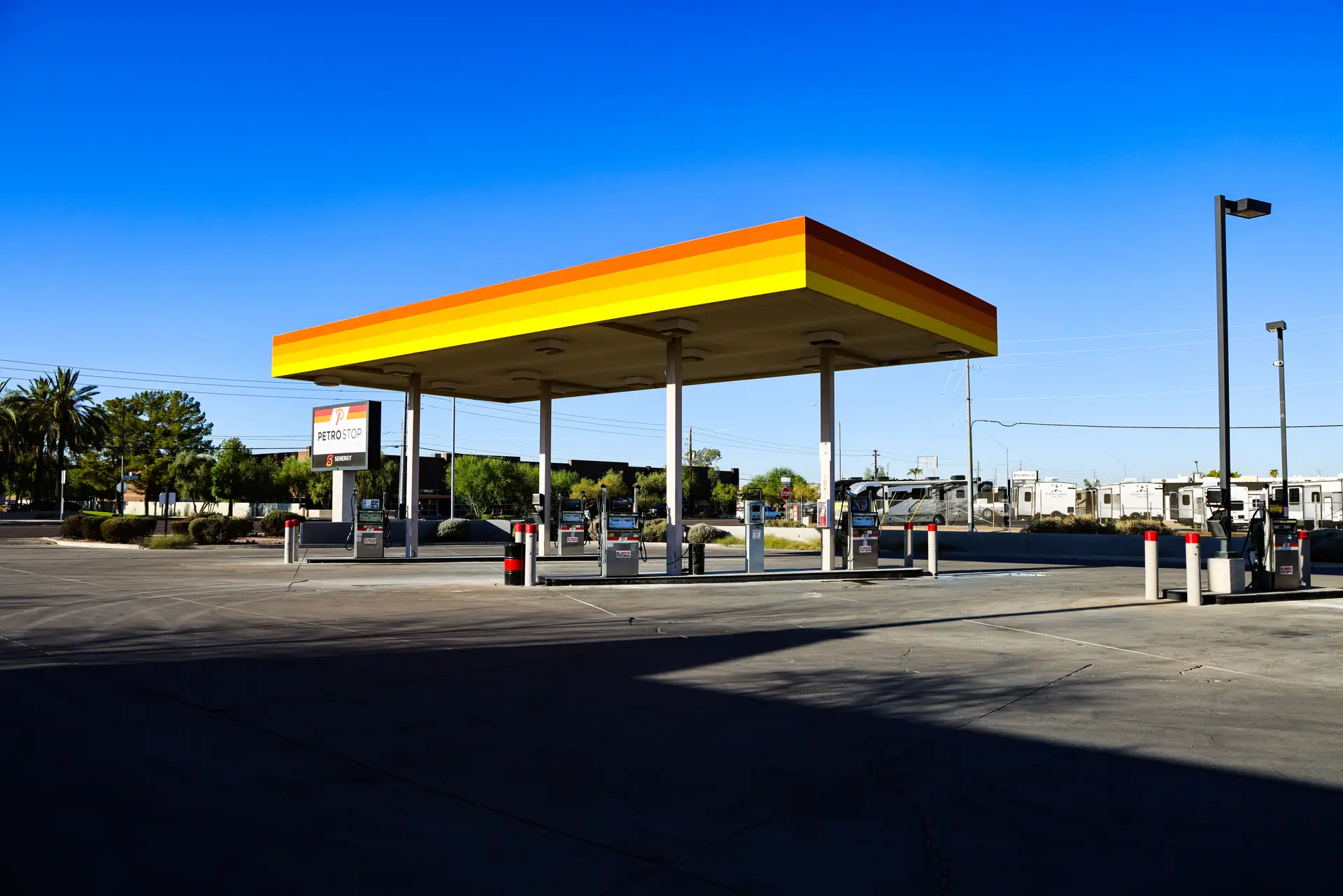
Cardlock accounts give authorized drivers or vehicles access to designated fueling stations through a fuel card tied to a business account. Unlike retail stops, cardlock sites are built for commercial use, open around the clock, and supported by systems that track every transaction. This setup routes all activity through one centralized platform and helps prevent uncontrolled spending. Companies can issue individual cards and set strict controls on fuel type, time-of-day access, quantity limits, and approved locations. With these safeguards, a cardlock account becomes a dependable fleet management tool instead of an unpredictable cost center.
How Cardlock Accounts Strengthen Fuel Management and Cost Control
Effective fuel management means staying in control—cutting unnecessary use and knowing exactly how much fuel the operation consumes. Cardlock accounts help fleet managers do this by giving them clear, real-time visibility into every transaction. They can log odometer readings with each purchase, tie fuel use to distance traveled, and calculate accurate metrics like cost per mile or gallons per 100 miles.
A cardlock system shows which vehicles underperform, which drivers go outside approved limits, and which routes burn more fuel. Electronic data capture removes the need for paper receipts, manual entries, or delayed reporting. Fleet managers can spot patterns quickly—like a vehicle using more fuel than it should—which may point to maintenance needs, driver behavior, or route issues. This approach turns fuel management from a reactive chore into a proactive strategy.
How Cardlock Controls Reduce Fuel Misuse
One of the biggest challenges in fleet fuel management is stopping misuse—whether it’s unauthorized personal fueling, fuel theft, or purchases outside company policy. Cardlock accounts reduce these risks with built-in controls. Each card sets specific limits, including diesel-only fueling, restricted hours, approved locations, and daily or per-transaction gallon caps. These controls create a secure fueling system. Every action ties to a specific driver or vehicle, and the system alerts you when usage looks unusual.
Businesses can deactivate cards instantly, track geolocated transactions, and spot suspicious behavior in real time. This oversight strengthens accountability and reduces waste. It also helps avoid unexpected expenses and builds confidence in the fuel program.
Turning Fuel Data Into Actionable Insights With Cardlock Reporting
Raw fuel data alone isn’t enough—businesses need information they can act on. Cardlock accounts provide access to consolidated, enterprise-level reporting tools that turn every transaction into usable insight. All fueling activity flows through a single online platform where managers can download reports, view dashboards, and integrate data directly into accounting or fleet management systems. This eliminates the need to track receipts from multiple stations and replaces them with one account, one invoice, and one consistent data stream.
With centralized reporting, it becomes easy to identify how much fuel each driver uses, which routes cost more, and where the highest spending occurs. Equipped with accurate, organized data, companies can refine route planning, schedule preventative maintenance based on fuel inefficiencies, renegotiate fuel agreements, and build realistic budgets. In this way, fuel reporting shifts from basic bookkeeping to a powerful strategic tool.
How Cardlock Programs Deliver Meaningful Fuel Cost Savings
Beyond improved control and reporting, one of the strongest advantages of cardlock programs is their ability to reduce fuel costs. Because businesses gain access to commercial-grade fueling locations built specifically for fleets, they often receive pricing that is more competitive than typical retail rates. This visibility also helps identify inefficiencies and reduce unnecessary fuel use.
When lower per-gallon costs are paired with better fuel distribution across routes and vehicles, overall fuel spend decreases. Consistent monitoring further minimizes losses tied to misuse or maintenance issues. Over time, these combined efficiencies deliver measurable financial savings and allow companies to redirect resources toward other critical operational needs.
How to Choose the Right Cardlock Provider for Your Fleet
Choosing the right cardlock account is a strategic decision. Look at the size of the fueling network, route coverage, control options like fuel-type limits and location locks, reporting quality, pricing, and provider support. Some programs even let you customize settings for each driver or vehicle.
Start by listing your fleet’s needs—vehicle count, fuel types, operating regions, and drivers. Compare each provider to those requirements. Review their reporting dashboards, sample statements, and setup process. Make sure their system integrates with your fleet or accounting software. Also consider driver training, card issuance, and how you’ll manage controls. The right provider turns a cardlock account into a strategic tool, not just another cost.
Why Cardlock Programs Are a Smarter Fuel Strategy
In a business landscape where efficiency matters and data drives decision-making, companies can’t afford to lose control of their fuel spend. Cardlock accounts bring structure, security, and clarity to what is often an uncontrolled part of fleet operations.
With stronger fuel management, secure fueling controls, comprehensive reporting, and streamlined administration, businesses can turn a major expense into a well-managed asset. For operations that haven’t yet explored cardlock solutions, now is the time to shift from reactive spending to a proactive, strategic fuel plan.