
How Bulk Fuel Helps Construction Projects Stay on Schedule
Construction sites are dynamic environments where precision, timing, and resource coordination determine project success. Fuel supply plays a central role in maintaining continuous operations. Modern construction machinery, including excavators, dump trucks, and generators, relies on a consistent and well-planned fuel supply to stay on schedule. Low fuel levels or inefficient deliveries can result in idle equipment, unproductive workers, and lost time. Recognizing this, the industry has increasingly integrated fuel logistics into overall workflow planning, treating fuel not just as a commodity but as a critical element that impacts every stage of construction.
Effective fuel planning begins long before the first dig. Projects must estimate fuel consumption based on the number of machines, project size, and projected daily usage. Accurate forecasting allows managers to minimize downtime and ensure that fueling occurs on-site without disruption, keeping crews productive. A strategic approach to construction fuel supply strengthens project resilience, reduces the need for emergency deliveries, and instills confidence among stakeholders that operations will proceed smoothly and predictably.
Enhancing Efficiency and Safety on Construction Sites
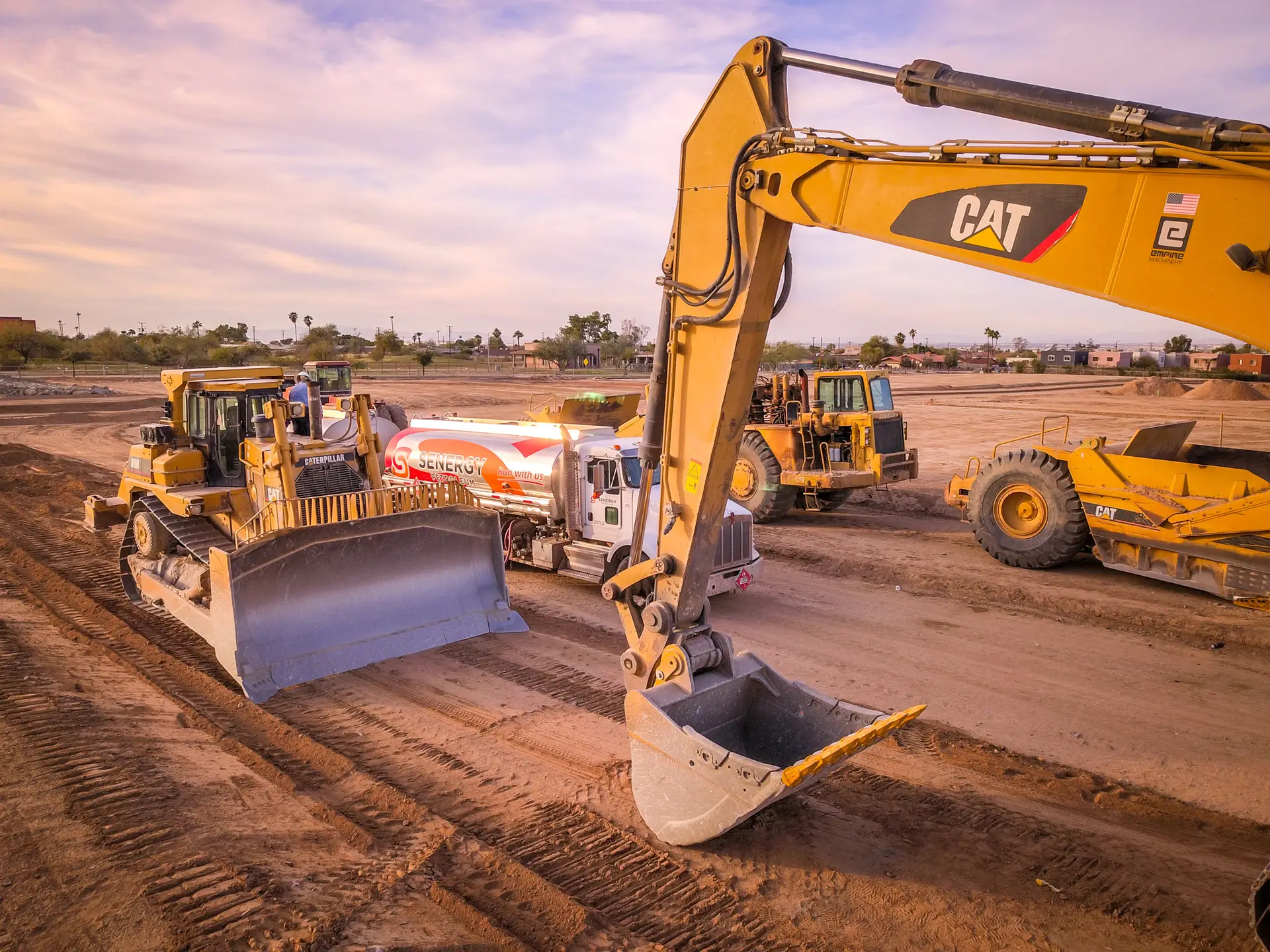
Traditional construction sites often face logistical challenges, including time lost traveling to off-site fueling locations, waiting in fuel station queues, limited tracking of consumption, and safety risks from uncontrolled transfers. On-site fueling addresses these inefficiencies by delivering fuel directly to heavy equipment staging areas. This approach eliminates the need for workers to leave the site or wait for external tankers, saving hours each week and allowing personnel to focus on productive activities.
Beyond improving efficiency, on-site fueling enhances safety. Controlled fuel areas reduce the risk of spills and accidents near equipment and walkways. Modern on-site fueling systems feature secure storage tanks, automated dispensing, and strict operational controls. These systems enable workers to refuel equipment according to established procedures, minimizing the risk of accidents and protecting valuable machinery.
The Value of Bulk Fuel Delivery on Construction Sites
One of the most overlooked yet costly factors in construction project delays is idle equipment. Machines lose value every minute they remain inactive due to a lack of fuel. Bulk fuel delivery systems are designed to prevent these disruptions. Instead of placing frequent, small fuel orders, construction managers schedule bulk deliveries to maintain a substantial on-site supply, ensuring machinery remains operational at all times.
Bulk delivery provides predictability—crews know when fuel will arrive, how much will be supplied, and how it should be allocated across different projects or sites. This improves forecasting and makes project timelines more reliable. Additionally, fuel suppliers can use real-time usage data to adjust delivery frequency, optimizing supply chain responsiveness while preventing overstock or depletion.
Driving Efficiency on Construction Sites
Project efficiency is the result of careful planning, proactive resource management, and strategic implementation. Predictive fuel management systems, combined with bulk fuel delivery, turn data into a powerful operational advantage. By analyzing past machine usage, equipment logs, and operational data, teams can accurately forecast fuel requirements. This approach reduces unnecessary orders and prevents costly last-minute deliveries.
Awareness of fuel consumption patterns allows teams to sequence work more effectively, minimizing idle time and avoiding excessive start-and-stop cycles. Weekly or monthly fuel usage charts help project managers identify abnormalities, indicating potential inefficiencies in crew assignments or operational processes. By treating fuel as a monitored resource, construction teams gain a tool that drives productivity, reduces downtime, and improves overall project performance.

Strategic Fuel Planning: Cost Optimization
Cost control is a defining characteristic of construction projects, where tight margins leave little room for overruns. Project leaders must carefully examine every aspect of operations, including fuel management. Operational expenditures for fuel represent a significant portion of costs, particularly in heavy industrial projects. Unplanned deliveries create inefficiencies—last-minute premiums, expedited transportation, and uncontrolled usage all contribute to rising expenses.
Strategic fuel planning, however, unlocks opportunities for savings. Bulk purchases and predictable supply contracts often offer volume discounts and negotiated rates, helping stabilize budgets against market fluctuations. Regular delivery schedules reduce the need for costly emergency orders, while fixed pricing intervals provide additional protection against unexpected fuel price surges. By proactively managing fuel supply, project leaders can control costs, maintain operational efficiency, and ensure projects stay on budget.
Enhancing Control and Compliance on Construction Sites
Construction operations demand strict adherence to regulatory and safety standards. On-site fuel solutions support this by providing secure storage tanks with spill containment measures, monitoring systems to track fuel usage, and standardized transfer procedures. Centralized and controlled fuel delivery makes compliance with local regulations easier to manage while ensuring safe handling of fuel. Additionally, bulk fuel delivery reduces the need for frequent transportation, streamlining operations and improving overall efficiency on-site.
Case Studies in Fuel Logistics
Reliable fuel logistics are transforming the way construction projects are executed. On a mid-size commercial site, delays in fuel delivery previously caused frequent stoppages in heavy earthmoving operations. By implementing an organized bulk delivery program with on-site fueling support, idle time was reduced by 50%. Employees no longer spent hours traveling to off-site stations, and machinery remained operational during critical working hours.
Similarly, on a remote highway expansion project, limited access to fuel depots prompted planners to introduce predictive fuel management, aligning bulk deliveries with key project milestones. This approach significantly improved project efficiency, maintaining progress even under challenging conditions. Enhanced tracking of fuel consumption also enabled proactive maintenance, ensuring heavy equipment remained in optimal working condition and reducing the risk of unexpected downtime.
Future Future Trends Construction Fuel Delivery and Project Execution
As construction technology evolves, fuel supply and on-site fueling systems are becoming smarter. IoT-enabled storage tanks and machine learning-based delivery scheduling ensure fuel is supplied precisely when needed, reducing downtime and storage risks. Telematics and data-driven fuel models align deliveries with actual usage, improving efficiency across residential, commercial, and industrial projects. The integration of data science and fuel logistics is set to drive the next generation of construction productivity.