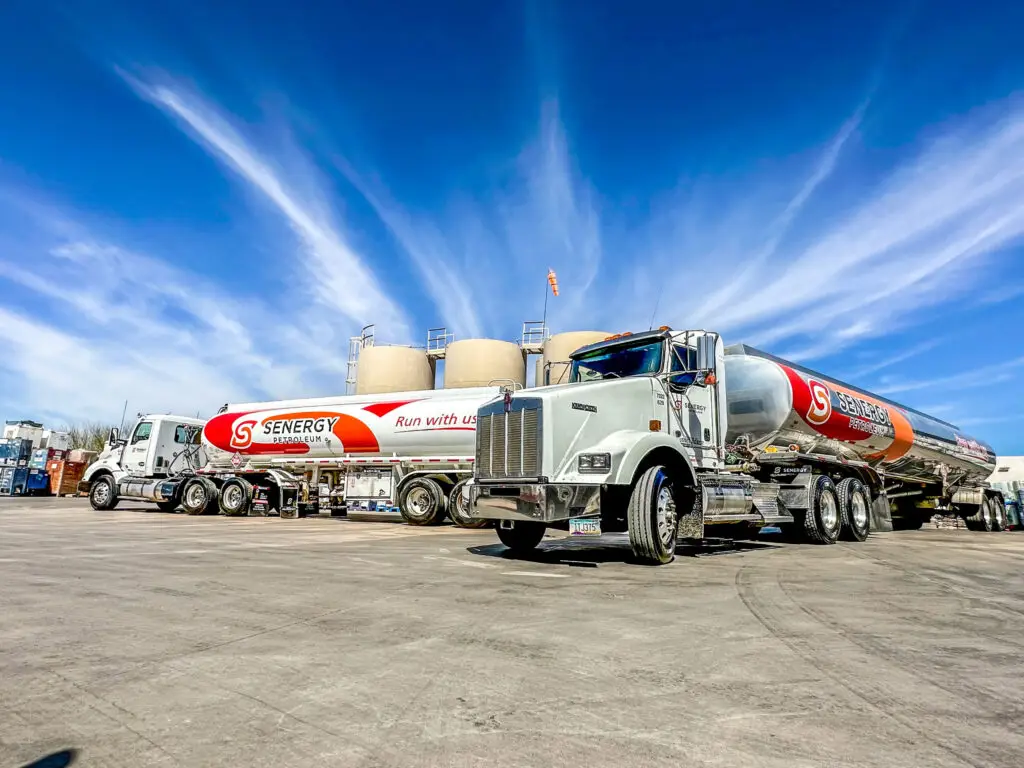
For companies that operate vehicle fleets in industries such as transportation, construction, agriculture, or government services, fuel is one of the most significant operational expenses. Rising fuel prices, fluctuating market conditions, and increasing demand for timely deliveries have pushed organizations to find smarter ways to manage operations. Traditional fueling methods—such as drivers waiting at fuel stations—often lead to wasted time, inconsistent records, and unnecessary downtime. These inefficiencies can result in substantial losses across an entire fleet. To overcome these challenges, many businesses are turning to bulk fuel delivery as a solution that eliminates delays and provides greater control over fuel consumption. By bringing fuel directly to vehicles or on-site tanks, companies minimize disruptions and streamline operations. This shift toward more efficient fueling methods reflects a growing need for solutions that reduce costs while improving productivity.
Bulk fuel delivery is a service where providers supply large volumes of fuel directly to a company’s location, either into on-site tanks or directly into fleet vehicles. Instead of relying on retail fueling stations, businesses receive customized deliveries scheduled around their operational needs. This service ensures vehicles begin each day fueled and ready, minimizing downtime and preventing drivers from spending valuable hours waiting in line at stations. Fleet fueling solutions often include advanced monitoring technology that tracks fuel levels, provides usage reports, and forecasts refill requirements. For organizations operating across multiple sites, mobile fueling trucks can deliver to equipment and vehicles wherever they are located. This approach creates a seamless fuel supply management system that not only improves efficiency but also delivers valuable insights into consumption patterns. Ultimately, bulk fuel delivery makes fuel access more convenient, cost-effective, and reliable for businesses with demanding operations.
One of the greatest advantages of bulk fuel delivery is its ability to reduce operational downtime. In industries where schedules are tight, every minute matters. Drivers making multiple stops for fuel can delay deliveries, disrupt schedules, and add unnecessary labor costs. By integrating fleet fueling solutions into daily operations, vehicles are fueled on-site—either after hours or during low-traffic periods. This ensures that every truck, bus, or piece of equipment starts the workday ready to perform. In industries such as construction, where equipment downtime can stall entire projects, mobile fueling at job sites keeps machines operating without interruption. Similarly, in public transportation, timely fueling ensures buses remain on schedule. Productivity increases when operators no longer need to plan around fuel stops, and managers gain peace of mind knowing their fleet is consistently fueled without delays. This streamlined approach gives businesses a competitive edge in markets where reliability and efficiency are critical.
Fuel represents one of the largest operating expenses for fleets, making effective fuel supply management essential. Bulk fuel delivery helps companies control costs by providing wholesale pricing, which is typically lower than retail pump rates. Many suppliers also offer pricing stability through contracts, protecting businesses from market fluctuations. Beyond direct savings, bulk fuel delivery eliminates hidden costs associated with driver fueling time, mileage detours, and inconsistent receipts. With detailed reporting, businesses can monitor fuel consumption at the vehicle level, identify inefficiencies, and prevent theft or misuse. Real-time monitoring, for example, allows managers to spot unusual patterns such as sudden spikes in fuel usage. This level of oversight delivers actionable insights that drive further cost reductions. Over time, the savings from bulk fuel delivery extend well beyond the price of fuel itself—reduced downtime, optimized routes, and improved labor efficiency all contribute to stronger bottom-line performance for fleet operations.

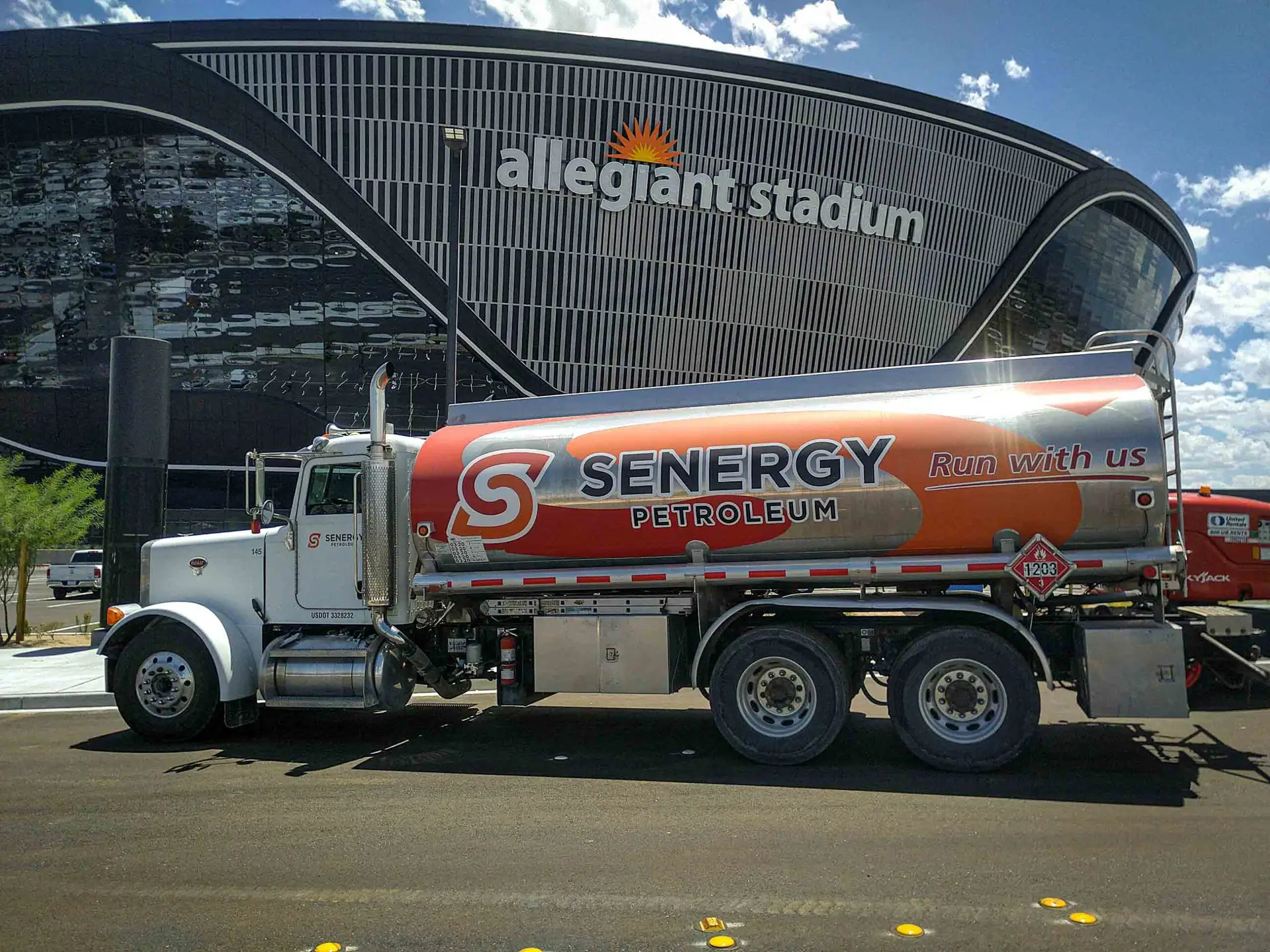
Managing fuel on a large scale requires more than delivery—it demands accountability and security. Bulk fuel delivery provides companies with precise, trackable records of every gallon delivered and consumed. This transparency reduces the risks associated with manual reporting and ensures compliance with financial audits. For fleets operating across multiple sites, centralized reporting consolidates data, making it easier to analyze overall consumption. Enhanced security measures, such as driver ID verification and automated fueling logs, also prevent unauthorized use of company fuel. These safeguards protect businesses from losses due to theft or fraudulent activity. In industries with regulatory oversight, such as government fleets, detailed reporting supports compliance and strengthens operational credibility. By pairing fuel supply management with strong security protocols, businesses not only protect valuable resources but also build greater trust with stakeholders. Accountability in fuel usage fosters a culture of responsibility and ensures every gallon directly supports business operations.
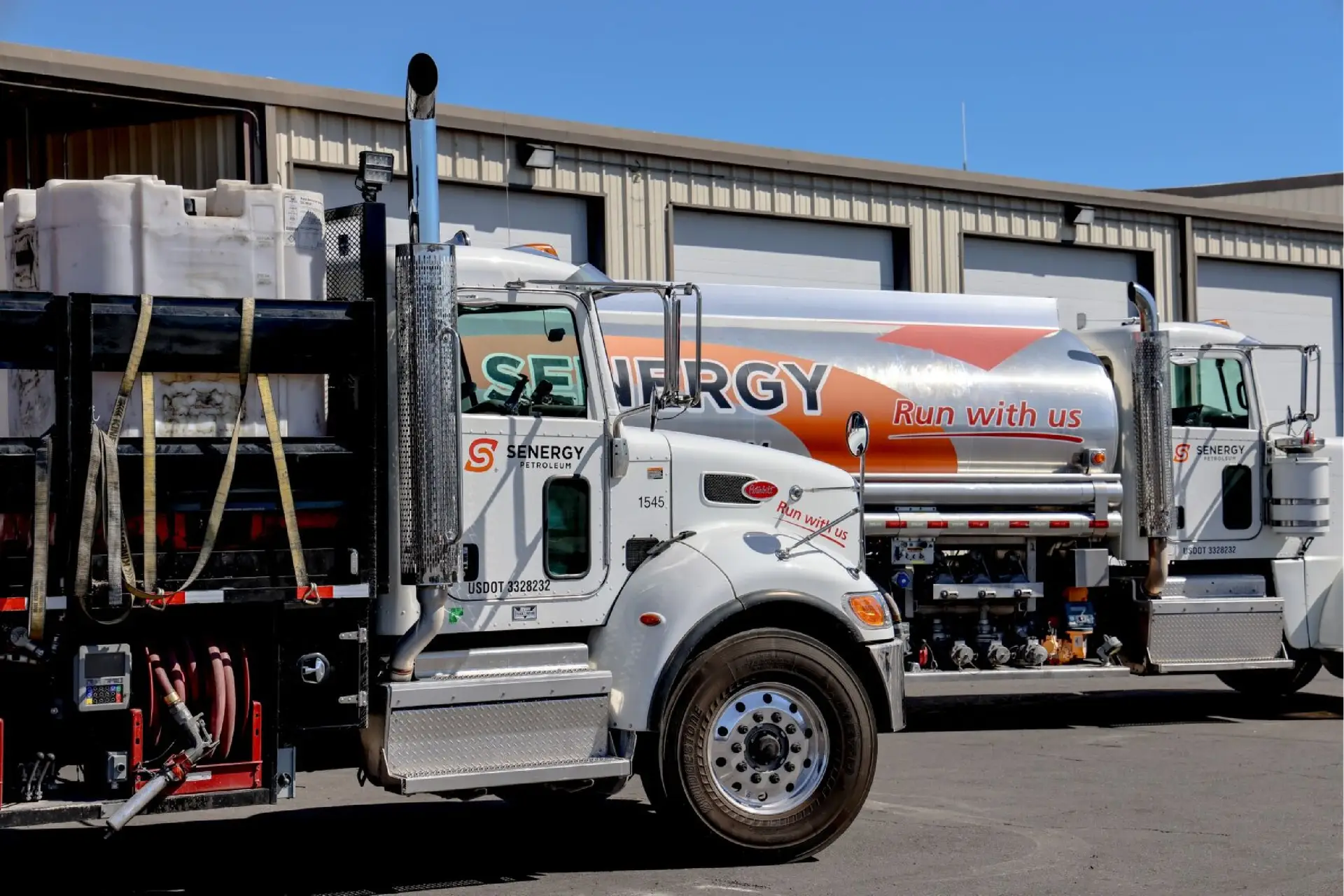
In today’s business climate, efficiency is essential. Bulk fuel delivery supports this goal by optimizing fuel use and eliminating unnecessary trips to fueling stations. By reducing detours and wait times, fleets avoid delays and keep schedules on track. Many providers also offer customized fuel options designed to meet specific operational requirements without disrupting performance. Fuel monitoring systems add another layer of value by providing insights into consumption, helping businesses reduce idle time and identify inefficient habits. For industries such as agriculture, construction, and government services, these advantages translate into stronger productivity, streamlined operations, and measurable cost savings. Bulk fuel delivery allows companies to align reliable fueling with operational excellence, ensuring that productivity remains the top priority.
Not all fleets operate the same way, which is why bulk fuel delivery services are highly adaptable. For transportation and logistics companies, reliable fueling keeps trucks on schedule and ensures deliveries meet customer expectations. In agriculture, fueling solutions keep tractors, harvesters, and irrigation equipment running during critical seasons, preventing costly delays. Construction companies benefit from on-site fueling that eliminates downtime caused by moving heavy equipment off-site for refueling. Even government operations—including police, fire, and public works departments—rely on bulk fuel delivery to maintain uninterrupted service to their communities. Suppliers tailor fleet fueling solutions to meet specific industry requirements, offering flexible delivery schedules, mobile fueling for remote sites, and customized reporting formats. This adaptability ensures businesses receive fueling support that directly aligns with their operational goals. By working with a provider that understands their industry, companies gain an advantage in efficiency, reliability, and long-term growth.
The success of bulk fuel delivery depends on partnering with a provider who understands the unique needs of fleet operations. A trusted partner delivers more than fuel—they provide flexible scheduling, transparent reporting, and reliable service that keeps businesses moving forward. At Senergy, we combine expertise in fuel management with a commitment to efficiency and growth, giving companies the confidence to focus on what matters most. When operations demand consistency and performance, Run With Senergy.