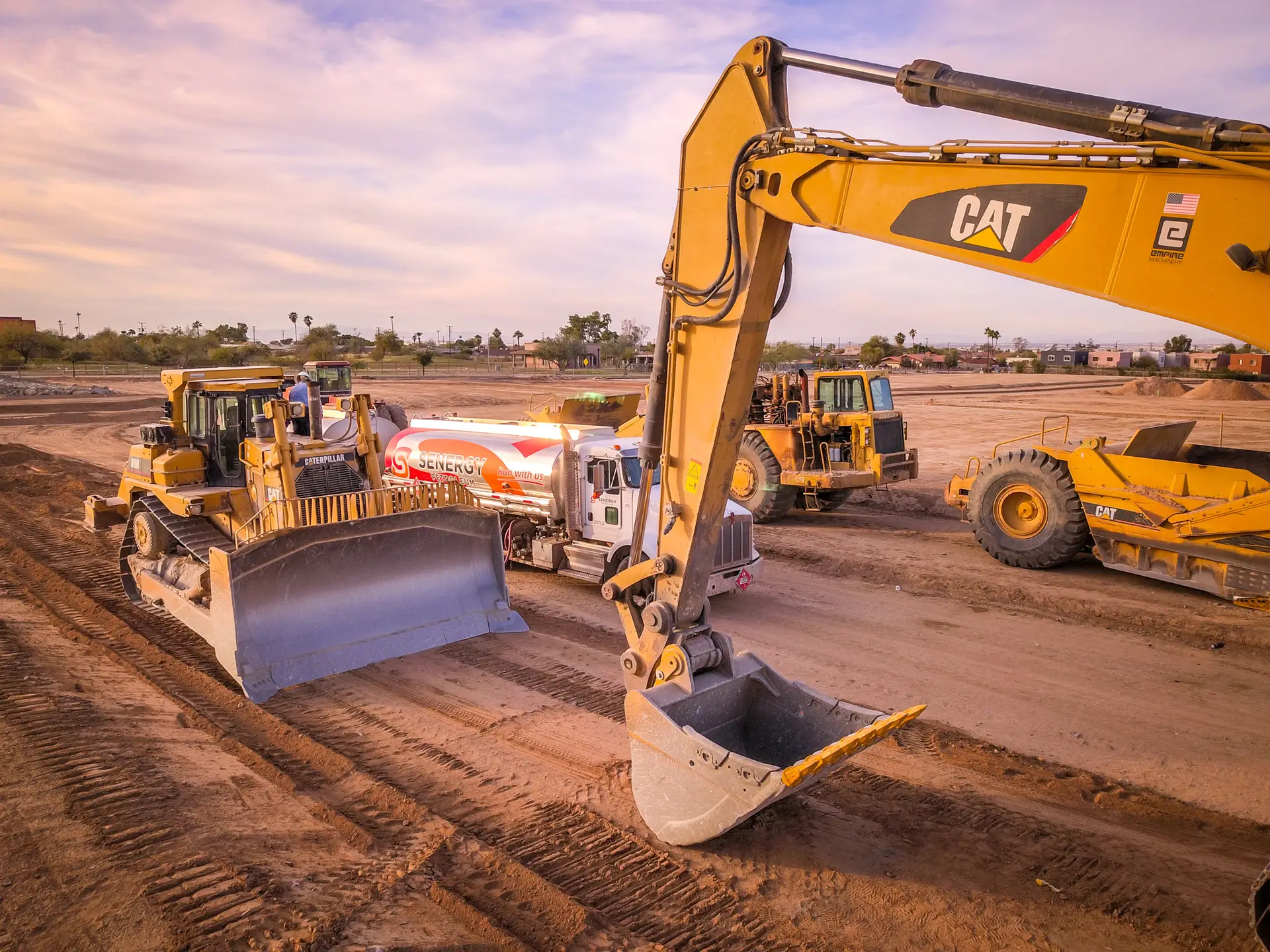
How Bulk Fuel Delivery Improves Construction Site Efficiency
Construction projects rely on timing, coordination, and equipment performance to keep operations moving efficiently. Whether it is a backhoe breaking ground, a dozer leveling surfaces, or a tractor transporting materials, every stage of the job depends on reliable equipment performance. One critical factor that is often overlooked, but can significantly impact project success, is fuel management.
Heavy equipment requires a dependable fuel supply to maintain productivity across the jobsite. Without proper fueling, operations can slow down or stop entirely, leading to costly delays. This is why bulk fuel delivery services have become increasingly important for modern contractors. A reliable construction fuel supply strategy helps eliminate inconsistent fueling practices while keeping equipment operating and crews productive.
By providing construction professionals with dependable fuel, fueling support, lubricants, and advanced clean fluid solutions, bulk fuel programs play an important role in improving operational efficiency on construction sites.
Reliable Fuel Management on Construction Sites
Construction sites are fast-moving operations where multiple activities take place simultaneously. Excavators handle foundation work, loaders move materials, generators power equipment, and trucks transport supplies across the jobsite. Each piece of equipment depends on a reliable fuel supply to maintain efficient operations.
Managing fuel manually can create unnecessary challenges. Time may be lost traveling to fueling locations, inventory tracking can become difficult, and unexpected fuel shortages may lead to equipment downtime. These issues can reduce productivity and increase overall project costs.
As construction projects continue to grow in size and complexity, effective fuel management has become increasingly important. Contractors need dependable solutions that simplify operations without adding administrative burdens to daily workflows.
A professionally managed construction fuel supply program helps support continuous operations by ensuring fuel is available on-site when and where it is needed. With reliable fueling support in place, companies can reduce disruptions, improve efficiency, and keep projects moving forward on schedule.
Turning Fuel Management Into a Competitive Advantage
Forward-thinking contractors recognize fuel as more than just an operating expense. Effective fuel management directly impacts productivity, profitability, equipment reliability, and project timelines.
A properly managed bulk fuel delivery program can transform fuel management from a challenge into an operational advantage. Scheduled deliveries help maintain a consistent fuel supply while reducing the need for emergency orders and last-minute purchases.
Reliable fuel programs also provide greater visibility into fuel usage. With accurate tracking and reporting, project managers can monitor consumption, identify inefficiencies, and better forecast future fuel needs. Improved insight leads to stronger decision-making and greater operational control.
When fuel management becomes more predictable, construction teams can focus more effectively on project execution. Administrative demands are reduced, logistical challenges become easier to manage, and overall operational efficiency improves. In a competitive construction industry, these advantages can have a significant impact on both project performance and long-term business success.


Reducing Construction Downtime With On-Site Fueling Services
Downtime remains one of the most costly challenges in the construction industry. When critical equipment stops operating, entire workflows can be disrupted, leading to delays that impact overall project timelines.
On-site fueling services help reduce these disruptions by delivering fuel directly to equipment on the jobsite. Instead of operators leaving their work areas to refuel, trained fueling specialists service equipment during operational cycles, helping maintain productivity throughout the day.
This approach maximizes equipment utilization while minimizing unnecessary downtime. Many contractors also schedule fueling services during off-hours to ensure equipment is ready for the next workday without interrupting active operations.
By reducing downtime, businesses can improve the productivity of both equipment and crews. Equipment efficiency increases, schedules become easier to maintain, and project deadlines can be met more consistently. For contractors managing demanding workloads and tight timelines, reliable jobsite fueling provides measurable operational value.
How Fuel Quality Impacts Construction Equipment Performance
Fuel quality plays an important role in equipment performance across construction operations. Construction machinery operates under heavy workloads, placing significant demands on engines and fuel systems. Using high-quality commercial fuels can support reliable performance while helping protect valuable equipment assets.
Premium fuel formulations are designed to promote efficient combustion, reduce deposit buildup, and support cleaner engine operation. These benefits contribute to smoother equipment performance and help maintain consistent power output across varying operating conditions.
Quality commercial fuels can also help reduce maintenance demands by minimizing issues associated with fuel contaminants and incomplete combustion. Over time, this can support improved fuel efficiency and lower operating costs for contractors.
Premium Lubricants in Construction Equipment Performance
Lubricants are just as important to construction equipment performance and reliability as fuel. Proper lubrication supports the efficient operation of engines, hydraulic systems, transmissions, and drivetrains across demanding jobsite conditions.
Construction environments expose equipment to dust, vibration, moisture, and heavy workloads. Without proper lubrication, these conditions can increase component wear and raise the risk of equipment failure.
Premium lubricants help protect critical systems by reducing friction, controlling heat, and minimizing excessive wear. They also support smoother equipment operation and can help extend equipment service life, allowing contractors to maximize the value of their machinery investments.
Combining lubricant management with bulk fuel delivery services creates a more complete maintenance solution for construction operations. This approach simplifies procurement, improves operational consistency, and helps reduce disruptions caused by maintenance-related issues.
Why Clean Fluid Solutions Matter
Fuel and lubrication are not the only factors that impact equipment reliability. Fluid cleanliness also plays a critical role in equipment performance and long-term operational efficiency. Contaminated fluids can create problems within hydraulic systems, fuel lines, pumps, and other critical components, leading to costly maintenance issues and equipment downtime.
Clean fluid solutions focus on fluid quality management through filtration, contamination control, fluid monitoring, and preventative maintenance practices. These programs help identify potential issues early, reducing the risk of unexpected equipment failures.
Maintaining clean fluids helps equipment systems operate as intended while minimizing unnecessary wear on components. This can support improved equipment performance, extended component life, and more effective maintenance planning.
For construction companies managing large fleets and high-value equipment, clean fluid solutions provide an additional layer of operational protection and reliability. When combined with quality fuel and lubricant programs, they create a more complete asset management strategy that helps keep projects operating efficiently.
Integrated Fuel and Fluid Solutions
Construction efficiency depends on consistency. Equipment must stay operational, resources need to be available when needed, and project schedules should remain on track. Reliable fuel and fluid management play a major role in achieving these goals.
A dependable bulk fuel delivery program helps keep jobsites running efficiently by ensuring fuel availability and reducing downtime.
As construction projects continue to grow in complexity, integrated fuel and fluid management solutions help companies improve performance, control operating costs, and support long-term success.