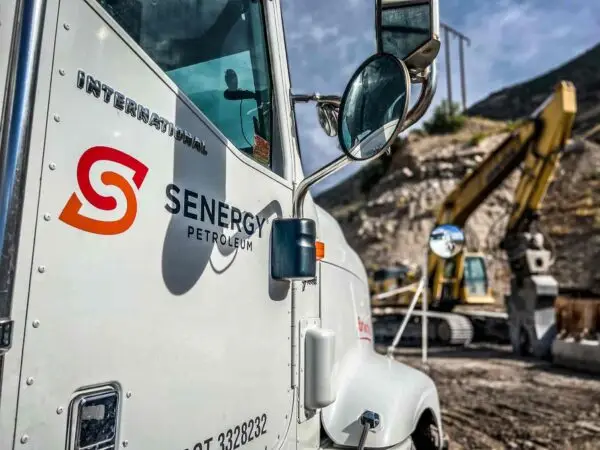
How Bobtail Fuel Deliveries Support Smaller Fuel Requirements
Businesses that use diesel fuel do not always need a full tanker load to keep their operations running. Small construction companies, farms, local fleets, and industrial facilities often consume fuel at a slower or less predictable rate. Ordering more fuel than necessary can create storage challenges, tie up working capital, and leave businesses with more inventory than they can use in a reasonable period. A delivery option that matches actual consumption can make fuel planning much easier.
Bobtail fuel delivery gives businesses access to smaller and medium-sized fuel loads without requiring a full-size transport truck. These straight trucks can deliver fuel to storage tanks, generators, construction equipment, and other approved locations. For companies with limited storage space or changing fuel demand, this approach offers a practical way to manage supply without ordering more than their operations require.
Overview
- Bobtail trucks handle smaller fuel deliveries without requiring full tanker loads.
- Suitable for construction companies, farms, and small fleets.
- Help manage fuel storage and delivery schedules.
- Support reliable fuel supply based on actual business needs.

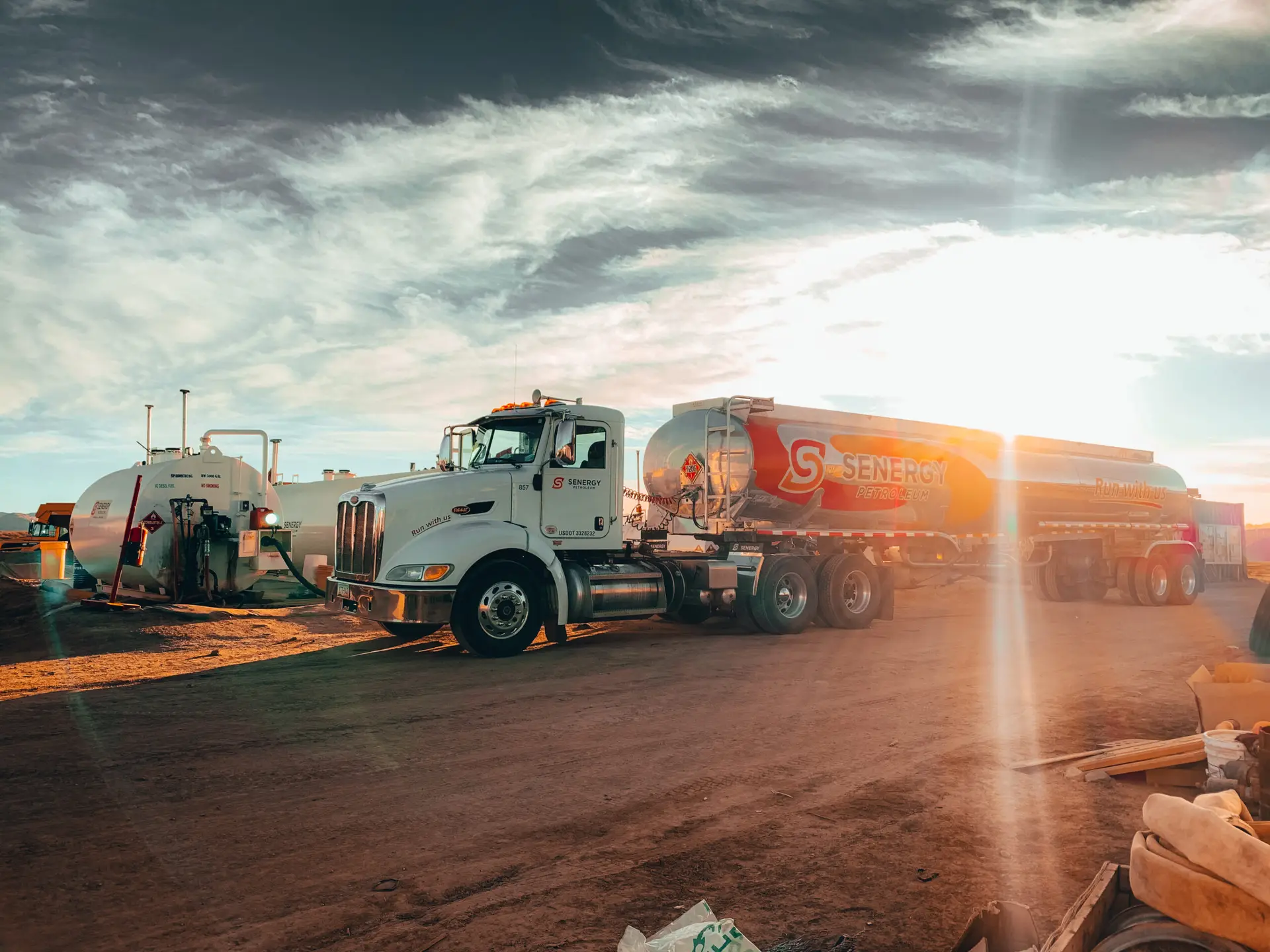
What Is Bobtail Fuel Delivery?
A bobtail fuel truck is a self-contained delivery vehicle designed to transport and dispense fuel without the need for a separate tractor-trailer combination. Its smaller size makes it suitable for deliveries where a full tanker may be unnecessary or difficult to maneuver. Depending on the truck configuration, it can supply diesel, gasoline, or other approved products to storage tanks and equipment at commercial locations.
The amount a truck can carry depends on its tank design, compartments, and operating specifications. For example, Macro Companies lists bobtail vehicles with capacities ranging from 1,100 to 4,500 gallons. That range shows why these trucks can serve different types of customers, from small facilities to larger commercial operations. The driver can also use metering equipment to record the quantity dispensed, giving the customer a clearer delivery record.
Why Businesses Choose Smaller Fuel Deliveries
Fuel requirements can change from one week to another. A contractor may have fewer machines running during a slow project period, while a farm may use more diesel during planting or harvest. Ordering a full transport load in these situations may not suit the business’s storage capacity or immediate consumption. Small-volume fuel delivery gives operators another option: request an amount that better matches the fuel they can store and use.
Smaller loads can also make fuel purchasing easier to plan. Businesses can arrange deliveries around equipment schedules, tank levels, and expected demand instead of waiting until they have enough storage space for a large shipment. Some distributors offer scheduled orders, on-demand deliveries, and tank-monitoring programs. These services help customers plan replenishment before supplies run low, while keeping the delivery quantity connected to actual operating needs.
Industries That Benefit From Bobtail Fuel Trucks
Construction companies are a natural fit for smaller fuel loads. A contractor working on a local building project may operate excavators, skid steers, bulldozers, light towers, and portable generators without needing thousands of gallons at once. A bobtail truck can bring diesel to an approved site tank or support direct equipment fueling where the provider offers wet-hose service. This arrangement can save crew members from leaving the job to find a retail fueling station.
Agricultural businesses also have changing fuel demands. Tractors, harvesters, irrigation pumps, and other farm equipment may use different amounts of diesel throughout the year. Smaller deliveries can help farms replenish their tanks according to seasonal activity and available storage. Local fleets, landscaping companies, manufacturing facilities, and businesses that rely on backup generators may benefit as well. Their common need is a dependable supply that fits the size and location of their operation rather than a standard full-load delivery.
Bobtail Fuel Delivery vs. Full Transport Deliveries
The main difference between a bobtail truck and a full transport tanker is the amount of fuel each vehicle is designed to carry and the type of delivery it supports. A bobtail is generally better suited to smaller or medium-sized orders and locations where a straight truck is easier to position. A full transport tanker is more appropriate when a facility has the storage capacity and regular demand to receive a larger shipment. Neither vehicle is automatically the better choice; the right option depends on the customer’s requirements.
Consideration | Bobtail truck | Full transport tanker |
Typical load | Smaller or medium volume | Larger volume |
Vehicle design | Straight truck | Tractor-trailer |
Site access | Often easier in tighter spaces | Needs more room to maneuver |
Storage needs | Suitable for smaller tanks | Usually suited to larger tanks |
Common users | Farms, contractors, small fleets | Large fleets and industrial facilities |
Actual delivery capacity, minimum orders, and site access depend on the distributor and equipment. A business should confirm these details before scheduling a shipment, especially when the delivery point has narrow entrances, low clearance, weight restrictions, or limited room for turning.
Managing Fuel Storage and Day-to-Day Requirements
A well-planned fuel supply starts with knowing how much fuel the business uses and how much its tanks can safely hold. Operators can review equipment run hours, past delivery tickets, seasonal demand, and average daily consumption to estimate when another order will be needed. This information helps avoid two common problems: running low during working hours and purchasing more fuel than the site can reasonably store.
Tank monitoring can make this process easier. Remote monitors track fuel levels and may send alerts when inventory reaches a set point. When combined with a regular delivery schedule, they give managers a clearer view of consumption across job sites or facilities. Some providers also offer above-ground tanks, pumps, meters, and related dispensing equipment. Businesses should check that storage and dispensing systems meet applicable safety and environmental requirements, and that fuel records identify the product and quantity received.
Choosing the Right Fuel Delivery Provider
Before selecting a supplier, businesses should check whether its service area covers their location and whether it can provide the fuel products they use. These may include clear diesel for eligible on-road applications, red-dyed diesel for permitted off-road uses, gasoline, or diesel exhaust fluid (DEF), depending on the provider. Customers should confirm product availability, delivery quantities, minimum order rules, and whether the company can serve tanks, generators, or equipment at their site.
It is also worth asking how deliveries are measured, documented, and scheduled. A reliable supplier should be able to explain its metering process, provide delivery tickets, and discuss options for planned or urgent orders. GPS tracking, dispatch updates, remote tank monitoring, and wet-hose fueling may be available, but service features vary by distributor and location. A provider offering commercial diesel service should understand the customer’s equipment, storage limits, and operating hours before recommending a delivery plan.
For businesses with modest or changing fuel needs, bobtail fuel delivery can be a sensible alternative to receiving a full tanker load. It gives operators another way to match fuel orders with tank capacity, site access, and day-to-day consumption. By reviewing usage, choosing suitable storage, and working with a supplier that can meet their delivery requirements, businesses can keep fuel available without making every order larger than necessary.