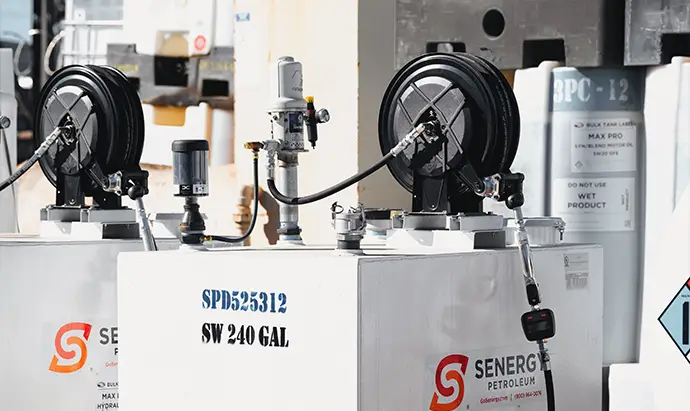
Efficient fuel management is the backbone of industries like construction, fleet operations, and auto shops, especially in the demanding environments of the Southwest and Rockies. Downtime caused by fuel shortages or costly errors like overfilling can wreak havoc on operations. That’s where automated tank monitoring comes in—a solution designed to keep your business running smoothly while saving time, money, and resources.
Automated tank monitoring uses advanced sensors, real-time data collection, and cloud-based software to track fuel levels and usage. These systems provide instant access to accurate information about your tanks, allowing you to make informed decisions. Instead of relying on manual checks or guesswork, automated monitoring gives you precision and control.
In regions like the Southwest and Rockies, where harsh weather and remote locations are common, this level of control can make all the difference.
One of the most significant advantages of automated tank monitoring is its ability to boost operational efficiency. Real-time data eliminates the need for manual checks, freeing up your team to focus on other priorities. For instance, a construction manager can avoid delays caused by equipment running out of fuel, ensuring projects stay on schedule.
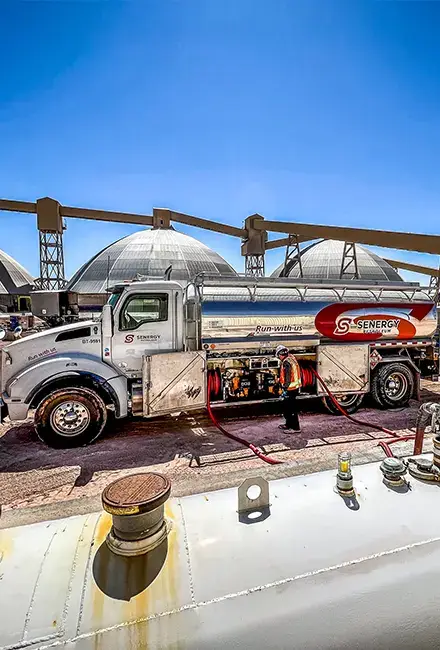
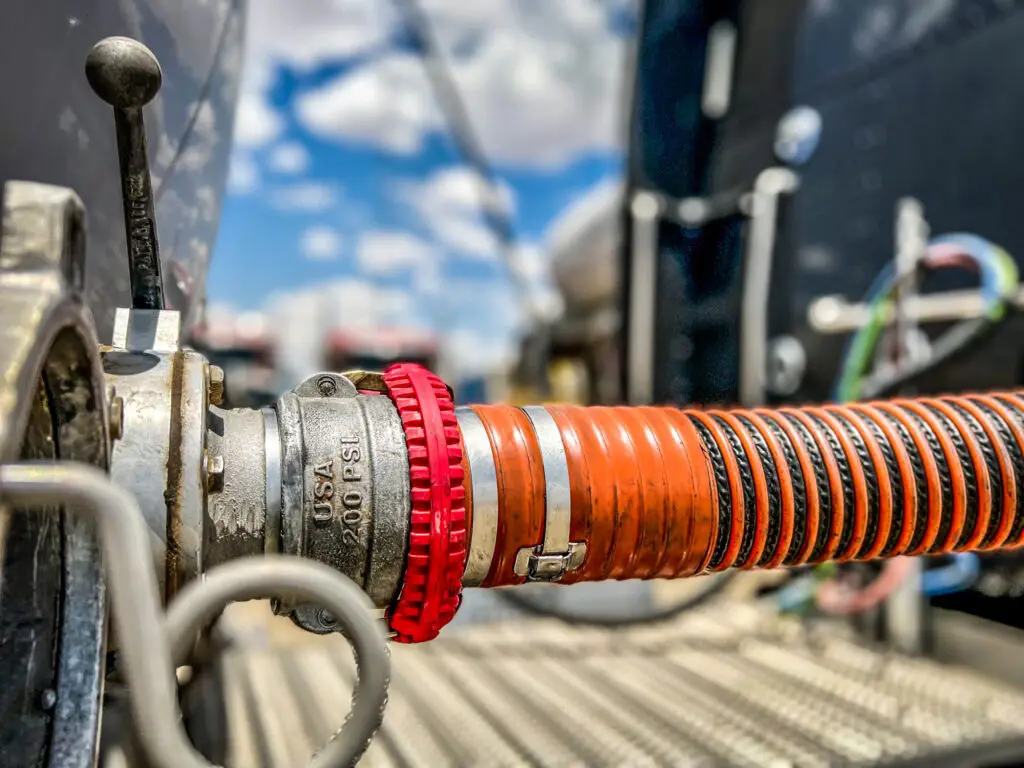
Automated monitoring is a game-changer for your budget. By eliminating overfilling and wastage, you can make every drop count. Usage trends provided by the system also allow for better forecasting and smarter purchases.
Fuel storage can pose safety risks, from spills to leaks. Automated monitoring minimizes these dangers by providing constant oversight and early warnings for potential issues.
The unique challenges of the Southwest and Rockies make automated tank monitoring a must-have for businesses.
For instance, a vehicle fleet operating in the Rockies ensured uninterrupted service during a snowstorm thanks to real-time data from its automated monitoring system.
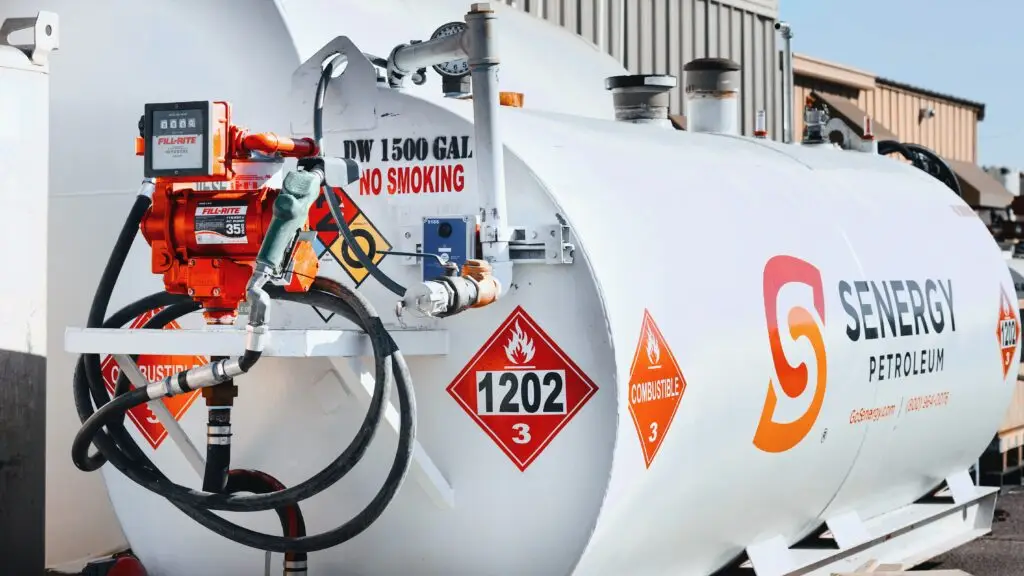

Ready to transform your operations? Here’s how to implement automated tank monitoring:
Step 1: Evaluate Your Current System
Take stock of your current fuel management practices. Identify inefficiencies and areas where automation could provide immediate benefits.
Step 2: Choose the Right Provider
Not all automated monitoring systems are created equal. Look for a provider that understands the needs of businesses in the Southwest and Rockies. Senergy Petroleum, for instance, offers tailored solutions designed for industries like construction, fleet management, and auto shops.
Step 3: Customize Your Solution
Work with your provider to create a system that fits your specific needs. Whether you manage a fleet of vehicles or operate a remote construction site, the right setup makes all the difference.
Step 4: Train Your Team
Ensure your team knows how to use the new system effectively. Many providers, like Senergy Petroleum, offer training to help you get the most out of your investment.
Automated tank monitoring is a powerful tool for improving efficiency, cutting costs, enhancing safety, and supporting sustainability. For commercial fuel buyers in the Southwest and Rockies, it’s an investment that pays off quickly.
Don’t wait for the next fuel shortage or safety scare. Contact Senergy Petroleum today to learn how automated tank monitoring can revolutionize your operations and keep your business running smoothly.