
Fueling Solutions for Road Construction Projects
Road construction projects rarely happen in convenient locations. Crews may be working miles from the nearest fuel station, moving between sections of a highway, or operating several machines at once. When an excavator, grader, paver, or roller needs fuel, sending an operator away from the work area can add costs beyond the price of the fuel itself. It takes time, interrupts the schedule, and leaves equipment sitting idle.
A well-planned fueling setup keeps diesel available where it is needed. Road construction fueling can include direct-to-equipment service, bulk deliveries, temporary storage tanks, scheduled refills, and emergency support. The right combination depends on the size of the project, equipment mix, site location, and expected fuel consumption.
Why Fuel Planning Matters on Roadwork Sites
Fuel is part of the daily operating plan, not simply another supply to order when a tank gets low. Excavators, bulldozers, motor graders, asphalt pavers, milling machines, compactors, and generators can consume significant amounts of fuel during long shifts. A missed delivery or empty tank can bring several pieces of equipment to a stop at the same time.
Fuel delivery helps crews avoid unnecessary trips away from the work zone. Instead of relying on operators to visit a public station or move equipment toward a storage point, fuel can be brought to the location. This is especially useful on highway and infrastructure projects where the active work area can change as the job progresses.
Mobile Fueling Keeps Equipment Ready
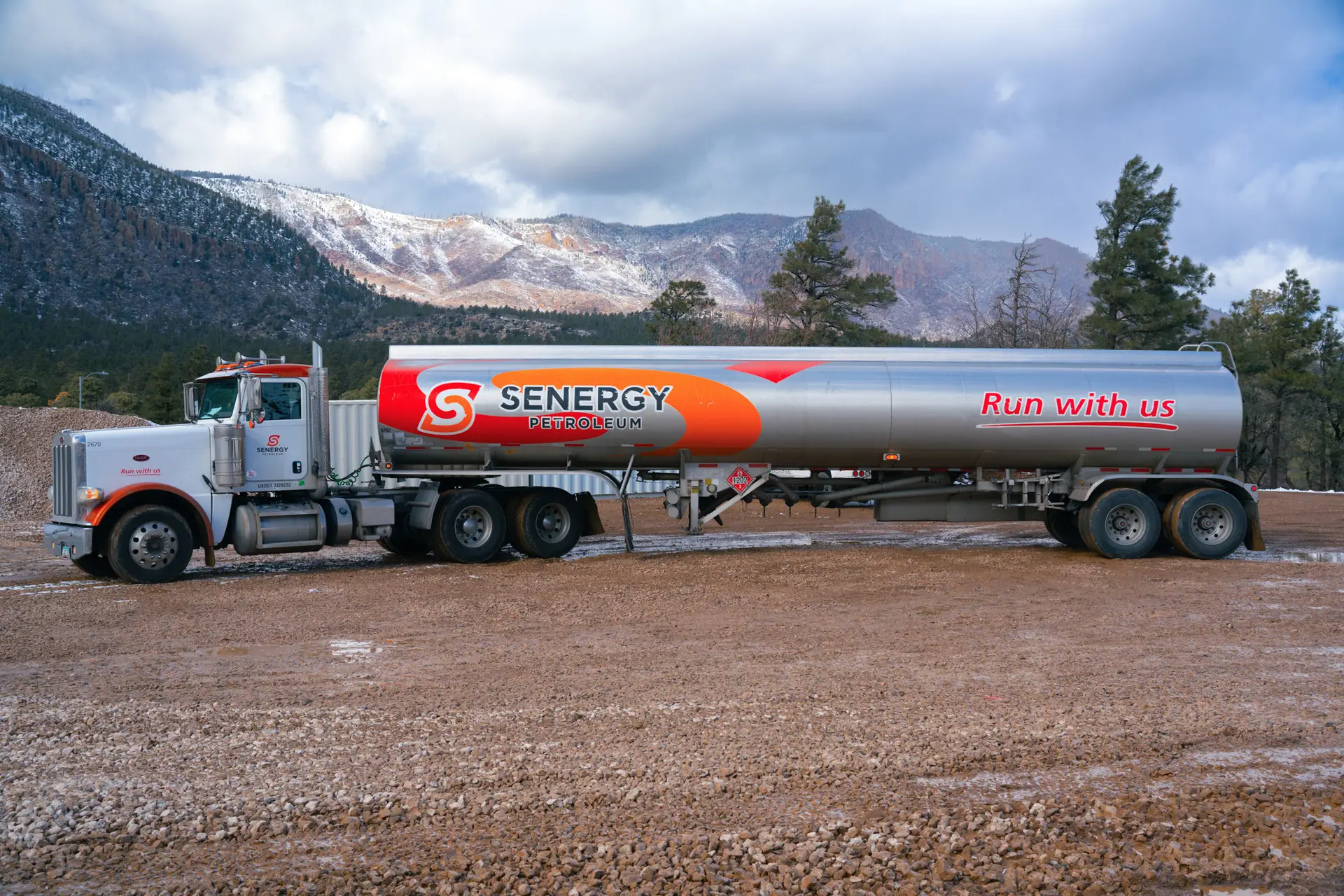
Mobile fueling is useful when equipment is spread across a large site or when crews need fuel outside normal business hours. A fuel truck can arrive at the work area and fill equipment directly, often during planned downtime or before the next shift. This approach reduces the need for operators to handle routine refueling themselves.
Direct fueling also works well for machines that are difficult or expensive to move. A grader, paver, excavator, or roller does not need to leave its work zone simply because its tank needs attention. With a planned service schedule, multiple units can be fueled during one visit, helping crews begin the next shift with equipment ready to work.

Choosing the Right Fuel for Each Machine
Not every vehicle on a road project has the same fuel requirement. Dyed off-road diesel may be used in qualifying non-highway equipment and other approved nontaxable applications, while clear, taxed diesel is generally required for vehicles operating on public highways. Understanding the difference is important for both operating costs and fuel-tax compliance.
The equipment list should also include support assets. Dump trucks, water trucks, service vehicles, generators, and light towers should also be included when determining the fuel and fluid requirements for the project. DEF is another important consideration for many modern diesel engines equipped with Selective Catalytic Reduction (SCR) systems. Keeping fuel, DEF, lubricants, and other required fluids available through a coordinated supplier can simplify daily site operations.
Bulk Delivery and On-Site Storage
Long-duration projects with predictable demand may benefit from bulk fuel delivery combined with an on-site tank. Storage systems should be selected and installed according to applicable federal, state, and local requirements, including secondary containment and spill-prevention requirements where applicable.
Storage capacity should match actual consumption rather than simply choosing the largest available tank. A project manager can consider the number of machines, average daily usage, delivery frequency, available space, and expected project duration. Providers may also offer tank monitoring so fuel levels can be checked remotely and replenishment can be arranged before supplies become critically low.
Building a Reliable Delivery Schedule
A good delivery schedule starts with fuel demand. Estimate daily usage for major equipment, add support vehicles and generators, then account for changes in working hours or the number of active machines. This gives the supplier a clearer picture of when deliveries will be required.
For shorter projects or changing work zones, fuel delivery can be arranged around the site’s current location. Longer projects may benefit from scheduled bulk deliveries and storage. Where available, emergency fuel delivery can provide another layer of protection when weather, unexpected equipment use, schedule changes, or other disruptions increase demand.
Managing Fuel Costs, Downtime, and Accountability
Fuel costs are only one part of the picture. Labor spent driving to fuel stations, equipment sitting idle, unplanned service calls, and poor inventory control can add to the real cost of keeping machines fueled. A practical fueling plan looks at all of these factors instead of comparing fuel prices alone.
Fuel records can also help project managers understand consumption by vehicle or equipment type. Depending on the fueling system, tank monitoring, digital delivery reports, equipment-level records, and regular inventory checks can make unusual usage easier to identify. These tools may help identify leaks, potential theft, unusual consumption patterns, or inaccurate fuel-use estimates before they become larger problems.
Finding the Right Roadwork Fueling Partner
The best supplier is not necessarily the one offering the lowest posted price. Look for a provider that understands remote work areas, heavy equipment, delivery scheduling, fuel storage, and the practical demands of road projects. Ask about service coverage, delivery windows, emergency support, fuel types, tank options, and the ability to serve multiple locations.
A dependable fuel delivery partner should also make fueling easier to coordinate for field teams. Whether the project needs direct equipment service, bulk fuel storage, or a combination of both, the goal is the same: keep machines supplied without creating another problem for the crew. With the right road construction fueling plan, contractors can reduce time spent coordinating fuel while helping keep equipment supplied throughout the project.
