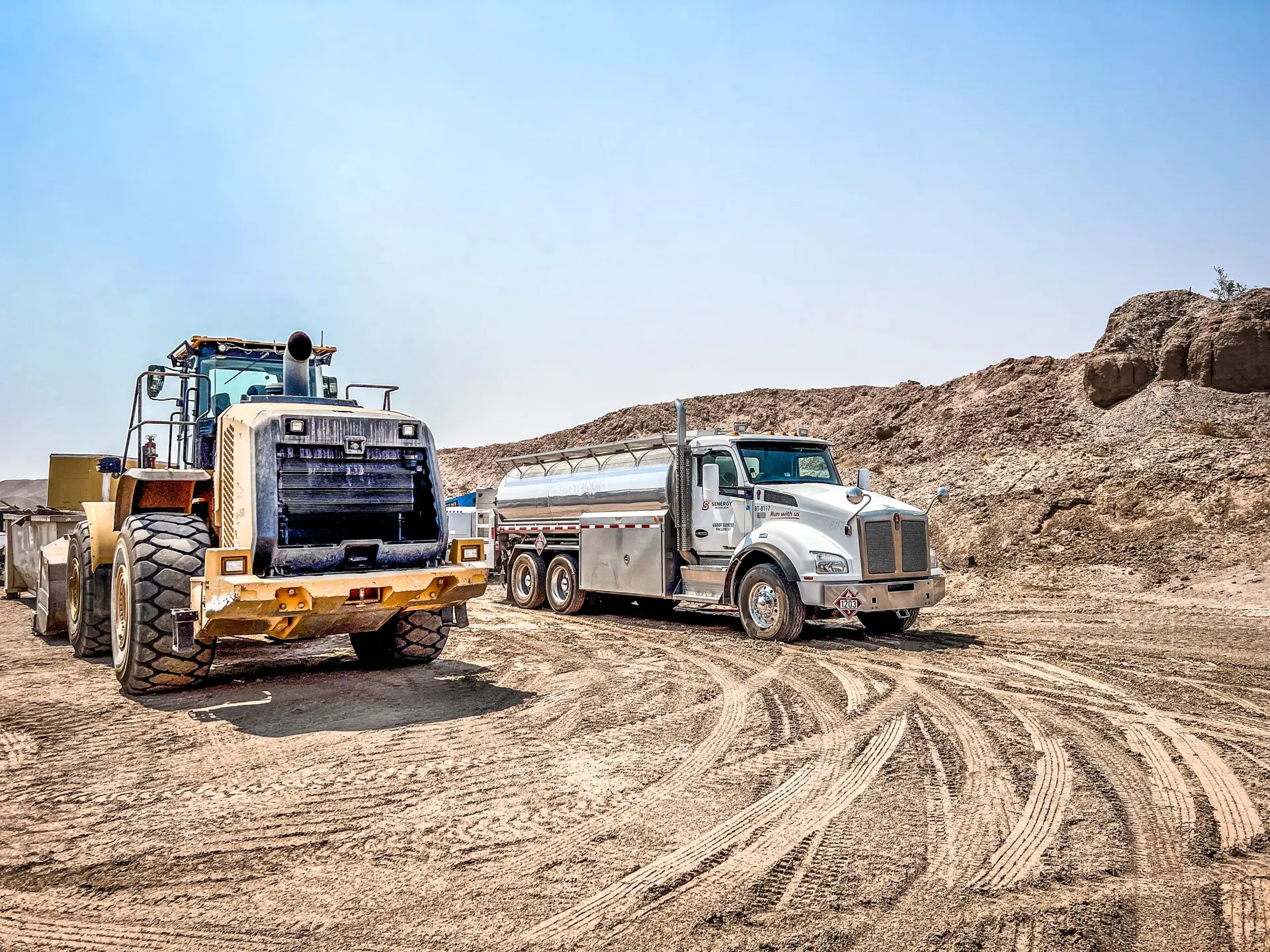
Fueling Remote Jobsites: Logistics That Keep Equipment Moving
Construction, mining, agriculture, or infrastructure development projects require constant fuel supply due to their location being remote. Remote fuel delivery can be considered an essential operational element as opposed to urban projects as these sites do not have nearby fueling stations. Excavators, generators, loaders, and trucks, among other equipment, have to operate on a 24-hour basis in order to satisfy the deadlines of the project.
Lack of a consistent fueling plan means that any minor disruption will stop the operations and cause an expensive delay. Fuel is not a commodity, it is the heart of productivity. Efficient jobsite fuel logistics keep machinery running continuously so that teams can have regular work flow.
Moreover, off-site locations are usually run on strict time schedules and severe conditions. Failure in fuel supply, or mismanagement may soon turn into a crisis of operations. This has made firms be more and more involved in organised fuel logistics systems.
Proper planning of fueling strategy would make sure that tools would be running, work done by man would be productive, and project would be on time. Fuel logistics are not something that is optional in remote environments, but is the key that ensures a mission is successful.
Knowledge Remote Fuel Delivery Systems and Infrastructure
Remote fuel delivery is at the epicenter of remote job site efficiencies and is created as a system that will be used to deliver fuel to off-grid sites. This is not merely transportation of diesel but also entails route planning, compliance and storage systems.
The fuel suppliers usually install on-site storage tanks and dispensing systems based on the nature of the project. These systems are developed to operate the high amounts of fuel safely and efficiently. After installation, fuel levels are tracked by the suppliers so that shortage will not occur due to delayed deliveries.
Infrastructure is critical in the achievement of smooth functioning. Tanks should be secured correctly, checked on leakages, and observed to the environmental laws. Telemetry systems are also utilized in most instances to monitor the fuel level in real time so as to replenish the fuel proactively.
Remote fuel delivery systems can offer a non-bump fueling experience by incorporating logistics planning and driving infrastructure. This goes to guarantee that remote offices of any job can continue to operate without hitches.
The Advantages of Mobile Fuel Services to Remote Projects
Mobile fuel services have changed the manner in which remote jobsites handle their fuel requirements. These services will eliminate the necessity of operators to leave the site to find fixed fueling stations instead of going there.
Time saving is among the main advantages. Employees do not have to go far in order to gas up their cars since they can concentrate on their essential duties. This enhances efficiency and minimizes downtimes.
Mobile fueling increases productivity also by making sure that the equipment is fueled during off-hours or scheduled breaks. This reduces the number of disruptions and ensures a smooth flow of operations. As well, such services can involve fuel tracking and reporting, which is helpful in understanding the consumption trends.
Flexibility is another strength. Mobile fuel services have the capability of adapting themselves to evolving project needs, and this adds to the fact that the fuel is delivered when required and the schedule can be changed.
This convenience and efficiency is priceless when it comes to projects in a remote area. Mobil fuel services also facilitate the operations and lead to resource management and cost control.
Performance of Off-Road diesel supply and equipment
Remote job sites are on the off-road diesel supply that is essential in driving heavy machinery and specialized equipment. A non-highway diesel, commonly dyed in order to differentiate it with on-road fuel, is specifically intended to be used off-road and is a relatively economical choice in the case of an industrial application.
A constant supply of off-road diesel is also important to keep the equipment running smoothly. Good quality fuel will limit engine wear, enhance efficiency and reduce chances of breakdown. Contamination may ruin engines and incur expensive repairs therefore proper storage and handling is very essential to avoid contamination.
Suppliers of fuel are critical in the upholding of quality. They have stringent storage, transportation and delivery procedures so that the fuel is not contaminated and ineffective.
Also, the supply of off-road diesel is regular and promotes continuous operation. The equipment would operate on a continuous basis without the chances of shortage of fuel, which will keep the projects on track.
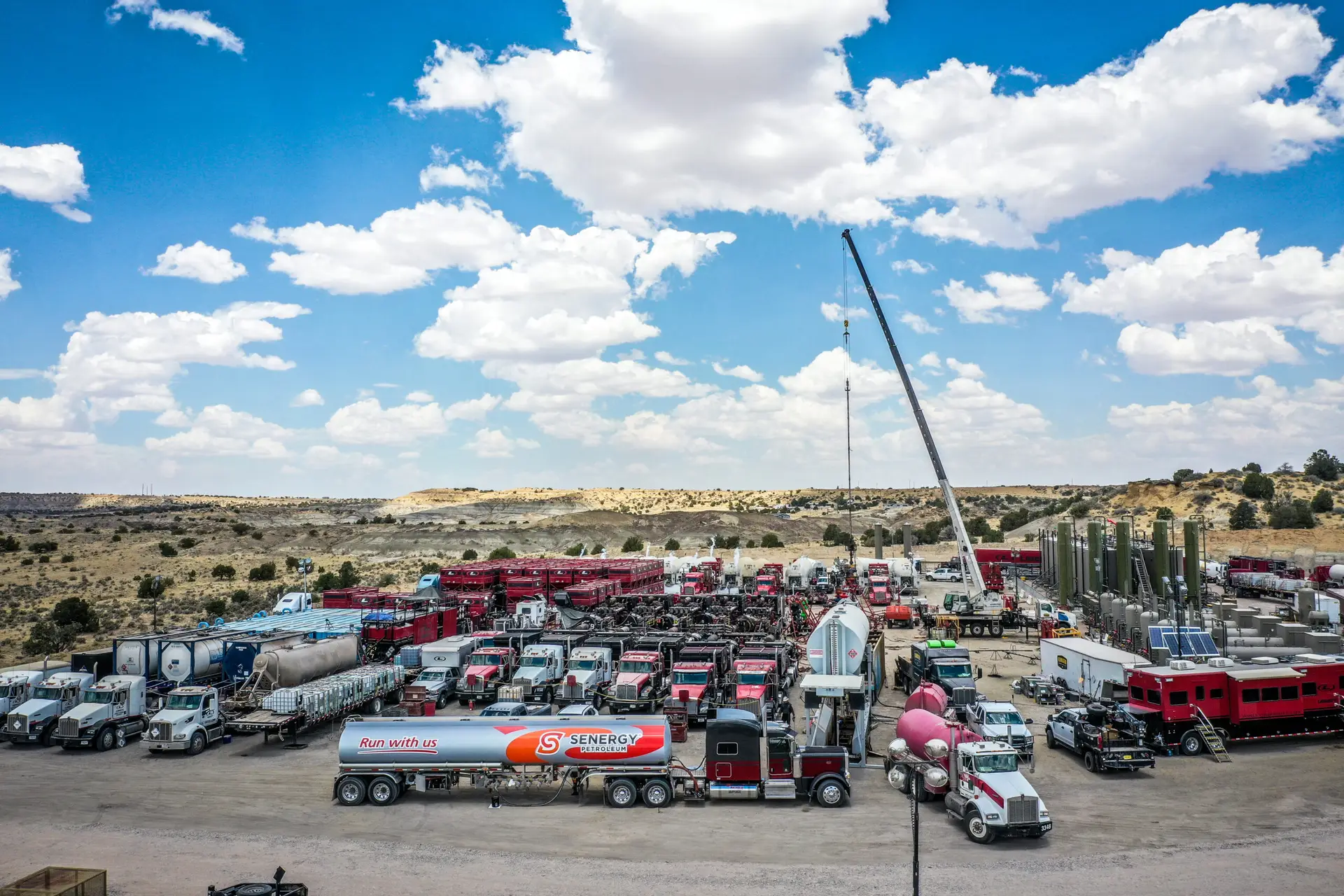
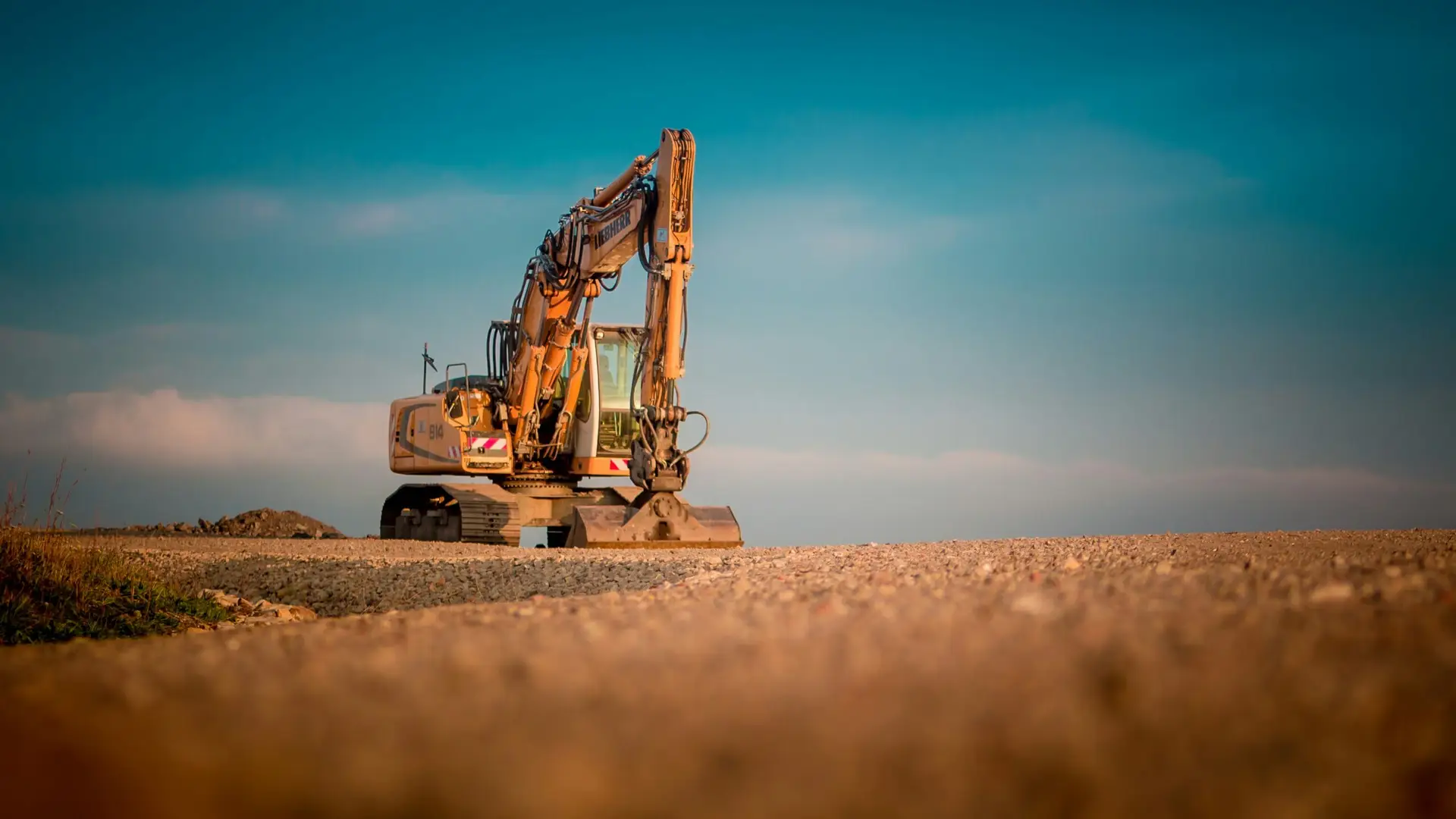
Strategic Fuel Management and Cost-efficiency and Productivity
An efficient remote operation is based on strategic fuel management. Optimizing jobsite fuel logistics enables businesses to save a lot of money and enhance productivity.
The fact that unnecessary travel is removed is one of the primary benefits of remote fuel delivery. Transporting employees or trucks to fill fuel elsewhere is time consuming and resource wastage. On-site delivery eliminates this inefficiency and the teams are able to concentrate on their core activities.
Cost savings can also be achieved through bulk purchasing of fuel, and scheduled deliveries. Firms are able to bargain at a lower price and mitigate the effect of market fluctuation. And precise fuel monitoring also ensures that inefficiencies and wastage are avoided.
Another important issue is to reduce downtime. As the equipment will use up the fuel, the operations will stop. Fuel management will be reliable therefore the operations will run continuously without delays and will be productive.
Through strategic fuel management, companies will be able to be more efficient, have lower costs of operation, and have better results.
Environmental Considerations, Safety and Compliance
The operation of fuel in the remote setting is full of risks and safety and compliance are of paramount concern. The mobile fuel suppliers and professional suppliers abide by stringent safety measures in order to be able to reduce hazards.
Safe fuel operation elements involve proper-storage, spill-caution, and trained personnel. Because of some equipment like grounded tanks, systems to detect leaks and emergency spill kits, accidents are prevented.
It is also important to comply with the environmental regulations. Incidents of fuel spills may be very disastrous, such as environmental degradation and fines. Suppliers guarantee that the businesses are operating to local and international standards minimizing the risks.
Moreover, proper fuel records keep the transactions transparent and accountable. This paperwork is essential in audit and compliance with regulations.
Safety and environmental responsibility allow businesses to safeguard their employees, machinery and reputation and also continue to operate with efficiency.
Future of Remote Fuel Logistics and Innovation
Technological advancement and innovation are defining the future of remote jobsite fueling. From real-time monitoring systems to predictive analytics, the industry is transforming to deal with the needs of contemporary operations.
The latest telemetry systems keep the managers informed of how much fuel is in the tank and being consumed in real time so that they can make decisions in advance. Predictive analytics are capable of predicting fuel requirements by past records and therefore minimizing the possibility of shortages.
Automation is also increasingly taking part. Smart fueling systems will be able to streamline the delivery schedule and enhance efficiency. There is also the inclusion of a digital platform, which gives more visibility and control of fuel operations.
As industries keep expanding to geographically remote and tough locations, the demand for effective fuel logistics will not decrease. The companies that will be adopting innovative solutions will gain a competitive advantage by becoming efficient, economical, and reliable.
To sum up, the future of jobsite fuel logistics is in technological solutions that will be used to maintain a smooth, safe, and efficient fuel handling of remote operations.