
Fueling Construction Sites Efficiently in Remote Locations
Fueling construction sites effectively is a critical operational requirement, particularly when locations are remote or rapidly evolving. Many job sites are far from established fuel stations, making traditional fueling methods impractical and costly. For operations in rugged terrain or short-term project areas, fuel logistics are not simply about availability—they are essential to maintaining workflow continuity, minimizing downtime, and maximizing equipment productivity. Without a carefully planned fueling strategy, the risk of project delays increases significantly. In many cases, job sites located dozens or even hundreds of miles from the nearest fuel depot require contractors to accurately anticipate fuel usage well in advance.
Limited access and changing site conditions can further complicate fuel logistics. This makes it essential for operations to implement flexible fueling plans that can adapt as site demands change. Monitoring fuel consumption, forecasting demand, and maintaining clear communication with fuel suppliers all play a key role in keeping projects on schedule. Strategic planning around these challenges helps reduce inefficiencies, control costs, and improve overall job site performance.
Why Reliable Fuel Delivery Keeps Construction Projects Moving
Fuel is the lifeblood of heavy equipment and machinery on any construction site. In remote or fast-moving locations, dependable construction fuel delivery is essential to maintaining consistent operations. Delays in fuel transport can bring critical work to a halt, leading to equipment downtime that impacts both project schedules and budgets. A reliable fuel delivery program ensures excavators, bulldozers, generators, and other equipment operate without interruption.
Modern fuel delivery services offer flexible scheduling tailored to project demands, including early mornings, late nights, and weekends to align with peak equipment usage. Many providers also offer inventory management tools that give project managers real-time visibility into fuel levels. This insight allows teams to plan refills in advance, reducing the risk of emergency orders and the added costs they often bring.
How On-Site Fueling Improves Jobsite Efficiency and Uptime
On-site fueling solutions are reshaping how construction teams manage jobsite fuel logistics, especially in challenging locations. Rather than relying on off-site refueling trips, many contractors now deploy portable fuel tanks and automated dispensing systems directly on the jobsite. These setups eliminate the need to move equipment long distances for refueling, reducing downtime and unnecessary equipment wear.
Mobile fueling trucks equipped with metered pumps allow operators to refuel equipment exactly where it is being used, keeping machines productive and crews focused. On-site fueling also prevents lost work hours caused by transporting equipment to remote fueling locations. This approach is particularly effective for fast-moving jobsites where work zones change frequently.
Advanced jobsite fueling systems often include fuel-level monitoring technology that shares data with site managers and fuel suppliers. This visibility supports proactive planning instead of reactive ordering. By aligning delivery schedules with actual fuel usage, operations can reduce emergency deliveries, control costs, and maintain steady project momentum. Efficient jobsite fueling ultimately supports smoother workflows, better resource allocation, and consistent operational performance.
The Cost and Efficiency Advantages of Bulk Fuel Delivery
For large projects with multiple machines operating at the same time, bulk fuel delivery offers clear cost savings and operational advantages. Purchasing fuel in larger quantities typically results in a lower per-unit cost compared to smaller, more frequent deliveries. It also simplifies logistics by consolidating fuel shipments into fewer deliveries, rather than coordinating multiple smaller runs. This approach is especially effective for remote construction sites, where transportation expenses can quickly escalate.
A bulk fuel delivery strategy involves placing large on-site tanks capable of holding enough fuel to support operations for several days or weeks. These tanks are replenished on a scheduled basis by the fuel supplier, creating a consistent and reliable supply. Because deliveries are planned and consolidated, transportation time is reduced and overall fuel management becomes more efficient. Bulk delivery also adds predictability to project planning, allowing managers to secure pricing for larger volumes and protect budgets from market fluctuations.
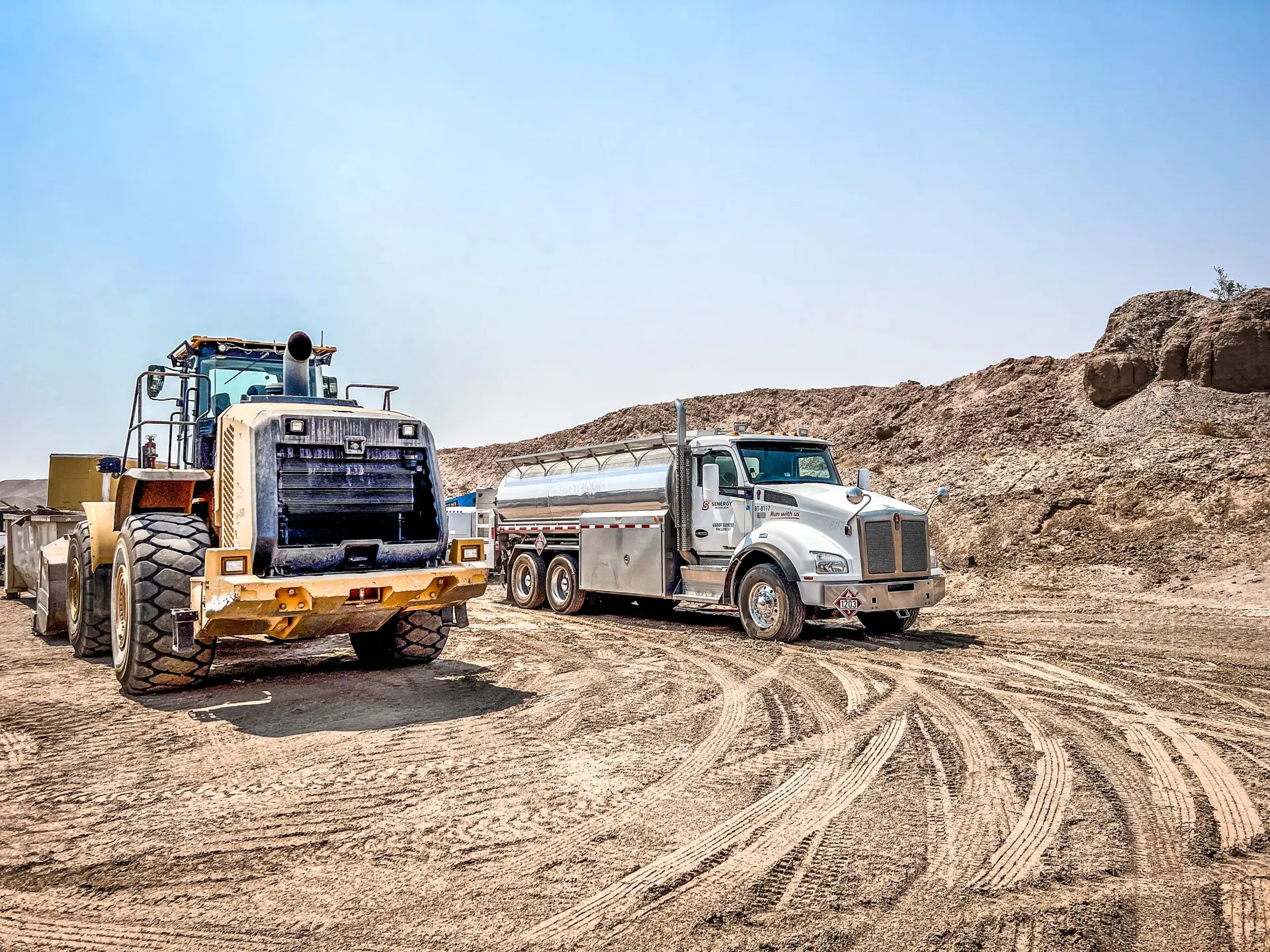

Safety Standards for Fuel Handling on Remote Construction Sites
Working with fuel in remote or fast-changing construction environments requires strict safety protocols and regulatory compliance. Fuel spills, leaks, or improper handling can create significant hazards, result in fines, and cause costly project delays. A successful construction fuel delivery plan includes robust safety measures from the moment fuel leaves the supplier until it is consumed by equipment.
On-site storage tanks should meet industry standards and feature secure containment systems to prevent leaks. Staff should be trained on proper pump operation, safe fuel handling, and prompt reporting of any issues. Spill kits, fire extinguishers, and clear site signage are essential safety tools that every jobsite should have. Regular inspections and maintenance help ensure equipment remains in safe working condition and reduces the risk of incidents.
How Technology is Improving Jobsite Fuel Management
Technology is transforming how construction teams manage jobsite fueling and fuel logistics. Digital systems now allow managers to monitor fuel usage in real time, forecast demand using advanced analytics, and automate reordering processes. Fuel management systems connect tank sensors to cloud-based dashboards, providing visibility into consumption patterns across multiple sites.
Telematics systems installed on heavy equipment deliver detailed data on fuel burn, engine runtime, and idle hours. This information helps managers identify inefficiencies, such as machines that idle excessively or consume more fuel than expected. With these insights, teams can assign tasks more effectively and optimize equipment utilization.
Automated alerts notify managers when fuel reaches predetermined thresholds, prompting timely bulk fuel delivery before levels become critical. This proactive approach reduces emergency fueling, minimizes interruptions to projects, and supports more accurate planning. By integrating technology into fuel logistics, construction operations become smarter, more efficient, and better equipped to respond to change.
Seasonal Fuel Planning for Remote Construction Sites
Construction sites in remote or fast-changing regions frequently face seasonal and access challenges that affect fueling. Heavy rain, snow, or extreme temperatures can disrupt road access, making fuel delivery schedules unpredictable. Advanced planning is essential to minimize the impact of these conditions.
Before access deteriorates, teams should increase on-site fuel reserves. This can include scheduling bulk fuel deliveries in advance and coordinating with providers who understand local terrain and seasonal conditions. Seasonal fuel plans ensure fuel remains available even if delivery routes become unreliable.
Working in high temperatures also requires specialized fuel-handling procedures. Diesel, for example, performs differently in cold versus warm climates and may require additives or specific storage solutions. Training crews to address seasonal nuances helps equipment operate correctly and efficiently, while also supporting long-term project continuity and performance.
Remote Site Fueling Partnerships
Efficient fueling on remote, fast-moving construction sites is an ongoing partnership, not a one-time task. Working with professional fuel providers enables teams to establish reliable fueling strategies that adapt to changing project needs. Clear communication ensures providers stay aligned with schedule changes, demand shifts, and location updates. Long-term partnerships often deliver custom fueling solutions, dedicated delivery windows, and priority scheduling.
Regular reviews of fueling practices help teams improve efficiency and refine delivery timing, forecasts, and safety protocols. By treating fuel logistics as a strategic priority, construction operations gain stability, reduce downtime, and improve overall project performance.
