Fueling Construction: Best Practices for Jobsite Needs
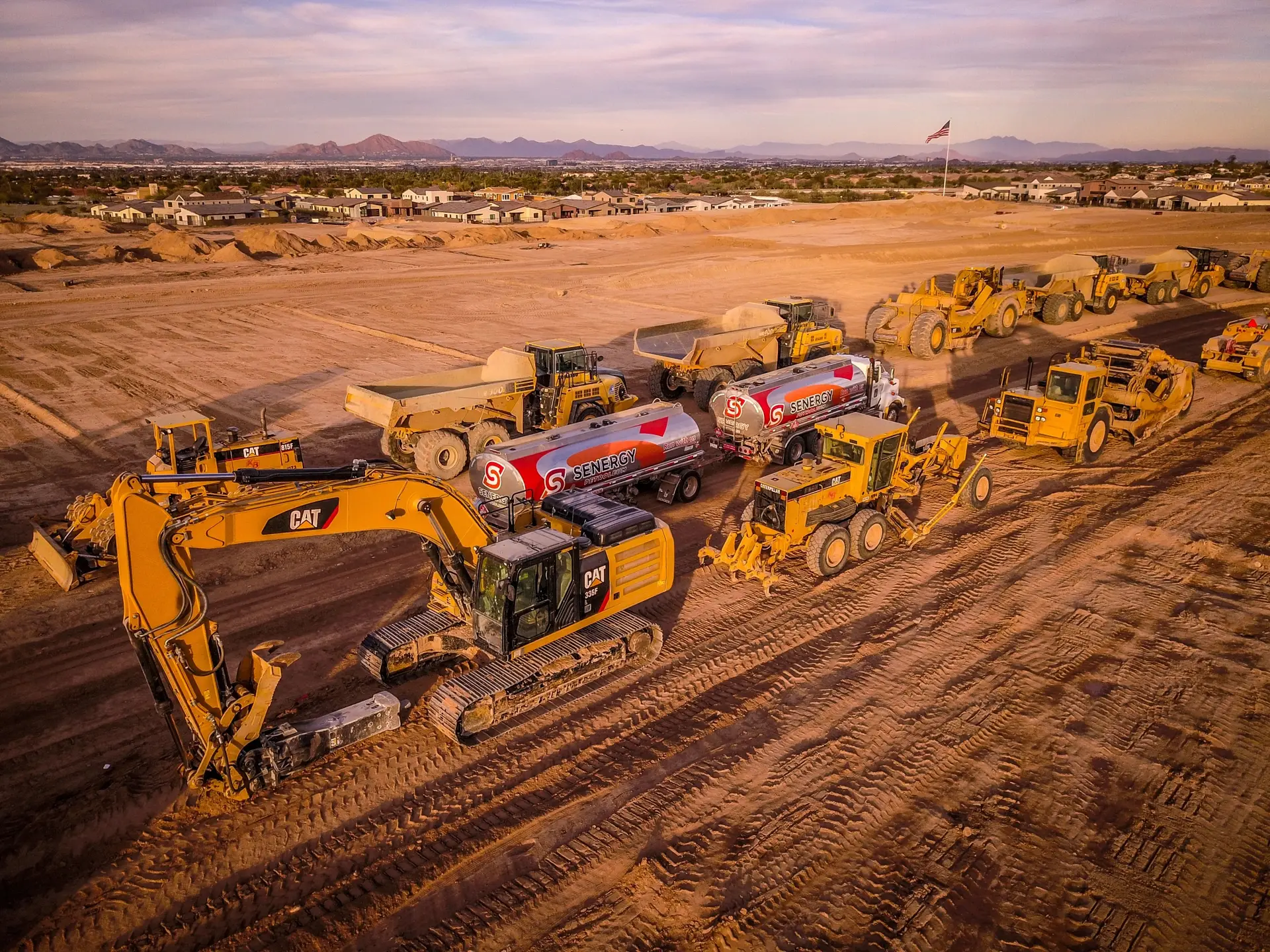
Construction projects depend on reliable fuel supply to power essential equipment, generators, and heavy-duty transport vehicles. Excavators, loaders, and other machinery must operate consistently to keep work progressing. Without a structured fueling plan, projects can quickly experience delays and miss critical schedule targets.
Modern construction sites are complex environments with multiple machines operating simultaneously. Diesel fuel plays a central role in maintaining this activity. When fuel management is not prioritized, inefficiencies can arise, including unexpected downtime, disrupted scheduling, and increased operational costs.
Construction fuel delivery has become a key solution to these challenges. On-site fuel delivery eliminates the need for equipment to leave the jobsite for refueling, reducing travel time and associated costs. This approach helps ensure machinery remains operational throughout the workday, improving overall productivity.
Fuel also represents a significant component of construction cost management. As one of the largest operational expenses on many projects, efficient procurement and usage are essential. By treating fuel as a strategic resource rather than a simple consumable, contractors can streamline operations, reduce waste, and improve overall project performance.
In short, fuel is not just a resource—it is a critical driver of construction efficiency, directly influencing productivity, profitability, and project timelines.
How Construction Fuel Delivery Improves Efficiency
Construction fuel delivery has significantly improved fuel management across job sites. Rather than dispatching drivers to refuel equipment off-site, fuel is delivered directly to the project location, helping maintain productivity and operational efficiency.
On-site refueling reduces downtime and prevents unnecessary delays. Operators are able to focus on their core tasks while fuel logistics are managed externally. This streamlined approach supports higher productivity and contributes to the timely completion of construction projects.
Another key advantage is improved scheduling flexibility. Diesel deliveries can be planned based on actual consumption patterns, helping to prevent shortages during peak operational periods. This proactive approach reduces the risk of supply interruptions and keeps work progressing without disruption.
Bulk diesel delivery is also a critical component of effective construction fueling strategies. Purchasing fuel in bulk often enables cost efficiencies, improved pricing stability, and a more reliable supply chain. It also reduces the frequency of deliveries, lowering transportation-related time and costs.
In addition, many construction fuel delivery providers offer monitoring technologies that track fuel usage and tank levels in real time. This data enables more informed decision-making and supports more precise fuel management across job sites.
In the construction industry, time directly translates to cost. With modern fuel delivery systems and monitoring tools, companies can improve efficiency, reduce expenses, and maintain uninterrupted operations.
Optimizing Heavy Equipment Fuel Management for Efficiency
Managing heavy equipment fuel is essential for maintaining the efficiency, performance, and longevity of construction machinery. Diesel-powered equipment such as bulldozers, cranes, and graders requires high-quality fuel to operate at optimal levels.
The first step in effective fuel management is understanding each piece of equipment’s requirements. Different machines may have varying fuel consumption rates and efficiency profiles, making monitoring and tracking fuel usage a key part of overall operational control. Modern fuel monitoring systems can provide detailed consumption data, helping identify inefficiencies and opportunities for improvement.
Proper fuel maintenance is also critical. Low-quality or contaminated fuel can lead to engine damage, reduced performance, and increased repair costs, ultimately resulting in unnecessary downtime. Maintaining clean storage tanks and using appropriate filtration systems helps preserve fuel quality and supports consistent equipment performance.
Reducing unnecessary idling is another important factor in fuel efficiency. Extended idling consumes fuel and contributes to engine wear over time. Training operators to shut down equipment when it is not in use can significantly improve overall fuel efficiency and reduce operational costs.
Fuel selection also plays a key role in performance. Using the correct diesel grade for specific equipment ensures proper combustion and efficiency. This is especially important in extreme temperature conditions, where fuel characteristics can directly impact engine reliability and output.
By prioritizing heavy equipment fuel management, construction companies can extend equipment lifespan, reduce maintenance expenses, and improve overall operational efficiency.
Diesel Supply and Bulk Fuel Techniques
Diesel supply is a critical factor in the success of construction projects. Any disruption in supply can halt operations, resulting in costly delays and reduced productivity.
A key strategy for ensuring supply stability is bulk diesel purchasing. Buying fuel in bulk allows organizations to secure more stable pricing and reduce exposure to market volatility. It also helps ensure a consistent on-site fuel supply, minimizing the risk of operational interruptions due to shortages.
Proper diesel storage infrastructure is another essential component of effective fuel management. Storage tanks must be appropriately sized based on project scale, equipment requirements, and expected duration. Well-designed storage systems also play a vital role in maintaining fuel quality and meeting safety standards.
Delivery timing further contributes to efficient fuel management. Coordinating fuel deliveries with actual consumption patterns helps prevent both shortages and overstocking. This approach supports better resource allocation and reduces unnecessary waste.
Emergency fuel planning is also a key consideration for construction operations. Projects must account for potential disruptions such as severe weather or logistical delays. Maintaining reserve fuel supplies ensures continuity of operations during unforeseen circumstances.
Overall, effective diesel supply strategies strengthen both operational efficiency and project resilience. Through bulk purchasing, strategic storage, and well-planned delivery scheduling, construction organizations can maintain a reliable and consistent fuel supply.

Compliance and Safety in Jobsite Fueling
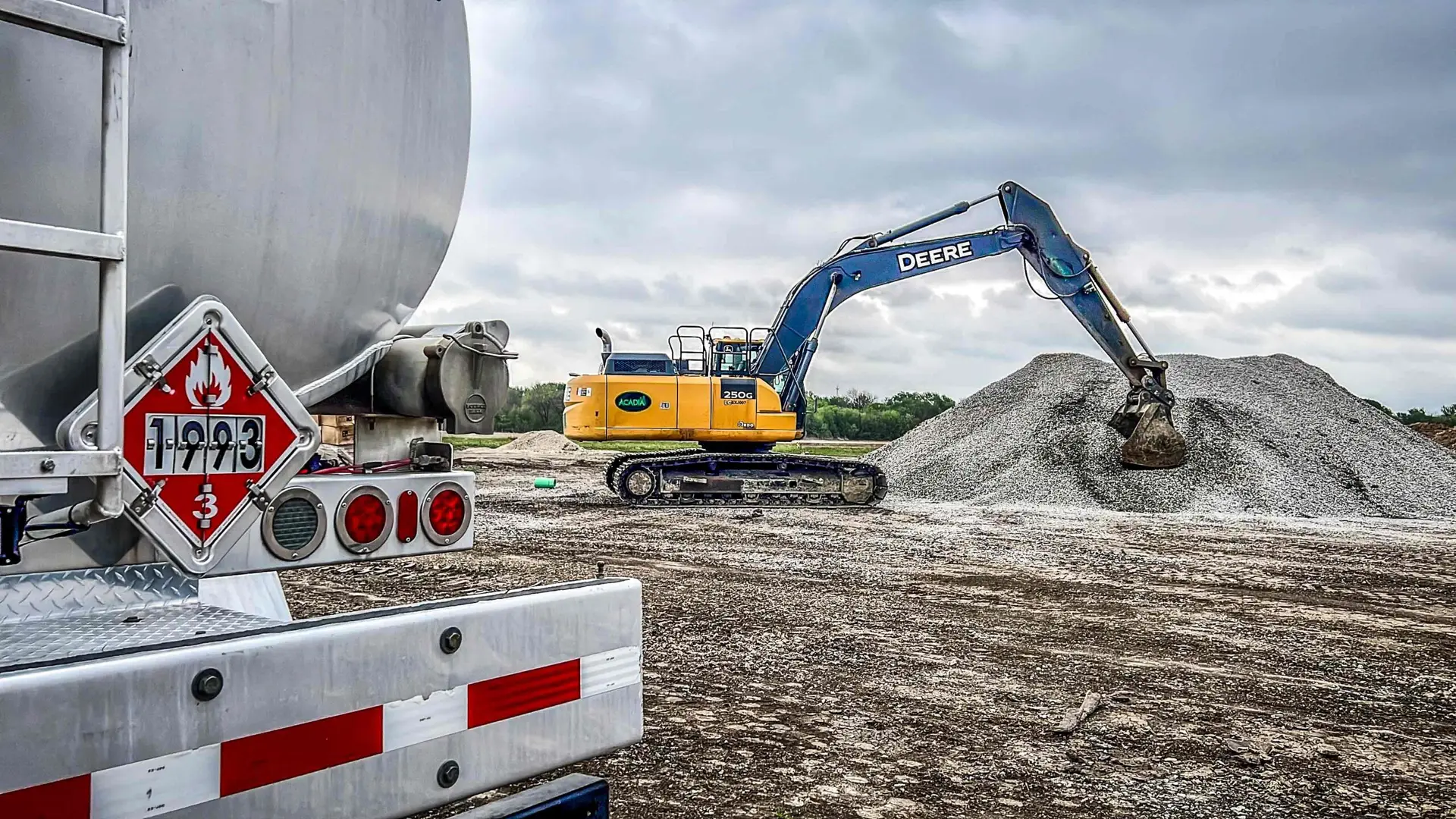
Safety is a top priority in job site fueling operations. Diesel fuel handling presents potential risks, including leaks, fire hazards, and environmental contamination. Adhering to established safety protocols is essential to protect personnel and ensure compliance with regulatory standards.
One of the most important safety practices is proper refueling procedure. All equipment should be fully shut down before fueling to reduce the risk of ignition. In addition, equipment should be inspected for visible damage or leaks prior to refueling to help prevent accidents and ensure safe operation.
Spill prevention is another critical component of safe fueling practices. Construction sites should have appropriate containment systems in place, along with clearly defined spill response procedures to address leaks quickly and effectively. Maintaining clean, organized fueling areas also reduces the likelihood of slips, spills, and other avoidable incidents.
Diesel storage safety is equally important. Storage tanks must meet applicable compliance standards and be routinely inspected for leaks, corrosion, and structural integrity. Properly designed storage systems, along with safe separation from ignition sources, are essential for minimizing fire risk and maintaining a safe working environment.
By prioritizing safety in fueling operations, construction sites can reduce risk, protect workers, and maintain compliance while ensuring uninterrupted project performance.
Technology for Optimized Fuel Management
The use of technology has significantly transformed fuel management within the construction sector. Modern systems and digital tools now provide real-time data and analytics that enhance efficiency, accuracy, and overall operational control.
One of the most impactful advancements is the implementation of fuel monitoring systems. These systems enable real-time tracking of fuel levels, consumption rates, and equipment efficiency. With access to this data, managers are better equipped to make informed operational and logistical decisions.
Telematics technology further enhances fuel management capabilities. By integrating fuel tracking with equipment performance data, organizations can monitor usage patterns, identify inefficiencies, and detect issues such as fuel theft or leaks. This level of visibility supports improved accountability and asset protection.
Automation also plays a key role in optimizing fuel operations. Automated fuel delivery scheduling ensures that refueling occurs at the appropriate time, helping to prevent low fuel levels and avoid unexpected operational interruptions.
In addition, electronic reporting systems streamline fuel management by generating detailed reports on consumption, costs, and usage trends. These insights support more accurate budgeting, forecasting, and long-term planning.
Overall, the integration of technology into fuel management not only improves operational efficiency but also strengthens transparency and accountability. With the right tools in place, construction companies can significantly enhance fuel performance and overall project efficiency.
Efficient Fuel Management
Sustainability in construction is closely tied to efficient fuel management and equipment performance. Using low-sulfur diesel, maintaining equipment, and reducing idle time all help improve fuel efficiency and consistency on job sites.
Safe fueling practices and proper containment systems support smoother, more controlled operations. Fuel monitoring systems also help track usage and reduce waste across projects.
While diesel remains the primary fuel source, newer fuel technologies are being introduced to improve efficiency. Overall, better fuel management leads to more efficient and reliable construction operations.