Fueling Best Practices for Remote Agricultural Operations
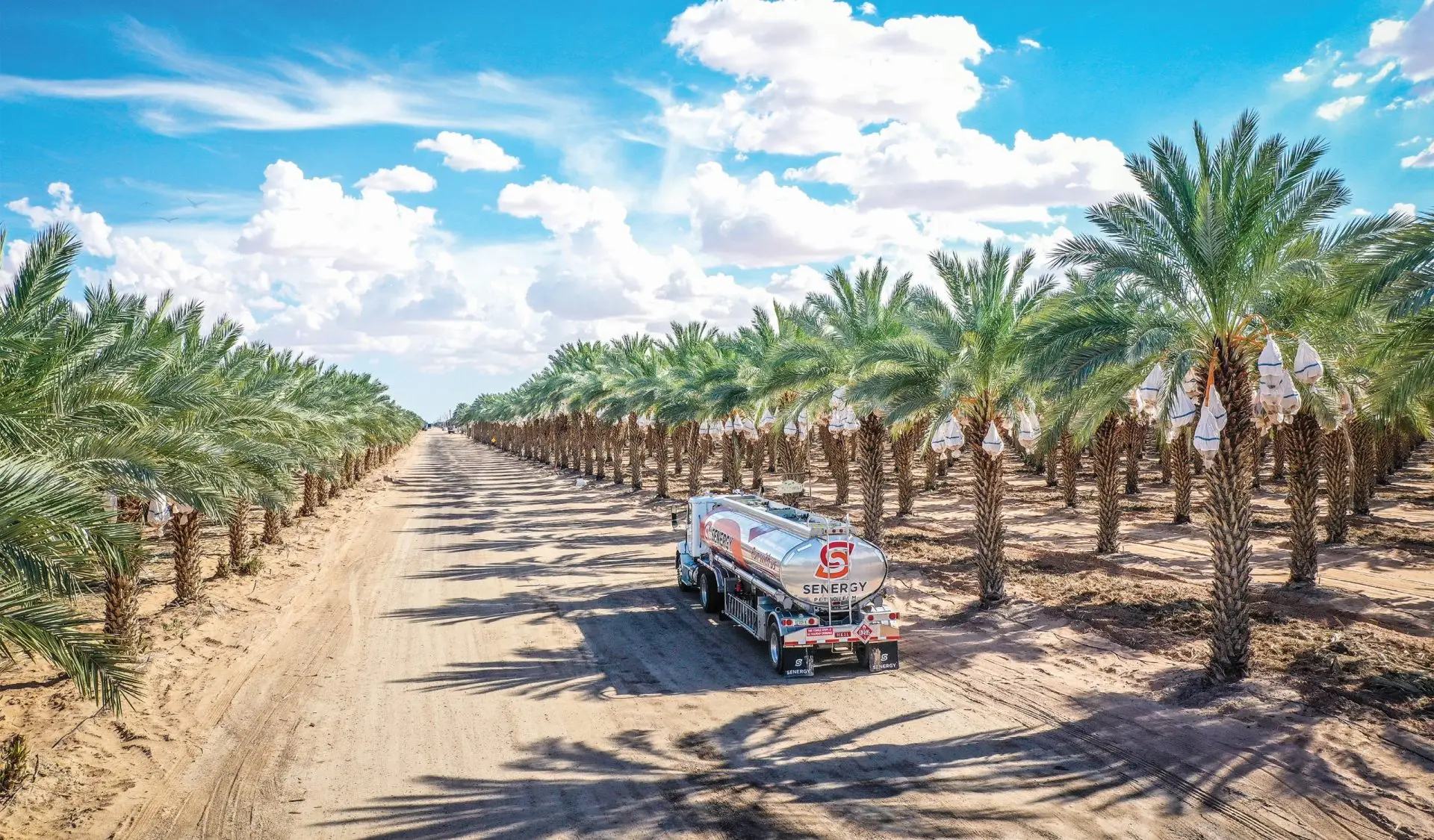
Remote farming brings unique challenges that go far beyond planting and harvesting. Equipment often operates miles away from the nearest fuel station, making every gallon of diesel an important part of daily productivity. When tractors, combines, sprayers, and irrigation pumps run low on fuel in isolated fields, operators lose valuable time traveling back and forth instead of completing the work at hand. A dependable fueling strategy keeps machines running, protects schedules, and helps avoid costly interruptions during critical planting and harvest windows.
Many successful operations rely on a combination of farm fuel delivery, on-site storage, and careful fuel planning to maintain efficiency throughout the season. Rather than treating fueling as an afterthought, they build a system that considers equipment usage, fuel consumption, weather conditions, and delivery schedules. This approach reduces unnecessary downtime, improves resource planning, and gives operators greater confidence that fuel will always be available when it’s needed most.
Why Fuel Planning Matters for Remote Farm Operations
Remote fields demand more than simply filling a tank when it’s empty. Equipment may operate across multiple locations with varying terrain, making fuel availability a daily concern. A well-planned fueling process begins with understanding engine hours, fuel capacity, runtime, and expected consumption for every piece of equipment. Tracking these details helps managers anticipate demand before shortages occur instead of reacting after work has stopped.
A reliable fueling plan also improves operational continuity by reducing unnecessary travel between fields and storage locations. Many farms now schedule farm fuel delivery around planting and harvest activities, allowing operators to remain productive throughout the day. Pairing delivery schedules with fuel inventory tracking helps prevent delays while reducing emergency refueling trips that often increase operating costs.
Building Reliable Bulk Fuel Storage
Keeping an adequate supply of bulk fuel on-site gives remote operations greater flexibility during busy seasons. Above-ground storage tanks with proper capacity, corrosion resistance, weather protection, and secondary containment provide a dependable fuel source even when delivery schedules change because of road conditions or severe weather. Selecting the appropriate tank size depends on expected consumption, refill frequency, and seasonal demand rather than choosing the largest available option.
Fuel quality should receive equal attention. Water intrusion, contamination, and poor filtration can damage injectors, reduce engine performance, and shorten equipment life. Regular fuel sampling, scheduled tank cleaning, quality filtration, and monitoring fuel cleanliness help preserve diesel quality throughout storage. Lockable access points and secure dispensing systems also reduce the risk of theft while protecting valuable inventory during extended operating periods.

Improving Efficiency Through Agricultural Fueling
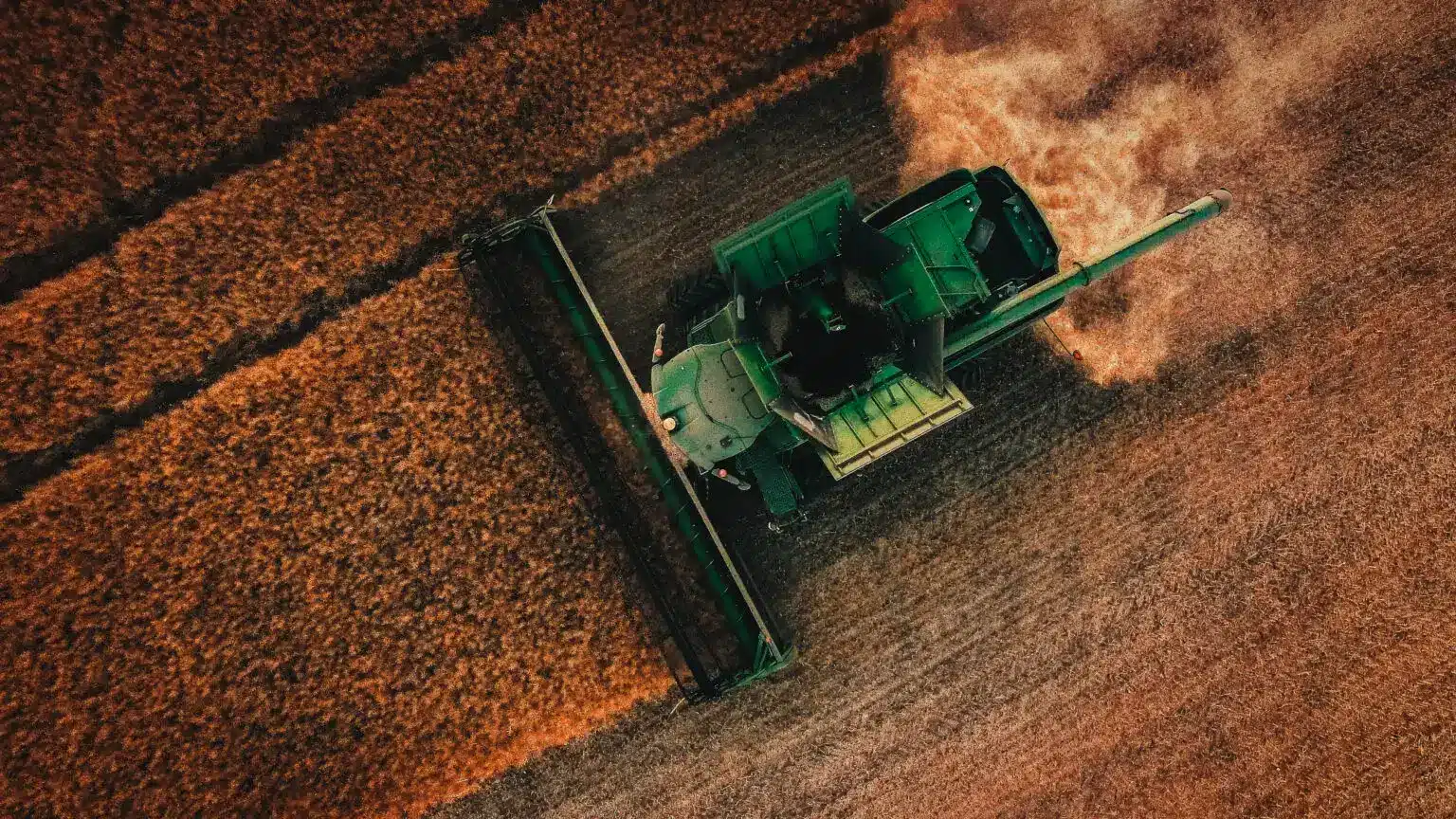
Modern agricultural fueling is no longer limited to transferring diesel from one tank to another. Many farms now use mobile fueling units, transfer tanks, service trucks, and remote dispensing equipment to bring fuel directly to machinery working in the field. This minimizes idle time and allows operators to continue working without long interruptions that affect productivity.
Technology has also transformed fuel management. GPS tracking, remote tank monitoring, IoT sensors, cloud-based reporting, and fuel management software provide real-time visibility into inventory levels and consumption patterns. Instead of relying on manual estimates, managers can receive alerts when storage levels reach predefined thresholds, helping them schedule deliveries before supplies become critically low. Predictive maintenance and fuel analytics further improve decision-making by identifying trends that may otherwise go unnoticed.
Protecting Fuel Quality and Reducing Operational Risks
Fuel quality directly influences equipment reliability. Even a small amount of contamination can clog filters, damage fuel systems, and reduce engine efficiency. Routine inspections should include checking storage tanks for water accumulation, inspecting hoses and pumps for leaks, and replacing filters according to maintenance schedules. Preventive maintenance not only extends equipment life but also supports consistent performance throughout demanding work periods.
Risk management extends beyond maintenance alone. Farms should develop emergency fuel supply plans for unexpected weather events, transportation delays, or peak seasonal demand. Maintaining backup inventory, monitoring delivery lead times, and securing storage facilities with proper access controls help reduce exposure to supply disruptions. Combining these practices with regular employee safety training creates a dependable fueling process that supports long-term operational success while meeting applicable safety and environmental expectations.
Using Technology to Strengthen Fuel Management
Technology has become a practical tool for improving fuel operations across remote properties. Remote tank monitoring systems provide accurate fuel level readings without requiring employees to travel between locations. Combined with telematics and fuel management software, these systems track fuel consumption, equipment utilization, and delivery history from a single dashboard. Managers can quickly identify unusual usage patterns, monitor refill frequency, and make informed decisions based on real-time data instead of estimates.
Another advantage is better forecasting. Reviewing historical fuel use alongside seasonal workloads allows operators to prepare for planting, irrigation, and harvest with greater accuracy. This makes bulk fuel purchasing more efficient while reducing the chance of running short during peak activity. Automated refill alerts, GPS location tracking, and inventory reporting also simplify communication with suppliers, creating a more dependable supply chain for remote operations.
Keeping Operations Safe and Compliant
Fuel storage and handling should always follow established safety practices. Above-ground tanks need routine inspections to confirm proper ventilation, secure connections, and spill prevention measures. Employees responsible for fueling equipment should understand safe dispensing procedures, emergency shutoff locations, and the proper use of personal protective equipment. Consistent training reduces workplace hazards while helping equipment remain in dependable operating condition.
Compliance is equally important. U.S. operations should understand the requirements that apply to fuel storage, transportation, and environmental protection. Organizations such as OSHA, the EPA, and the DOT establish guidelines that help reduce risks associated with fuel handling, storage, and spill response. Keeping accurate maintenance records, inspecting storage systems on schedule, and following established procedures support long-term reliability while protecting both employees and the surrounding environment. These compliance areas are consistently addressed by leading industry resources and remain an important consideration for remote operations.
Creating a Long-Term Fueling Strategy for Remote Farms
The most productive farms view fueling as part of an overall operational strategy rather than a daily task. Combining farm fuel delivery, dependable storage infrastructure, preventive maintenance, inventory forecasting, and efficient scheduling creates a system that supports continuous field operations throughout the year. Every improvement, from monitoring fuel quality to optimizing delivery windows, contributes to lower operating costs and greater equipment availability.
Successful agricultural fueling also depends on flexibility. Weather conditions, changing workloads, and unexpected equipment demands can quickly alter fuel requirements. Reviewing consumption data, maintaining emergency reserves, and adjusting purchasing strategies throughout the season allow operations to respond without unnecessary delays. Although many competitors focus primarily on selling fuel services, the strongest long-term approach combines planning, technology, maintenance, and smart inventory management into one reliable process. This broader strategy helps reduce downtime, improve fuel efficiency, protect valuable equipment, and support consistent performance across remote field operations. It also addresses key competitor gaps, including fuel forecasting, telematics integration, emergency planning, contamination prevention, and operational checklists, resulting in a more complete and practical resource for today’s farm managers.