
Fueling and Lubrication Challenges in Oilfield Operations
Oilfield operations depend on equipment that has to perform reliably for long hours, often in demanding and remote environments. Drilling rigs, pumps, generators, compressors, trucks, and production systems all require dependable fuel and regular maintenance to keep work moving. When fuel supplies are delayed or equipment components are not properly maintained, even a minor issue can quickly turn into costly downtime.
For operators across the United States, managing these challenges requires more than simply keeping tanks full or following a basic maintenance schedule. Site conditions, equipment workload, fuel quality, storage practices, and service intervals all influence daily performance. A well-planned approach to oilfield services can help companies maintain reliable operations while reducing the risk of avoidable interruptions and maintenance problems.
Fuel management and equipment care are closely connected. Clean fuel supports engine performance, while proper fluid selection and maintenance help protect moving components from friction, heat, pressure, and wear. When both areas receive consistent attention, oilfield operators are in a better position to keep equipment available for work and support production goals.
Common Fueling Challenges at Oilfield Sites
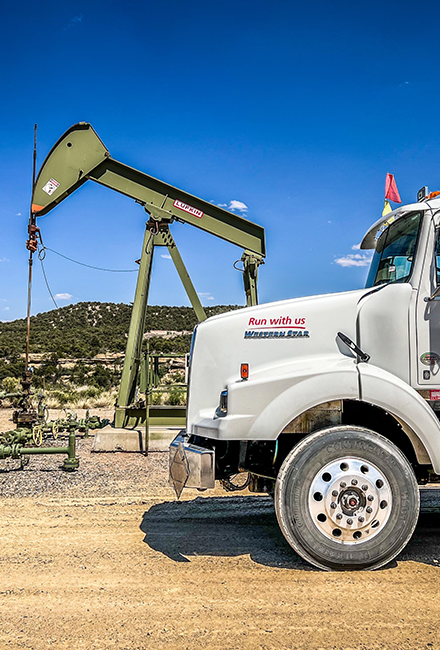
Getting fuel to an oilfield site can be more complicated than supplying a conventional commercial facility. Drilling and production locations may be miles away from major towns, and access can become difficult because of weather, road conditions, or changing site requirements. Equipment may also operate around the clock, creating a steady demand for diesel and other fuels.
Reliable fuel delivery is particularly important during drilling, completion, and hydraulic fracturing activities. A frac site can have multiple pumps, generators, blenders, water-transfer systems, and support vehicles operating at the same time. A delivery that arrives late or an inaccurate estimate of fuel consumption can interrupt work and place additional pressure on field crews.
Fuel quality creates another challenge. Water, dirt, sediment, microbial growth, and other contaminants can enter storage tanks and eventually reach equipment. Poor storage conditions can also contribute to fuel degradation. Regular tank inspections, filtration, water removal, and proper storage practices can reduce the risk of fuel-related problems.
Fuel monitoring is becoming an important part of field management as well. Depending on the system, tools such as digital records, tank-level sensors, automated dispensing, GPS tracking, and fuel management software can help operators understand consumption and maintain better inventory control.
Lubrication Challenges in Heavy-Duty Equipment
Oilfield equipment often works under conditions that place significant stress on mechanical components. High temperatures, heavy loads, vibration, dust, moisture, and extended operating hours can affect engines, bearings, gears, compressors, hydraulic systems, and pumps. Without suitable maintenance, these conditions can accelerate component wear and reduce equipment life.
Different machines require different types of fluids based on their design and working conditions. Engine oil, hydraulic oil, gear oil, compressor oil, and grease each serve specific purposes. Viscosity, operating temperature, load, oxidation resistance, corrosion protection, and equipment manufacturer requirements should all be considered when selecting products for field equipment.
Contamination is one of the most common causes of fluid-related problems. Dirt and dust can enter systems during servicing, while water can enter through damaged seals, condensation, or poor storage practices. Contaminated fluid may lose its ability to protect components and can contribute to corrosion, friction, and premature wear.
Application also matters. Incorrect fluid levels or improper grease application can create operating problems. Low fluid levels may leave components inadequately protected, while overfilling certain systems or overgreasing components can contribute to heat, leakage, or other issues. Following equipment manufacturers’ recommendations and maintaining clear inspection and service schedules can help avoid these issues. For companies managing multiple sites, consistent maintenance procedures can also make equipment performance easier to track.
Fueling Challenges During Drilling and Hydraulic Fracturing
Drilling and hydraulic fracturing place particularly high demands on field equipment. During active operations, drilling rigs, mud pumps, frac pumps, generators, blenders, compressors, and support vehicles may operate for extended periods. Their fuel requirements can change quickly depending on the stage of work and equipment utilization.
Planning is therefore an important part of site fueling. Operators can estimate expected consumption based on equipment type, operating hours, production schedules, and current workload. Keeping adequate storage capacity and maintaining a reliable supply schedule can provide additional protection against unexpected shortages.
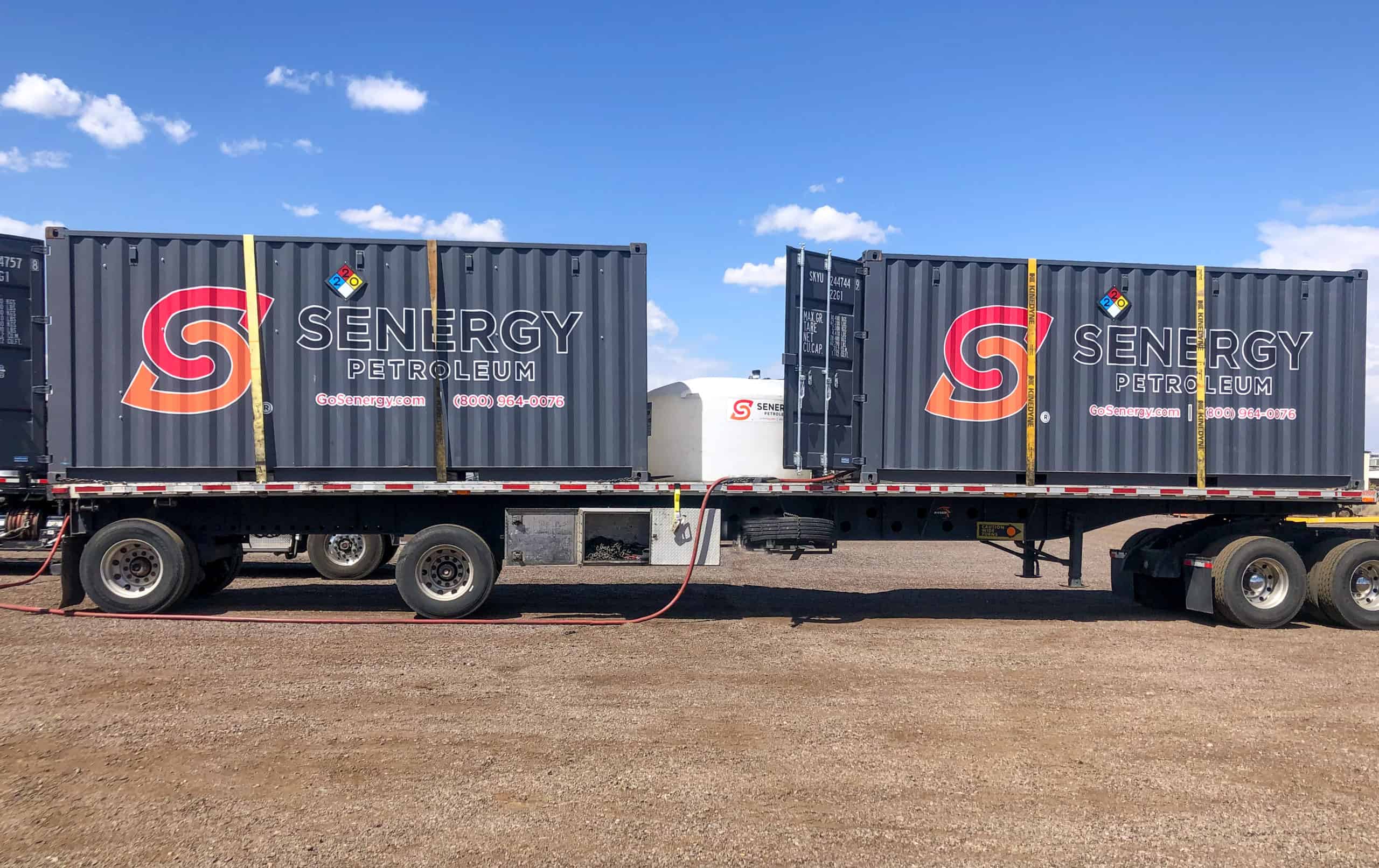
On-site fueling can also reduce unnecessary travel by service vehicles and allow equipment to receive fuel where it is operating. This can be useful at remote locations where conventional fueling stations are not practical. Depending on the fueling and monitoring system, operators may also be able to track fuel usage by individual pieces of equipment, helping supervisors understand where fuel is being consumed.
Automation is another area gaining attention in the oilfield sector. Remote tank monitoring, electronic fuel records, automated dispensing, and digital reporting can reduce manual work and provide more accurate information. These tools can help operators identify consumption patterns and respond more quickly when fuel levels change.
Fuel choices are evolving as well. Some U.S. operators are evaluating natural gas, field gas, renewable diesel, and dual-fuel systems for selected applications. Depending on the fuel, equipment, and operating conditions, these options may reduce conventional diesel consumption and may change the operation’s emissions profile. Their suitability depends on equipment compatibility, site conditions, fuel availability, and operating requirements.
Protecting Drilling and Production Equipment
A drilling or production site can contain a wide range of equipment, and each asset can have different maintenance needs. Top drives, drawworks, mud pumps, engines, compressors, generators, gears, bearings, and hydraulic systems all require appropriate care. Treating every component in the same way can result in missed maintenance requirements or unnecessary servicing.
Drilling fluids also play an important role during well construction. They help with well control, cuttings transport, cooling, and lubrication around the drill bit and drill string. Their properties can influence drilling performance, particularly in demanding applications such as deep or high-temperature wells.
Production equipment has its own requirements. Compressors, pumps, artificial-lift systems, gas engines, and other assets may run for long periods with limited opportunities for shutdown. Choosing suitable industrial lubricants and following recommended service intervals can help control friction, heat, corrosion, and wear.
Condition monitoring can provide another layer of protection. Oil analysis, temperature checks, vibration monitoring, visual inspections, and equipment performance records can reveal signs of developing problems. Detecting an issue early can give maintenance teams an opportunity to address it before a component fails unexpectedly.
Reducing Downtime and Controlling Operating Costs
Equipment downtime can have a direct effect on oilfield productivity. When a pump, generator, compressor, or engine fails, the resulting interruption may affect several connected activities. Emergency repairs can also involve additional labor, replacement parts, transportation, and lost production time.
Preventive maintenance can help reduce the risk of unexpected failures by identifying and addressing developing issues during planned service. Regular inspections, filter replacement, fluid checks, cleaning, and scheduled servicing provide a basic foundation for equipment care. Maintenance records can also show recurring issues and help teams determine which assets require closer attention.
Fuel management has a similar connection to operating costs. Unexpected shortages can interrupt work, while inaccurate consumption records can make it harder to control waste or identify unusual usage. Reliable fuel delivery combined with accurate inventory tracking can give operators greater control over daily fuel requirements.
Environmental and safety responsibilities should also be considered. Proper storage, spill prevention, secondary containment, safe handling, and responsible disposal practices can protect workers and the surrounding environment. Following applicable U.S. requirements also helps companies maintain organized field operations and reduce the risk of avoidable incidents.
The goal is not simply to prevent one type of failure. It is to create a system in which fuel planning, maintenance, equipment monitoring, and field logistics support one another. This approach can help reduce nonproductive time while improving asset reliability and controlling the total cost of operating equipment.
Building a Reliable Fuel and Maintenance Program
A dependable program starts with understanding how equipment is used in the field. Operators should identify the assets with the highest fuel consumption, the components exposed to the greatest loads, and the locations where a supply interruption could have the biggest impact. This information can then guide delivery schedules, storage requirements, inspection routines, and maintenance intervals.
Technology can make these processes easier to manage, particularly for companies operating multiple sites. Tank monitoring can provide information about available fuel, while digital delivery records can improve inventory reconciliation. Telematics can provide equipment and vehicle data, and condition-monitoring tools can help maintenance teams identify unusual operating conditions.
Training is equally important. Field personnel should know how to handle fuel safely, inspect storage tanks, identify signs of contamination, and follow equipment-specific maintenance procedures. Clear instructions and consistent practices can reduce the risk of small mistakes developing into larger mechanical or operational problems.
The future of oilfield fuel and equipment management is likely to involve greater automation, improved monitoring, alternative fuel options, and more predictive maintenance. However, the fundamentals will remain the same: equipment needs dependable fuel, appropriate fluids, proper storage, regular inspection, and timely service.
Ultimately, fueling and equipment care are not separate concerns. They are connected parts of reliable oilfield operations. By combining dependable supply planning with sound maintenance practices, monitoring, and trained field personnel, operators can protect their equipment, manage costs, and keep critical operations moving.
