Fuel Supply Planning for Peak Demand Periods
Peak demand can put immediate pressure on fuel suppliers, distributors, retailers, and fleet operators. Gasoline demand often rises during the summer driving season and holiday travel, while diesel demand can change with freight activity, agriculture, construction, and colder weather. When demand climbs faster than expected, businesses can face low tank levels, delayed deliveries, higher emergency purchasing costs, and dissatisfied customers.
A reliable supply strategy needs to begin before the rush. Historical consumption, current inventory, supplier lead times, terminal availability, transportation capacity, and local demand patterns all provide useful signals. Strong fuel planning helps businesses determine how much product they may need, when to replenish it, and which locations should receive priority when demand increases.
Forecast Fuel Demand Before the Busy Period
The most useful starting point is a realistic demand forecast. Historical sales records can show how much gasoline or diesel a location typically uses during a particular season, week, or holiday period. Comparing several previous peak periods can reveal recurring patterns and make it easier to separate normal consumption from unusual increases.
Forecasting should not rely on historical figures alone. Weather, holiday travel, traffic, tourism, freight volumes, agricultural activity, construction schedules, and fleet utilization can all influence fuel consumption. A gas station near a major travel route may see a sharp increase in gasoline sales during a holiday weekend, while a distributor serving agricultural customers may experience a different diesel demand pattern during harvest season.
Regional conditions matter as well. The United States is divided into Petroleum Administration for Defense Districts (PADDs) for petroleum data collection and analysis, and supply and inventory conditions can vary significantly between these regions. A national forecast can provide useful context, but local and regional consumption data often gives a clearer picture of what individual customers and sites will require.
The forecast should ultimately answer practical questions: Which locations are likely to experience the largest increase? How quickly will their tanks decline? How much fuel is already in transit? How much additional product can suppliers provide? Answering these questions early makes the rest of the supply process easier to manage.

Set Inventory Levels That Match Peak Demand
Keeping the right amount of fuel on hand is one of the most important parts of preparing for a demand surge. Too little inventory increases the risk of stockouts and emergency deliveries. Too much can tie up working capital, consume storage capacity, and increase carrying costs.
Businesses can use minimum and maximum inventory levels, reorder points, safety stock, and days of supply to guide replenishment. A reorder point should reflect expected consumption during the supplier’s lead time rather than being based on an arbitrary tank percentage. Safety stock can then provide an additional buffer when demand is higher than forecast or a delivery is delayed.
Tank capacity should also be considered. A location with a large storage tank may have more flexibility than a smaller site, but that does not mean it can wait longer to reorder. Current tank levels, expected daily consumption, incoming deliveries, and available storage space should be viewed together.
Real-time inventory information can make these decisions more accurate. Automatic tank gauges and fuel monitoring systems can provide current readings and help identify locations that are approaching critical levels. This gives dispatch and procurement teams more time to respond instead of discovering a shortage after the tank is nearly empty.
Coordinate Suppliers, Terminals, and Transportation
A forecast has little value if the required fuel cannot be secured and delivered when it is needed. Before a peak period, businesses should review supplier commitments, contracted volumes, terminal availability, delivery lead times, and transportation capacity.
Refineries, pipelines, terminals, and transportation networks all influence how fuel moves through the U.S. market. Maintenance, severe weather, unexpected outages, or regional demand increases can reduce supply flexibility. Where practical, maintaining relationships with multiple qualified suppliers can provide additional sourcing options when normal supply channels become constrained.
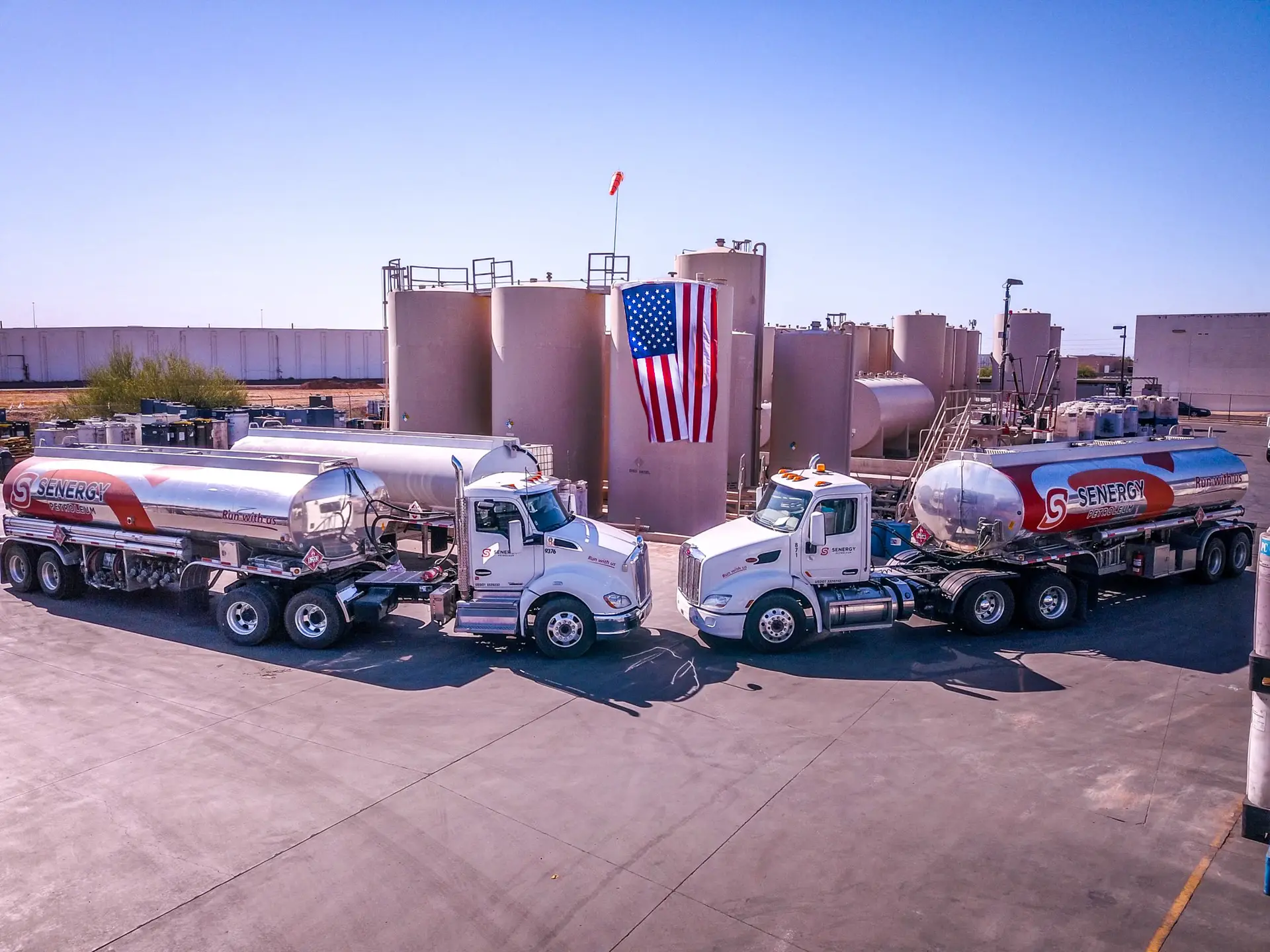
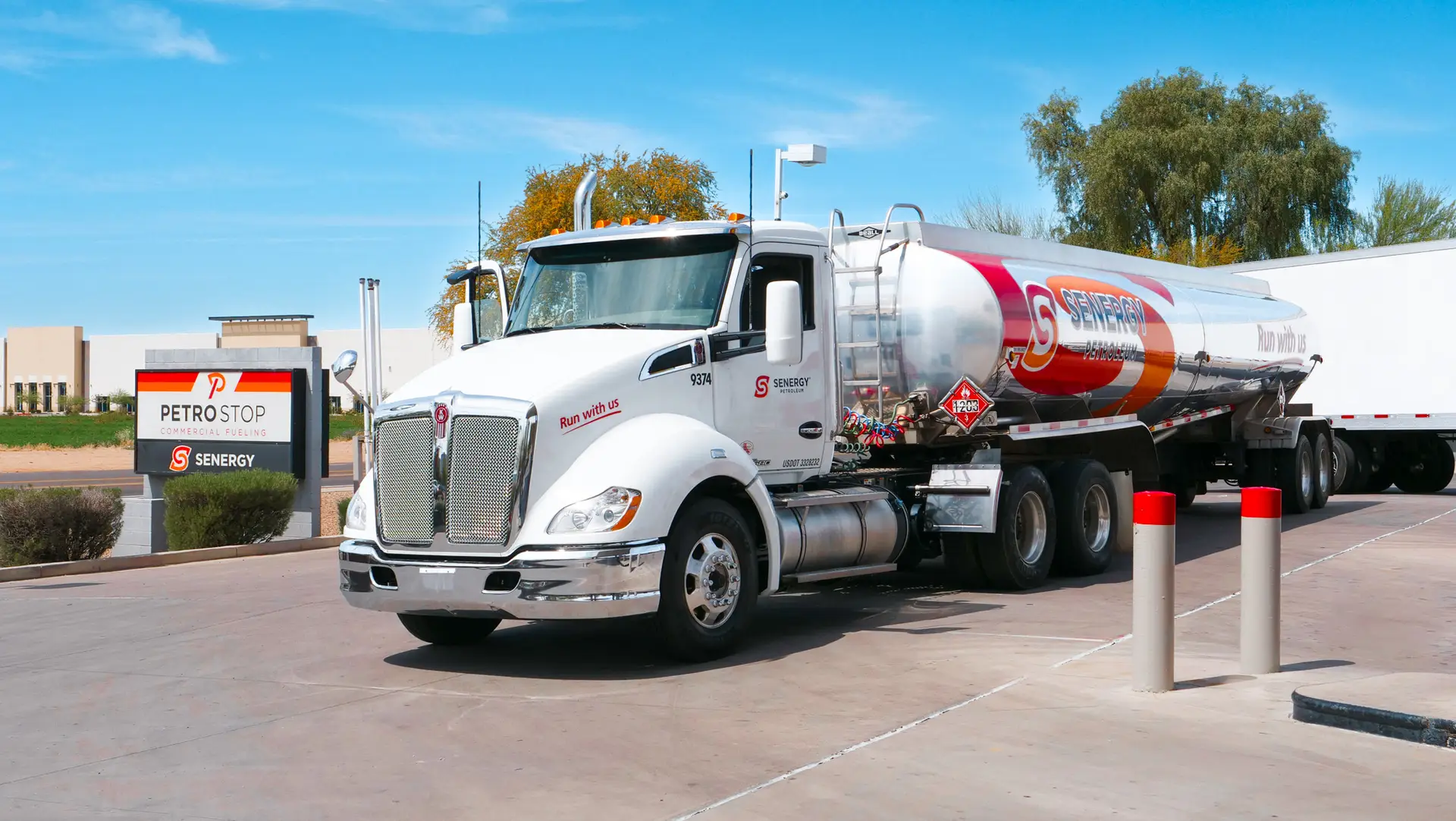
Delivery capacity deserves the same attention as product availability. Fuel tanker trucks, drivers, loading schedules, delivery windows, route distances, and unloading times can limit how quickly product reaches customers. A business may have sufficient fuel available at a terminal but still experience problems if there are not enough trucks or drivers to move it.
This is where fuel logistics becomes an important part of peak-period preparation. Delivery schedules should be based on expected consumption and inventory urgency rather than simply following a fixed route or routine delivery cycle. Locations with rapidly declining tank levels should receive attention before sites with several days of available supply.
Account for Seasonal and Regional Demand
Peak fuel demand is not the same across every U.S. market. Gasoline consumption is strongly influenced by personal travel, tourism, and holiday driving, while diesel demand is closely connected with trucking, agriculture, construction, and other commercial activity.
Summer driving can create higher gasoline demand around Memorial Day, Independence Day, and Labor Day. Winter conditions can affect distillate demand in areas where heating requirements are significant. Hurricane threats can create temporary increases in fuel demand as some businesses and consumers prepare for a storm, while transportation and terminal operations may become more difficult before or after landfall.
Regional supply characteristics should also be part of the planning process. The Gulf Coast has a major role in U.S. refining, while other regions can have different transportation links, inventory conditions, fuel specifications, and supply constraints. California, for example, has fuel requirements that differ from many other U.S. markets.
Understanding these differences helps businesses avoid applying one national assumption to every location. A distributor can use local sales history, customer activity, weather conditions, and regional supply information to create a more useful forecast for each market.
Connect Procurement With Delivery Decisions
Procurement and distribution work best when they follow the same demand picture. Ordering additional fuel without considering storage capacity or available trucks can create another problem: having product available but no practical way to deliver it.
Before a peak period, procurement teams should confirm expected volumes and lead times with suppliers. Dispatch teams can then match those volumes against tank levels, delivery windows, truck capacity, and customer priorities. This connection helps reduce unnecessary emergency orders and last-minute route changes.
Data can support these decisions at both site and network levels. Historical consumption can identify high-volume locations, while current tank readings can show which sites need attention now. In-transit inventory should also be included so teams do not order product that is already on the way.
For businesses managing multiple products, coordinated scheduling can be useful beyond fuel. Products such as lubricants may share transportation resources, customers, or delivery routes. Keeping these requirements visible can help prevent conflicts and make better use of available transportation resources.
Use Technology to Monitor Changing Conditions
Peak-period planning becomes harder when inventory, sales, purchasing, and dispatch information is spread across different systems. Fuel management technology can bring these data points together and give planners a clearer view of what is happening across multiple locations.
Automatic tank gauges can provide current inventory readings, while forecasting tools can use historical consumption and other demand signals to estimate future requirements. Automated monitoring can identify when a location is approaching its reorder point, while automated replenishment systems can help initiate or schedule the appropriate order. Dispatch systems can use this information to organize delivery schedules and prioritize urgent stops.
Technology can also improve route planning and transportation efficiency. Instead of treating each delivery as an individual task, distributors can consider truck capacity, delivery windows, route distance, product requirements, and customer priority together.
The goal is not to replace practical judgment. It is to give commercial operations better information before a decision becomes urgent. When planners can see inventory, expected demand, incoming supply, and transportation availability in one view, they can adjust the plan as conditions change.
Build a Contingency Plan for Supply Disruptions
No forecast can eliminate every supply risk. Refinery outages, pipeline disruptions, terminal problems, severe weather, power failures, driver shortages, and unexpected demand spikes can affect normal delivery plans. Preparing for these situations before a peak period provides more options when conditions change quickly.
A contingency plan can include backup suppliers, alternate terminals, emergency transportation arrangements, additional safety stock, alternate delivery routes, and clear customer-priority rules. The right combination depends on the size and location of the operation, but the objective is to protect fuel availability without maintaining unnecessarily high inventory throughout the year.
Plans should also be reviewed during the peak period. If actual consumption begins running above forecast, replenishment quantities and delivery priorities may need to change. If demand is lower than expected, businesses can avoid unnecessary purchases and reduce excess inventory.
Effective fuel planning brings forecasting, inventory, procurement, transportation, and risk management into one process. When those areas work together, businesses are better prepared to handle seasonal increases, holiday travel, weather events, and unexpected supply disruptions. A well-managed approach to fuel logistics can help reduce stockout risk, emergency deliveries, and avoidable transportation costs while supporting reliable customer supply. For businesses with demanding commercial operations, preparing early provides the flexibility needed to respond when peak demand arrives rather than reacting after the pressure has already reached the supply chain.