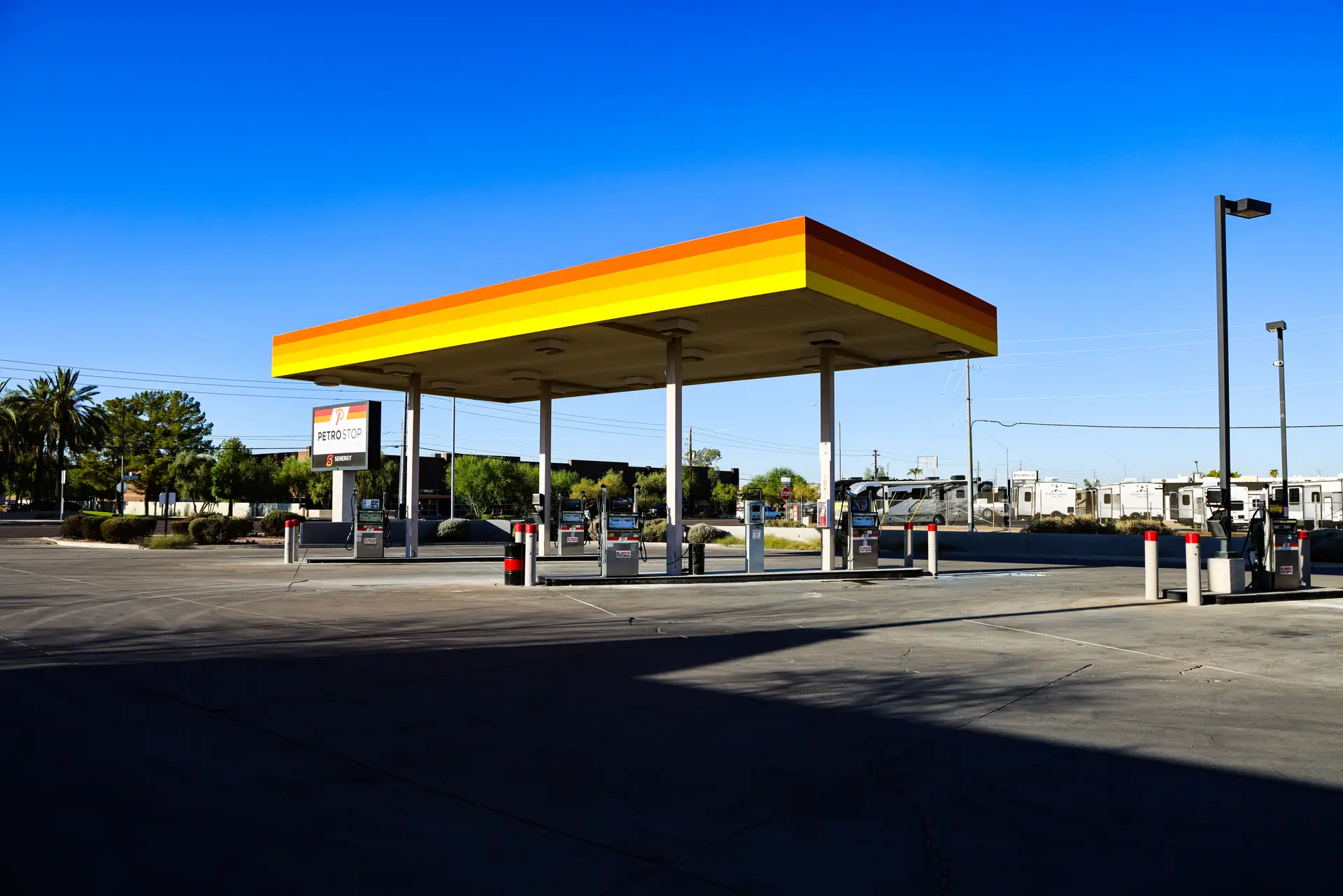
Fuel Supply Challenges at Remote Mining Sites
Keeping fuel available at remote worksites is one of the biggest operational hurdles facing today’s resource industry. Sites located hundreds of miles from highways, fuel terminals, and service centers depend on a steady fuel supply to keep heavy equipment operating around the clock. Any interruption can delay production, increase operating expenses, and reduce equipment availability. Reliable fuel planning has become just as important as equipment maintenance because every machine depends on consistent access to diesel and related products.
Across the United States, companies continue investing in stronger fuel logistics, inventory management, and transportation planning to reduce disruptions. Modern Mining projects rely on coordinated fuel procurement, fuel distribution, and monitoring systems that support surface mines, underground operations, quarries, and aggregate producers. A dependable fuel strategy protects productivity while helping operators control costs across every stage of the project.
Distance and Transportation Create Major Supply Challenges
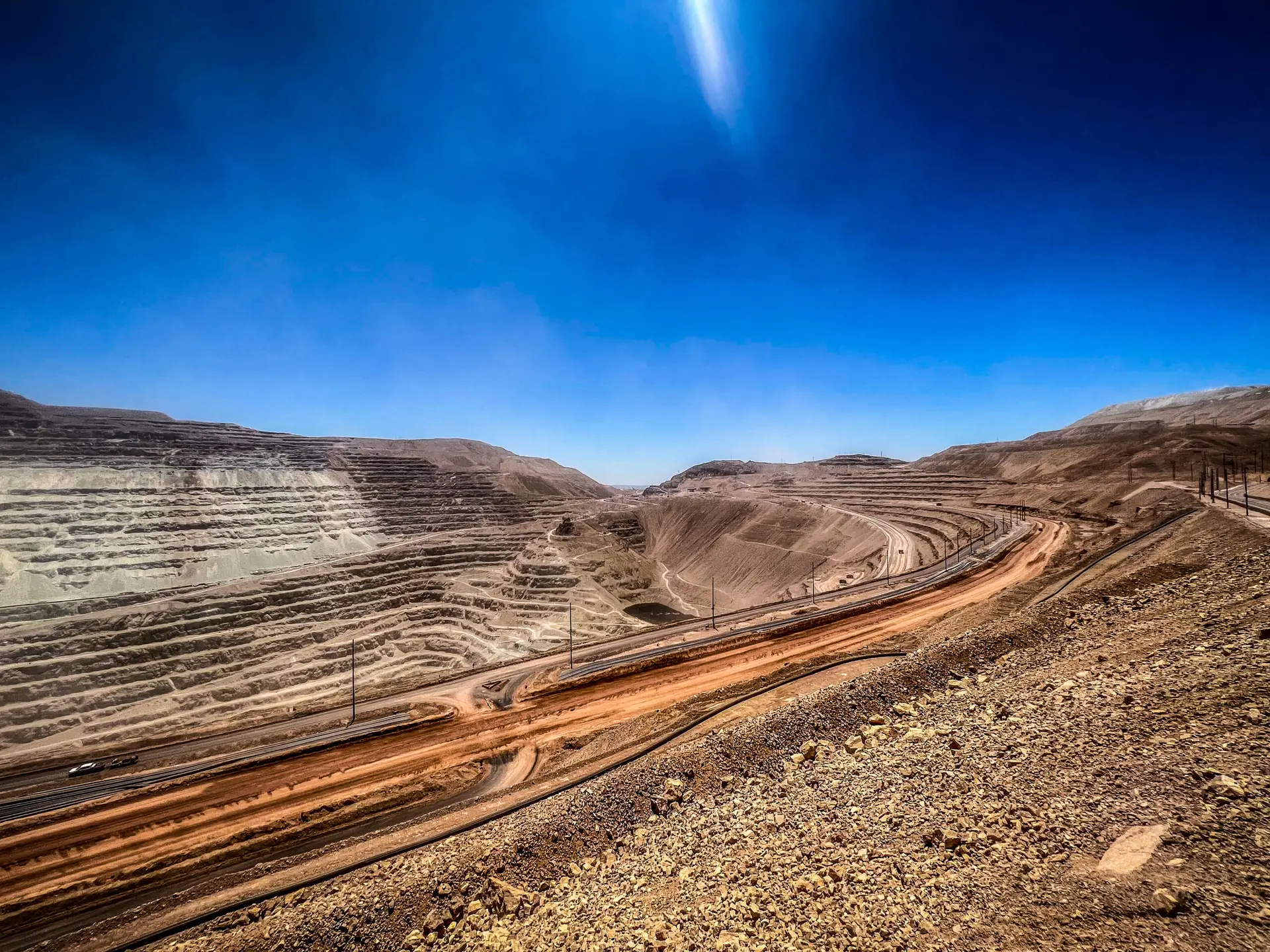
Remote locations often present transportation issues that are difficult to predict. Narrow access roads, seasonal weather, mountainous terrain, and limited infrastructure make fuel deliveries more complicated than those serving urban industrial sites. Long travel distances increase transportation costs while making supply schedules more vulnerable to delays caused by road closures, storms, or equipment failures.
Reliable mining fuel delivery depends on careful route planning, experienced dispatch teams, and dependable fuel trucks capable of reaching isolated locations. Companies often maintain scheduled deliveries supported by emergency fuel services to reduce the risk of production interruptions. Fuel dispatch systems also coordinate multiple deliveries across several mine sites while improving supply continuity throughout large operating regions.
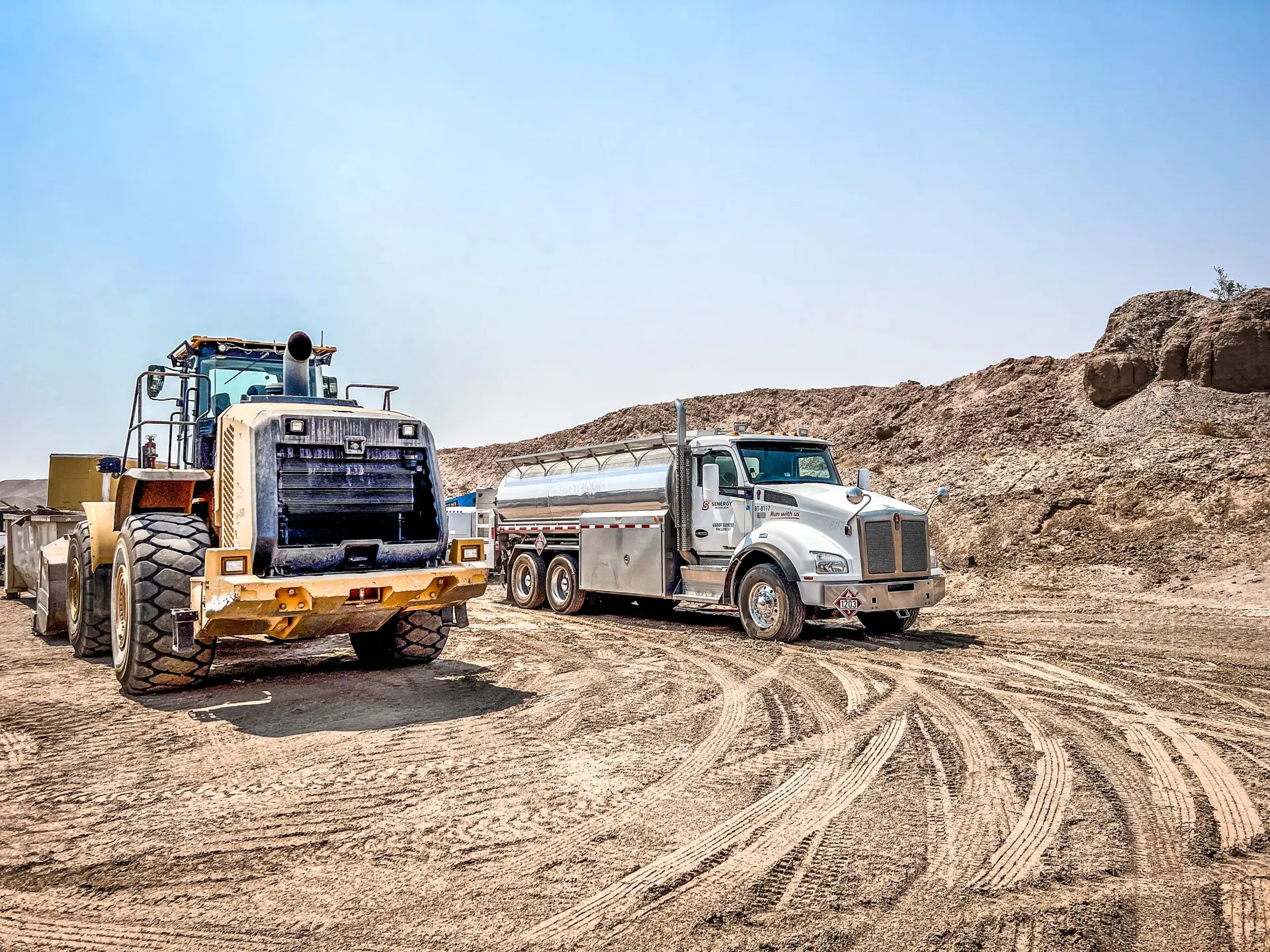
Contractors serving remote operations increasingly rely on fuel trailers, bulk fuel tankers, and service trucks equipped for direct-to-equipment fueling. These mobile assets reduce unnecessary equipment travel while improving fleet utilization across haul trucks, hydraulic excavators, drilling rigs, wheel loaders, motor graders, and support vehicles.
Fuel Storage and Inventory Management Require Constant Attention
Storing fuel at remote locations creates another layer of responsibility. Fuel storage tanks, portable fuel tanks, fuel cubes, and Above Ground Storage Tanks (AST) must provide enough capacity to support daily production without creating unnecessary inventory costs. Running short on fuel can stop production, while storing excessive volumes increases financial exposure and maintenance requirements.
Successful operators use remote tank monitoring, inventory management software, flow meters, fuel sensors, and digital fuel reporting to maintain accurate inventory levels. These systems provide real-time information about fuel availability, consumption rates, and replenishment schedules. Better visibility helps purchasing teams coordinate bulk fuel delivery before storage levels become critical.
Fuel quality is equally important. Water intrusion, contamination, and improper storage conditions can damage fuel pumps, injectors, generators, compressors, and other critical equipment. Routine inspections, proper filtration, and scheduled tank maintenance help preserve fuel quality while extending equipment life across demanding operating environments.
Equipment Downtime Has a Direct Financial Impact
Every hour that heavy equipment sits idle because of fuel shortages affects productivity and profitability. Haul trucks, electric rope shovels, crushers, draglines, underground loaders, continuous miners, conveyors, and drilling equipment all depend on uninterrupted fuel availability to maintain production targets.
Well-planned remote fueling programs reduce idle time by bringing fuel directly to operating equipment instead of requiring machines to travel back to centralized fueling areas. Wet hosing, generator refueling, scheduled tank refills, and fleet refueling services improve equipment uptime while allowing operators to remain focused on production.
Telematics, GPS tracking, fleet management software, equipment diagnostics, and predictive maintenance also contribute to stronger operational efficiency. Combined with fuel analytics and consumption tracking, these technologies identify unusual fuel usage, improve maintenance scheduling, and help reduce unnecessary operating costs across the mining fleet.
Safety and Regulatory Compliance Cannot Be Overlooked
Fuel management at remote sites extends beyond logistics and inventory. Safety remains one of the highest priorities throughout fuel transportation, storage, and dispensing activities. Companies must comply with OSHA, MSHA, EPA, and DOT regulations while protecting workers, equipment, and surrounding environments.
Certified fuel delivery providers follow strict procedures for spill prevention, hazardous material handling, fuel spill containment, contamination prevention, and environmental protection. Double-wall tanks, secure transfer pumps, quality fuel dispensers, properly maintained hoses, and emergency response plans reduce operational risks while supporting safer work environments.
Many operations also manage products such as Diesel Exhaust Fluid alongside Ultra Low Sulfur Diesel, off-road diesel, renewable diesel, biodiesel, and generator fuel. Proper storage, temperature control, and inventory monitoring help maintain product quality while ensuring engines continue meeting modern emissions requirements.
Technology Is Improving Fuel Management at Remote Sites
Digital technology has transformed the way companies manage fuel across remote operations. Manual spreadsheets and paper fuel logs have largely been replaced by cloud fuel management systems, Industrial IoT devices, remote asset monitoring, and automated reporting platforms that provide accurate operational data.
Fuel management software integrates inventory forecasting, dispatch scheduling, GPS tracking, fleet visibility, fuel consumption analytics, and business intelligence into a single system. Operations managers gain better insight into purchasing trends, equipment performance, asset utilization, and overall fuel costs without waiting for manual reports.
Remote tank monitoring also supports automatic fuel reordering by alerting suppliers before inventory reaches critical levels. These systems improve supply chain reliability while reducing emergency deliveries that often increase transportation expenses. Better planning strengthens business continuity and allows operations to continue with fewer unexpected interruptions.
Building a Reliable Fuel Strategy for Long-Term Success
Every remote operation faces different transportation conditions, production schedules, weather patterns, and equipment requirements. Successful fuel strategies combine reliable logistics with flexible delivery schedules, accurate inventory forecasting, and dependable supplier partnerships that understand the demands of isolated worksites.
Companies that invest in fuel security, fleet monitoring, preventive maintenance, remote infrastructure, and professional fuel management programs are better prepared to manage changing operating conditions. Regular equipment inspections, optimized delivery routes, fuel procurement planning, and inventory control help reduce operating risks while supporting higher fleet productivity.
As demand for critical minerals, construction materials, and industrial resources continues to grow across the United States, dependable fuel management will remain essential to operational success. Organizations that prioritize reliable mining operations, efficient fuel transportation services, modern monitoring technology, and resilient supply chain planning will be positioned to maintain productivity while controlling costs in even the most challenging remote environments.