Fuel Storage Best Practices for Long-Term Efficiency
Operational stability across industries—from government fleets and agriculture to fuel stations and construction—relies on proper fuel storage. Effective fuel management ensures a steady supply, maintains quality, reduces risk, and supports long-term cost savings. Fuel storage tanks must be managed with precision, safety, and compliance, as challenges extend beyond simply possessing a storage site. By following best practices, businesses can protect their investments and maintain operations even during periods of high demand, market volatility, or unexpected disruptions. Long-term storage solutions require careful consideration of tank condition, safety measures, and quality control standards. This article outlines the key practices for reliable and effective fuel storage over time.
Fuel Storage as an Investment in Reliability
Fuel is a valuable resource, and its importance extends far beyond its purchase price. When improperly stored, it can lead to contamination, reduced performance, and even serious safety risks. Over time, fuel naturally degrades due to exposure to water, air, and microbial growth, which can clog filters or damage engines. For this reason, storage tanks should be viewed not just as reservoirs but as critical components of ongoing equipment maintenance. Effective long-term storage is about preserving fuel quality, not simply increasing quantity. For farm equipment, standby power generators, or vehicle fleets, readiness depends on maintaining fuel in optimal condition. By investing in proper storage systems and upkeep, organizations ensure they have reliable fuel reserves that deliver consistent performance when needed.
Choosing the Right Storage Tank for Long-Term Performance
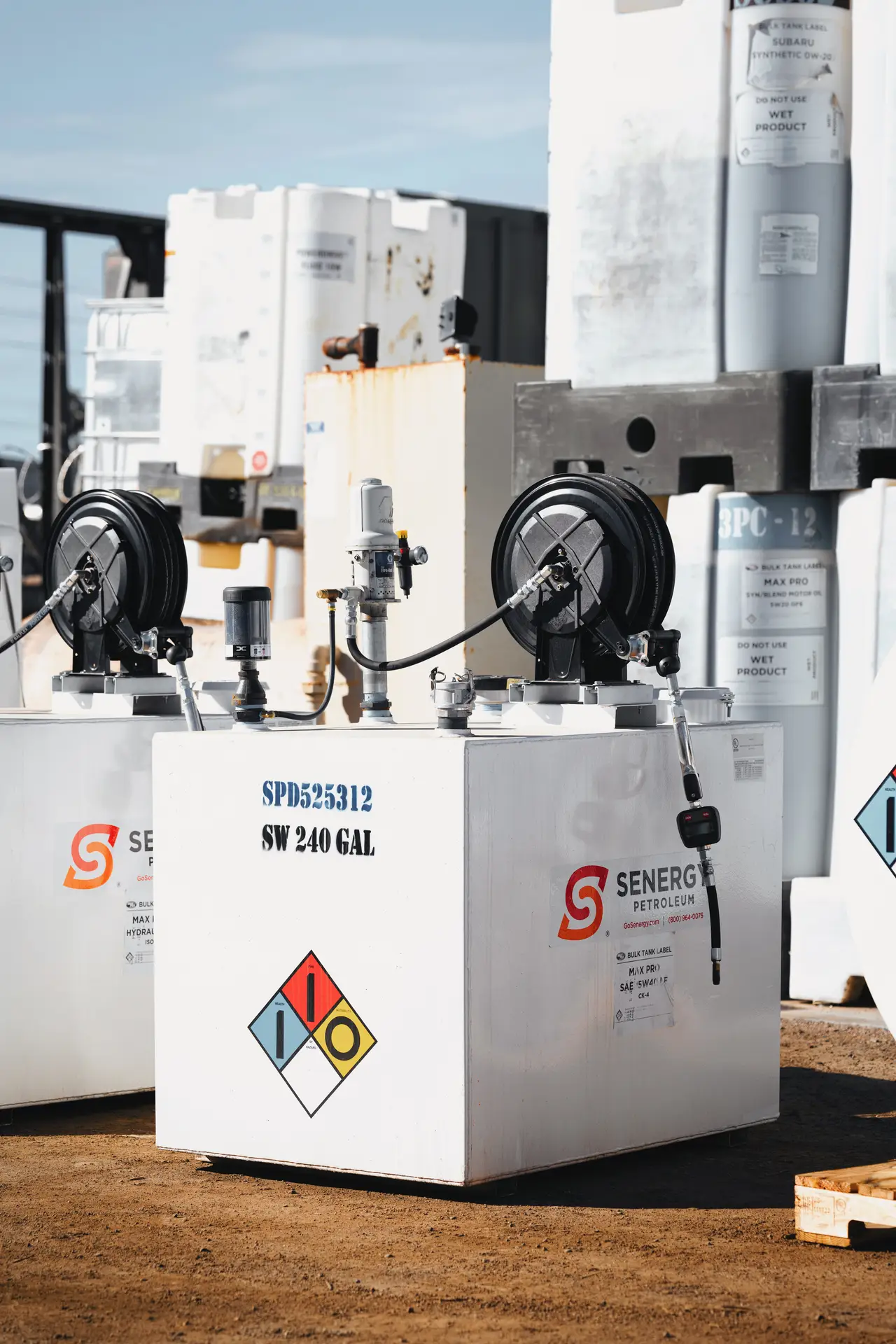
Tank selection is central to long-term fuel performance. Businesses must carefully evaluate whether to use aboveground or underground storage tanks, as each offers advantages and challenges. Aboveground tanks are easier and less costly to repair and inspect but require more physical space, while underground tanks save space but often come with stricter compliance requirements. Tank material is also critical—double-walled steel and fiberglass are commonly used, with modern double-skinned designs providing enhanced safety through reduced leak risk and built-in secondary containment. Capacity is another key factor; tanks must meet operational demands without storing fuel for excessively long periods, which increases the risk of degradation. Proper installation, including base preparation and ventilation, ensures system reliability and minimizes potential complications. Careful planning at the selection stage helps optimize investment while supporting effective long-term storage.
Proactive Fuel Quality Management for Peak Performance
Fuel is not inert and changes composition over time, which can reduce performance if not properly maintained. Oxidation, microbial growth, and water contamination are the most common causes of fuel quality degradation. To prevent issues, regular inspections and testing are essential for detecting early signs of deterioration. Stabilizers can extend fuel life, while biocides may be required in certain conditions to control microbial growth. Tank sealing and desiccant breathers also help protect against moisture. Maintaining fuel quality is not just about extending storage life—it safeguards equipment from breakdowns that can halt operations. Preventive maintenance programs, including testing, cleaning, and conditioning, help avoid costly repairs and lost productivity. By taking proactive steps in fuel quality management, businesses ensure that fuel consistently delivers peak performance, even after long-term storage.
Safety First in Fuel Storage Operations
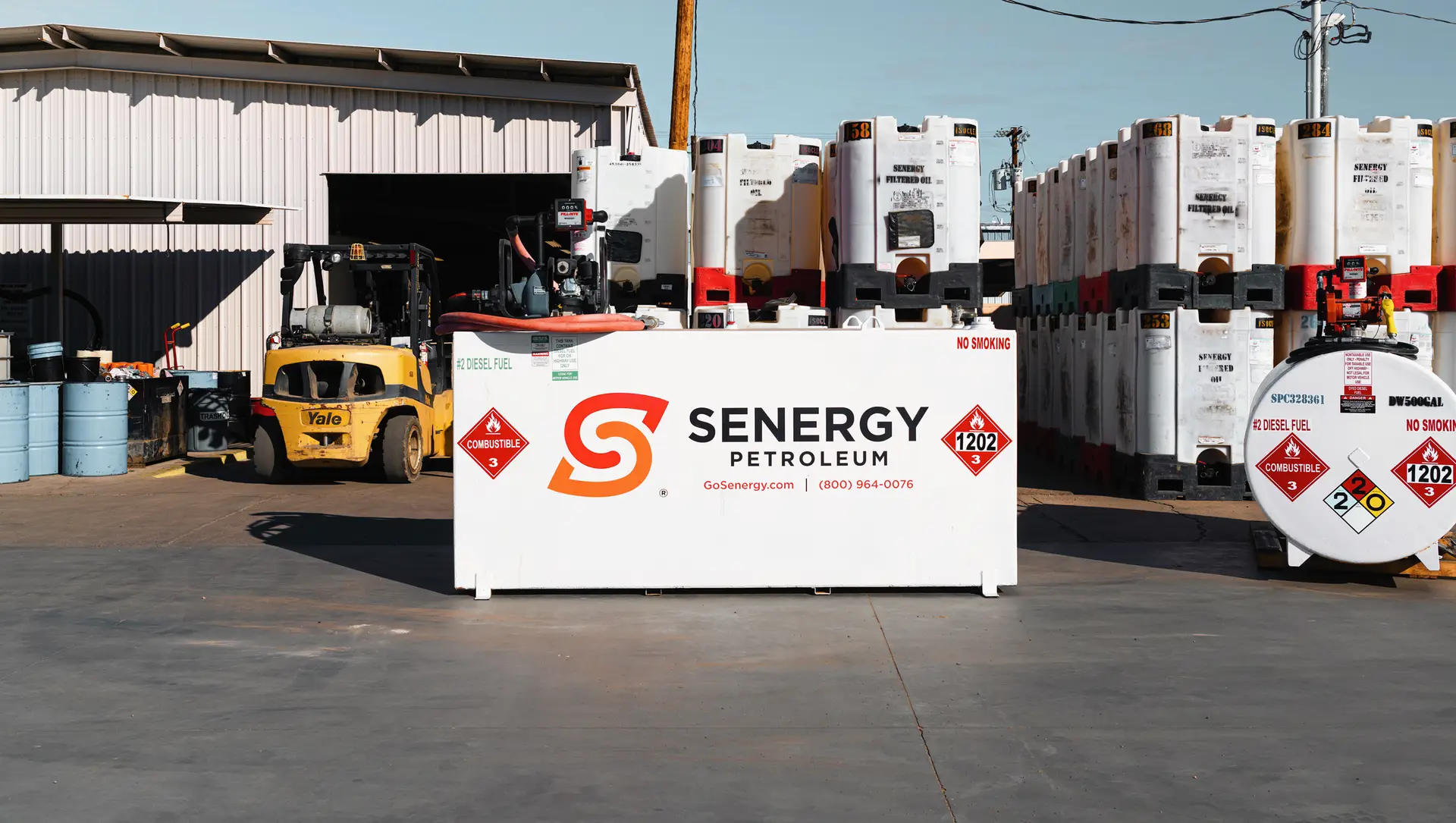
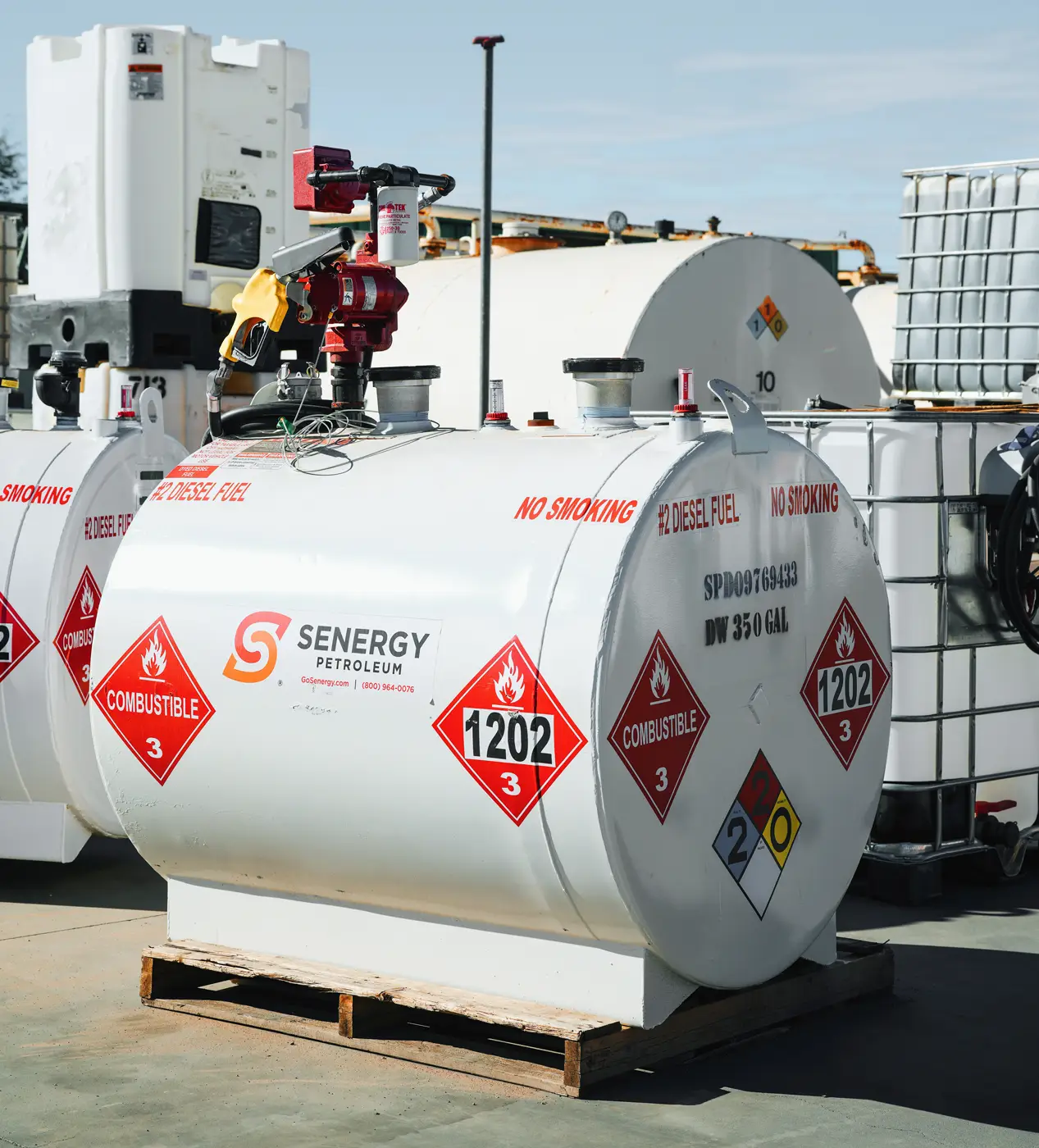
Safety is the top priority in fuel storage. Improper procedures can lead to severe financial, legal, and operational consequences from leaks, fires, or accidents. Best practices begin with ensuring tanks meet all federal and local regulations, including safety valves, proper venting, and spill containment systems. Firefighting equipment should be readily available, and personnel must be trained in proper fuel handling. Routine inspections help prevent leakage or corrosion that could compromise storage integrity. Access controls safeguard against misuse, while emergency response plans prepare organizations to respond quickly to any incident. Strong risk management practices reduce liability, build a culture of responsibility, and protect both people and property. Secure fuel storage not only prevents damage and injury but also upholds the reputation of the operator.
Compliance and Control in Fuel Storage Management
Fuel storage requires strict compliance with industry standards and regulations to ensure safety and reliability. Leaks or spills caused by poor containment equipment can result in costly cleanup, legal issues, and operational downtime. Secondary containment systems—such as spill basins or berms—are essential safeguards that help protect against these risks. Relocating tanks to secure areas reduces exposure to potential hazards, while early leak detection systems provide rapid response and minimize damage. Regular inspections, proper equipment maintenance, and strong compliance practices ensure business continuity and protect valuable assets. By prioritizing regulatory adherence and operational discipline, companies can maintain confidence in their storage systems and safeguard long-term performance.
Why Ongoing Maintenance is Critical to Fuel Storage Success
Efficient fuel storage depends on regular inspections and maintenance. Tanks should be examined for signs of corrosion, structural weakness, and potential leaks. Gauges and monitoring equipment must be calibrated periodically to ensure accurate readings of fuel levels, temperature, and water content. Preventive maintenance schedules should also include checks for sediment and microbial growth, along with routine tank cleaning to preserve fuel quality. Treating fuel storage as an ongoing process—not just a one-time installation—positions companies for long-term reliability, efficiency, and consistent performance.
Training and Operating Procedures
No matter how well a fuel storage system is designed, its safety ultimately depends on the people operating it. Personnel must be thoroughly trained in proper handling, safety procedures, and emergency response. Training should cover fueling practices, spill recovery, monitoring protocols, and incident reporting. Clear, easy-to-use operation guides help ensure consistency and reduce the risk of human error that could compromise fuel quality or security. Written procedures also support discipline and provide reference during checks or audits. Building a proactive safety culture encourages employees to report potential issues without hesitation, while ongoing training keeps teams aligned with evolving standards and technologies. By investing in education and consistent procedures, companies maximize efficiency and minimize risk in long-term fuel storage.
Partnering with the Right Supplier for Long-Term Fuel Success
Optimal fuel storage practices begin with procurement. Partnering with quality suppliers ensures clean, reliable fuel from the start, reducing the risk of contamination. The right supplier also provides guidance on additive use, access to laboratory testing, and compliance with industry standards. Reliable partners align delivery schedules with consumption rates to prevent overstocking or shortages—critical for sectors such as agriculture, government fleets, and fueling stations. Working with specialists allows companies to design storage solutions tailored to their operational needs, while trusted supplier relationships also provide backup support in emergencies or supply chain disruptions. Supplier selection, with a focus on quality, security, and reliability, is just as important as tank infrastructure. When combined with disciplined storage practices, it creates a dual strategy for effective, long-term fuel management.
The Advantage of Smart Fuel Storage
Investing in the right fuel storage is more than an operational necessity—it’s a strategic advantage. With proper storage tanks, strict safety protocols, and proven long-term solutions, businesses protect fuel quality while avoiding costly downtime or equipment damage. Effective fuel management ensures every gallon delivers peak performance, keeping operations efficient and dependable. Companies that prioritize storage build resilience against disruptions and set themselves apart from competitors who overlook these practices. Run With Senergy for fuel storage that is steady, reliable, safe, and smarter for the future.